

These practices ensure the board's reliability, efficiency, and longevity in demanding high-power applications.
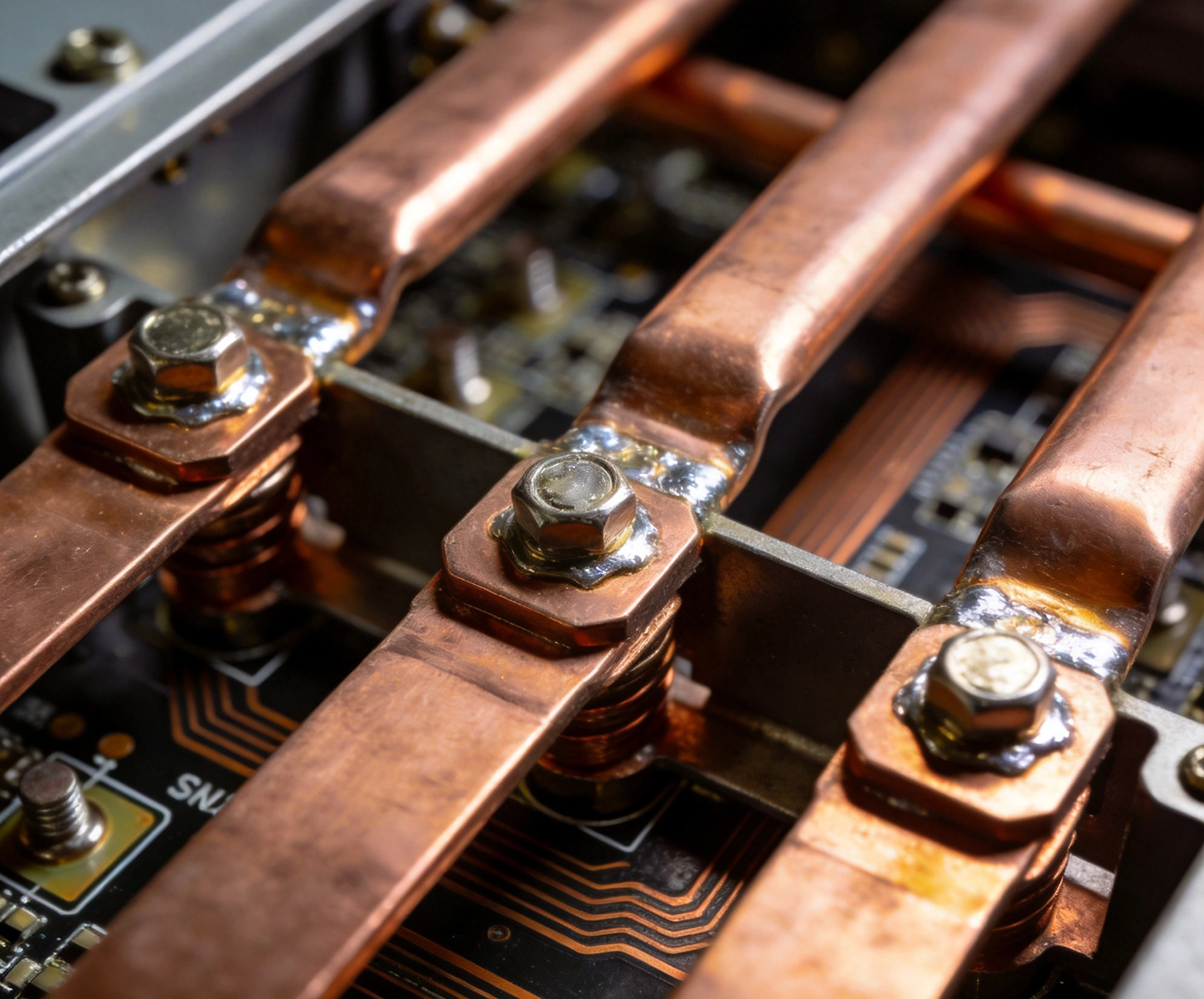
High Current PCB Design for Renewable Energy Microgrids September/30/2026 Renewable energy microgrids are among the most demanding environments for power electronics. They must handle bidirectional power flow, operate reliably across wide temperature ranges, and do so while maintaining high conversion efficiency in systems that often run continuously for years without m...
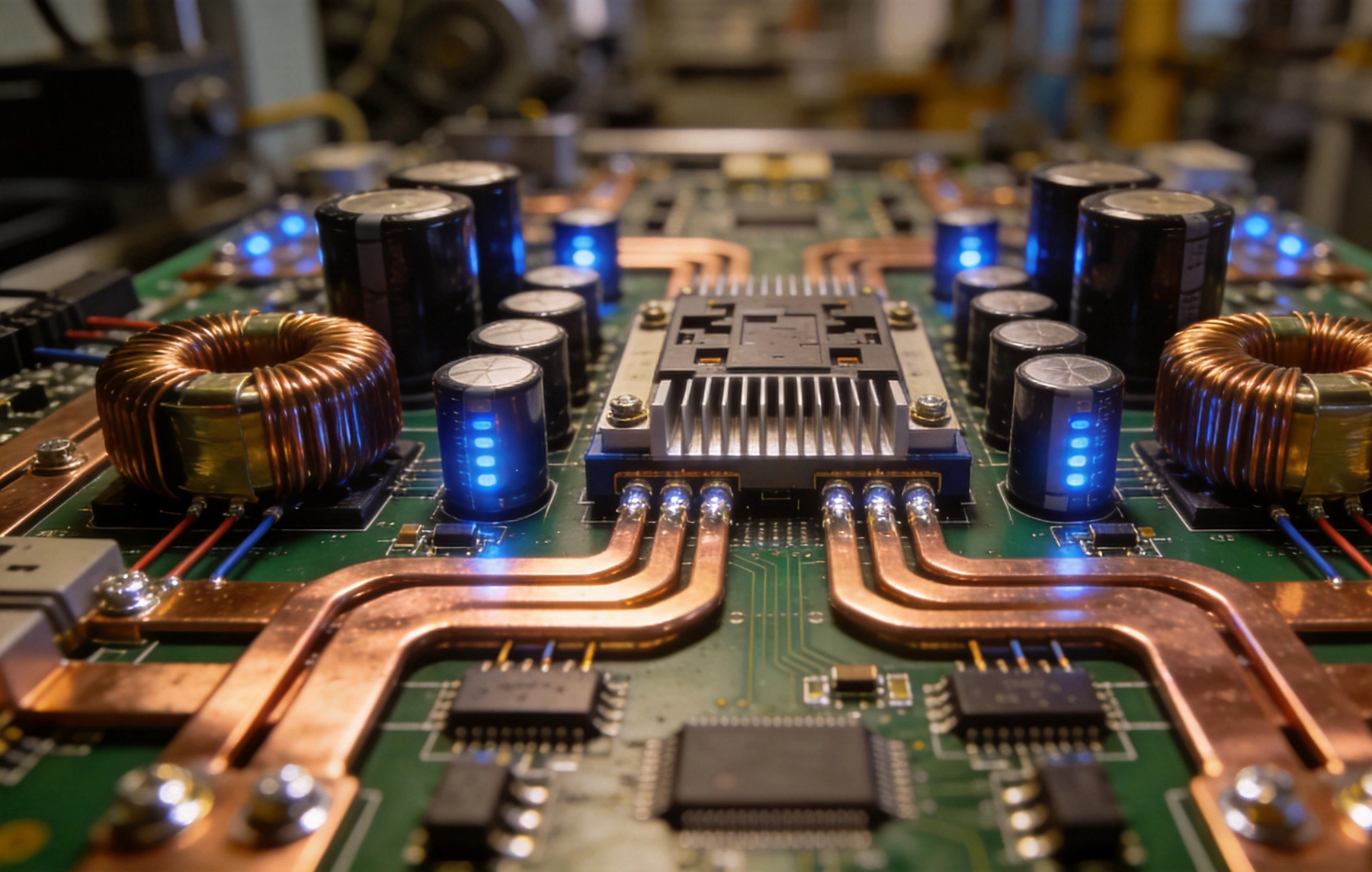
High Current PCB Design for Industrial Motor Drives September/28/2026 Industrial motor drives are among the most demanding applications in power electronics. A variable frequency drive (VFD) controlling a 30kW motor might switch hundreds of amps at bus voltages of 400V to 690V, generating heat inIGBT modules, DC link capacitors, and the PCB traces that connect them....
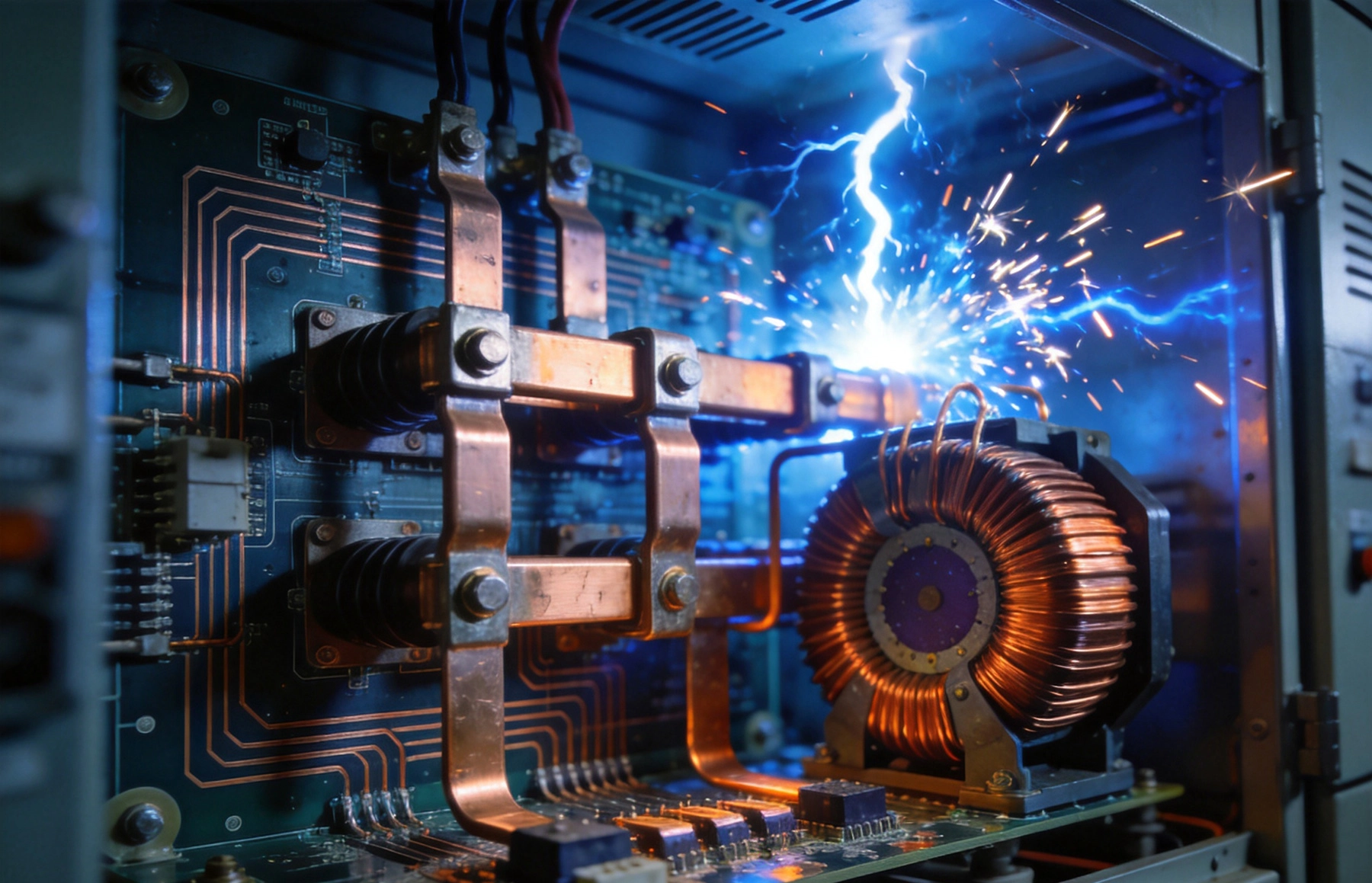
High Current PCB Design for High-Voltage DC Transmission September/24/2026 High-voltage direct current (HVDC) transmission is experiencing a renaissance. As renewable energy sources—particularly offshore wind and remote solar farms—push power generation farther from population centers, HVDC's superior long-distance efficiency over AC transmission makes it the technology ...
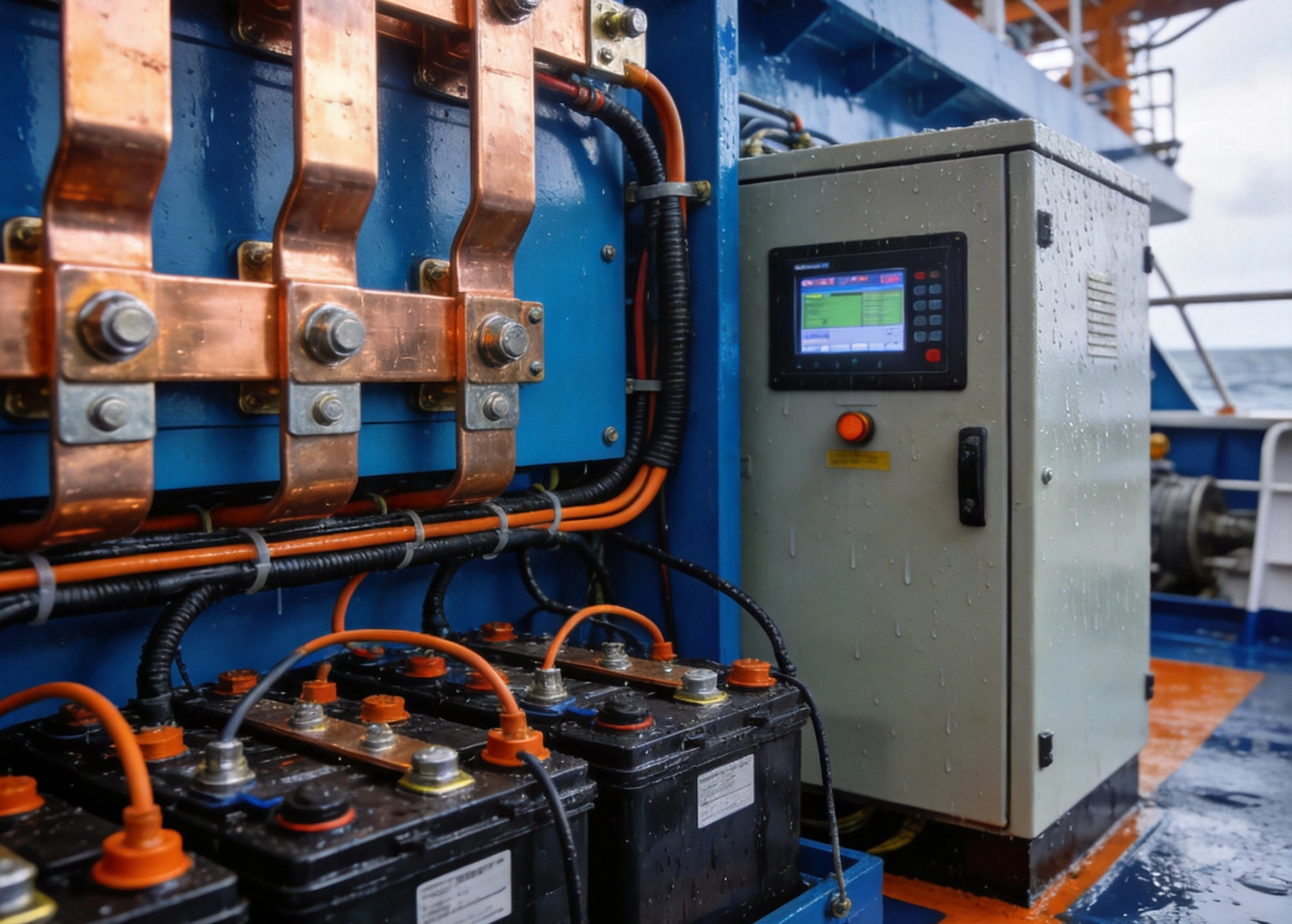
High Current PCB Design for Marine Battery Systems September/21/2026 Marine battery systems operate in some of the most demanding environments in electronics. Whether powering electric ferries, offshore supply vessels, or recreational boats with advanced navigation systems, these battery banks must deliver high currents reliably while withstanding salt air, vibrati...
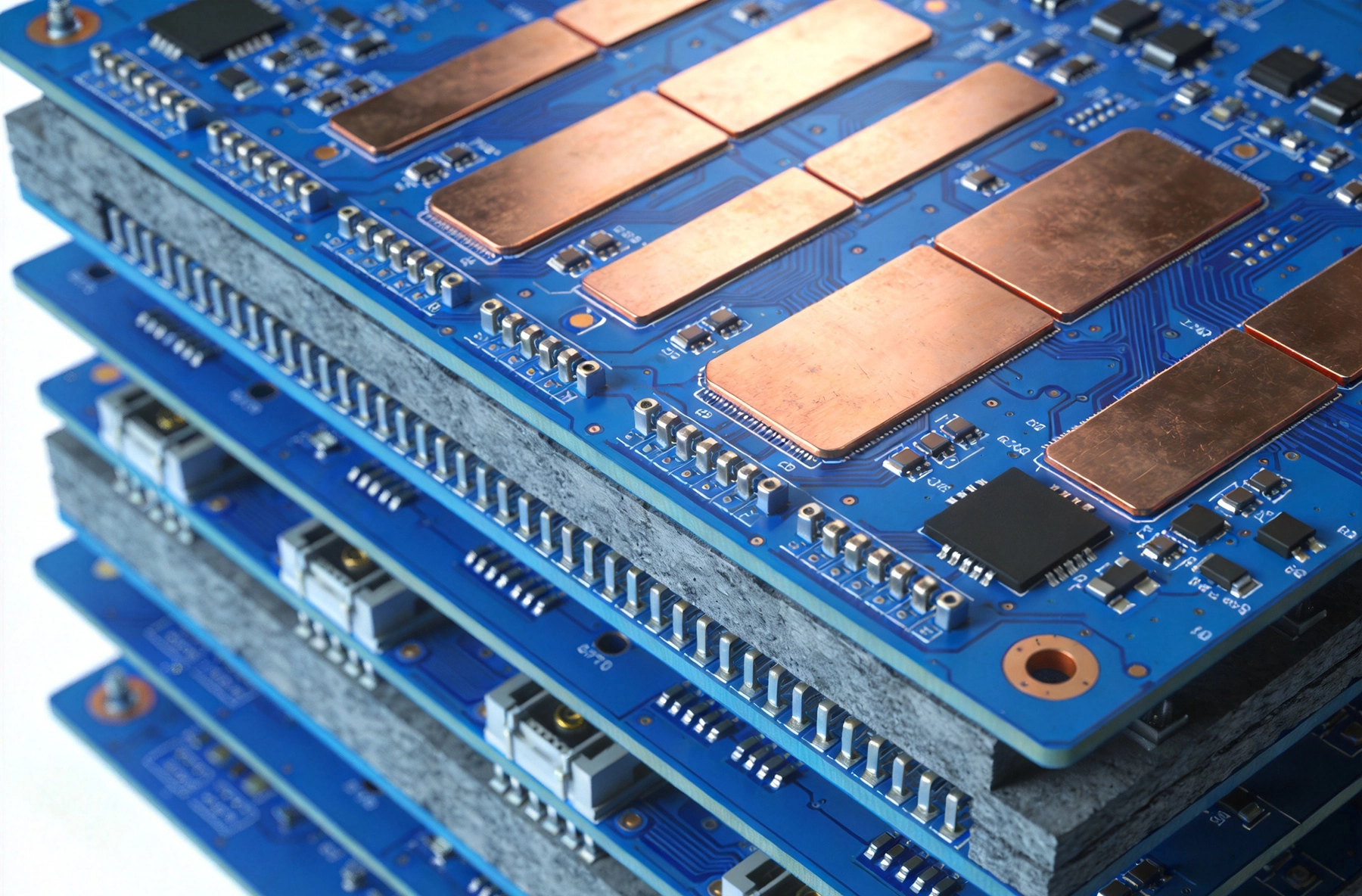
High Current PCB Design for Telecommunications Base Stations September/18/2026 Telecommunications base stations are among the most demanding environments for printed circuit board design. A single macro cell site houses power amplifiers, radio transceivers, filters, and baseband processing units — all running simultaneously, all generating heat, and all relying on a PCB infr...
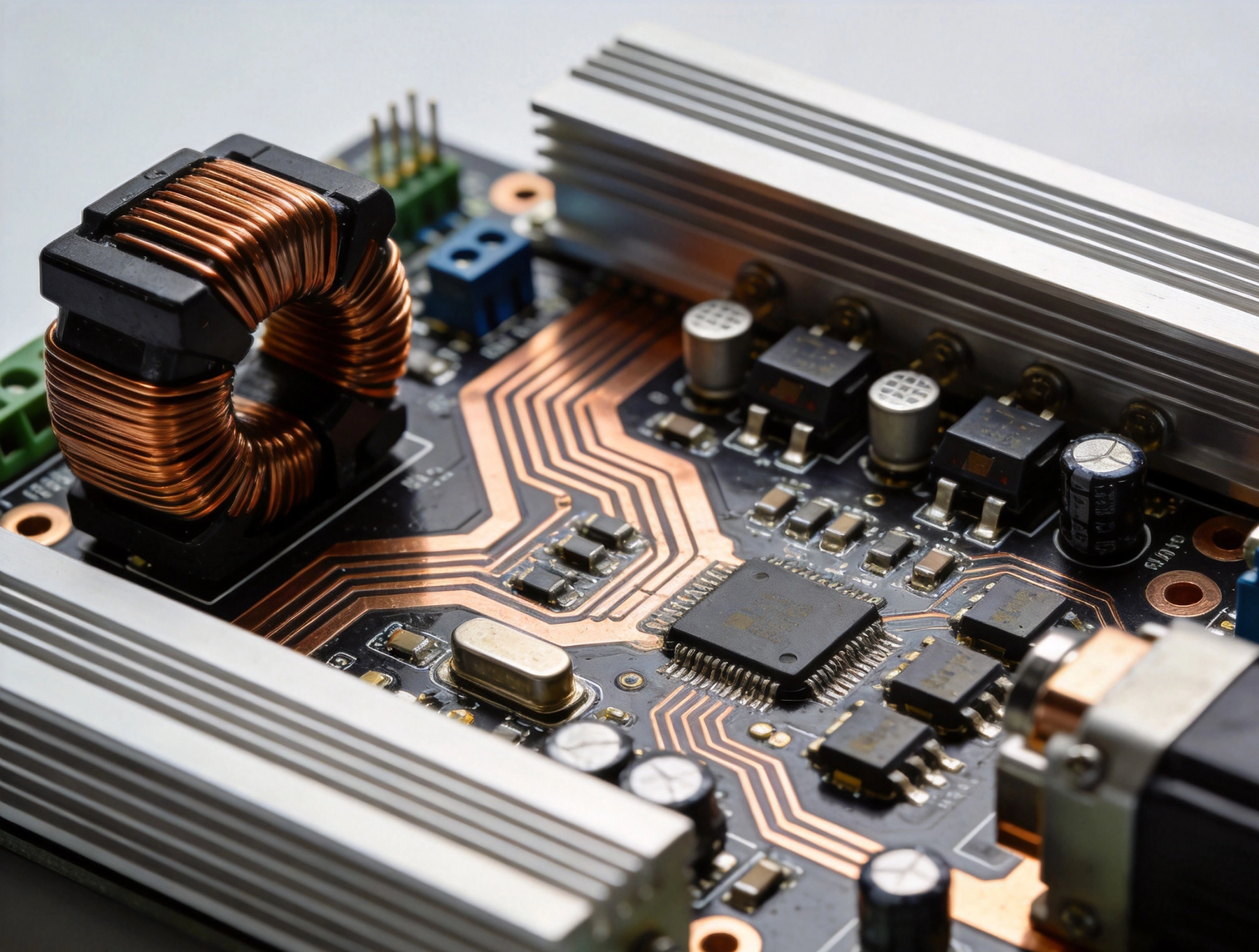
High Current PCB Design for Robotics Motor Controllers September/16/2026 Robotics motor controllers operate in one of the most demanding environments in power electronics. These systems must deliver high currents with precision timing, manage thermal loads from tens to hundreds of watts, and maintain reliability despite constant mechanical vibration and variable load c...
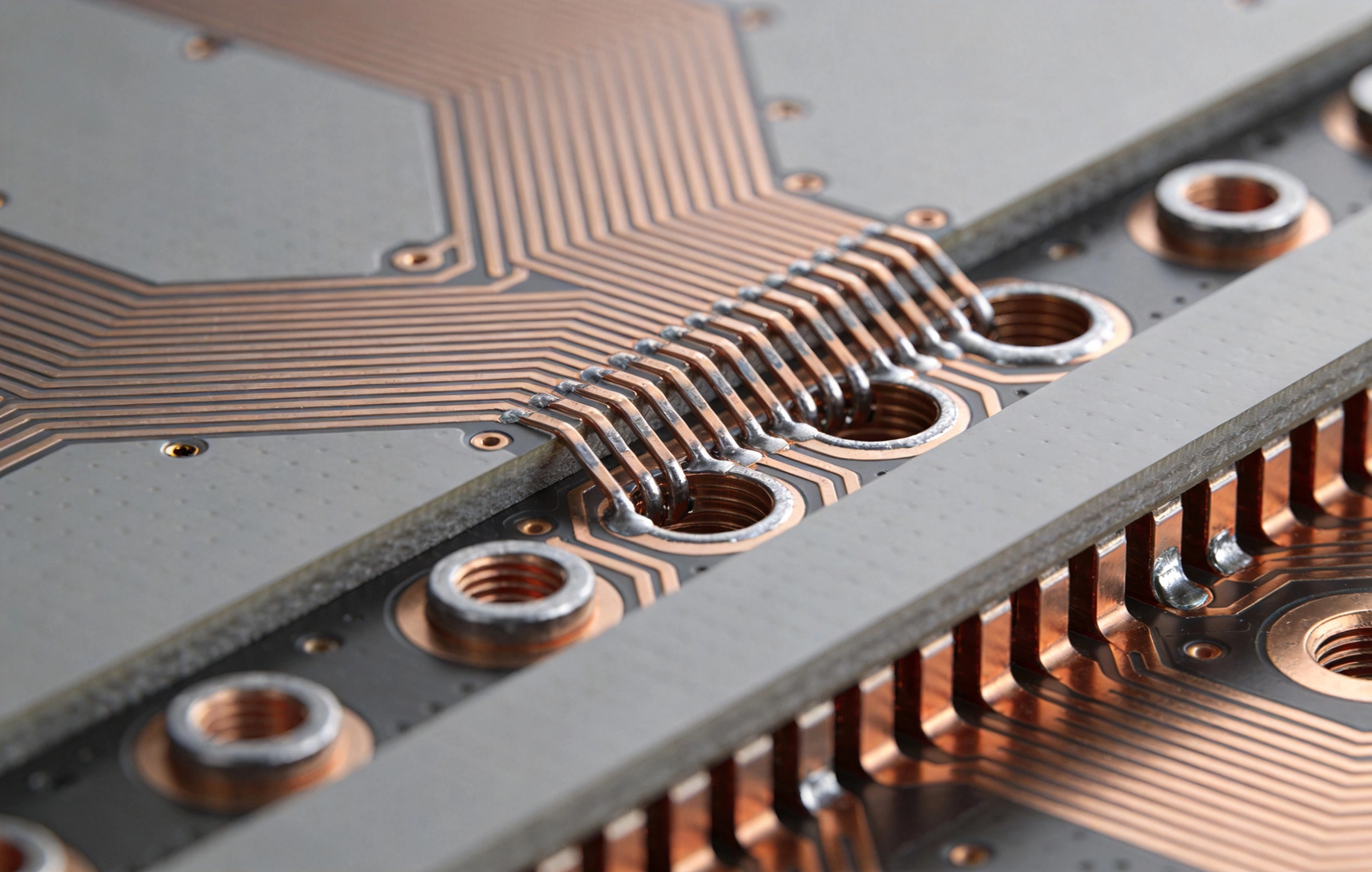
High Current PCB Thermal Vias: Array Spacing and Heat Transfer Efficiency September/15/2026 Heat has always been the enemy of electronics. In high current applications, this enemy grows stronger. Components that dissipate significant power generate thermal gradients across circuit boards, and if that heat isn't managed effectively, reliability suffers. The solution for many designers inv...
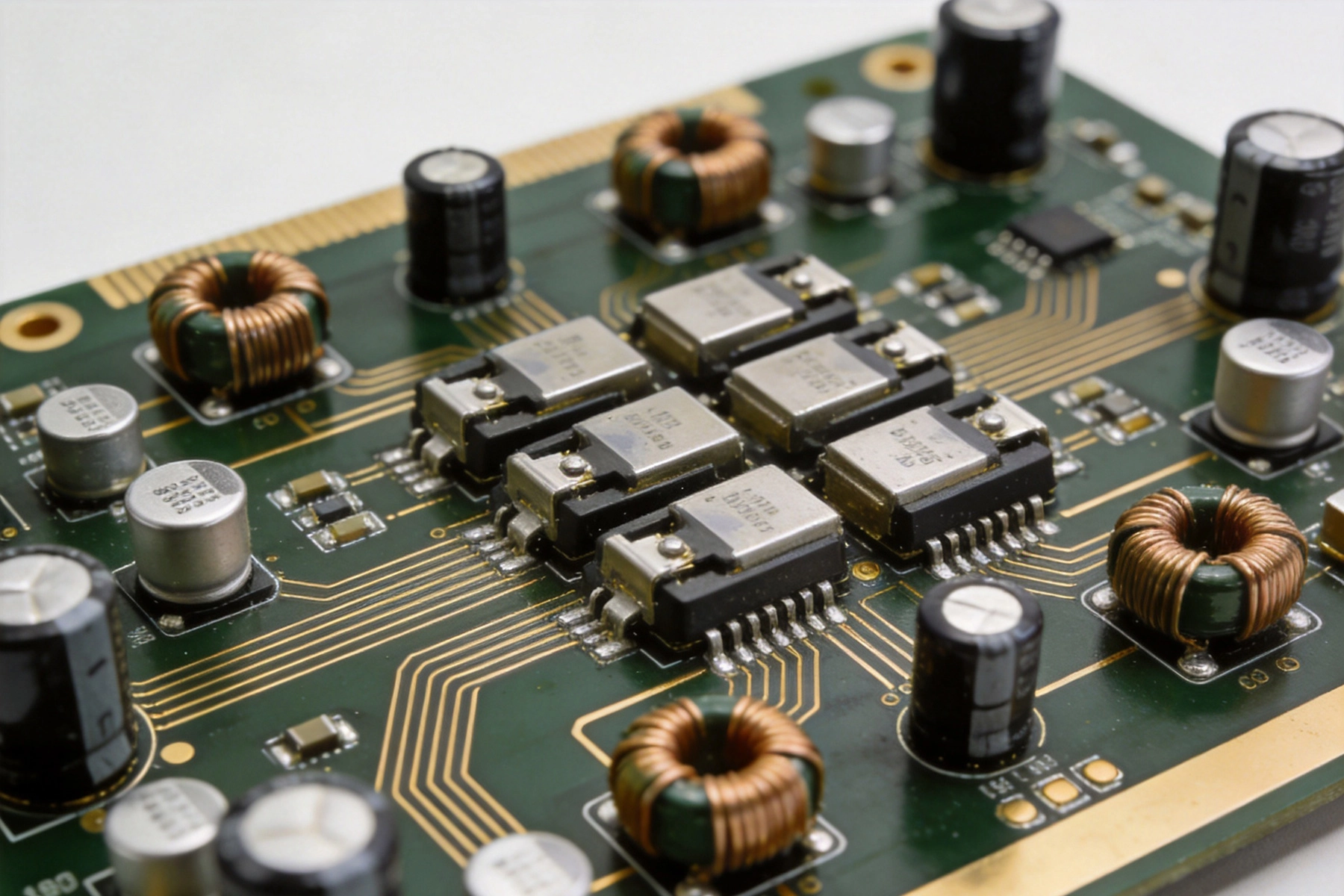
High Current PCB Design for Audio Amplifiers: Avoiding Ground Loops September/14/2026 Designing a PCB for a high-current audio amplifier presents unique challenges that go beyond standard PCB layout practices. Audio amplifiers demand both precise low-level signal handling and robust power delivery, all while maintaining absolute silence—no humming, no buzzing, no RF interference. G...
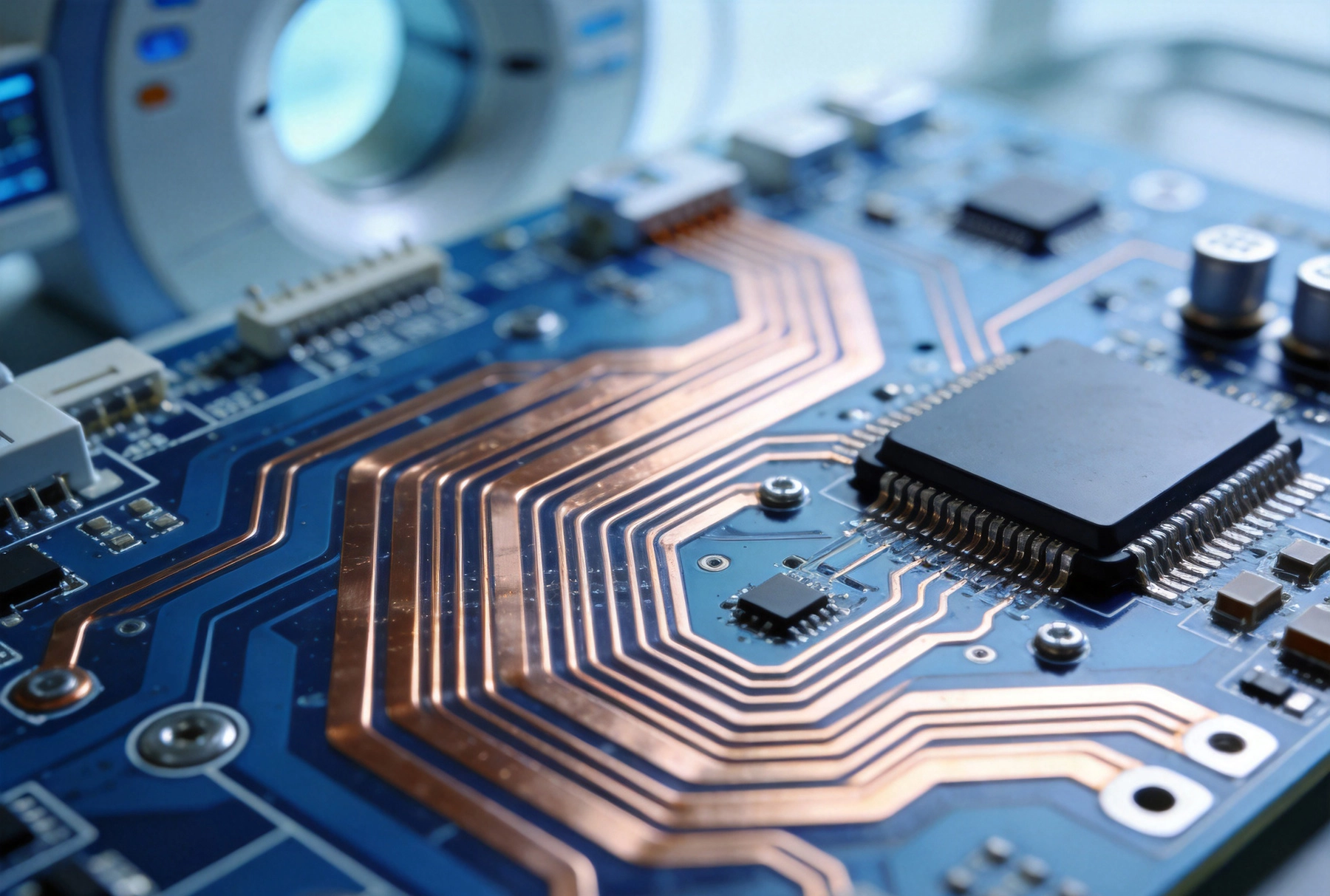
High Current PCB Design for Medical Imaging Equipment September/10/2026 Medical imaging equipment represents one of the most demanding applications for high current printed circuit board (PCB) design, requiring exceptional reliability, precision, and safety in environments where component failure can have life-critical consequences. From magnetic resonance imaging (MR...
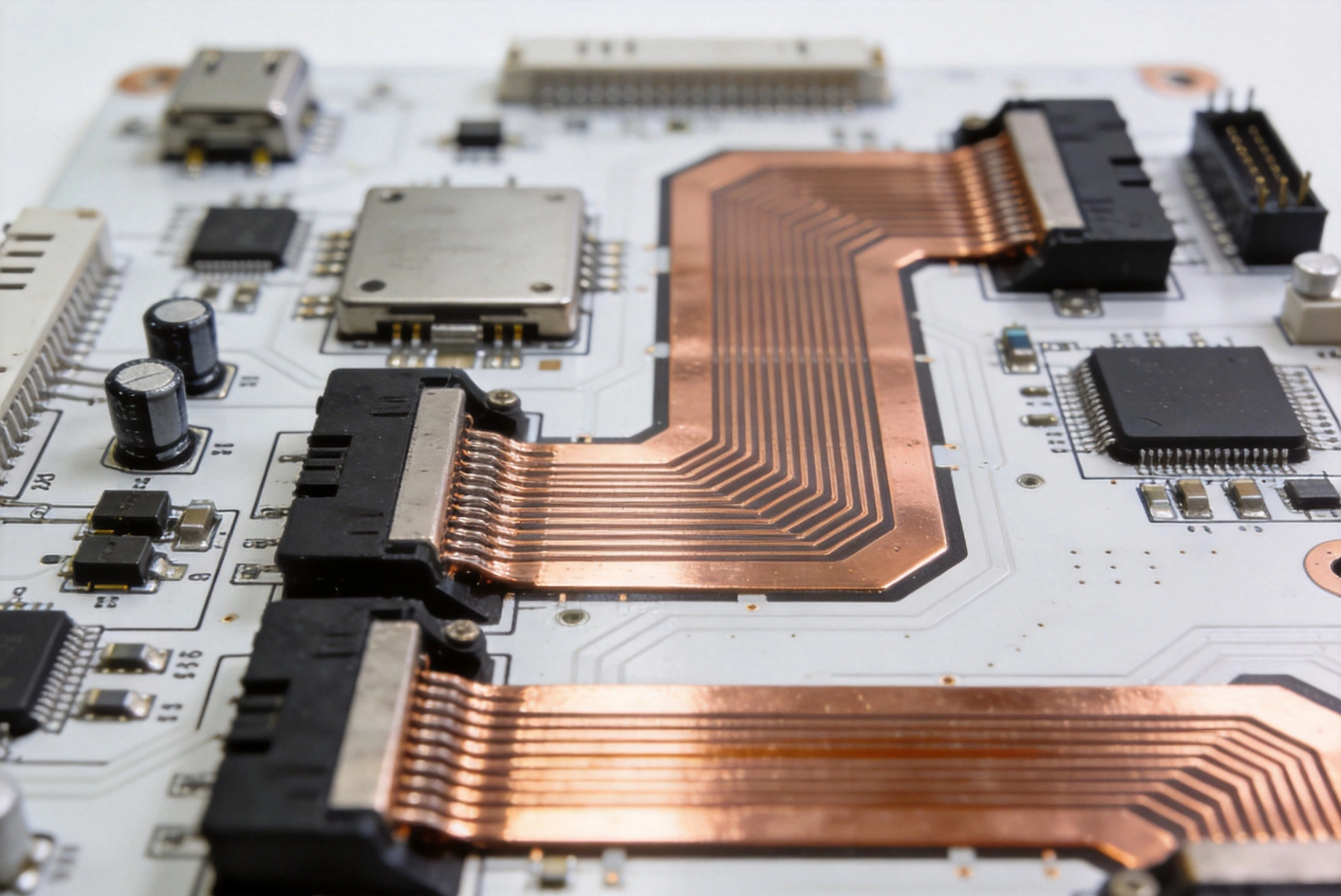
High Current PCB Design for Aerospace Power Distribution September/08/2026 Aerospace power distribution systems place demands on PCB design that are fundamentally different from those of commercial electronics. A single board in an aircraft or spacecraft may need to carry hundreds of amps across bus bars, distribute power to avionics modules, motor controllers, lighting ...
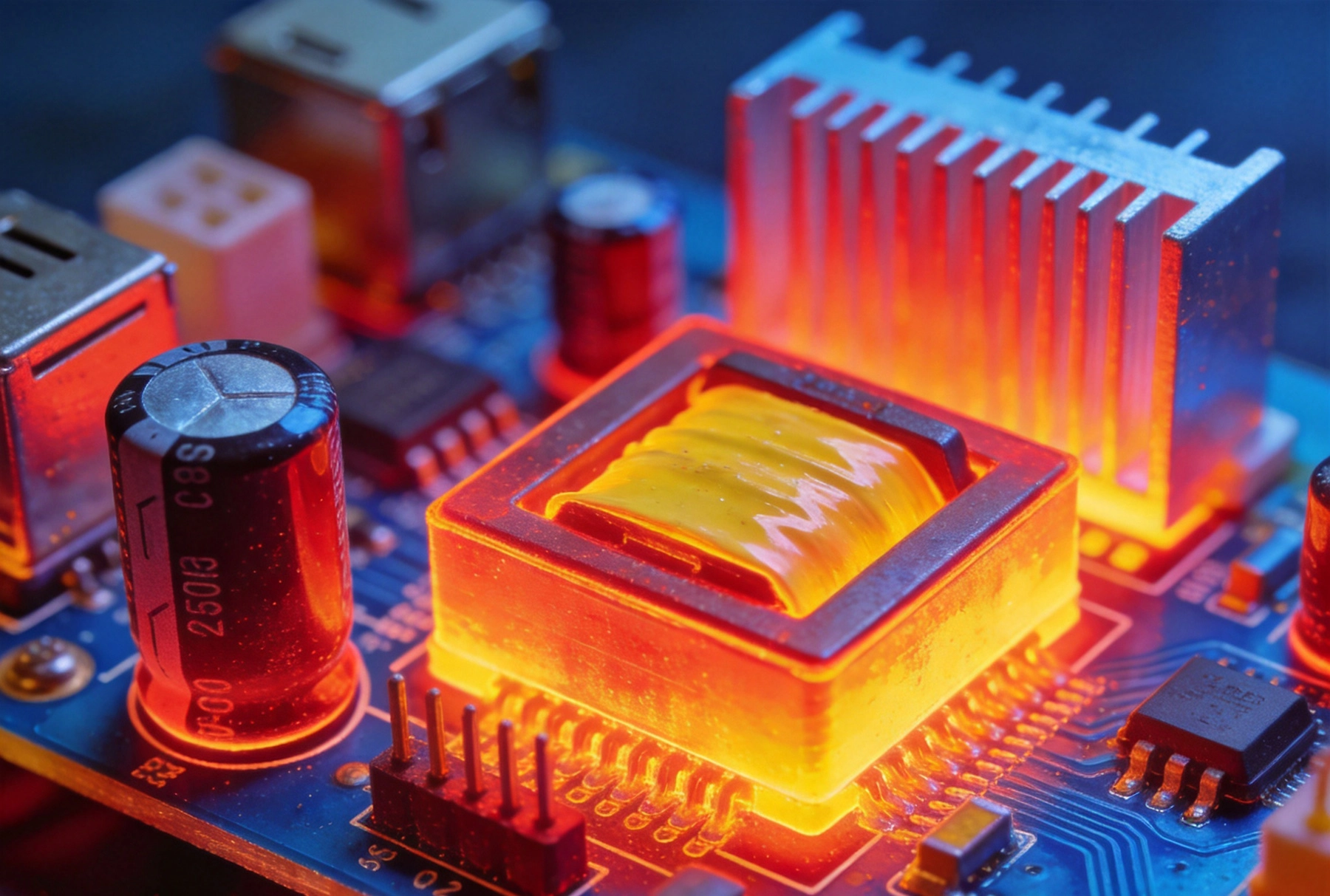
High Current PCB Design for High-Frequency Switching Regulators September/04/2026 High-frequency switching regulators power everything from server motherboards to automotive electronics. At frequencies above 500 kHz—and increasingly pushing past 1 MHz—these power conversion circuits demand PCB layouts that would make an aerospace engineer nervous. The difference between a relia...
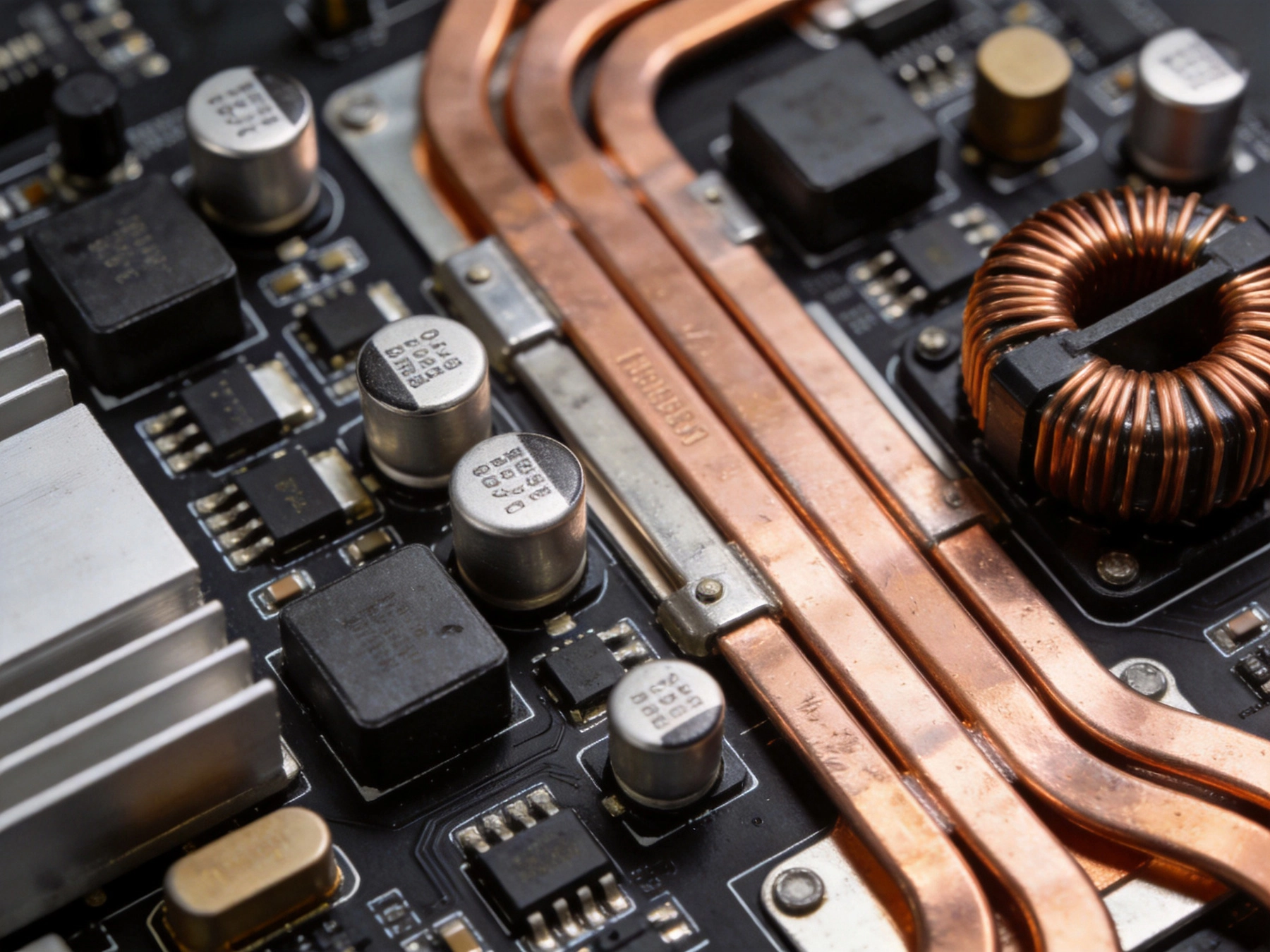
High Current PCB Design for Uninterruptible Power Supplies (UPS) September/02/2026 Uninterruptible Power Supplies (UPS) are critical for protecting sensitive electronic equipment from power outages, voltage fluctuations, and surges. From small desktop units protecting home computers to industrial-scale UPS systems protecting data centers, hospitals, and manufacturing facilities,...
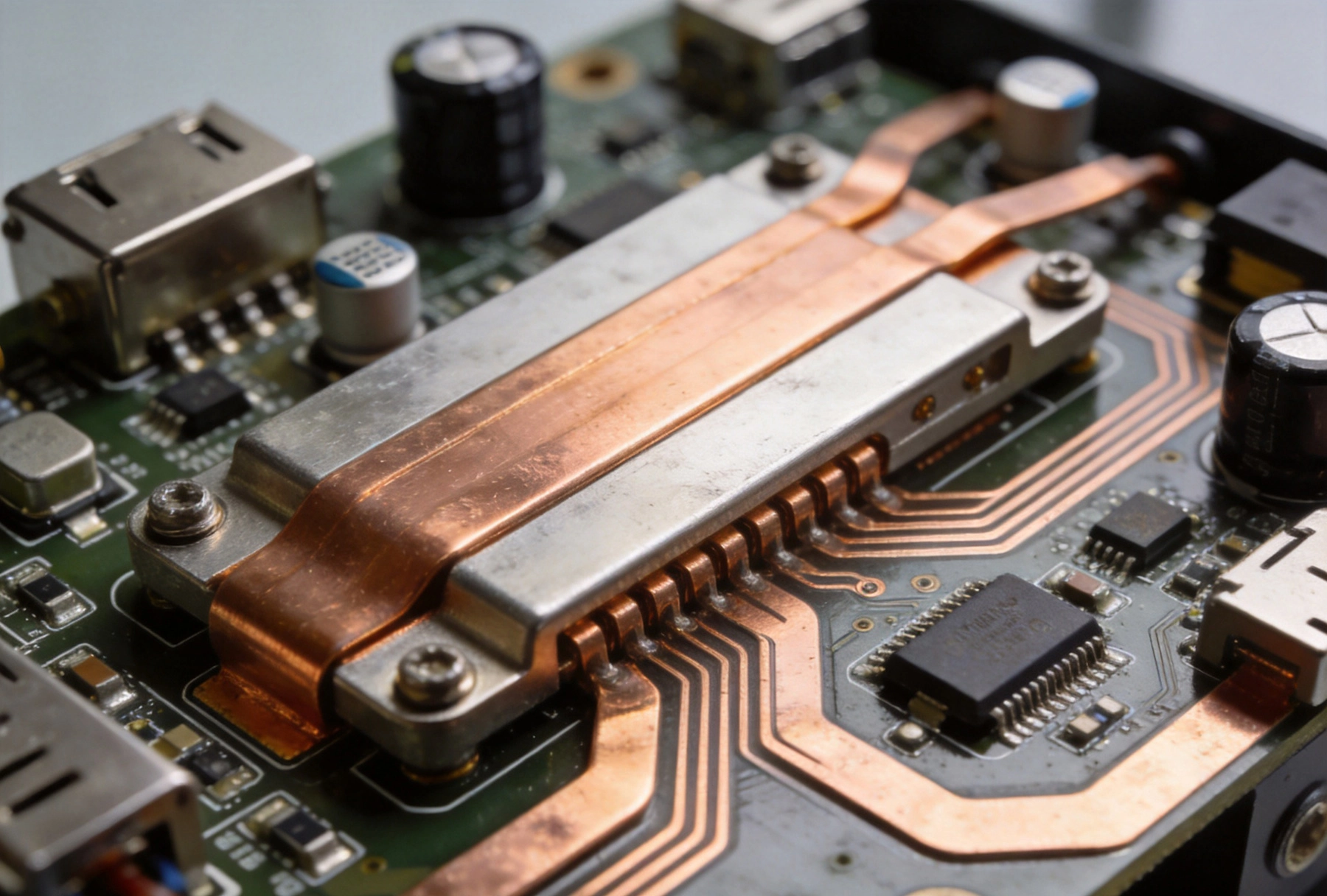
High Current PCB Design for Electric Vehicle Charging Stations August/15/2026 The rapid growth of electric vehicle adoption has created unprecedented demand for reliable, high-power charging infrastructure. At the heart of every EV charging station lies a sophisticated power electronics system, with printed circuit boards serving as the critical foundation for power convers...
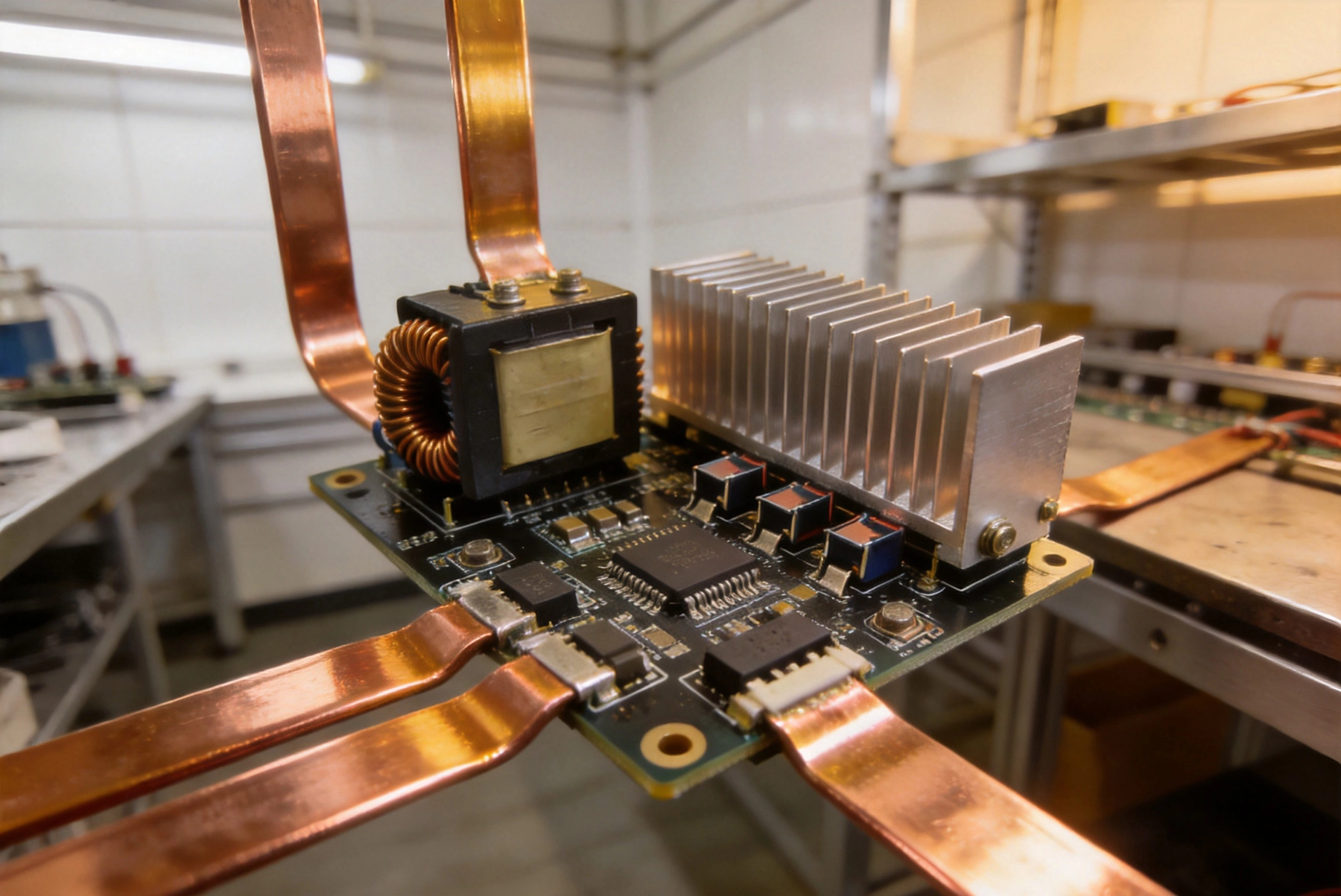
High Current PCB Design for High-Power LED Drivers August/12/2026 High-power LED applications demand robust PCB design strategies that can handle substantial current loads while maintaining thermal efficiency and electrical reliability. As LED technology continues to advance, drivers must deliver increasingly higher currents to achieve greater light output, push...
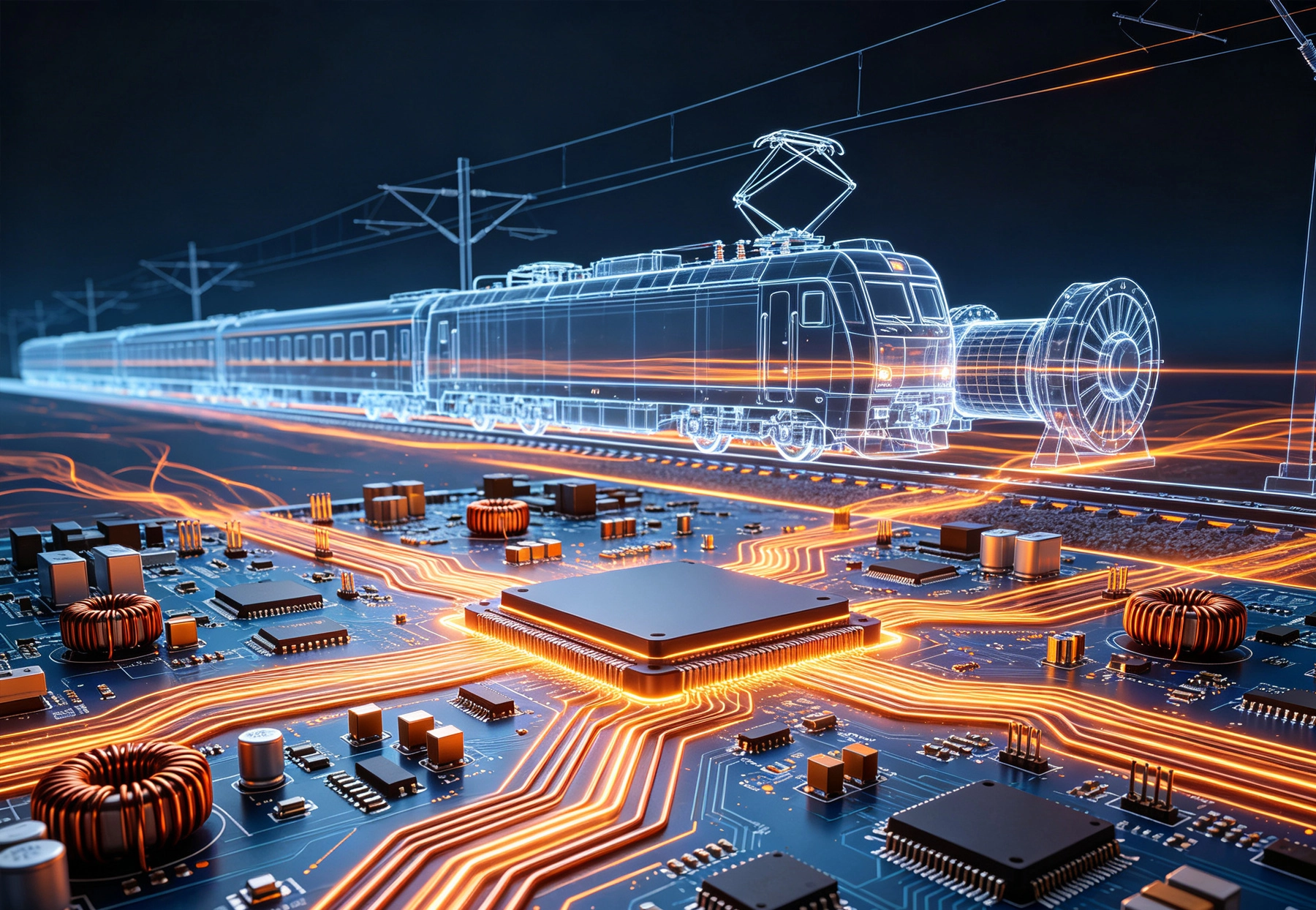
High Current PCB Design for Railway Traction Systems August/07/2026 Railway traction systems represent some of the most demanding applications for power electronics. These systems control massive electric motors that propel trains, trams, and high-speed rail vehicles, requiring PCB designs capable of handling hundreds to thousands of amperes while maintaining reli...
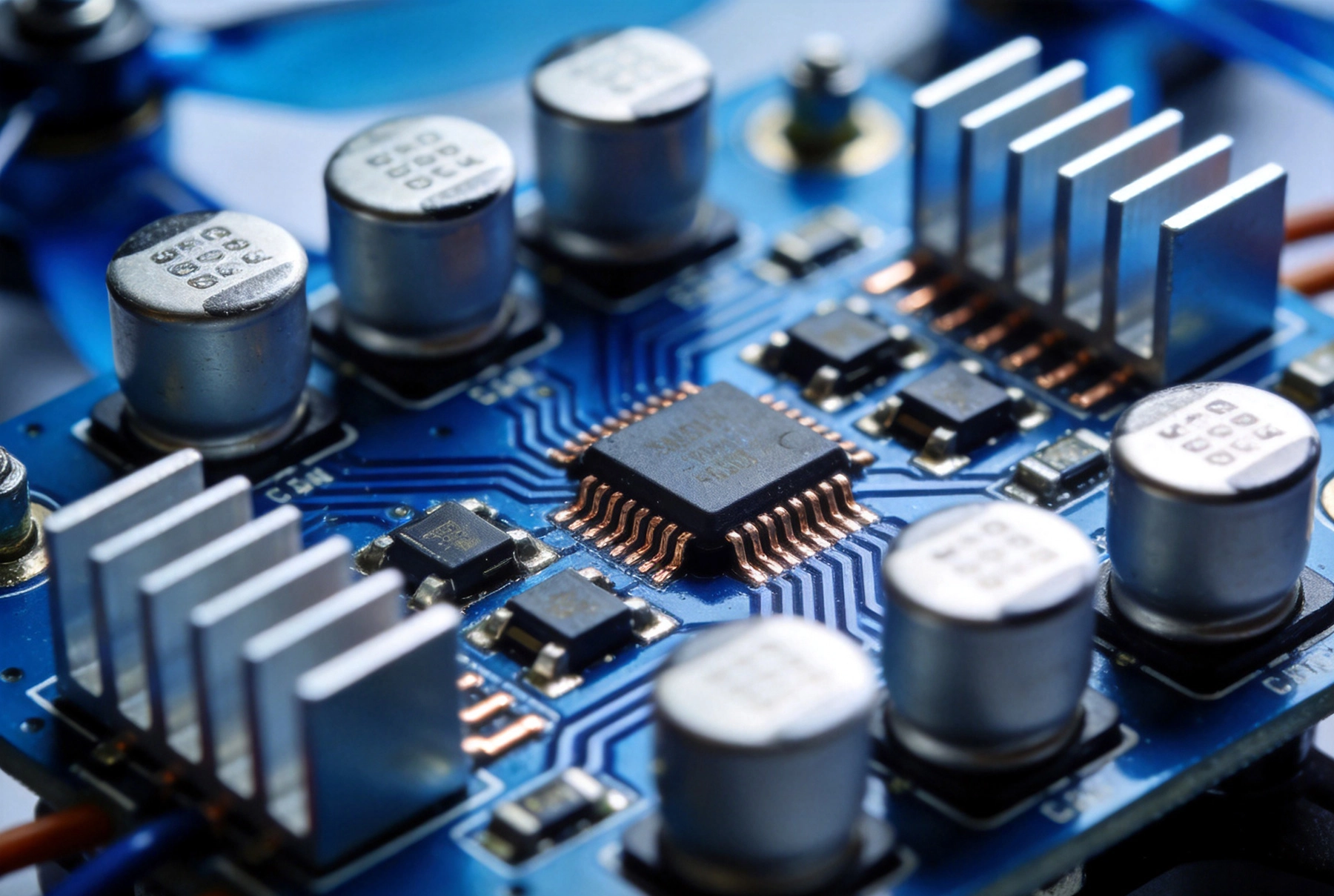
High Current PCB Design for Drone ESCs: Minimizing Loop Inductance August/03/2026 Electronic Speed Controllers governing drone motors face some of the most demanding PCB design challenges in consumer electronics. These compact controllers must switch hundreds of amperes at tens of kilohertz while maintaining efficiency above 95 percent and fitting within the strict size constra...
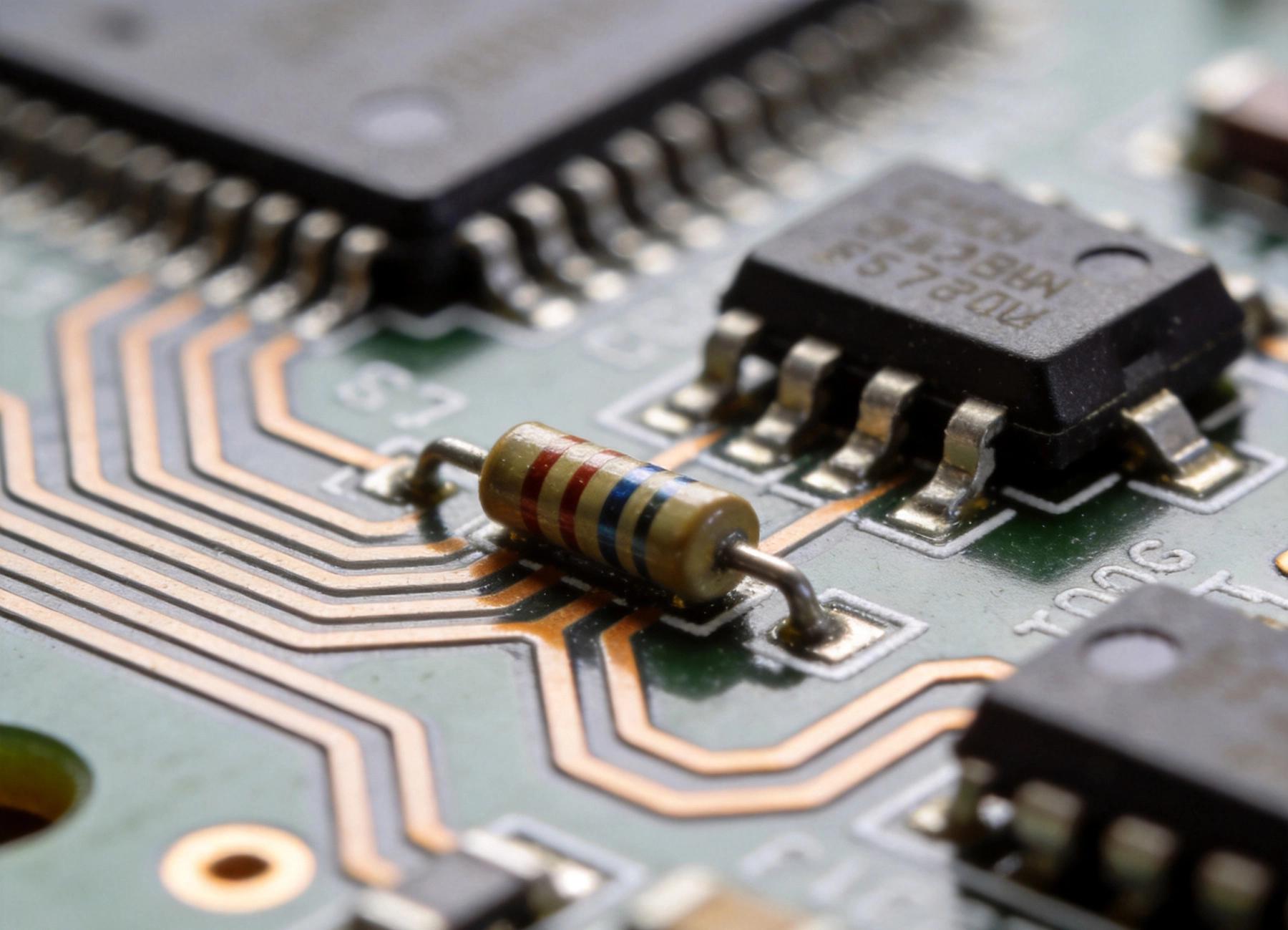
High Current PCB Current Sensing: Shunt Resistor vs. Hall Effect Layout July/29/2026 Accurate current measurement sits at the heart of virtually every power electronics system. Whether you are designing a battery management system for an electric vehicle, a motor drive controller for an industrial robot, or a power supply monitoring circuit for data center equipment, the way you s...
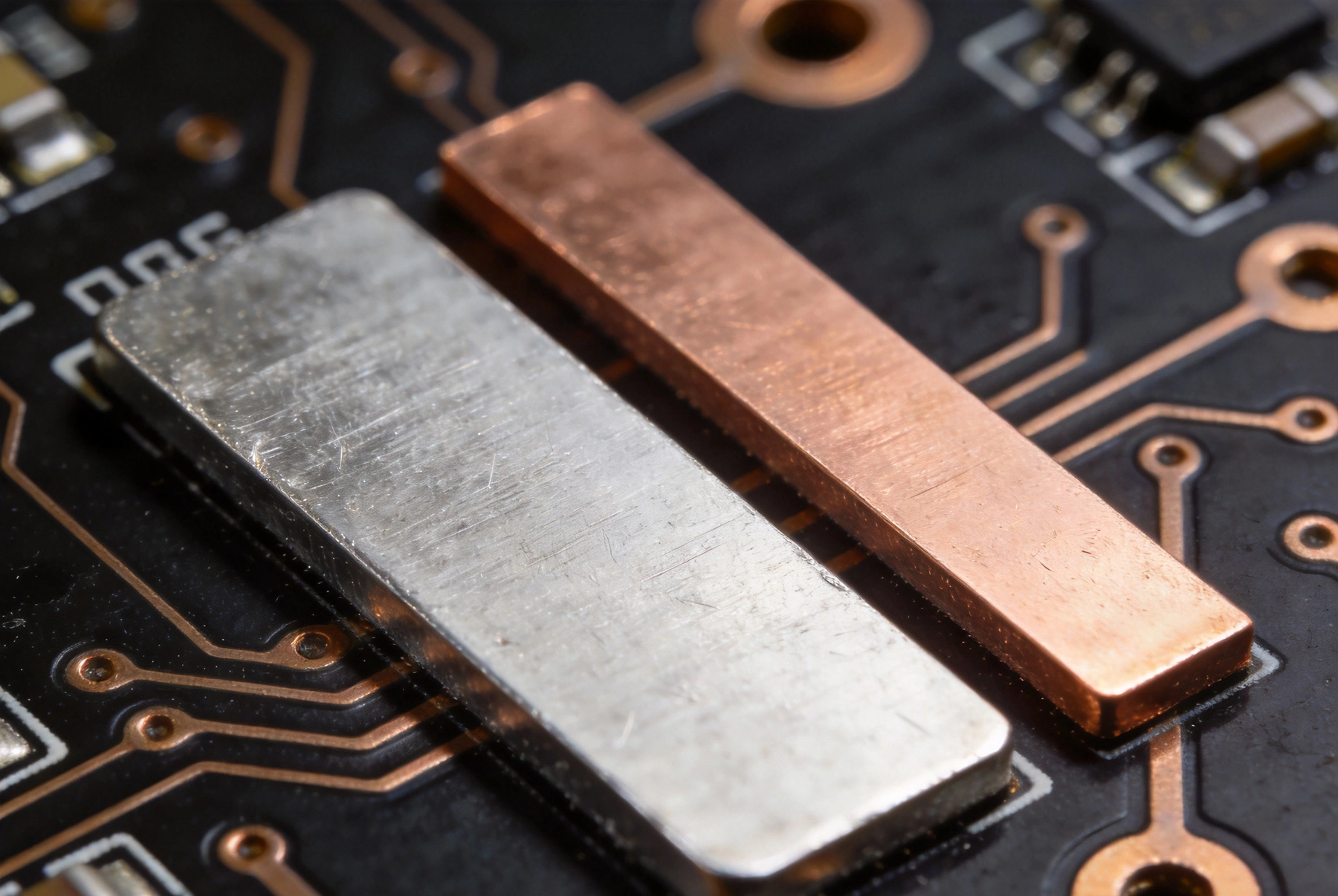
High Current PCB Pad Design: Reinforced Plating vs. Standard Pads July/28/2026 Every power electronics design eventually runs into the same problem: a trace that carries 10 amps without complaint at room temperature becomes a reliability liability when the ambient climbs to 60°C or the board sits in a poorly ventilated enclosure. The culprit is almost never the copper weight...
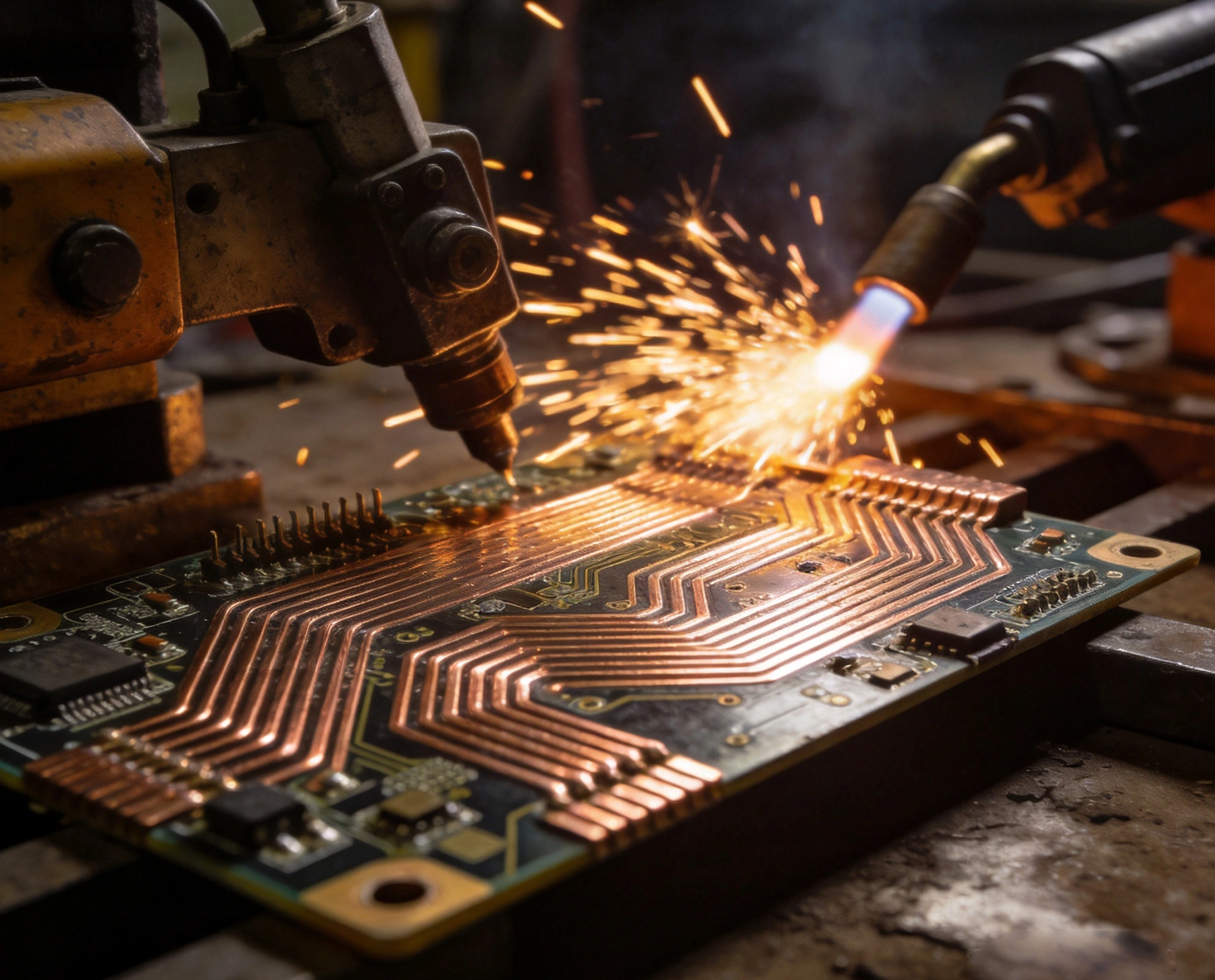
Designing a High Current PCB for Industrial Welding Equipment July/23/2026 Industrial welding equipment pushes the boundaries of what a printed circuit board is expected to do. Unlike consumer electronics, where currents are measured in milliamps and thermal margins are generous, welding machines demand PCB designs that carry tens to hundreds of amps without overheating,...
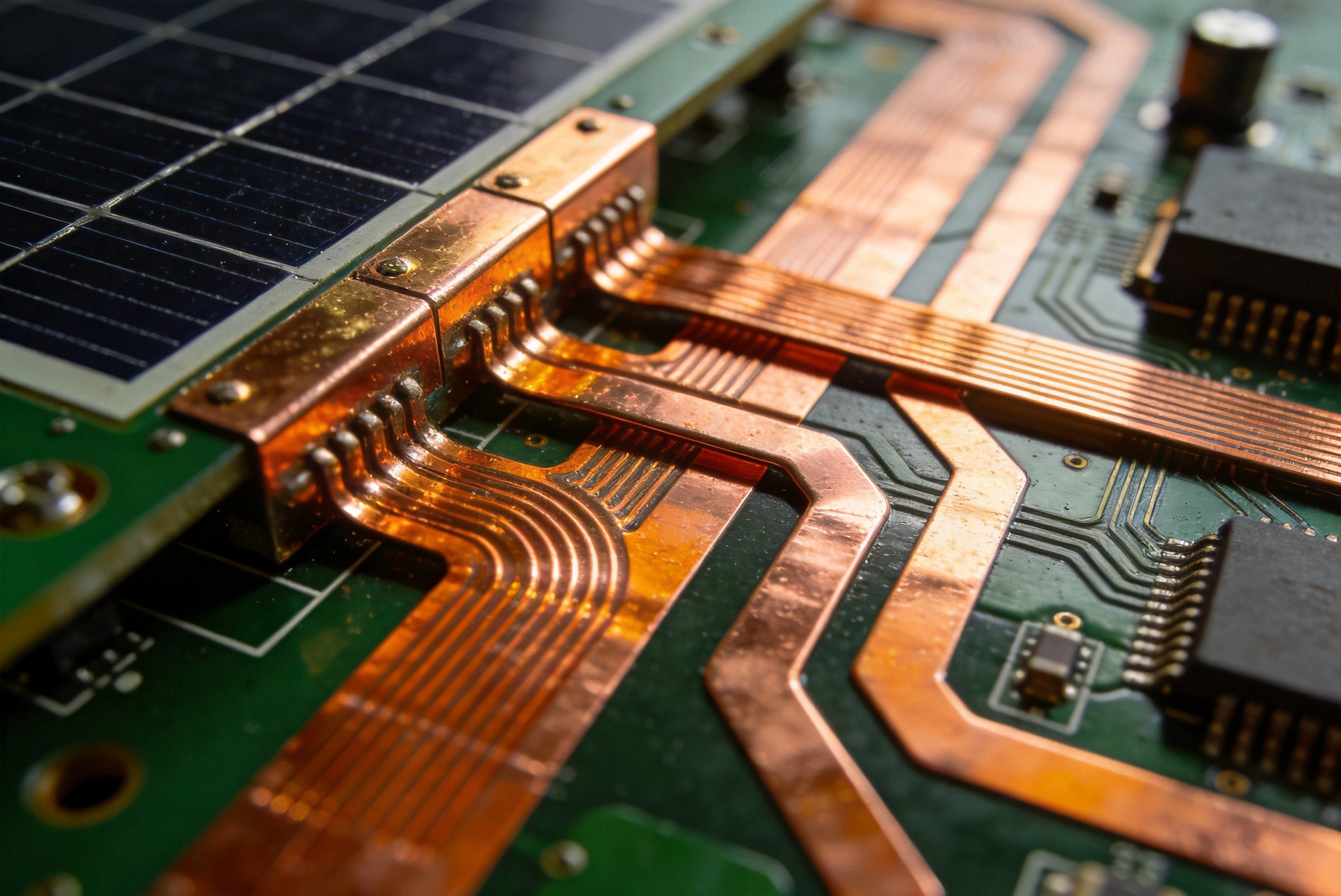
A Deep Dive into High Current PCB Design for Solar Inverters July/17/2026 Solar inverters operate at the heart of photovoltaic systems, converting DC power from panels into AC power for homes and grids. This conversion process demands PCB designs that can handle substantial current flows — sometimes exceeding 50 or even 100 amps — without overheating, voltage drop, or p...
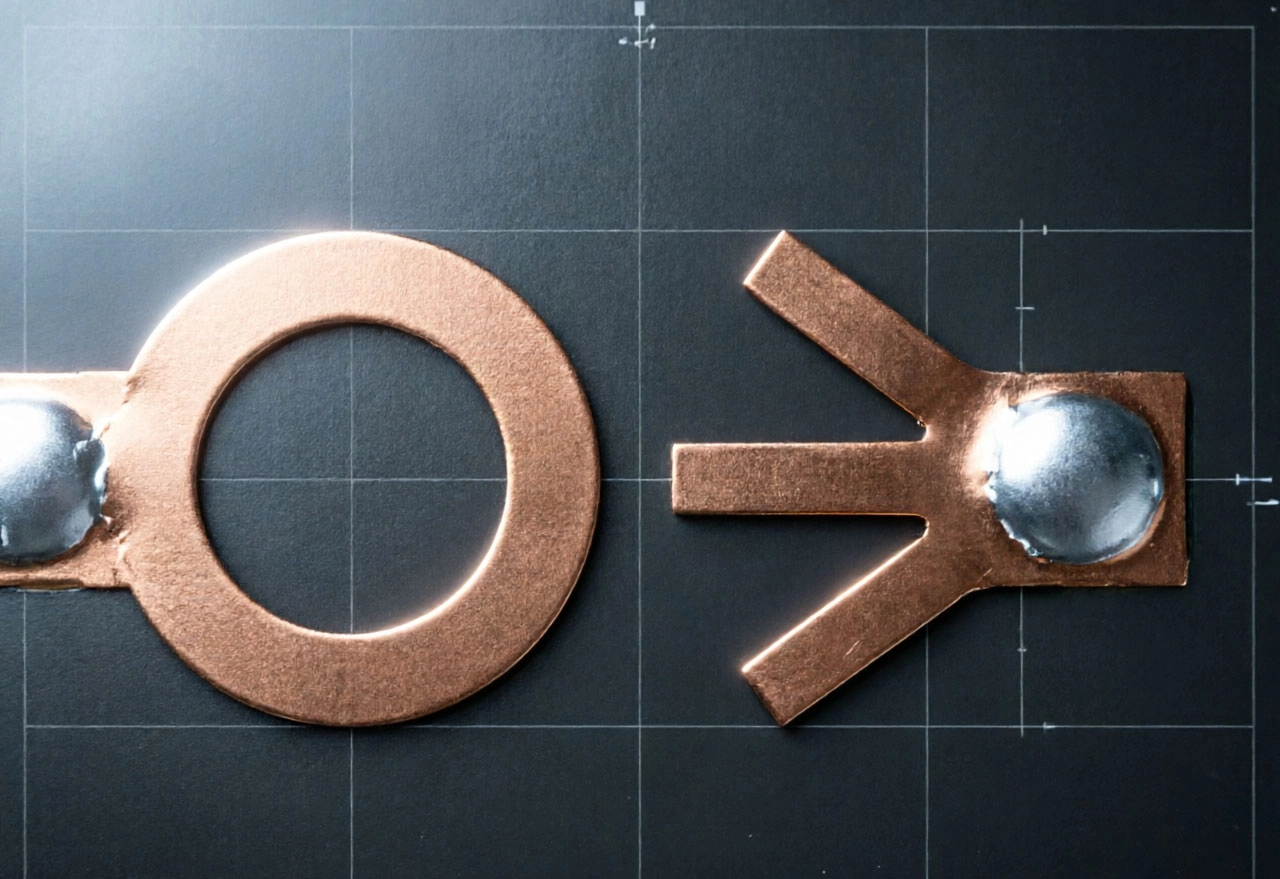
High Current PCB Thermal Relief: Full Connect vs. Modified Spokes July/16/2026 Power electronics place unique demands on printed circuit board design. When currents exceed a few amperes, thermal management becomes as critical as electrical performance. Thermal relief pads—the connections between component pads and copper planes—serve double duty: they must conduct heat effec...
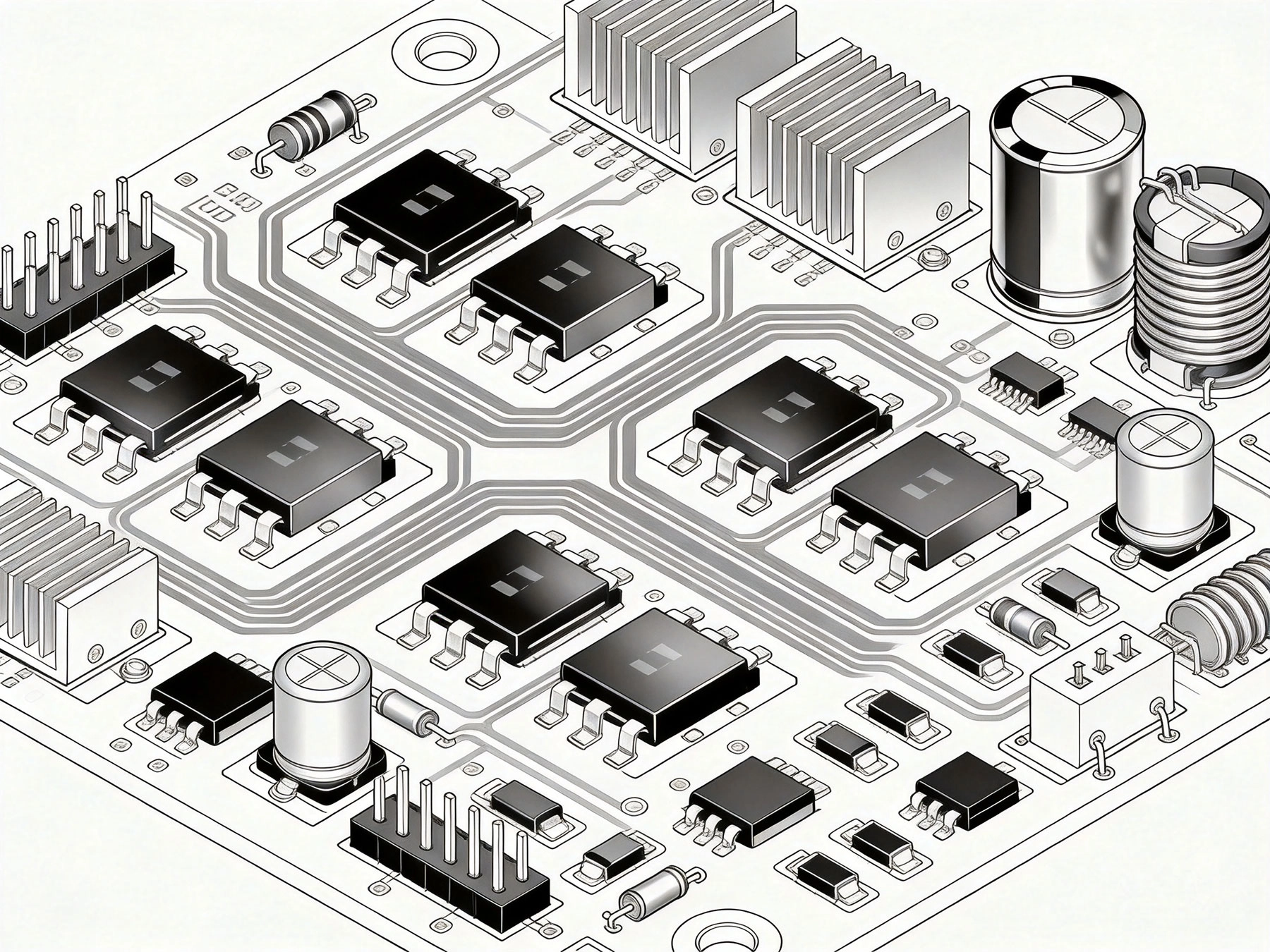
Designing a High Current PCB Motor Driver: Avoiding EMI Pitfalls July/14/2026 EMI problems in motor driver designs can cause system failures, regulatory rejections, and weeks of expensive debugging. Motor drivers are among the most EMI-challenging circuits you'll ever design. High currents switching at tens of kilohertz create perfect conditions for electromagnetic inter...
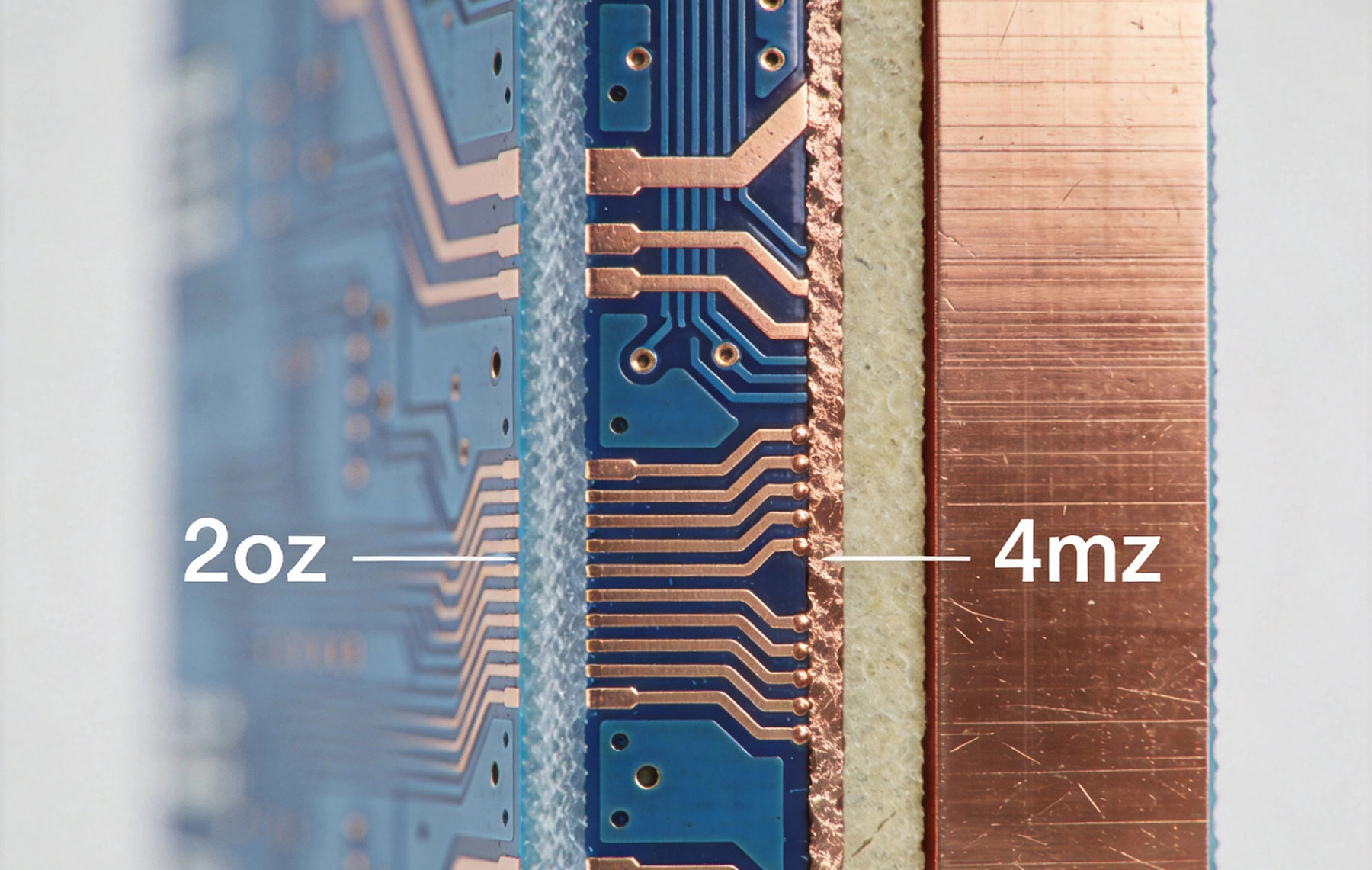
2oz vs. 4oz Copper: Which is Best for Your High Current PCB? July/10/2026 When designing printed circuit boards for high current applications, copper thickness becomes a critical decision that impacts everything from electrical performance to thermal management and manufacturing cost. The choice between 2oz and 4oz copper thickness can determine whether your power elect...
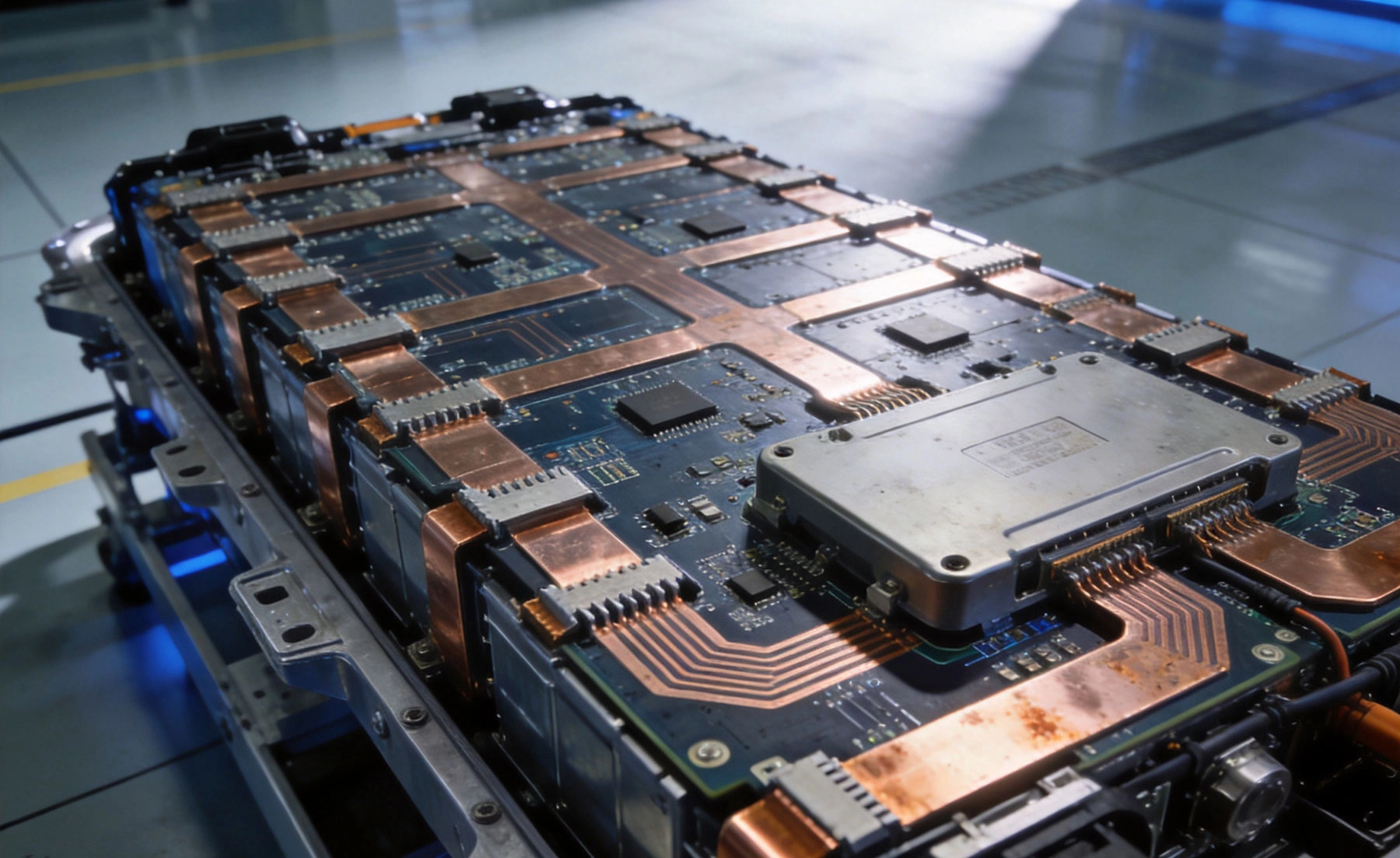
Designing a 100A High Current PCB for EV Battery Management Systems July/09/2026 Designing a PCB that handles 100 amperes of continuous current is not a straightforward scaling exercise from a 10-ampere board. At 100 amperes, the physics of electrical resistance, thermal management, and electromagnetic interference all become simultaneously critical in ways that reshape every ...