

Proper design prevents issues like overheating, voltage drops, and potential failures, ensuring optimal performance in demanding environments.
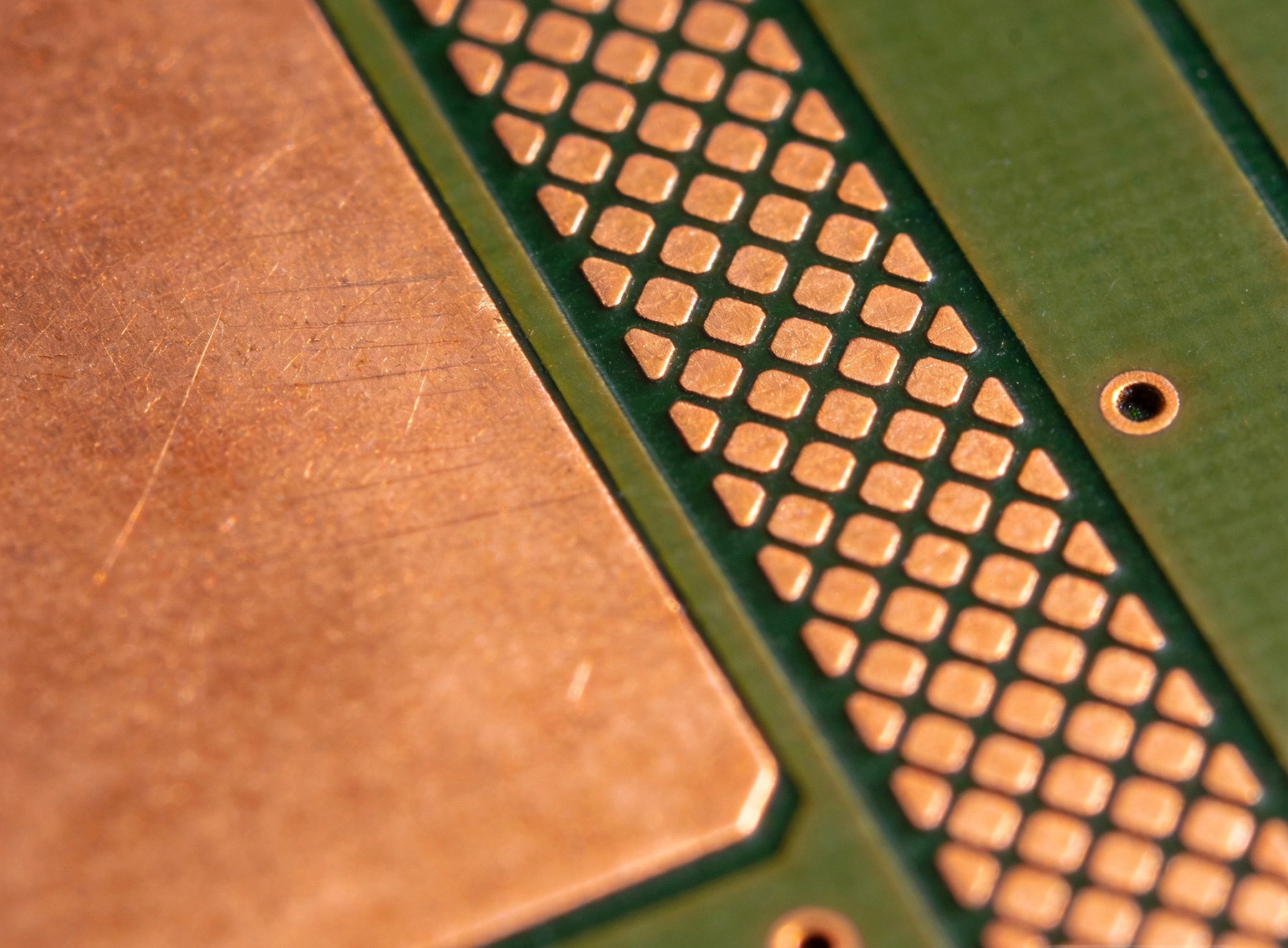
High Current PCB Copper Fill: Solid Pour vs. Hatched Pattern PerformanceSeptember/17/2026In power electronics PCB design, how you fill unused board area with copper matters more than most engineers realize. The choice between a solid copper pour and a hatched (crosshatch) copper pattern is not purely aesthetic—it directly impacts current carrying capacity, thermal dissipation, EMI shi...
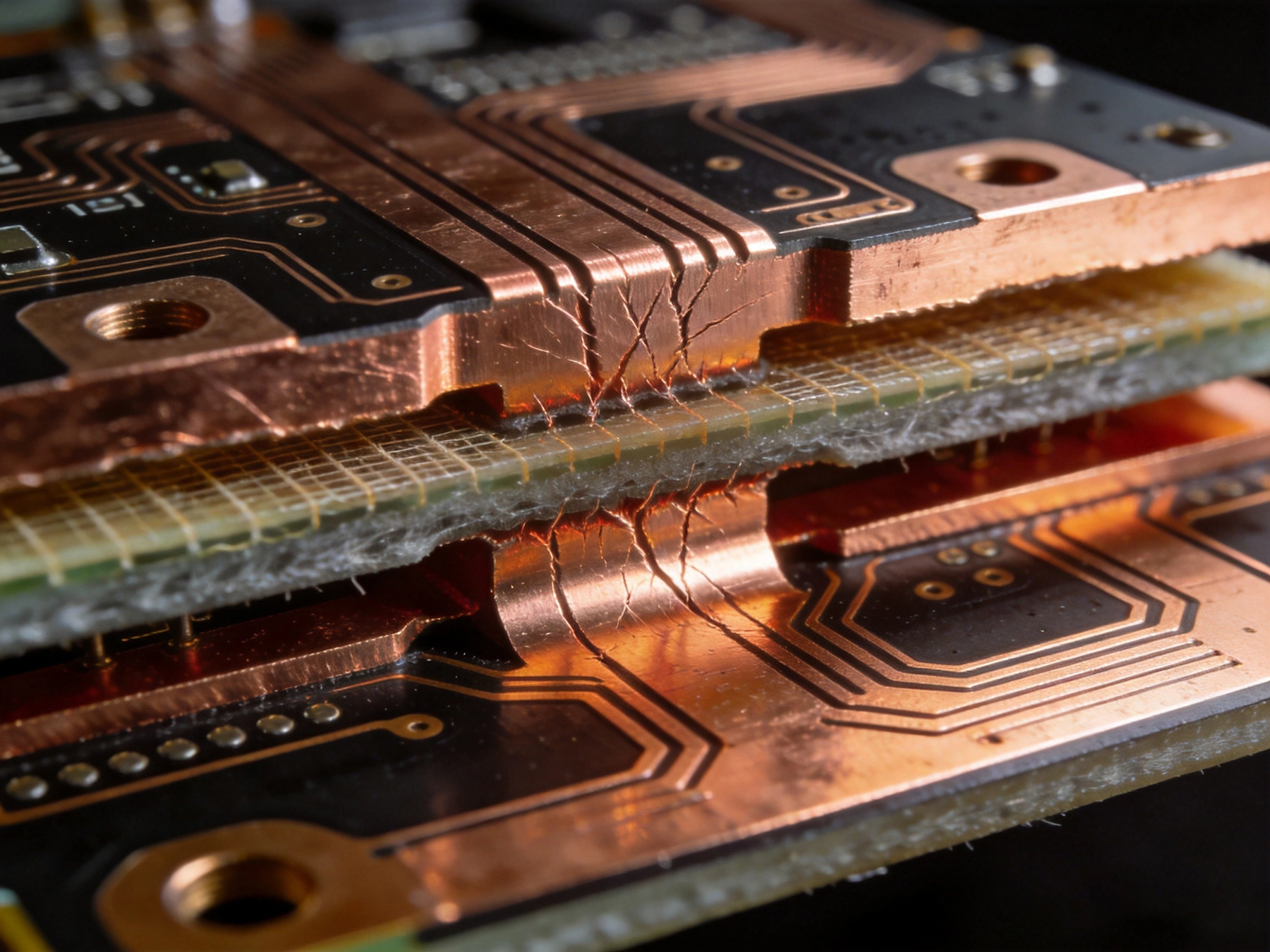
High Current PCB Copper Balancing: Preventing Warpage in Heavy Copper BoardsSeptember/07/2026Heavy copper PCBs power everything from electric vehicle chargers to industrial motor drives, carrying currents that would destroy standard circuit boards. Yet the very copper that makes these boards capable of handling high amperage also creates one of the most persistent manufacturing challenges...
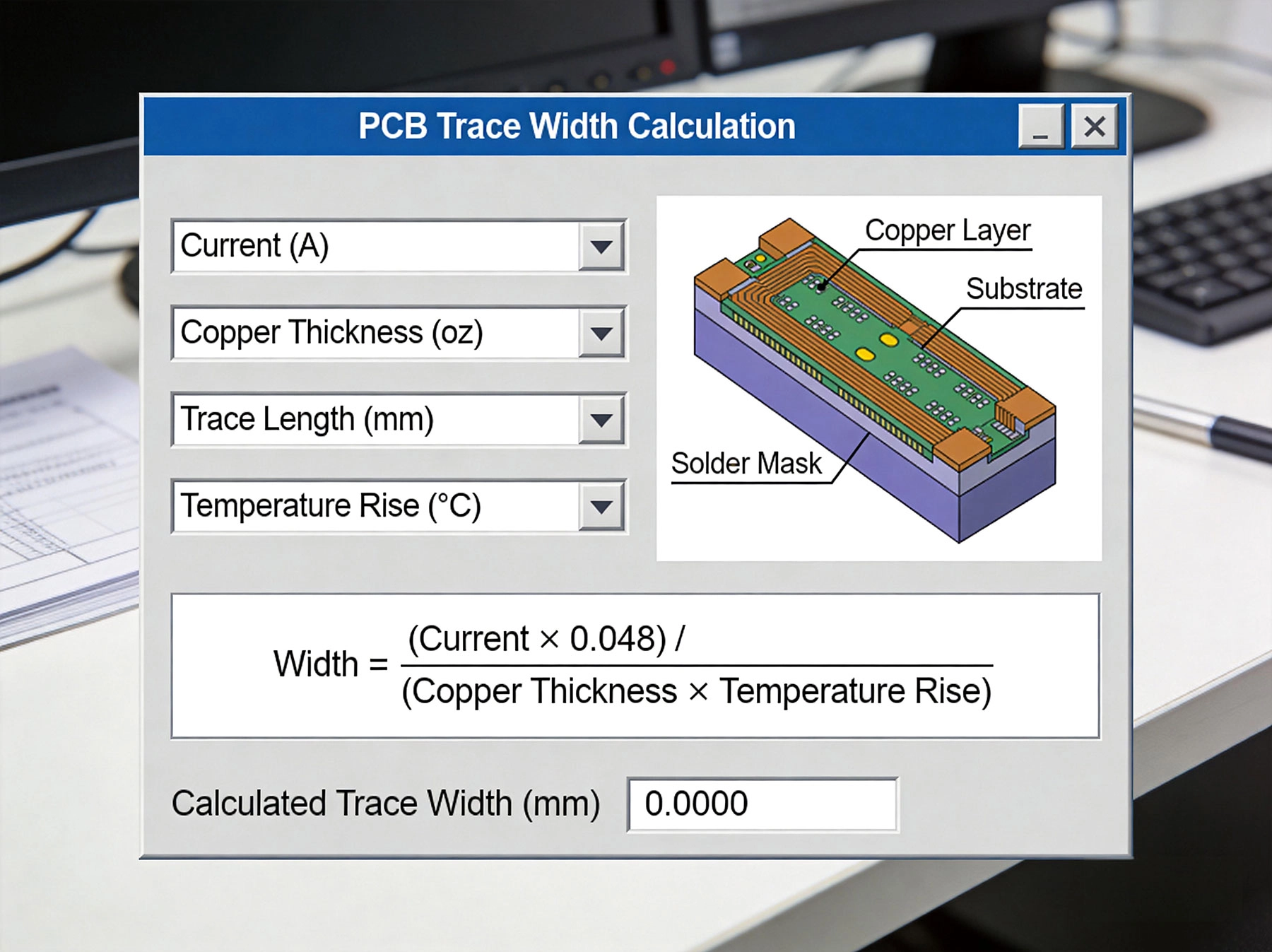
High Current PCB Trace Width Calculator: Complete Guide with Formulas and ExamplesMay/20/2026Accurate trace width calculations are essential for reliable high-current PCB designWhy You Need a PCB Trace Width CalculatorWhen designing power electronics, motor controllers, or any application with currents above 1 ampere, guessing trace widths isnt an option. A trace thats too narrow...
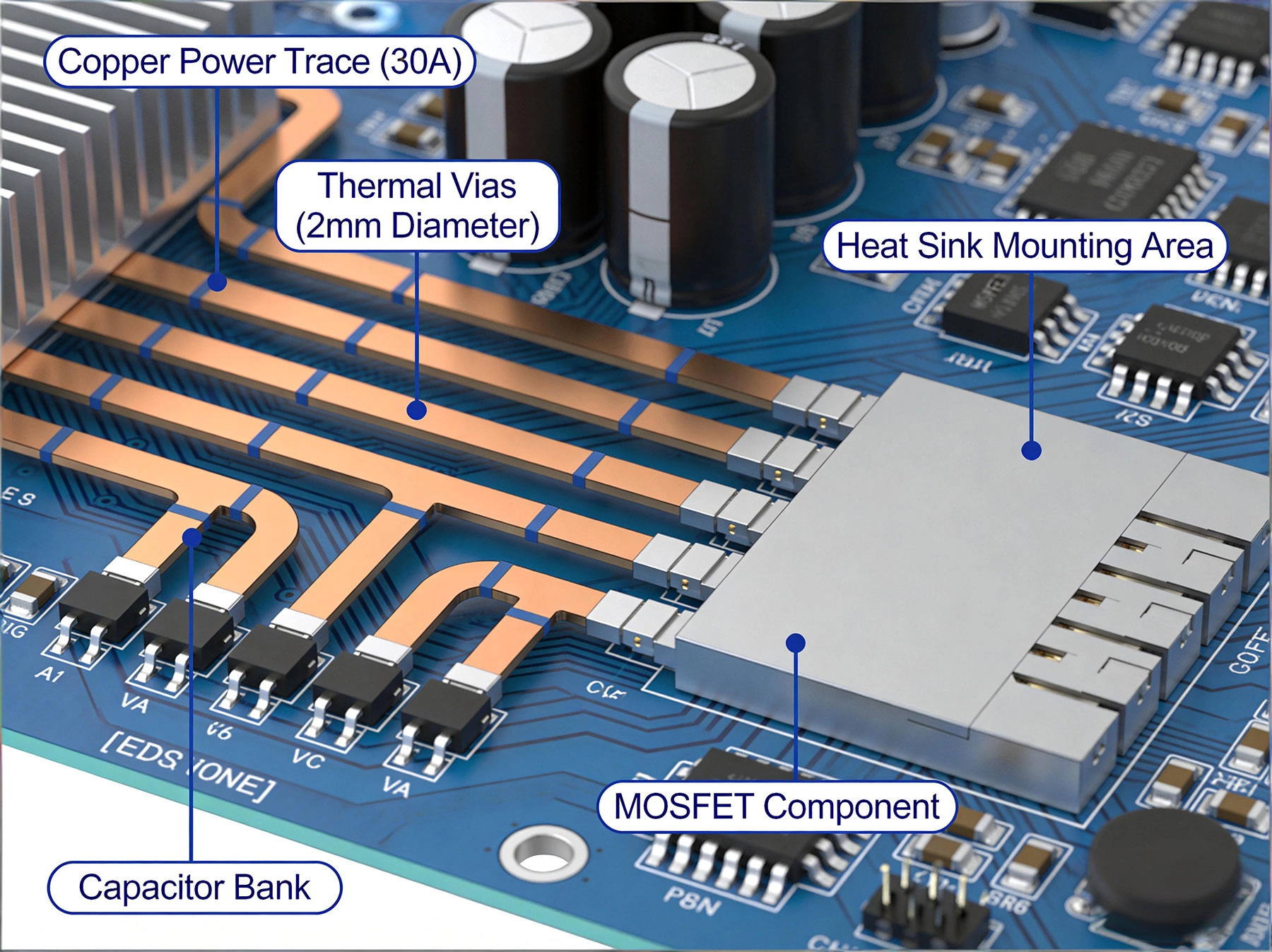
How to Design High Current PCB Traces: A Complete GuideMay/20/2026Properly designed high current PCB traces ensure reliable power delivery in demanding applicationsUnderstanding the Challenges of High Current PCB DesignWhen your designing PCBs for power electronics, motor drivers, or high-current applications, the traces become critical components rathe...