

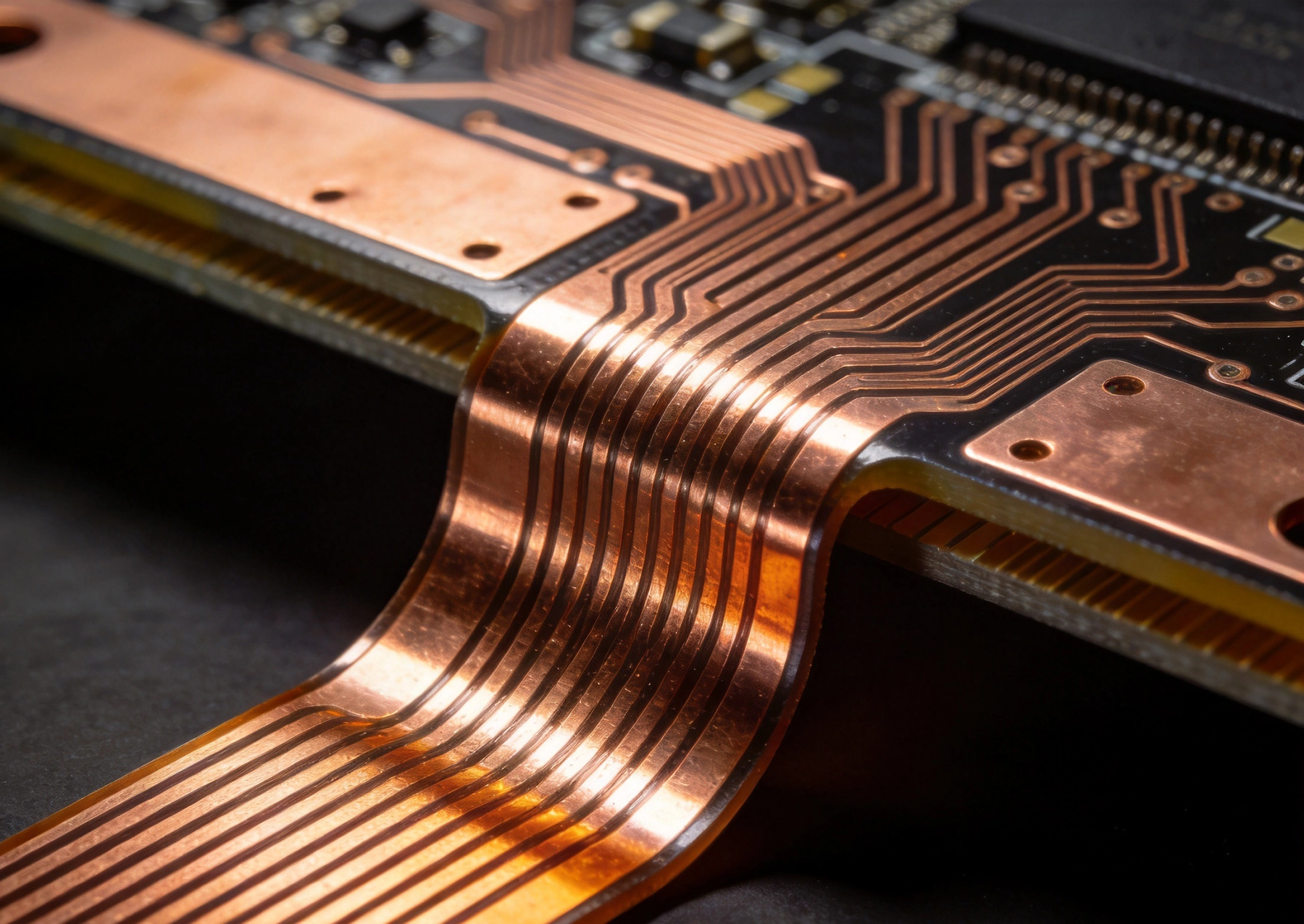
High Current PCB Flex-Rigid: Current Capacity in Bend Areas October/09/2026 Rigid-flex PCBs solve real packaging problems. They eliminate connectors, reduce weight, and enable three-dimensional packaging that rigid boards alone can't achieve. But when you need to carry significant current—power for motors, battery systems, or high-wattage loads—through the flexible portio...
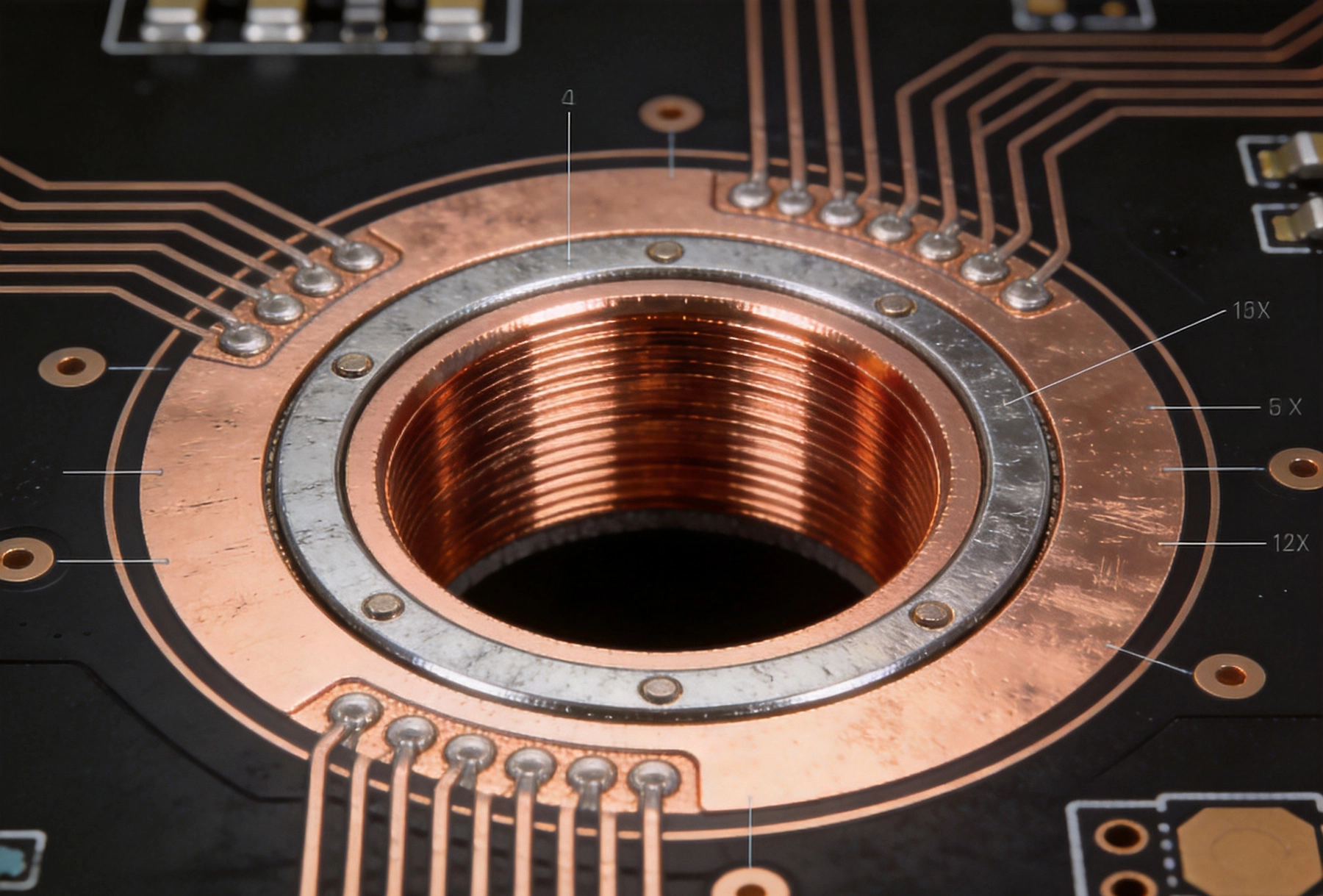
High Current PCB Annular Rings: Minimum Size vs. Reinforced Size August/12/2026 In high-current PCB design, every detail matters when it comes to ensuring reliability and performance. The annular ring, the copper pad surrounding a plated through-hole, plays a critical role in both electrical connectivity and mechanical integrity. For low-current applications, standard annular...
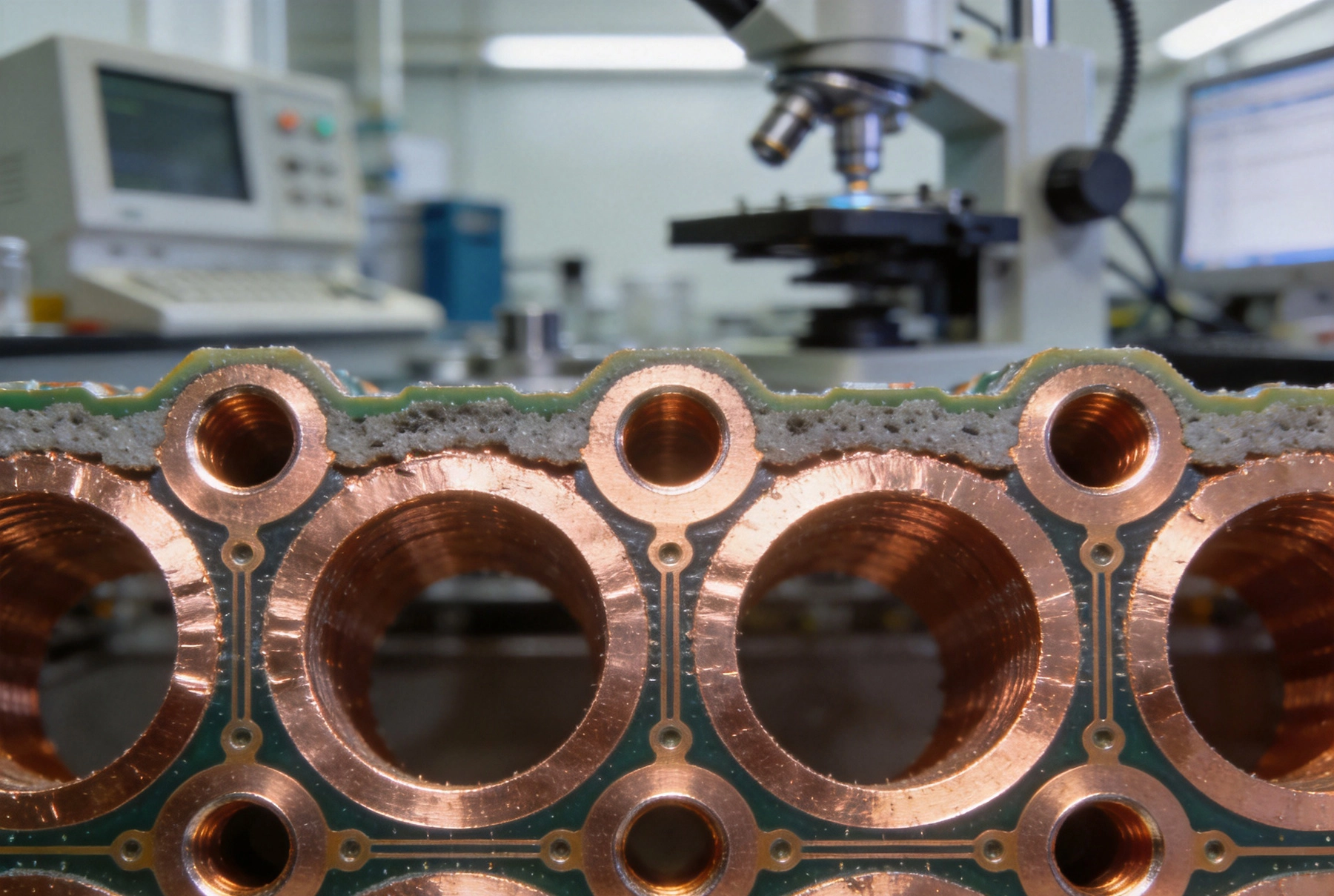
High Current PCB Via Plating: 1mil vs. 2mil Thickness Reliability Test August/03/2026 Via plating thickness represents one of the most consequential specifications in high current PCB design. When engineers design power distribution networks for automotive motor drives, industrial motor controllers, or server power supplies, the copper plating inside plated through-holes carries cu...

High Current PCB Bus Bars vs. Heavy Copper Traces: Cost and Performance July/25/2026 Power electronics design presents unique challenges that differ fundamentally from signal-level circuit design. When current requirements climb above 10 or 20 amps, the humble copper trace that works perfectly for data signals becomes a liability. Engineers designing high current power delivery sy...

High Current PCB Testing: Thermal Imaging vs. 4-Wire Kelvin Measurement July/22/2026 High current PCB testing presents unique challenges that demand specialized measurement techniques. As electronics push toward higher power densities and increased current carrying requirements, accurate assessment of PCB current capacity, voltage drop, and thermal performance becomes critical for...
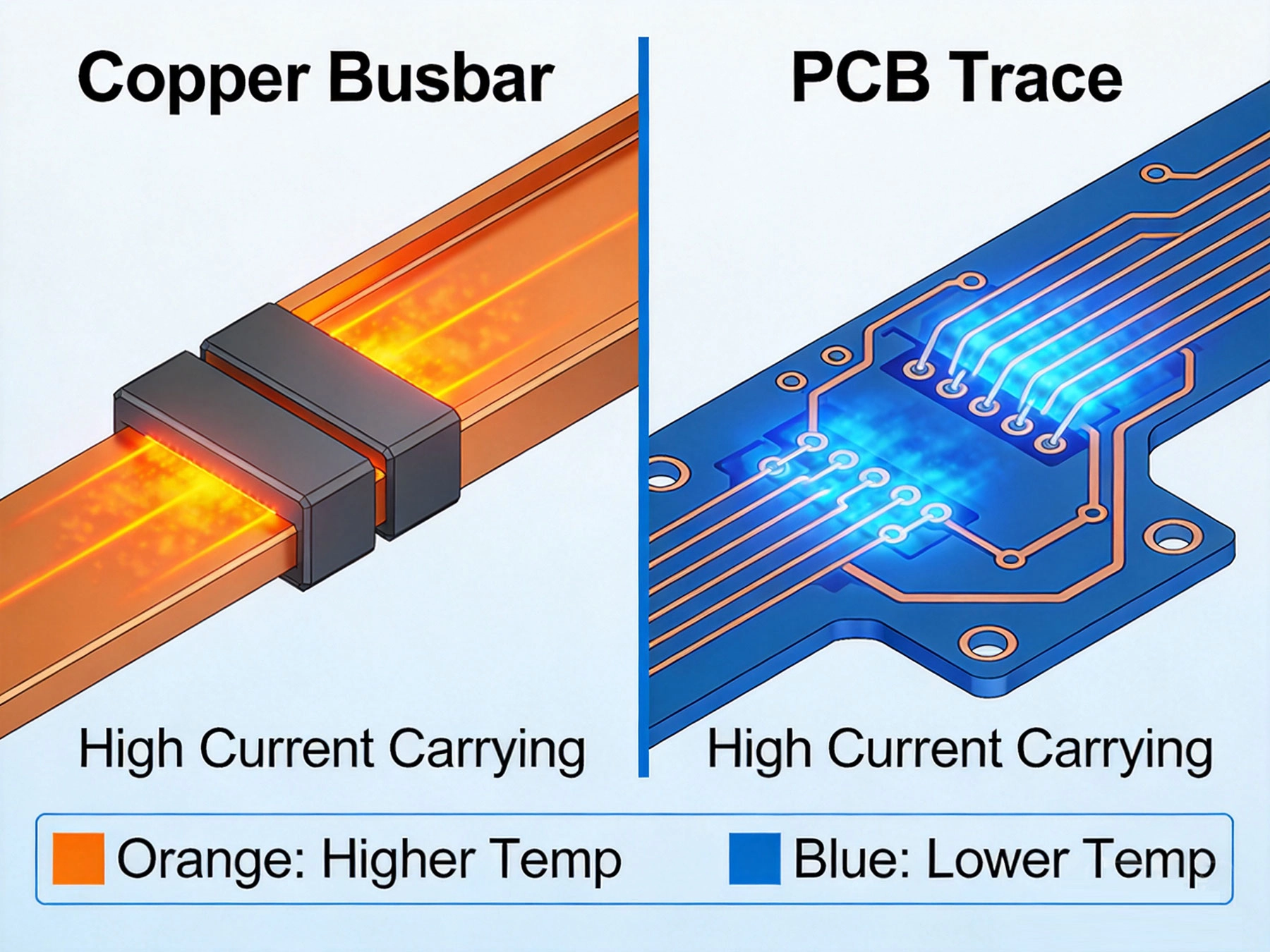
Bus Bar vs PCB Trace for High Current May/21/2026 A manufacturing engineer's reality check on when to use each approach The Phone Call That Changed Our Approach Three years ago, a client called me at 11 PM, stressed about production costs. They had designed a 200A power distribution board using heavy copper PCB traces. Their contract...
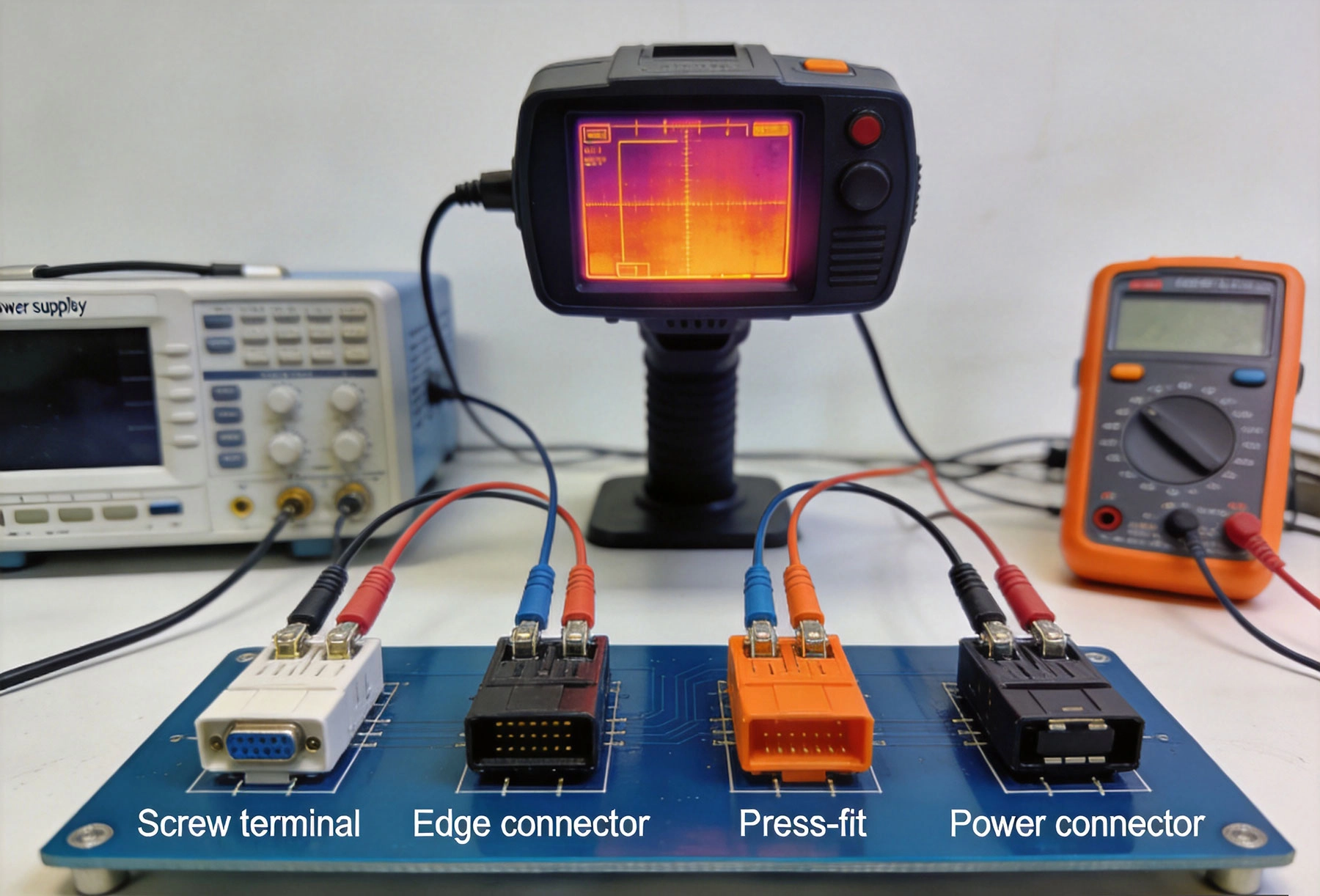
High Current PCB Connector Selection: Test Results and Real Performance Data May/21/2026 12 months of continuous testing across 4 connector types. The data challenges conventional wisdom. The Test Setup We tested 4 different high current connector types under identical conditions for 12 months. Each connector type was subjected to continuous current cycling, thermal stres...
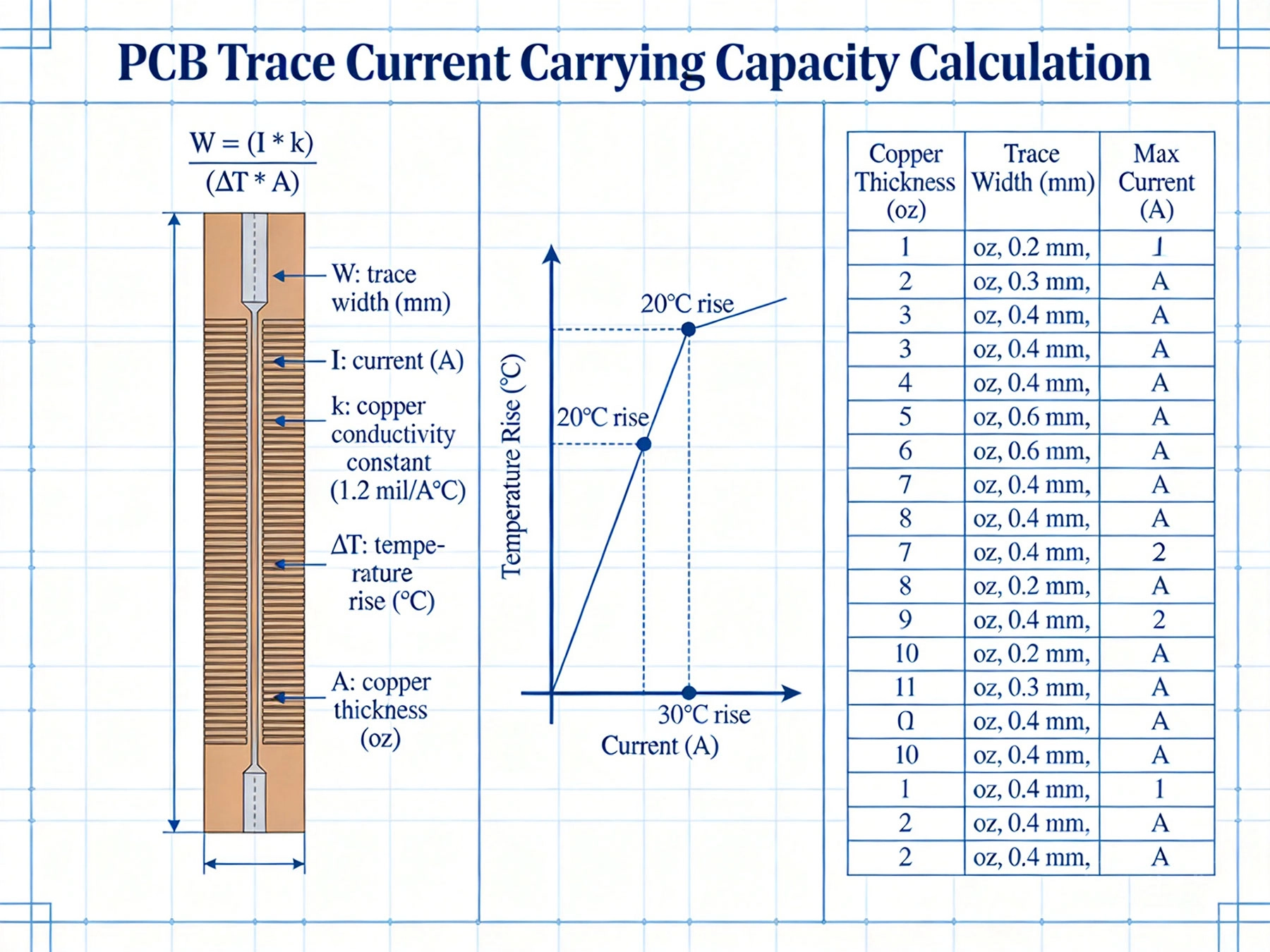
IPC-2152 Current Carrying Capacity: The Definitive PCB Trace Calculator Guide May/21/2026 Why smart engineers stopped using trace width calculators—and started understanding the physics Why IPC-2152 Changes Everything For decades, PCB designers relied on IPC-2221 (formerly MIL-STD-275) trace width charts. The problem? Those charts were derived empirically in the 1950s...