

High Current PCB EMI Shielding: Ground Pour vs. Shielding Cans August/14/2026 Electromagnetic Interference (EMI) represents one of the most critical design challenges in high current PCB applications ranging from power supplies and motor drives to renewable energy inverters and electric vehicle systems. The high dV/dt and dI/dt rates inherent in switching power electronic...
High Current PCB Conformal Coating: Protecting Solder Joints Under Thermal Stress August/06/2026 High-current power electronics operate in demanding environments where thermal cycling, vibration, and environmental exposure combine to threaten reliability. While engineers carefully select components and design robust circuits, the protection of solder joints under thermal stress often receives...
High Current PCB Solder Joints: Wave Soldering vs. Selective Soldering July/15/2026 Power electronics push current levels that consumer gadgets never encounter. When amperage climbs past 5A, 10A, or even 100A, the humble solder joint becomes a critical design element. Get it wrong, and you face field failures, thermal runaway, or safety hazards. If you're designing high-curren...
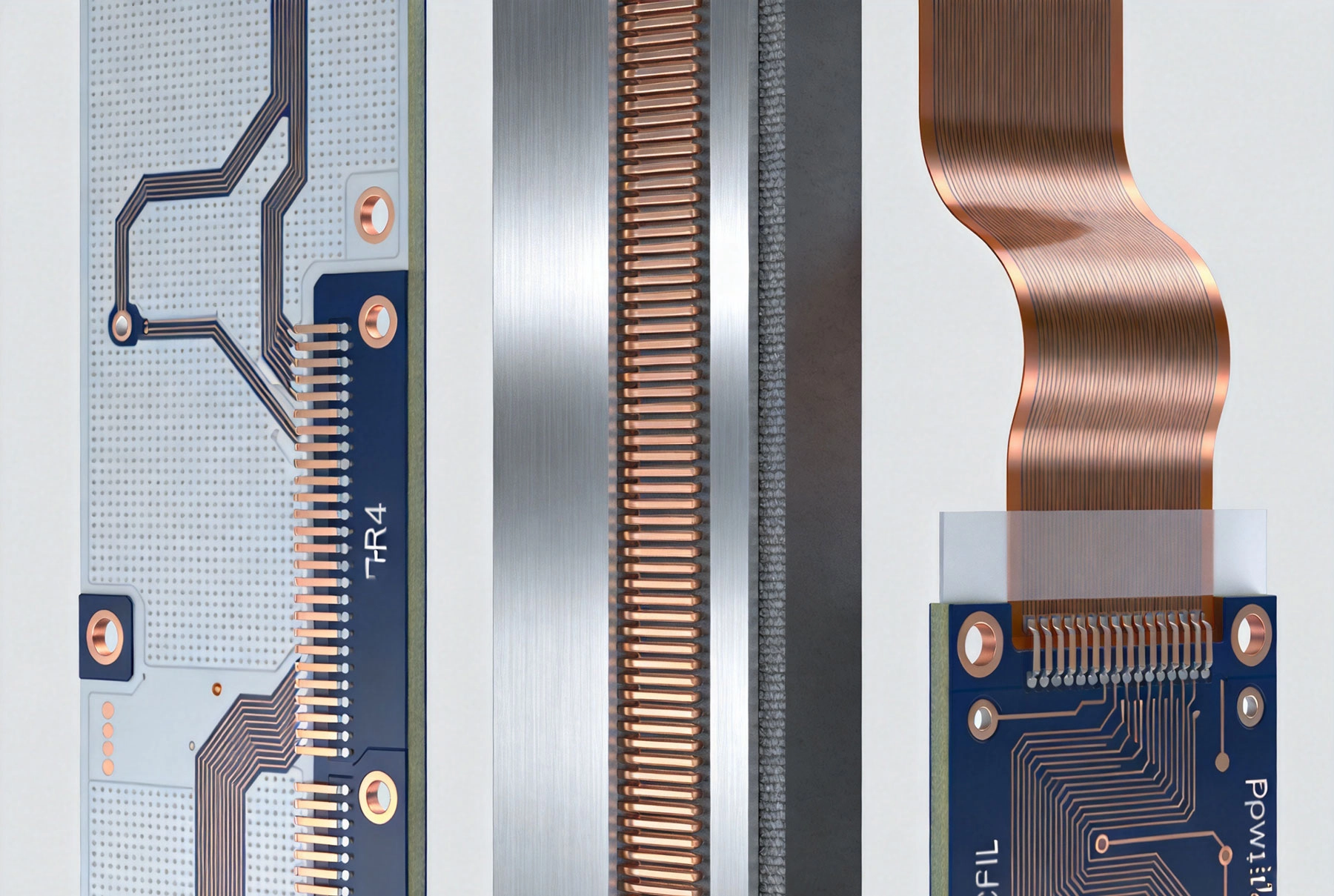
High Current PCB Material Showdown: FR4 vs. Metal-Core vs. Polyimide July/14/2026 Choosing the wrong PCB material for high current applications can lead to thermal failures, delamination, and catastrophic board damage. When your PCB design carries more than 2-3 amps per trace, material selection becomes critical. Standard FR4 works fine for most electronics, but high current...
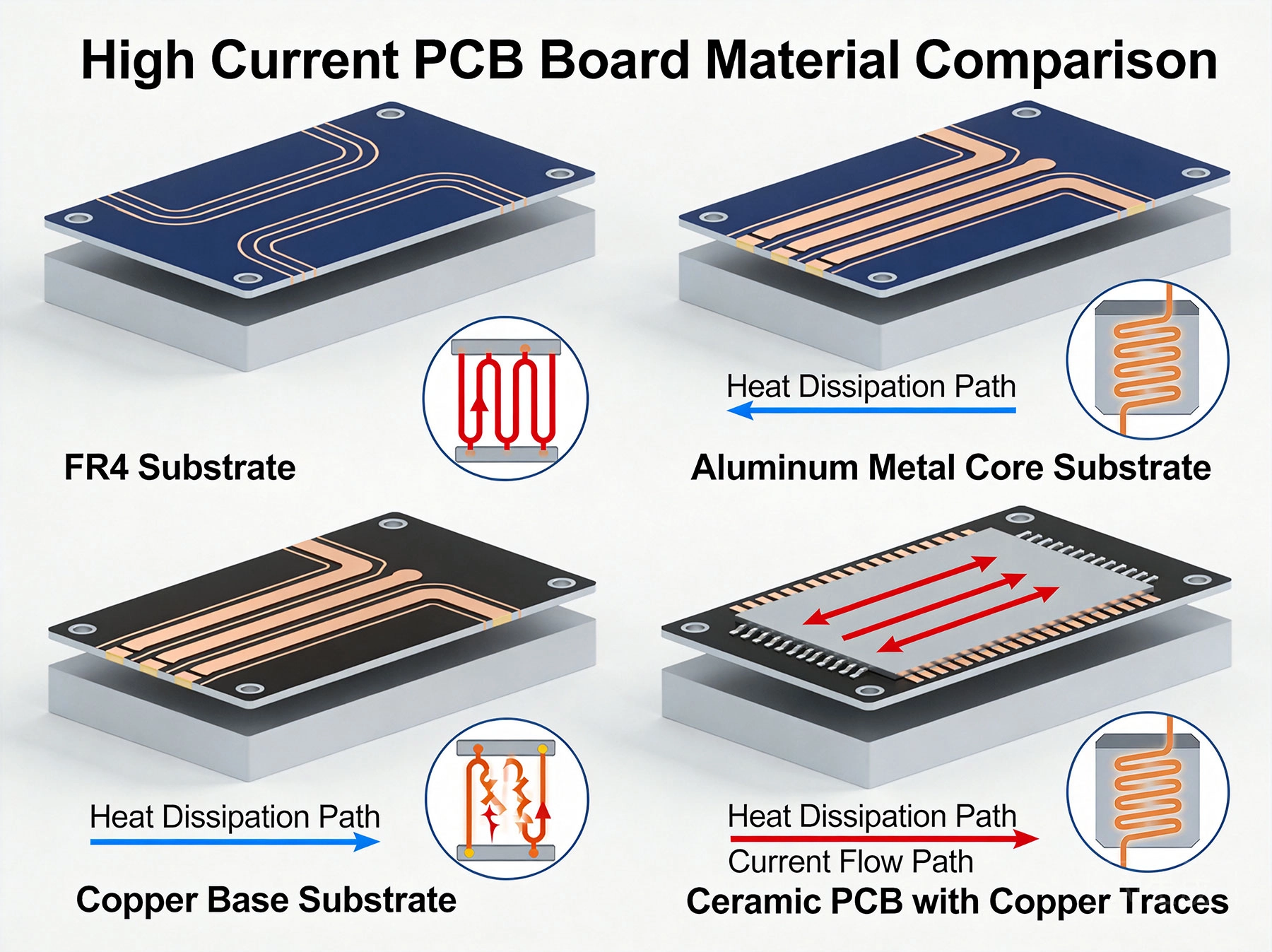
Best Material for High Current PCB Design: How to Choose the Right Substrate June/05/2026 Power electronics are everywhere—from electric vehicle charging stations to industrial motor drives, from solar inverters to server power supplies in data centers. These systems transmit large currents, and heat is generated when current flows through PCB traces. If the materials are not properly ...
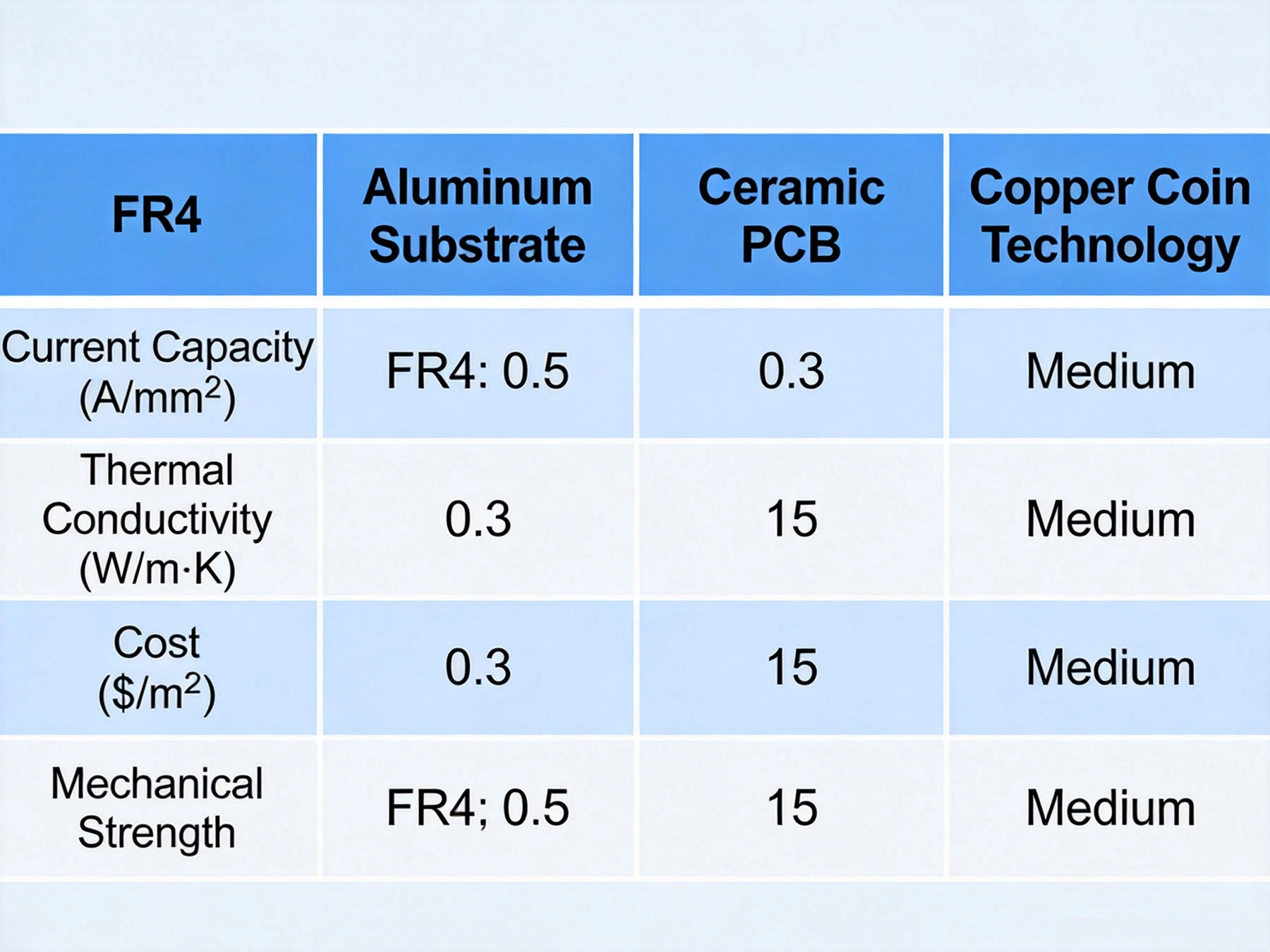
Best Material for High Current PCB Design May/21/2026 A practical selection guide based on current capacity, thermal needs, and budget constraints The Material Choice Dilemma I once spent three weeks redesigning a 100A motor controller because I chose the wrong PCB material. Standard FR-4 couldn't handle the thermal load, and the board d...
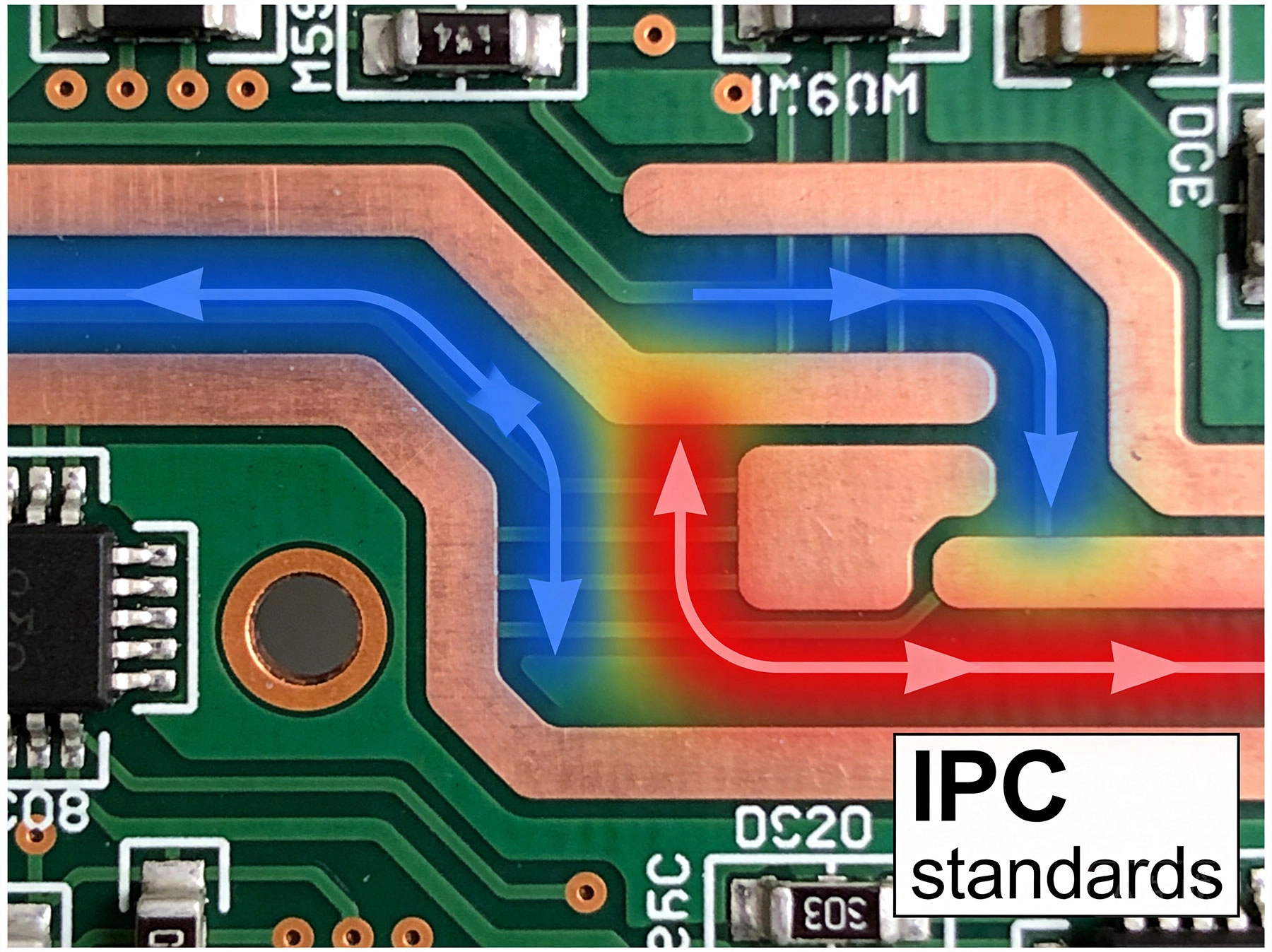
How Much Current Can a PCB Trace Carry? Complete Engineering Guide May/20/2026 Understanding PCB trace current capacity is essential for designing reliable power circuits Introduction: The Critical Question in PCB Power Design Every electronics engineer eventually asks: how much current can this PCB trace actually handle? It's not an academic question - get it wrong, ...