

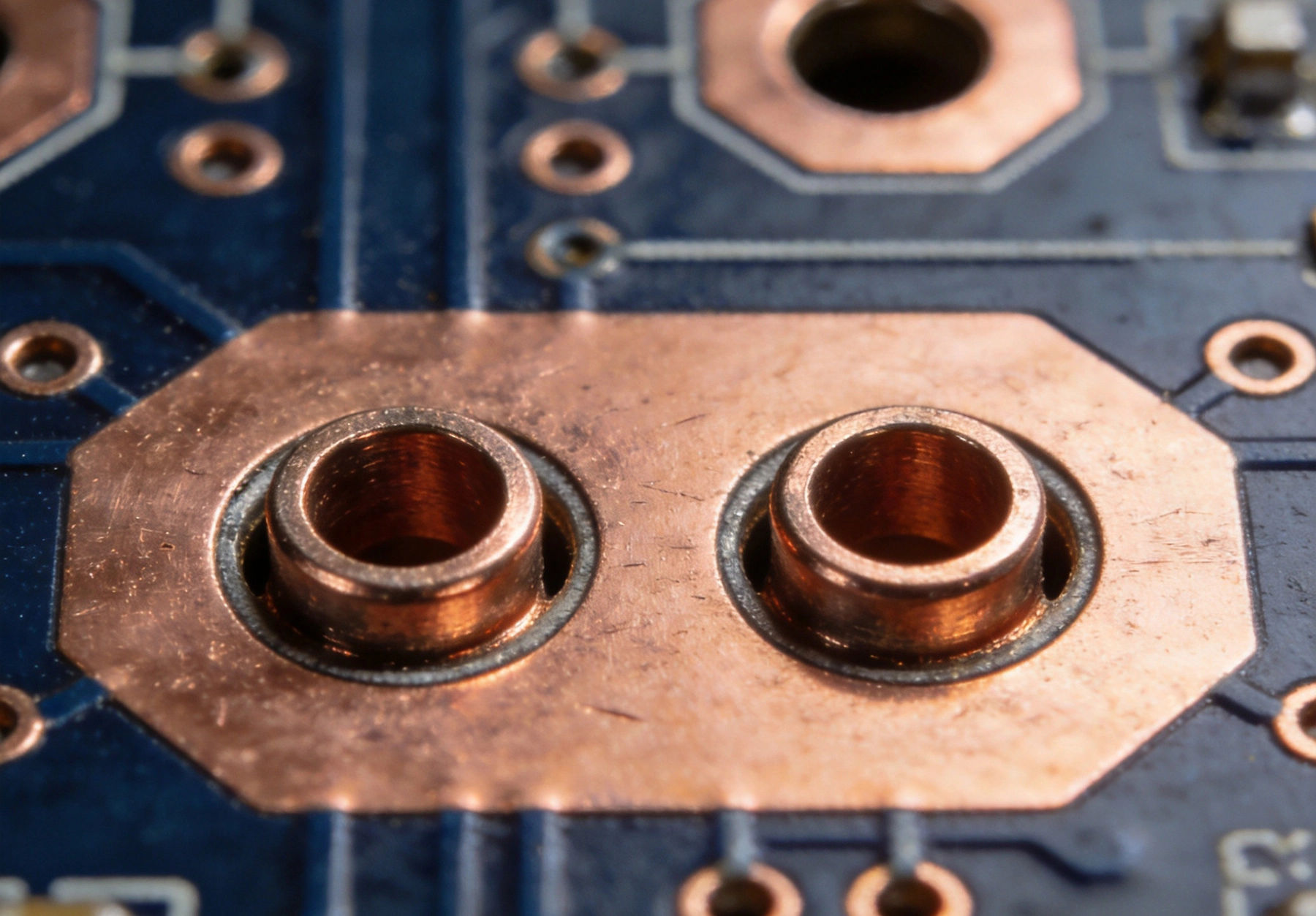
High Current PCB Mounting Holes: Plated vs. Non-Plated for Current Return September/29/2026 Mounting holes on printed circuit boards serve a dual purpose that many designers overlook: they secure the board to its chassis or enclosure, and when properly designed, they can also serve as critical current return paths between the PCB ground plane and the system chassis ground. For high-power...
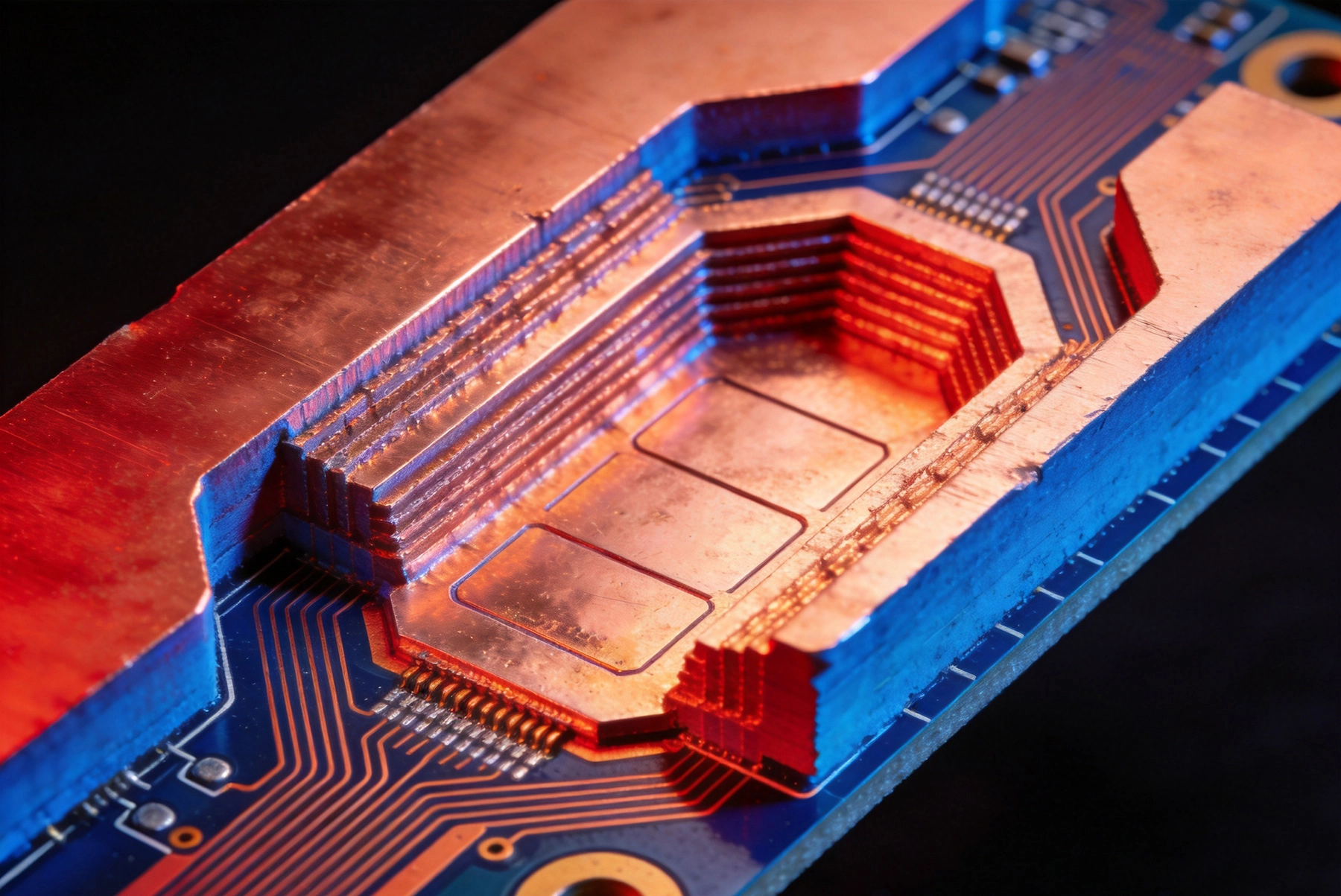
High Current PCB Embedded Copper: Internal vs. External Heat Dissipation September/26/2026 In power electronics, managing heat is as important as managing current. A trace that can carry 20 amps on paper may fail in practice if the heat generated by I²R losses cannot escape the board fast enough. This is where the choice between internal embedded copper and external heavy copper becomes...
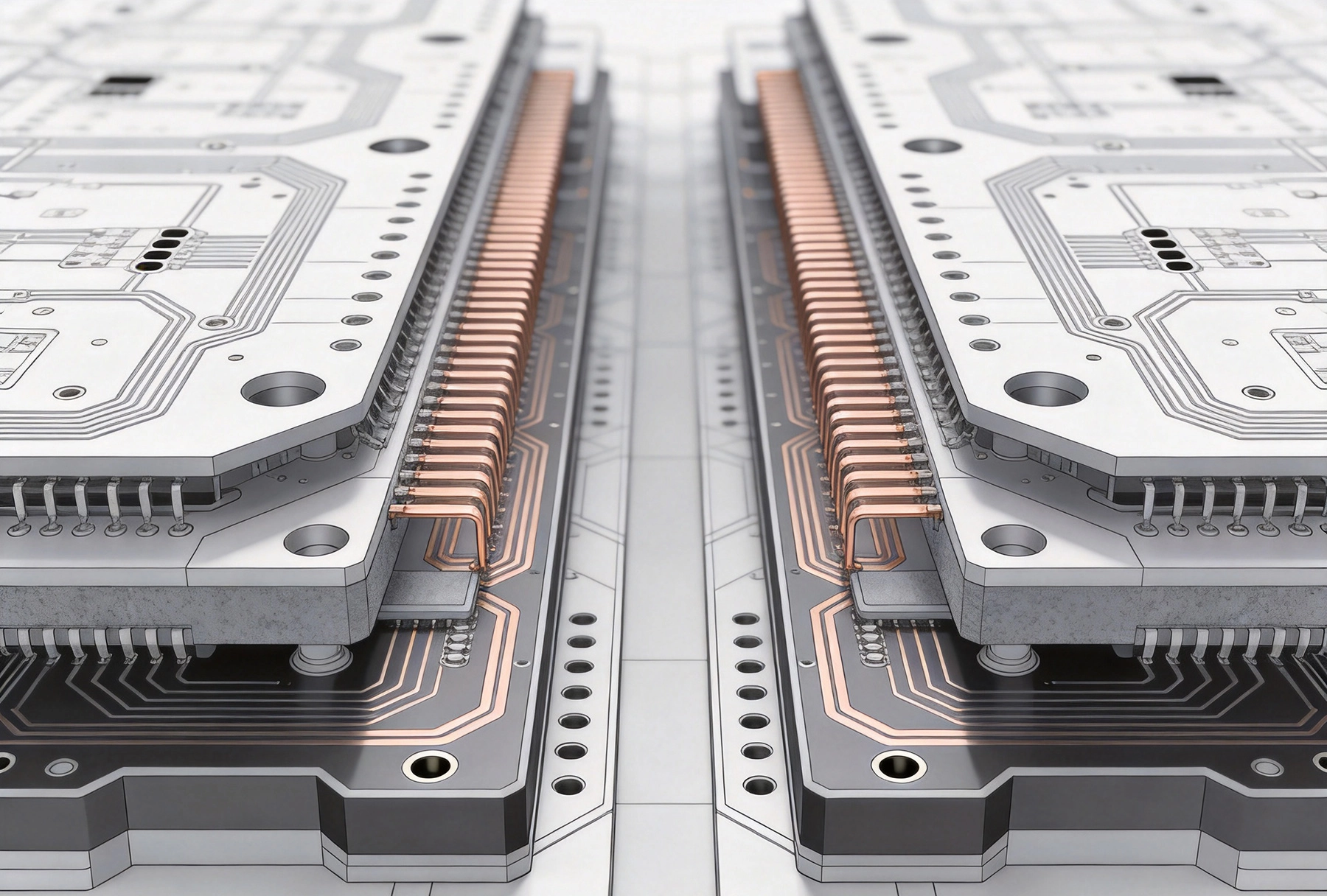
High Current PCB Layer Stackup: Symmetrical vs. Asymmetrical Power Planes July/20/2026 Power distribution in multilayer PCBs presents design challenges that differ fundamentally from signal-integrity-focused boards. When your design must carry significant current—tens of amps or more—the choices you make about layer arrangement, plane geometry, and stackup symmetry directly determin...
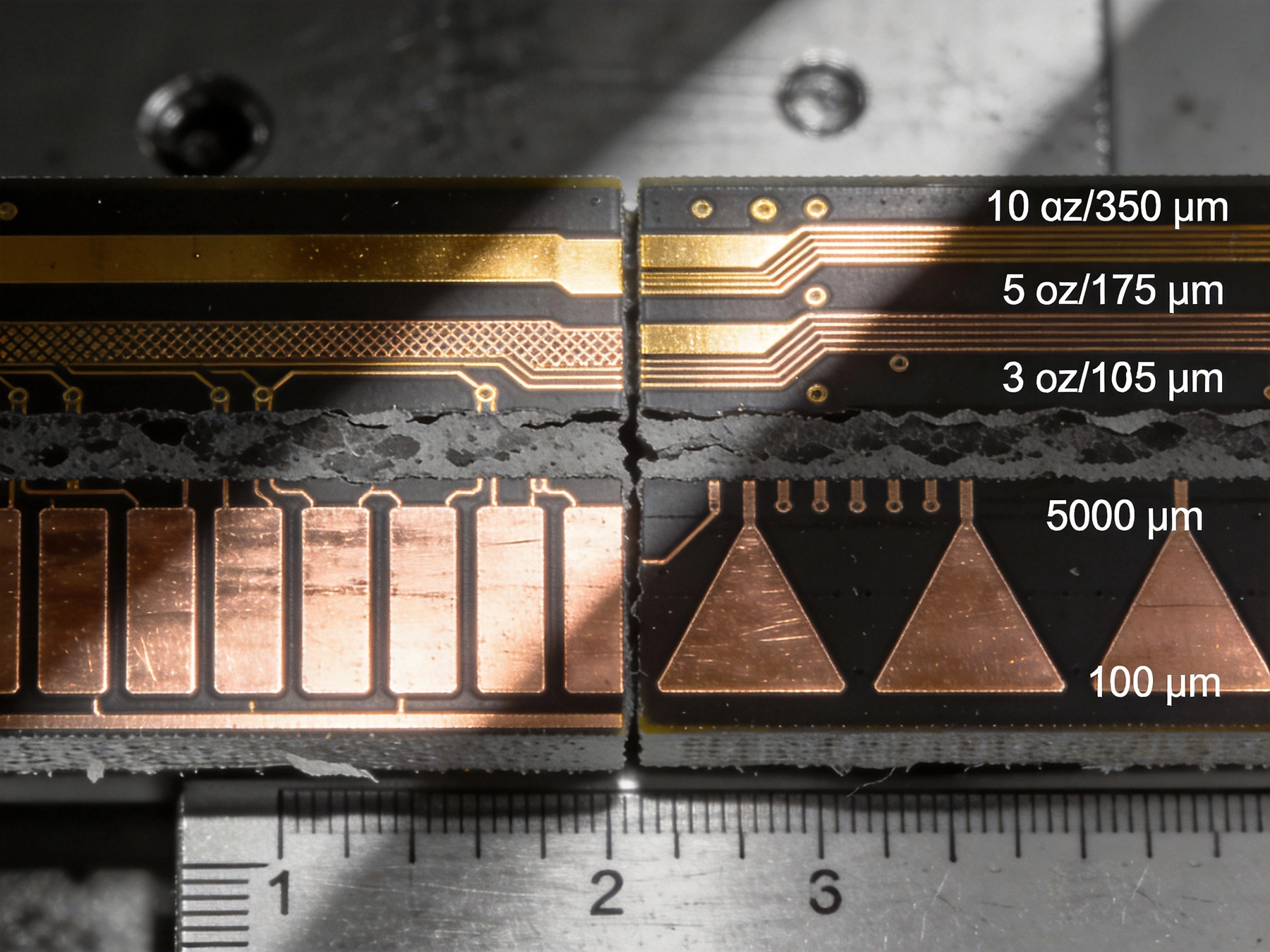
Cost Comparison: 2oz vs 4oz Copper PCB — What You Need to Know June/26/2026 Copper weight selection stands among the most consequential decisions in power electronics PCB design. The choice between 2oz and 4oz copper affects everything from current-carrying capacity and thermal performance to manufacturing cost and fabrication complexity. Yet many engineers and product ma...