

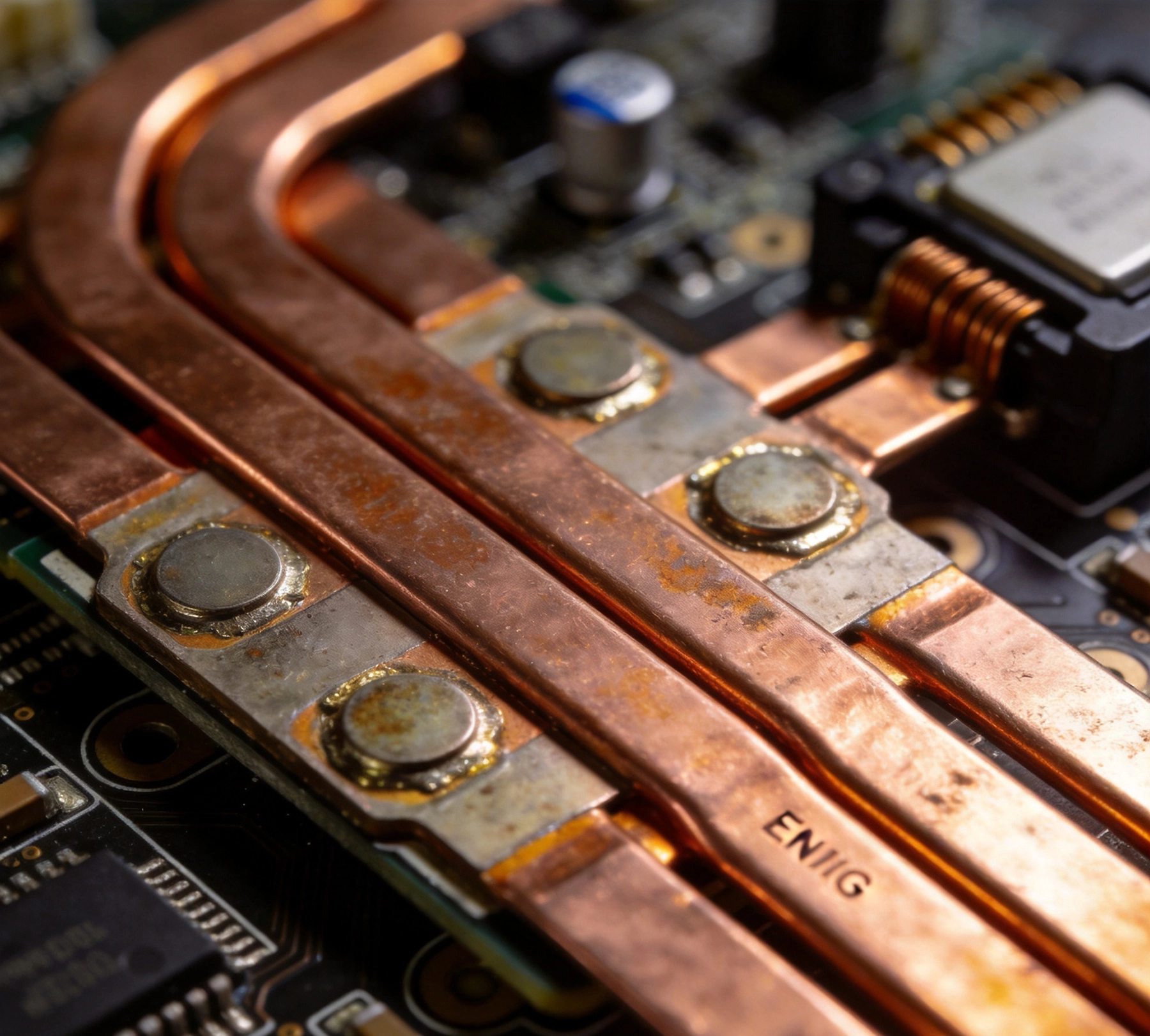
High Current PCB Surface Finish: ENIG vs. HASL for High Current PadsSeptember/23/2026High current PCB design presents unique challenges that standard surface finish selections may not address. When your board needs to carry tens or hundreds of amperes through power traces and pads, surface finish choice affects current carrying capacity, thermal performance, and long-term reliabil...
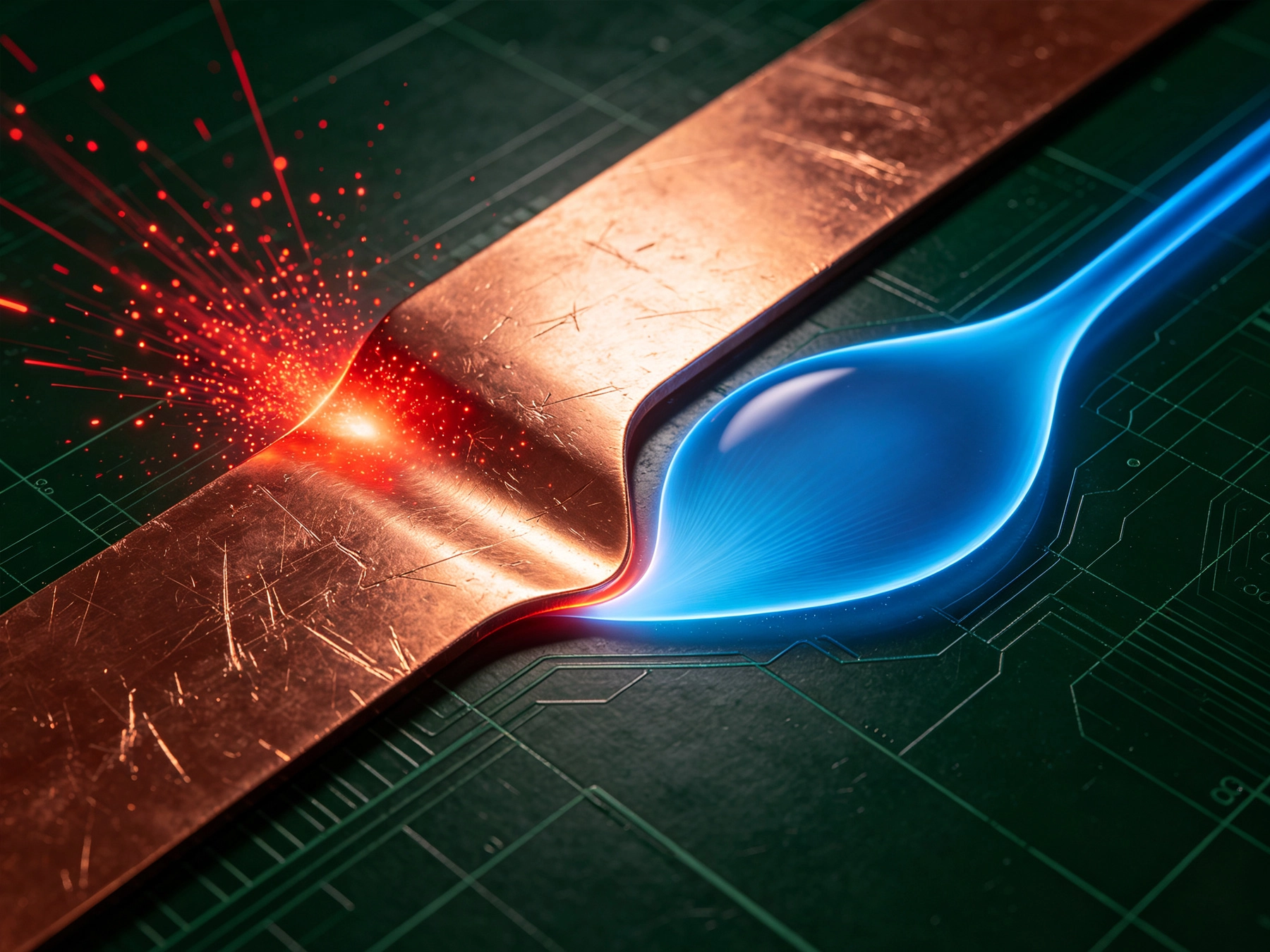
High Current PCB Current Crowding: Sharp Corners vs. Teardrop TransitionsSeptember/03/2026High current printed circuit board design presents unique challenges that go far beyond simple width calculations based on current requirements. One of the most critical yet often overlooked aspects involves current crowding effects at trace transitions, particularly where conductors make sharp tu...
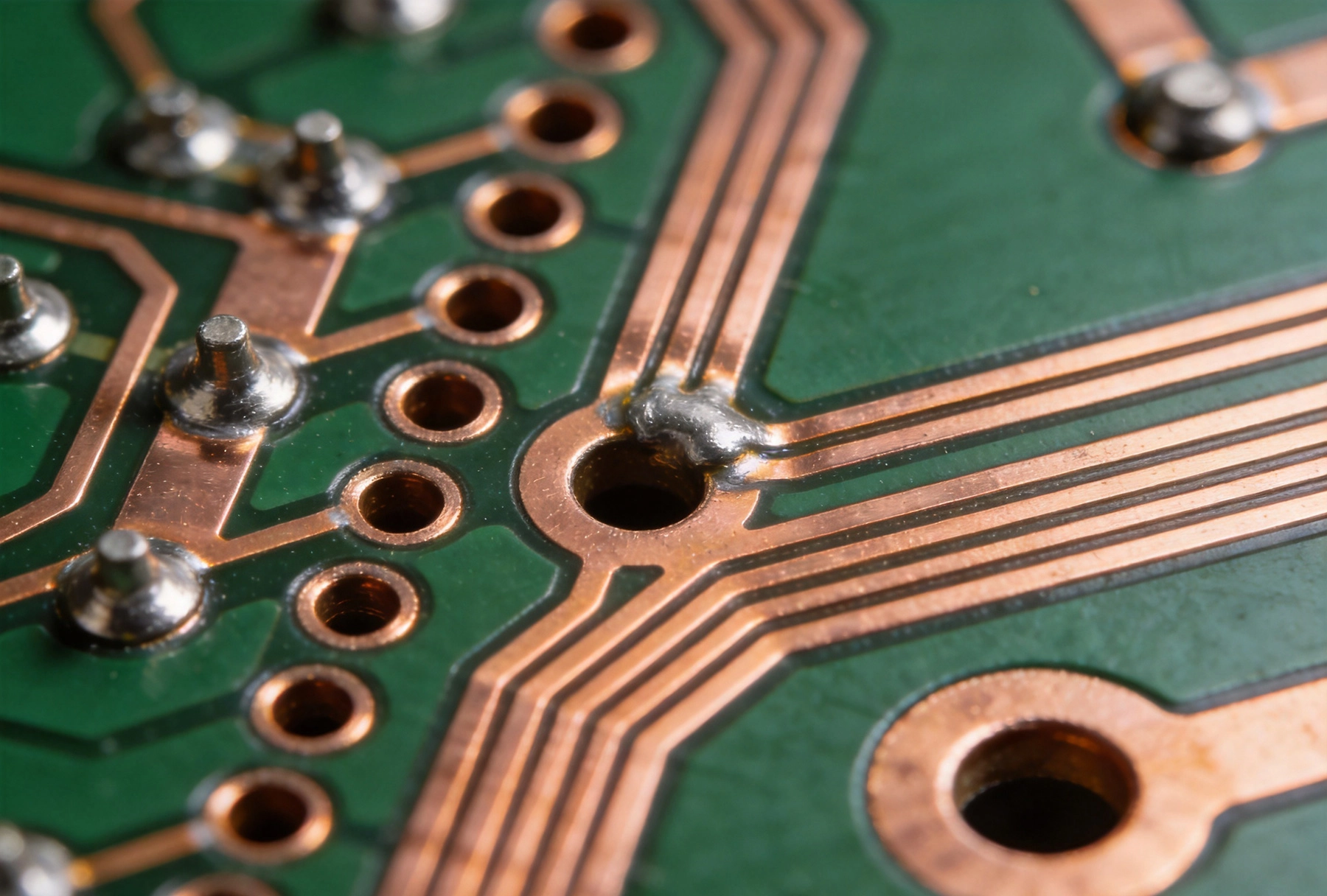
High Current PCB Solder Wicking: Tented Vias vs. Untented ViasSeptember/01/2026High current PCB design presents unique challenges, with solder wicking into vias being a critical concern during assembly. When solder melts and flows away from component pads into via holes, it creates insufficient solder joints that compromise electrical and mechanical reliability. This article...
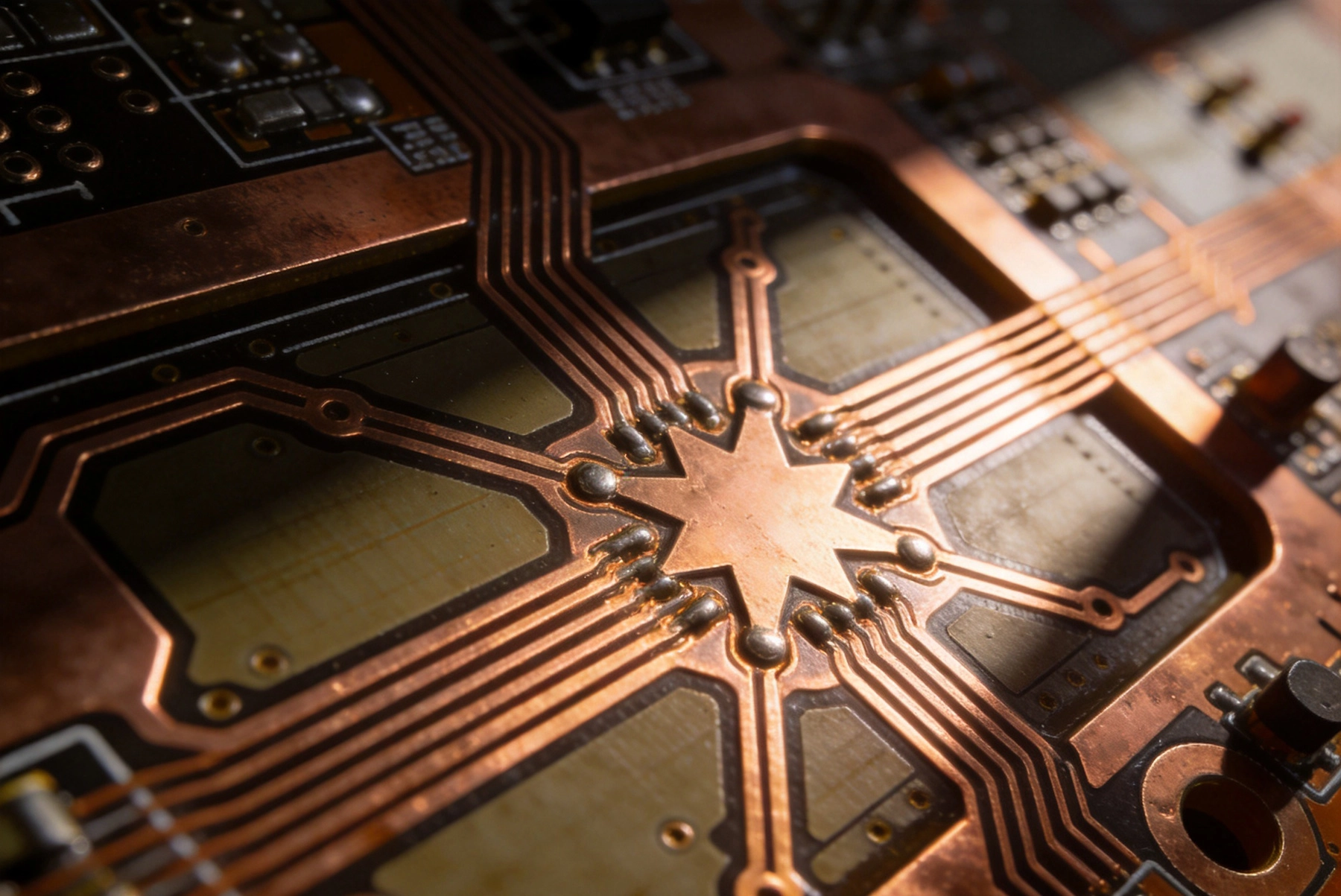
High Current PCB Grounding: Star Ground vs. Ground Plane in High Current PathsJuly/31/2026Grounding strategy represents one of the most critical decisions in high current PCB design. Whether you are building a motor drive, power supply, or battery management system, the way you handle ground connections directly impacts performance, efficiency, and electromagnetic compatibility. Among ...
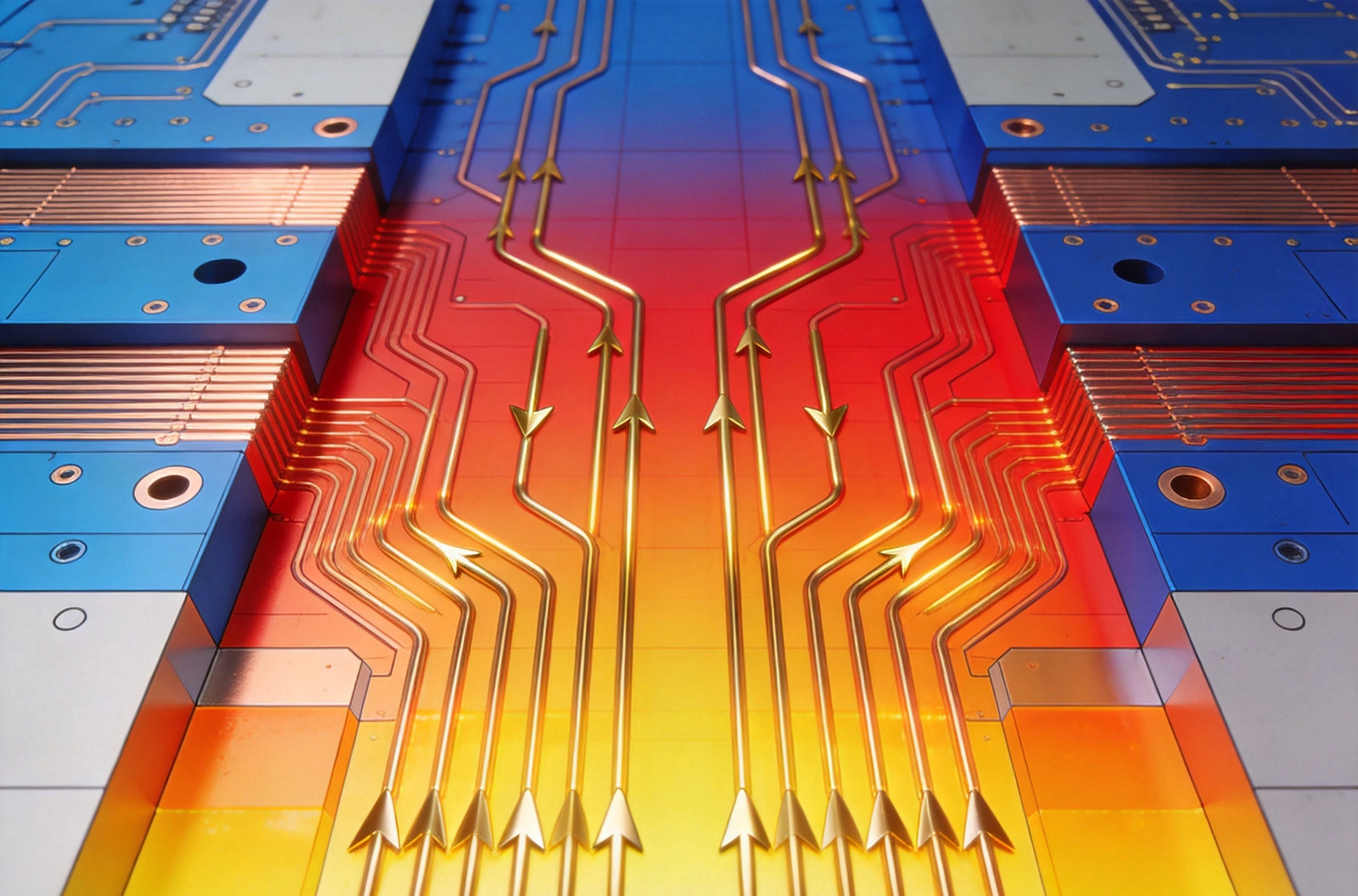
Overcoming Voltage Drop in High Current PCB Power Planes: A Case StudyJuly/13/2026Modern electronic systems demand increasingly higher currents from their power distribution networks. From AI servers consuming thousands of watts to electric vehicle motor controllers handling hundreds of amperes, the humble printed circuit board has become a critical infrastructure for power del...
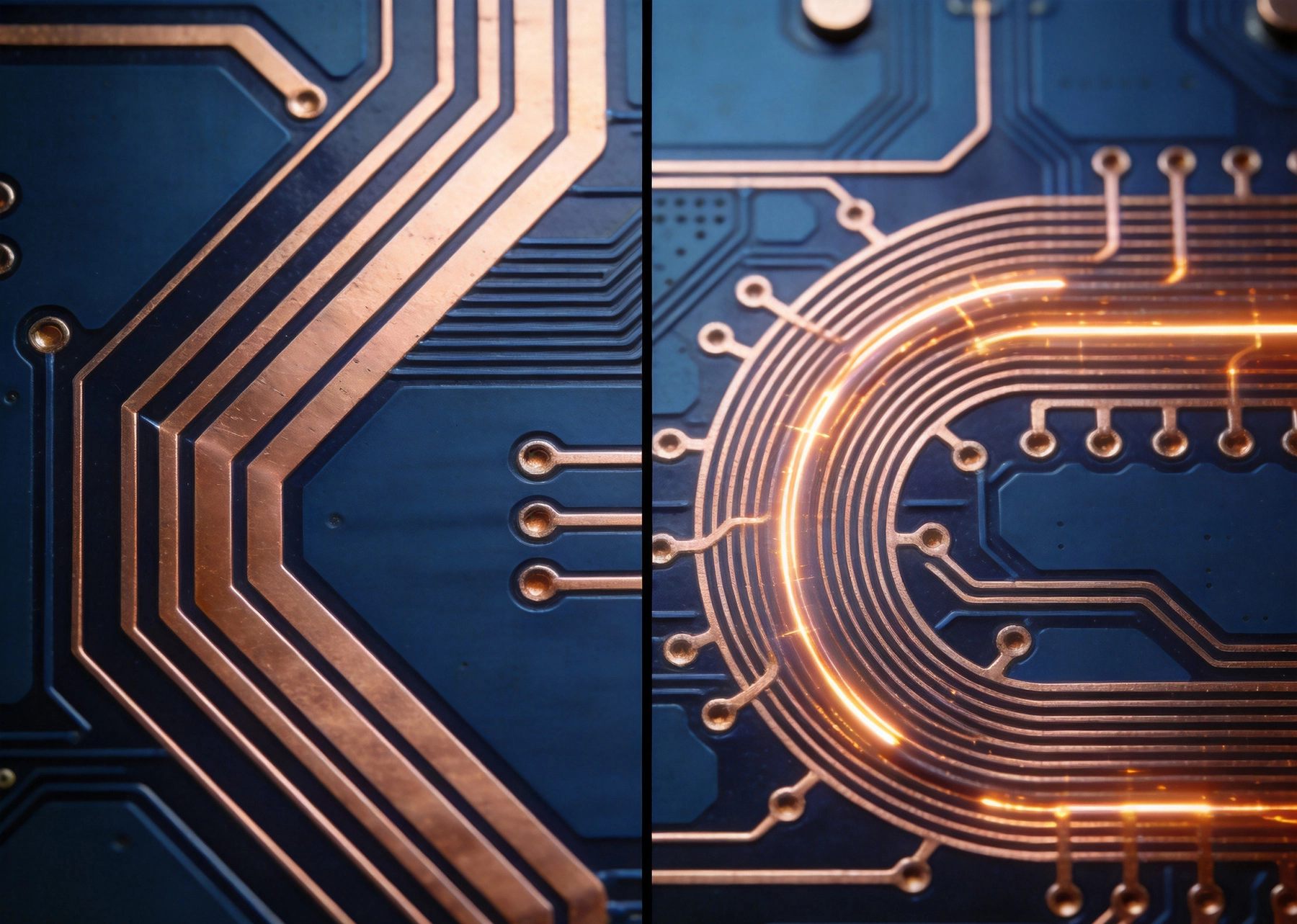
High Current PCB Routing: 45-Degree Angles vs. Curved Traces in PracticeJuly/12/2026High current PCB routing requires careful attention to trace geometry, thermal management, and electromagnetic compatibility. Among the many decisions designers face, the choice between 45-degree angled traces and curved traces often sparks debate. While both approaches can deliver functional desi...