

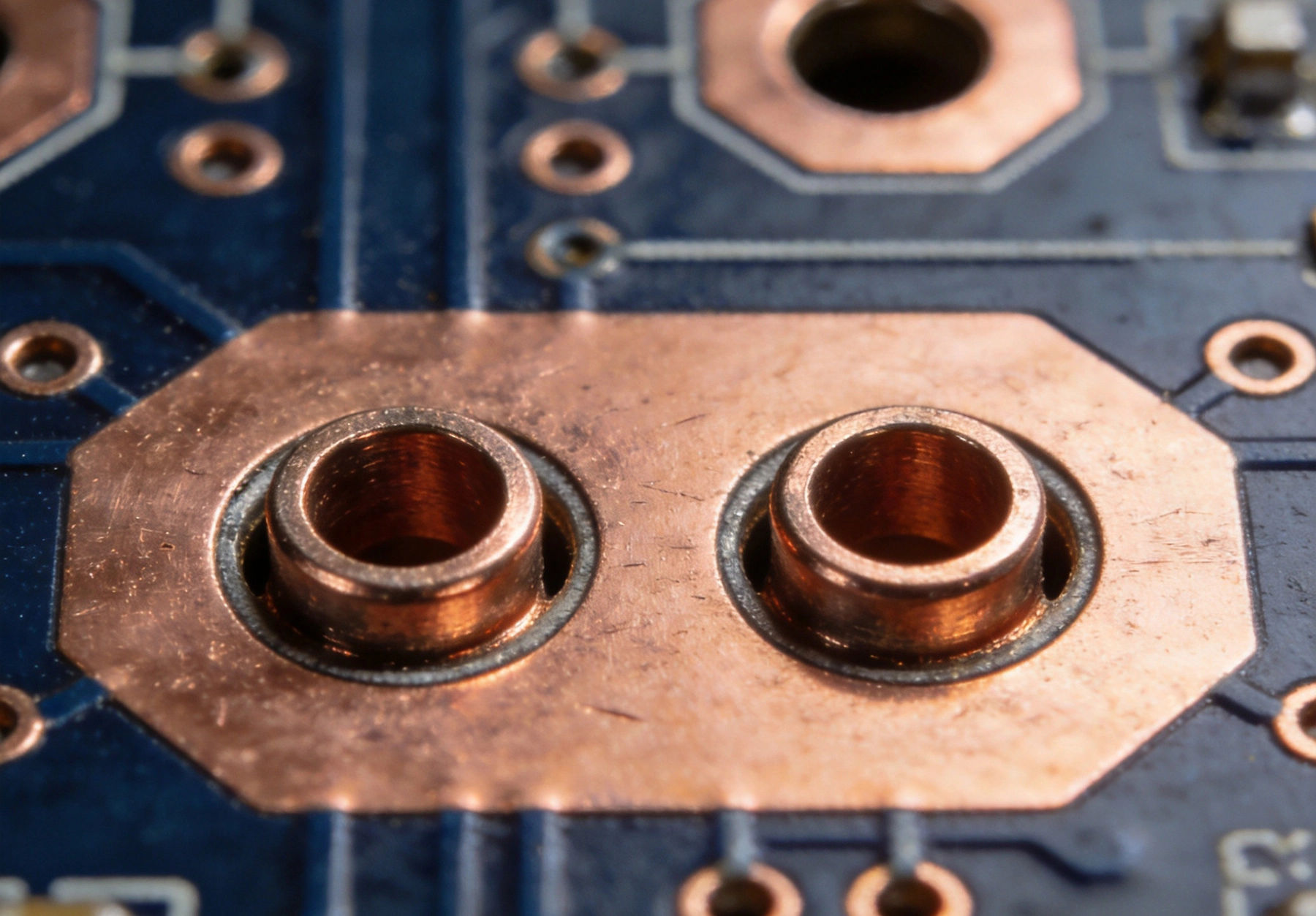
High Current PCB Mounting Holes: Plated vs. Non-Plated for Current ReturnSeptember/29/2026Mounting holes on printed circuit boards serve a dual purpose that many designers overlook: they secure the board to its chassis or enclosure, and when properly designed, they can also serve as critical current return paths between the PCB ground plane and the system chassis ground. For high-power...
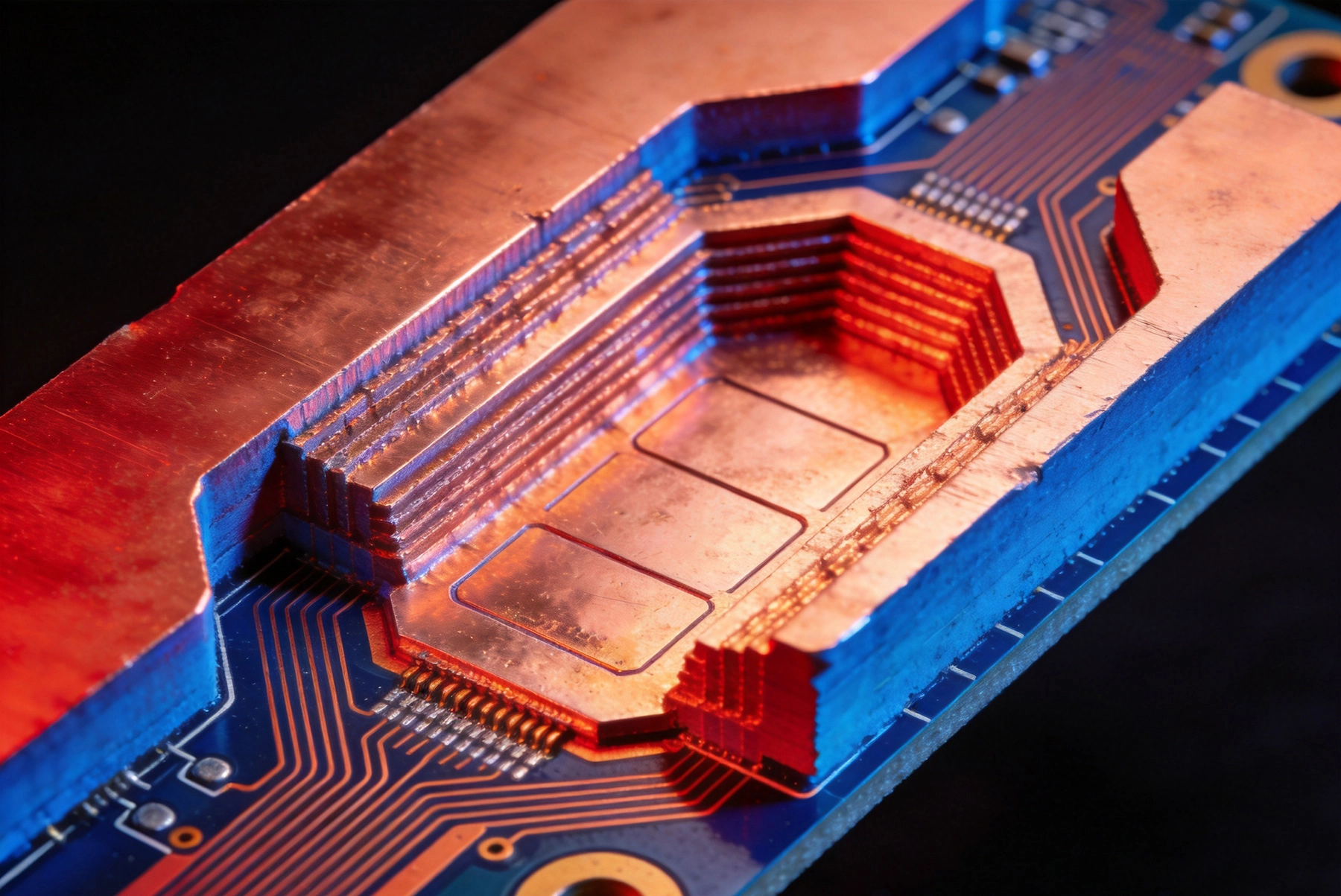
High Current PCB Embedded Copper: Internal vs. External Heat DissipationSeptember/26/2026In power electronics, managing heat is as important as managing current. A trace that can carry 20 amps on paper may fail in practice if the heat generated by I²R losses cannot escape the board fast enough. This is where the choice between internal embedded copper and external heavy copper becomes...
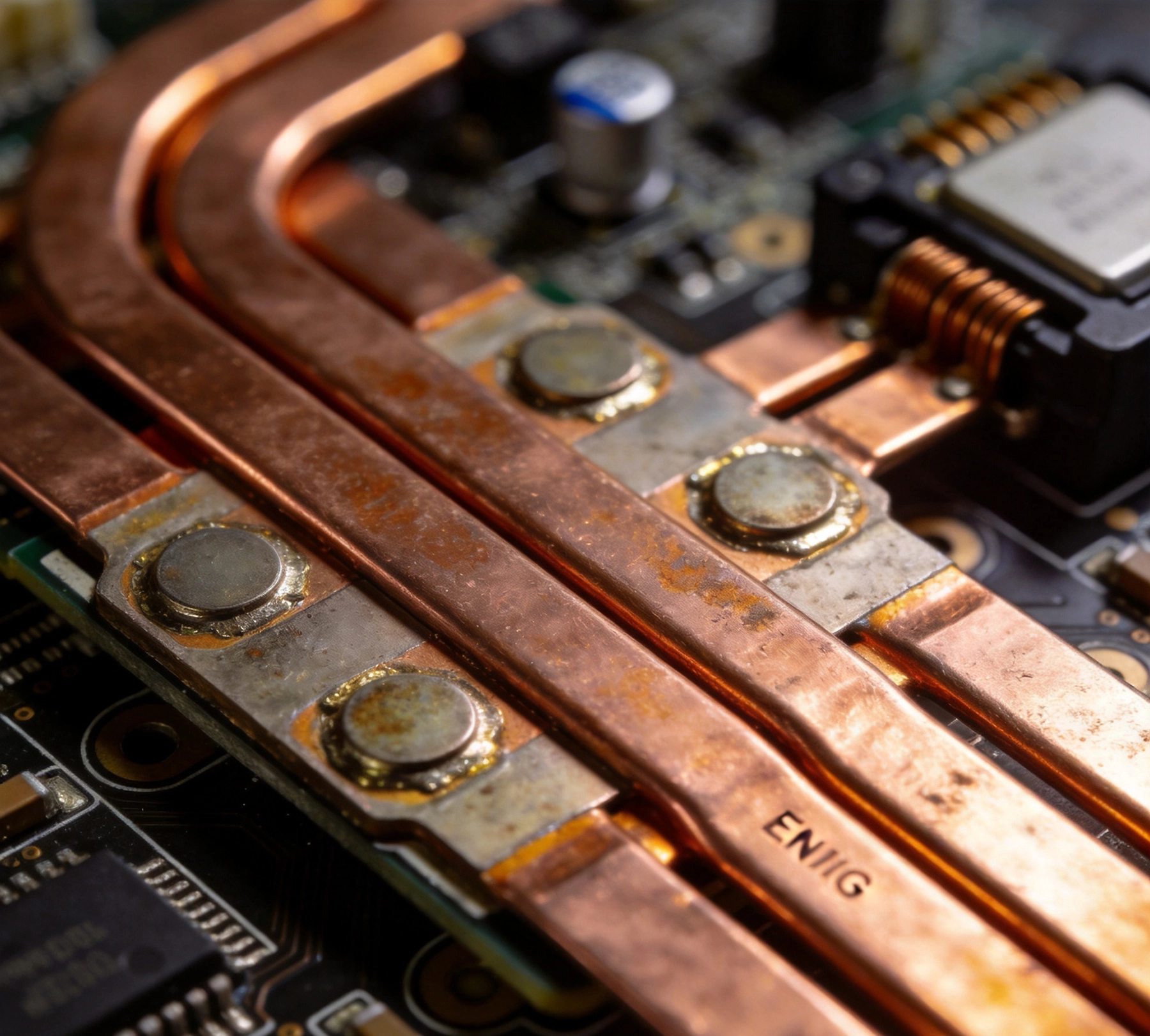
High Current PCB Surface Finish: ENIG vs. HASL for High Current PadsSeptember/23/2026High current PCB design presents unique challenges that standard surface finish selections may not address. When your board needs to carry tens or hundreds of amperes through power traces and pads, surface finish choice affects current carrying capacity, thermal performance, and long-term reliabil...
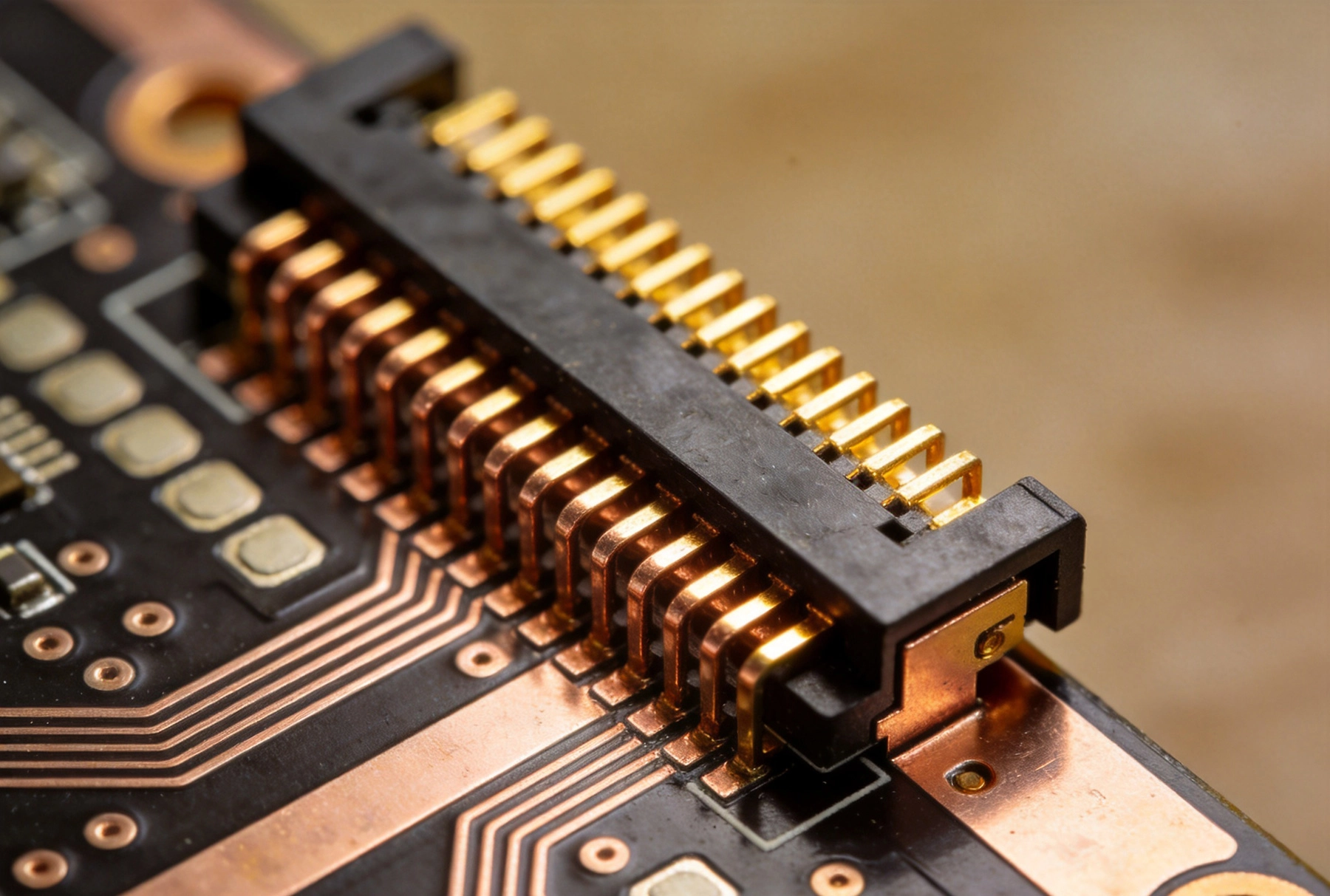
High Current PCB Edge Connectors: Current Rating and Thermal LimitsSeptember/20/2026Power delivery is the unsung backbone of every electronic system. While signal integrity and high-speed routing get the spotlight, the connectors that carry tens or hundreds of amperes into and out of a PCB determine whether a design runs cool and reliable or overheats and fails. High-current PCB ...

High Current PCB Placed Slots vs. Standard Traces for Extreme CurrentsSeptember/11/2026When your PCB design needs to handle tens or hundreds of amps, ordinary copper traces quickly reach their limits. Standard PCB fabrication processes were designed for signals, not power. The copper weight, trace width, and thermal management techniques that work for low-current circuits simply do ...
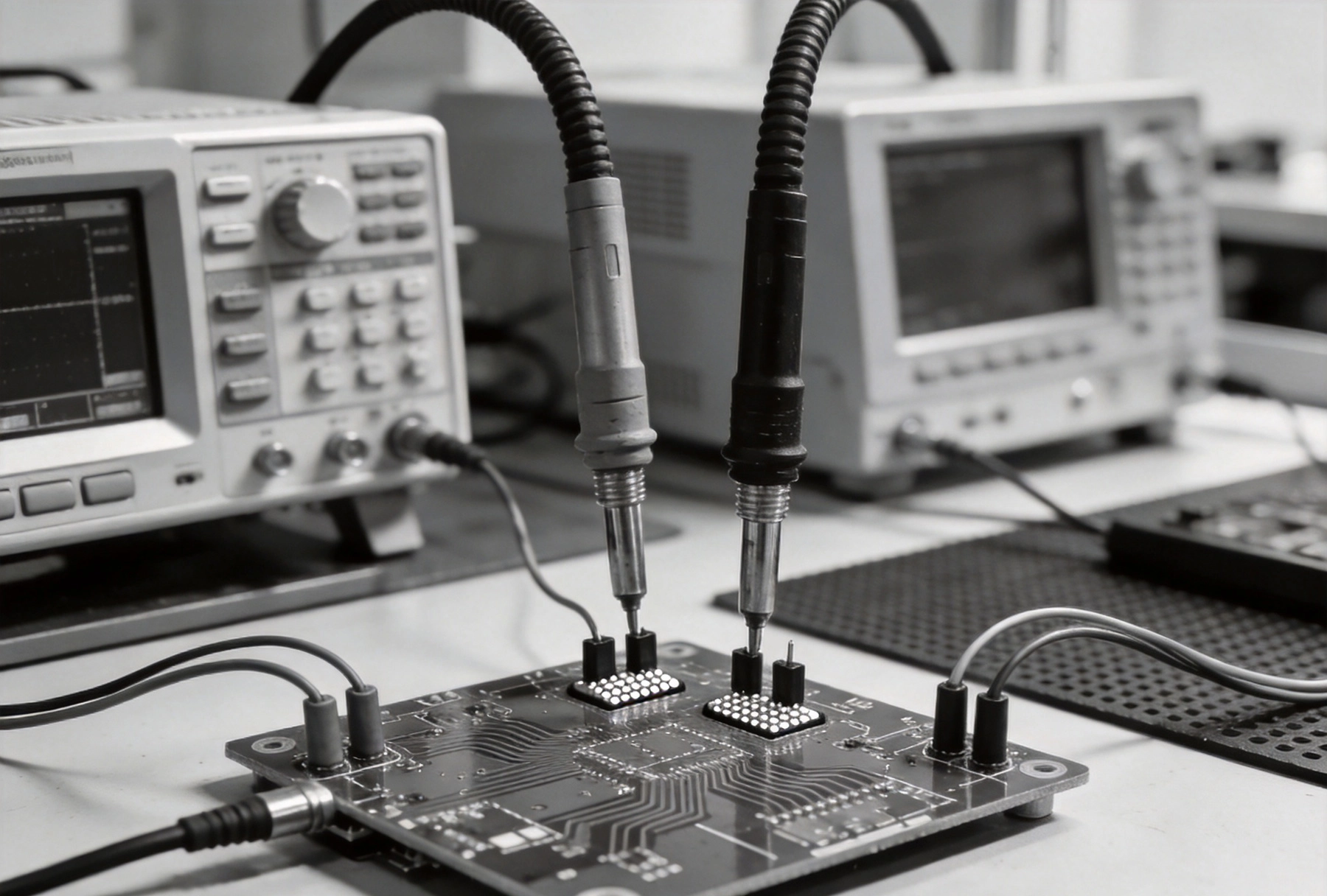
High Current PCB Kelvin Connections: Routing Best Practices for AccuracySeptember/09/2026Accurate current measurement stands as a cornerstone in power electronics design. Whether you are developing battery management systems, motor drives, or power supplies, the ability to measure current precisely determines system efficiency, safety, and performance. Kelvin connections, also known a...
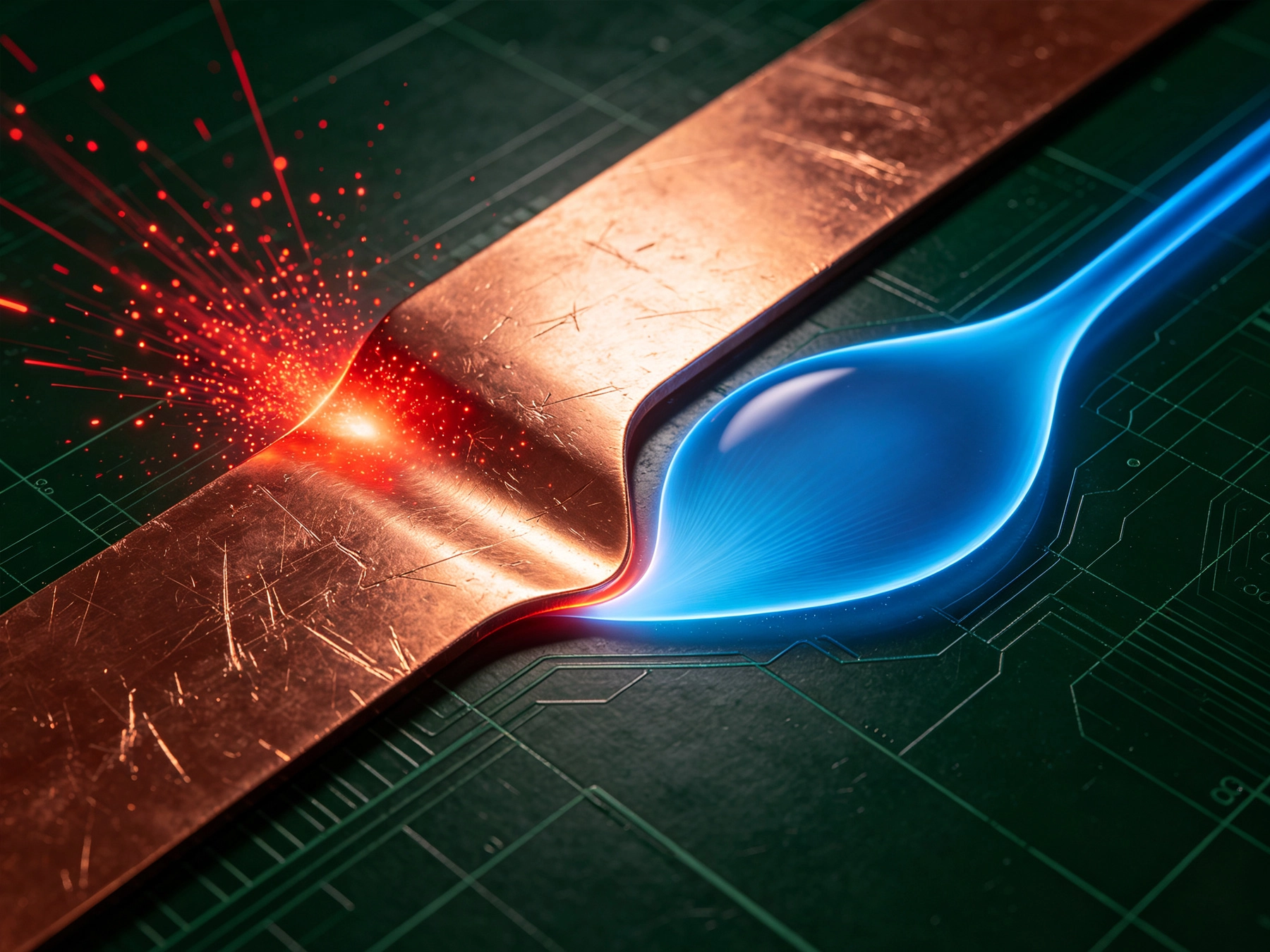
High Current PCB Current Crowding: Sharp Corners vs. Teardrop TransitionsSeptember/03/2026High current printed circuit board design presents unique challenges that go far beyond simple width calculations based on current requirements. One of the most critical yet often overlooked aspects involves current crowding effects at trace transitions, particularly where conductors make sharp tu...
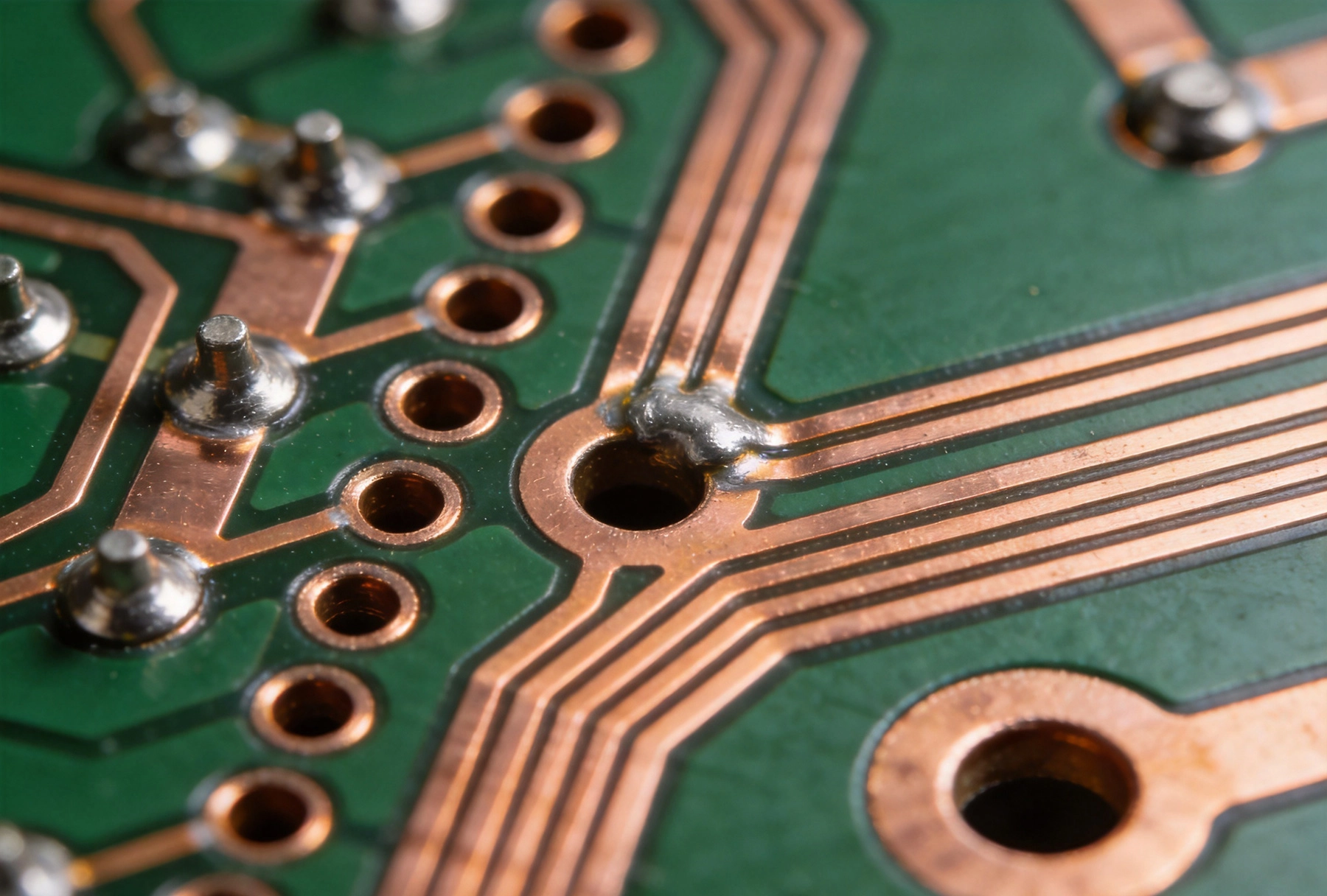
High Current PCB Solder Wicking: Tented Vias vs. Untented ViasSeptember/01/2026High current PCB design presents unique challenges, with solder wicking into vias being a critical concern during assembly. When solder melts and flows away from component pads into via holes, it creates insufficient solder joints that compromise electrical and mechanical reliability. This article...
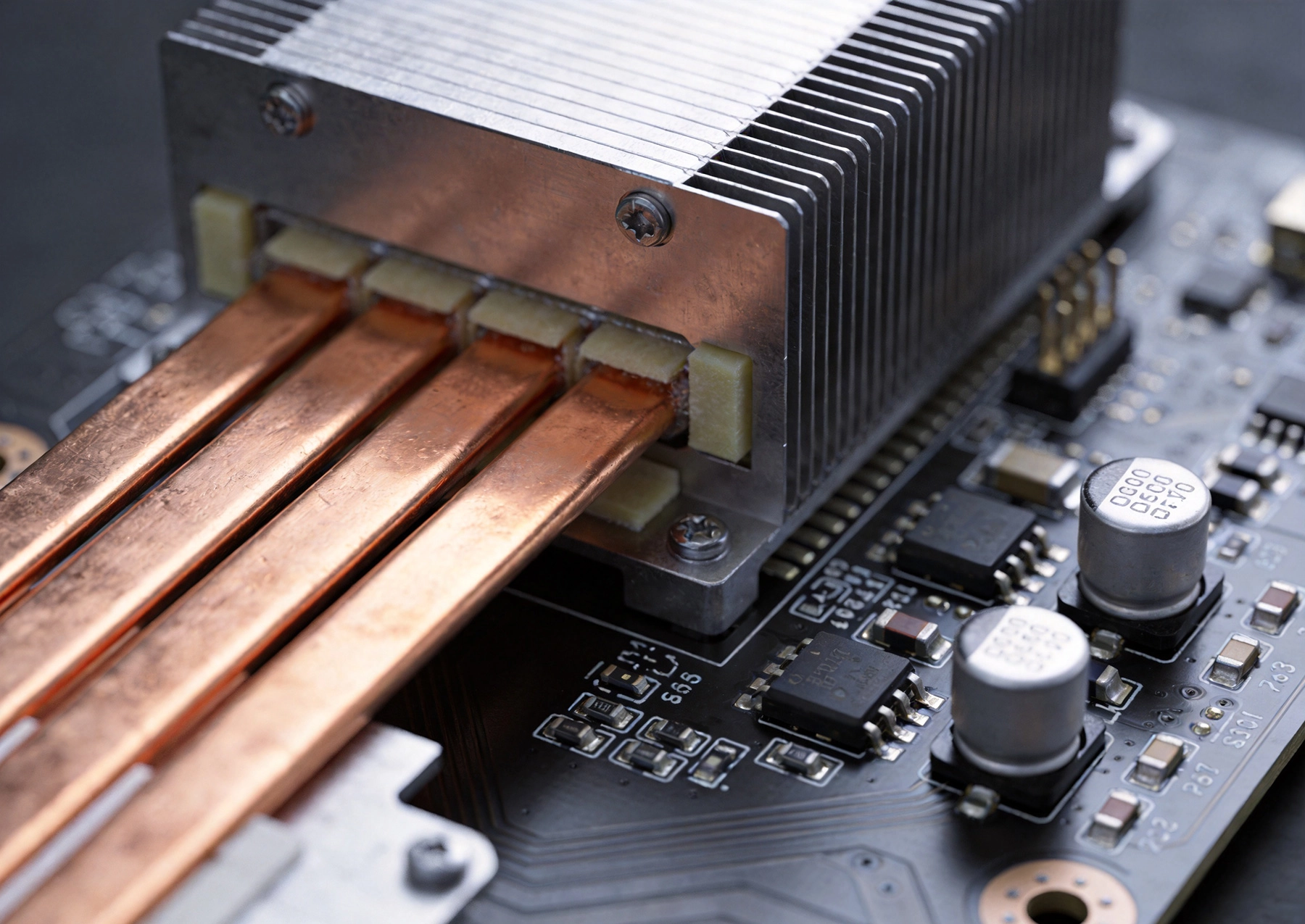
High Current PCB Heat Sinks: Thermal Pads vs. Direct Copper ExposureAugust/10/2026Power electronics designers face critical thermal management decisions when dealing with high current PCB applications. Choosing between thermal interface pads and direct copper exposure for heat sink attachment significantly impacts thermal performance, assembly complexity, and long-term reliabil...
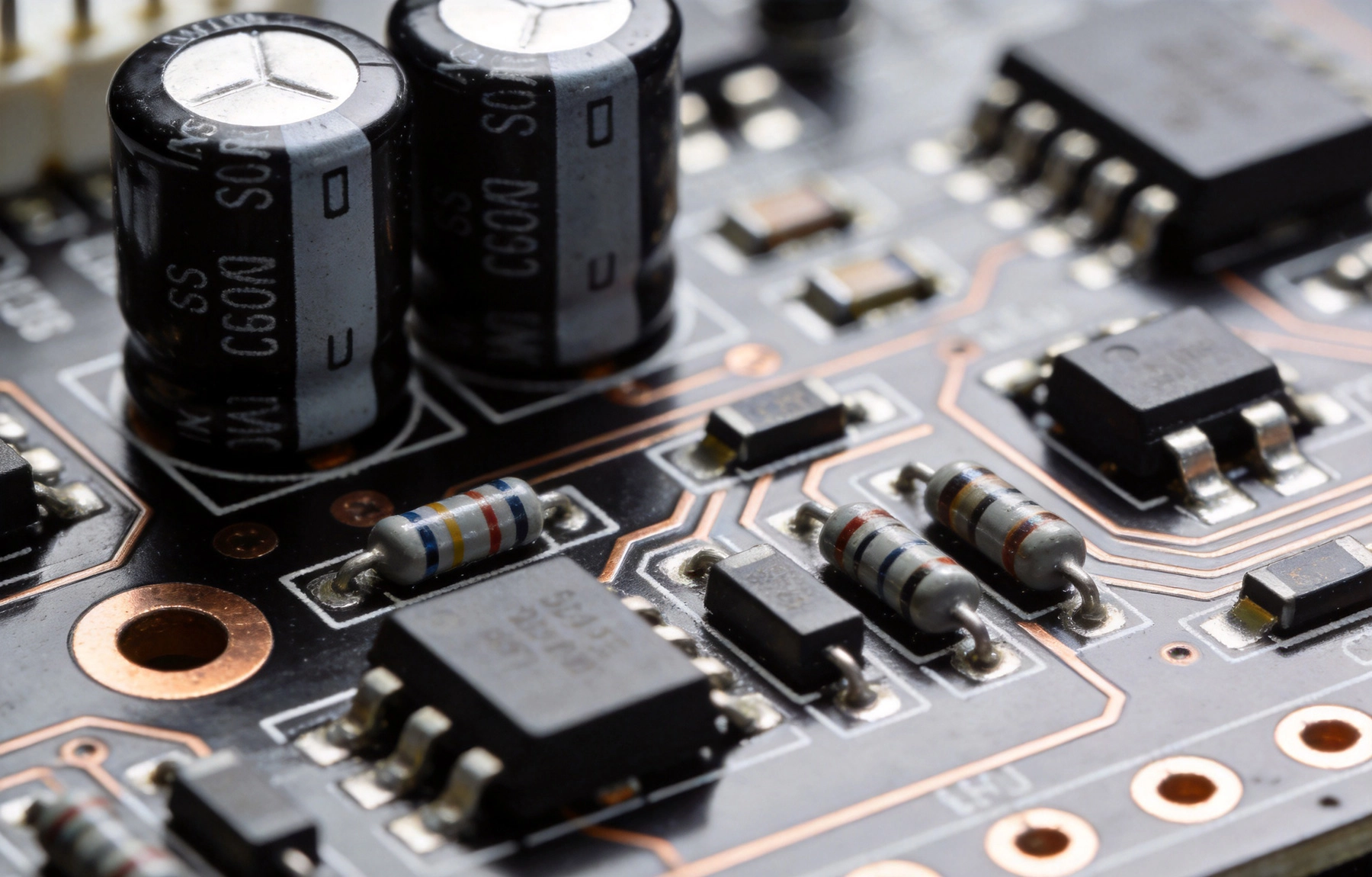
High Current PCB Snubber Circuits: Placement Impact on Voltage SpikesAugust/06/2026Power electronics engineers know the frustration well: you've designed a perfect snubber circuit to protect your switching devices, yet voltage spikes still exceed safe limits in testing. The component values are correct, the calculations check out, but the layout defeats your careful engineering....
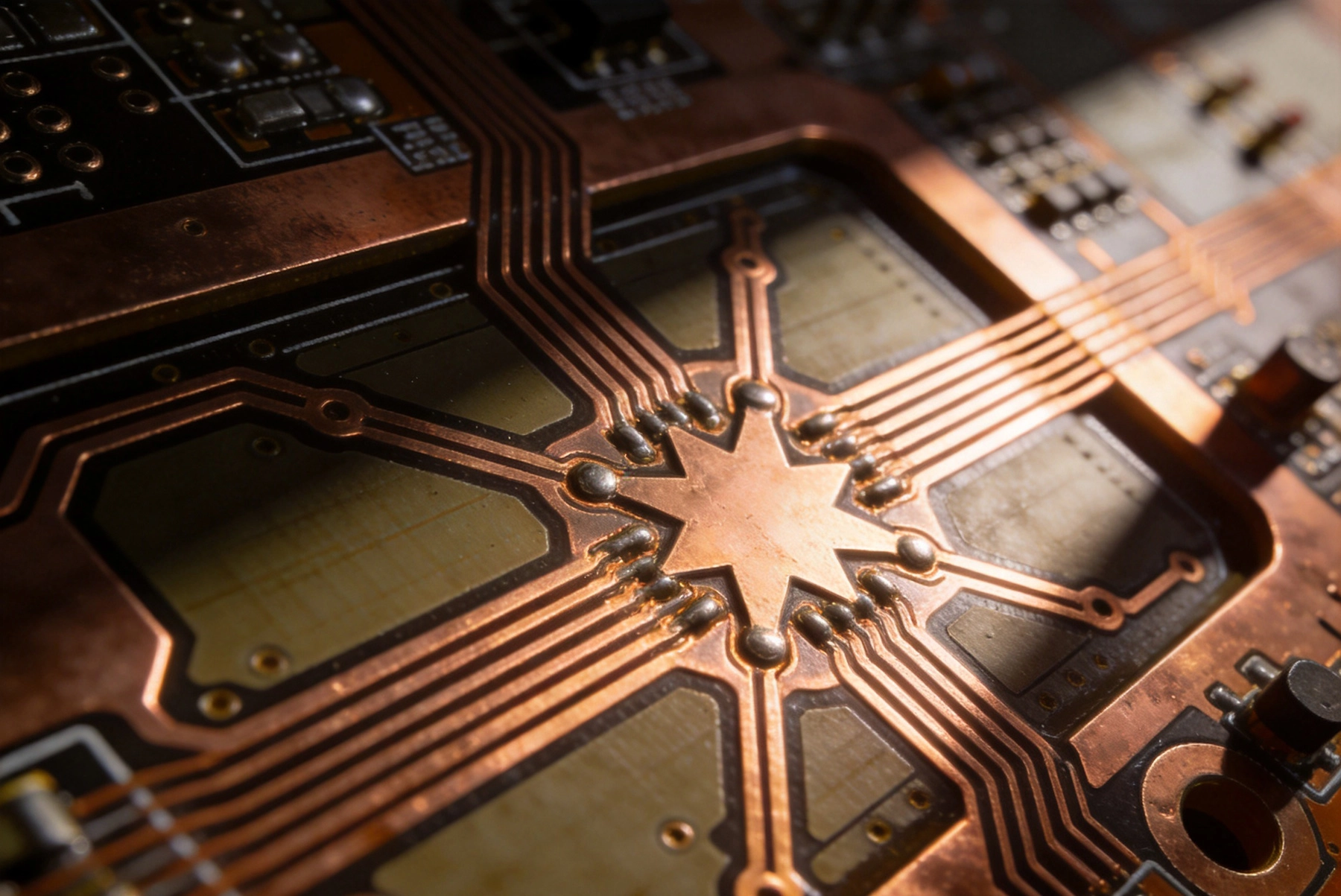
High Current PCB Grounding: Star Ground vs. Ground Plane in High Current PathsJuly/31/2026Grounding strategy represents one of the most critical decisions in high current PCB design. Whether you are building a motor drive, power supply, or battery management system, the way you handle ground connections directly impacts performance, efficiency, and electromagnetic compatibility. Among ...
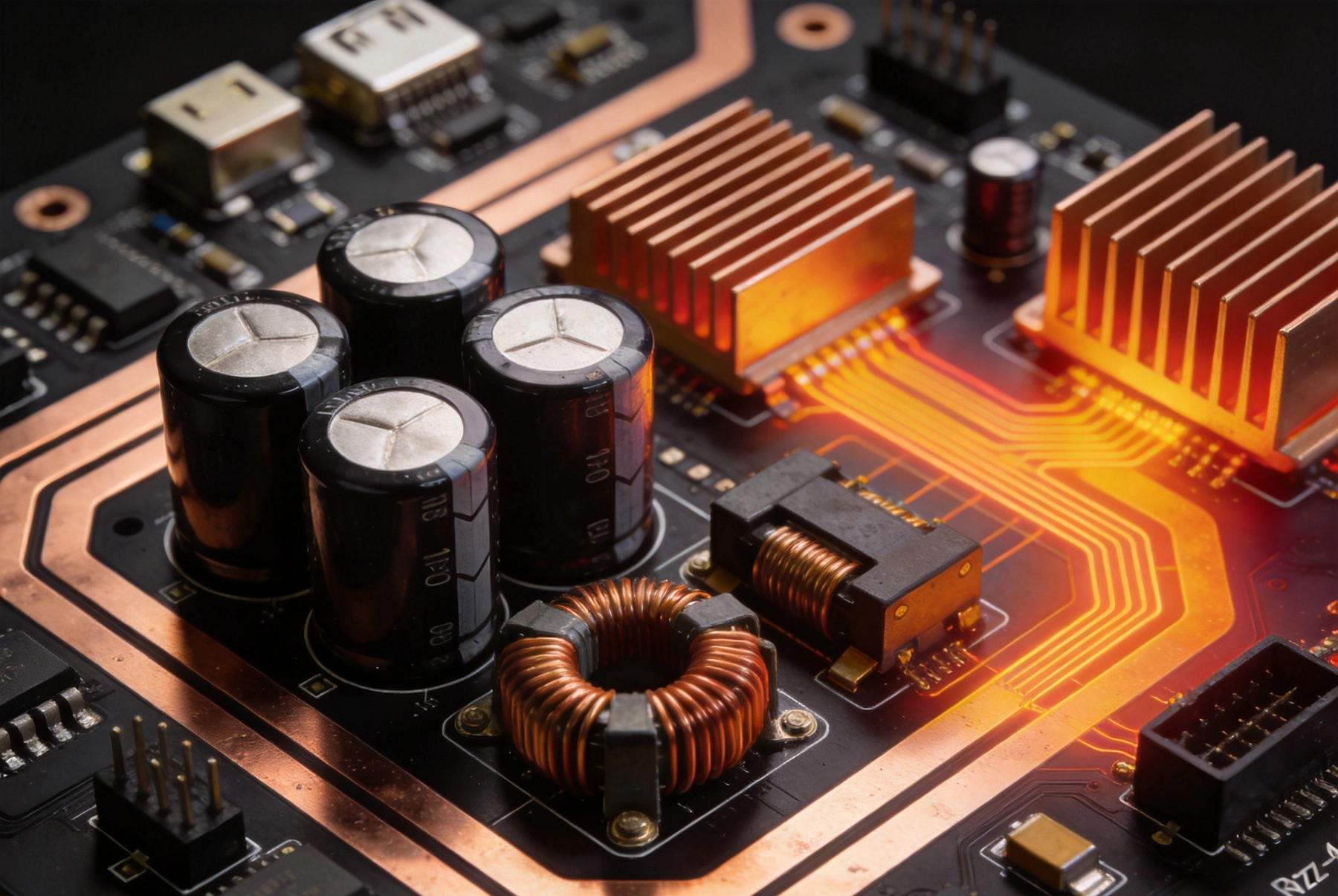
High Current PCB Component Placement: Grouping vs. Distributed LayoutJuly/21/2026Designing high-current PCBs presents challenges that go far beyond standard digital electronics. When your board must handle tens or hundreds of amperes, every placement decision impacts thermal performance, electromagnetic interference, and system reliability. One of the most fundamental choices ...
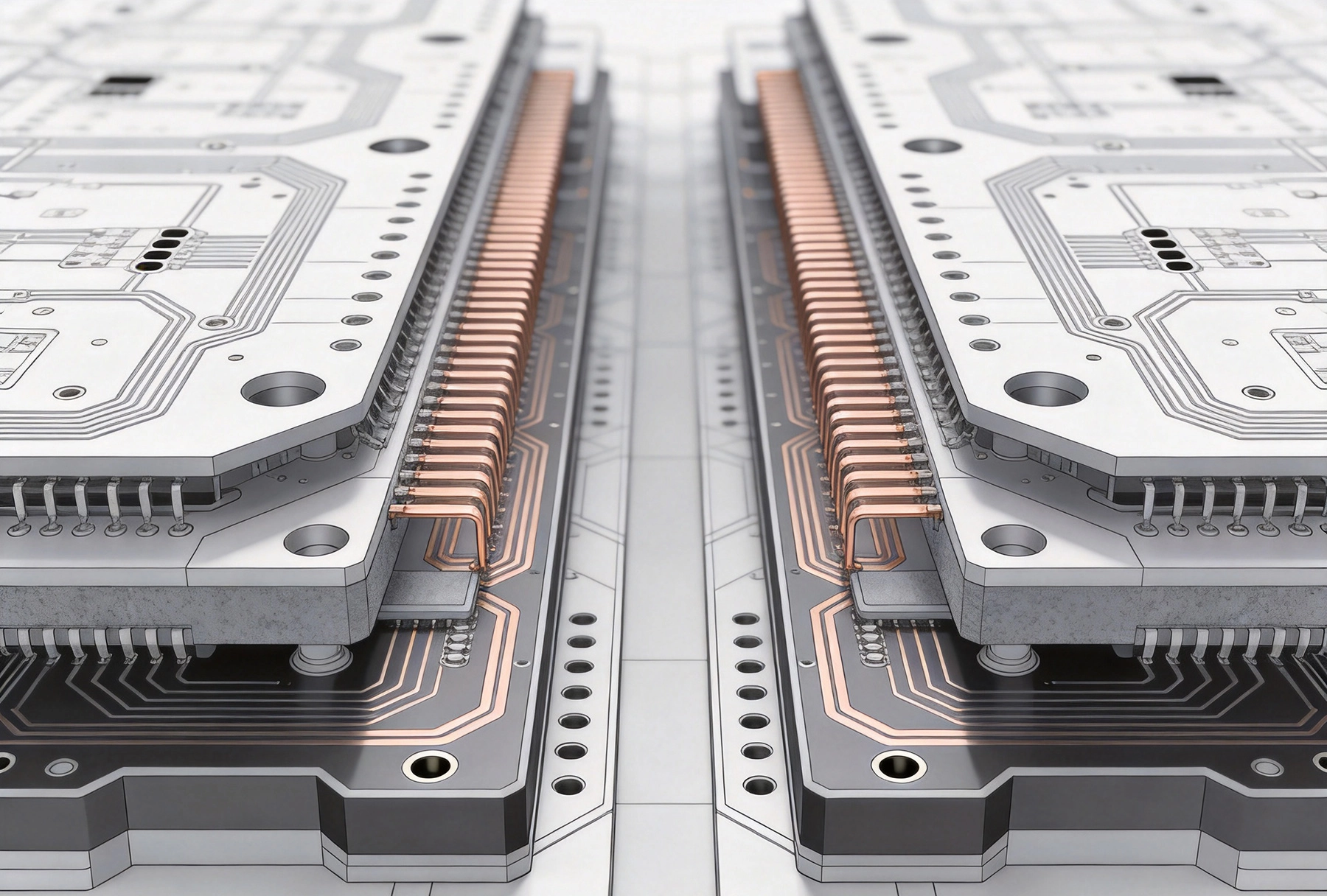
High Current PCB Layer Stackup: Symmetrical vs. Asymmetrical Power PlanesJuly/20/2026Power distribution in multilayer PCBs presents design challenges that differ fundamentally from signal-integrity-focused boards. When your design must carry significant current—tens of amps or more—the choices you make about layer arrangement, plane geometry, and stackup symmetry directly determin...
High Current PCB Trace Width: IPC-2152 Calculator vs. Empirical FormulasJuly/18/2026Designing printed circuit boards for high current applications demands precision in trace width calculations. The copper conductors that carry power through your PCB must dissipate heat while maintaining structural integrity and avoiding voltage drop problems. Engineers face a fundamental choice: ...
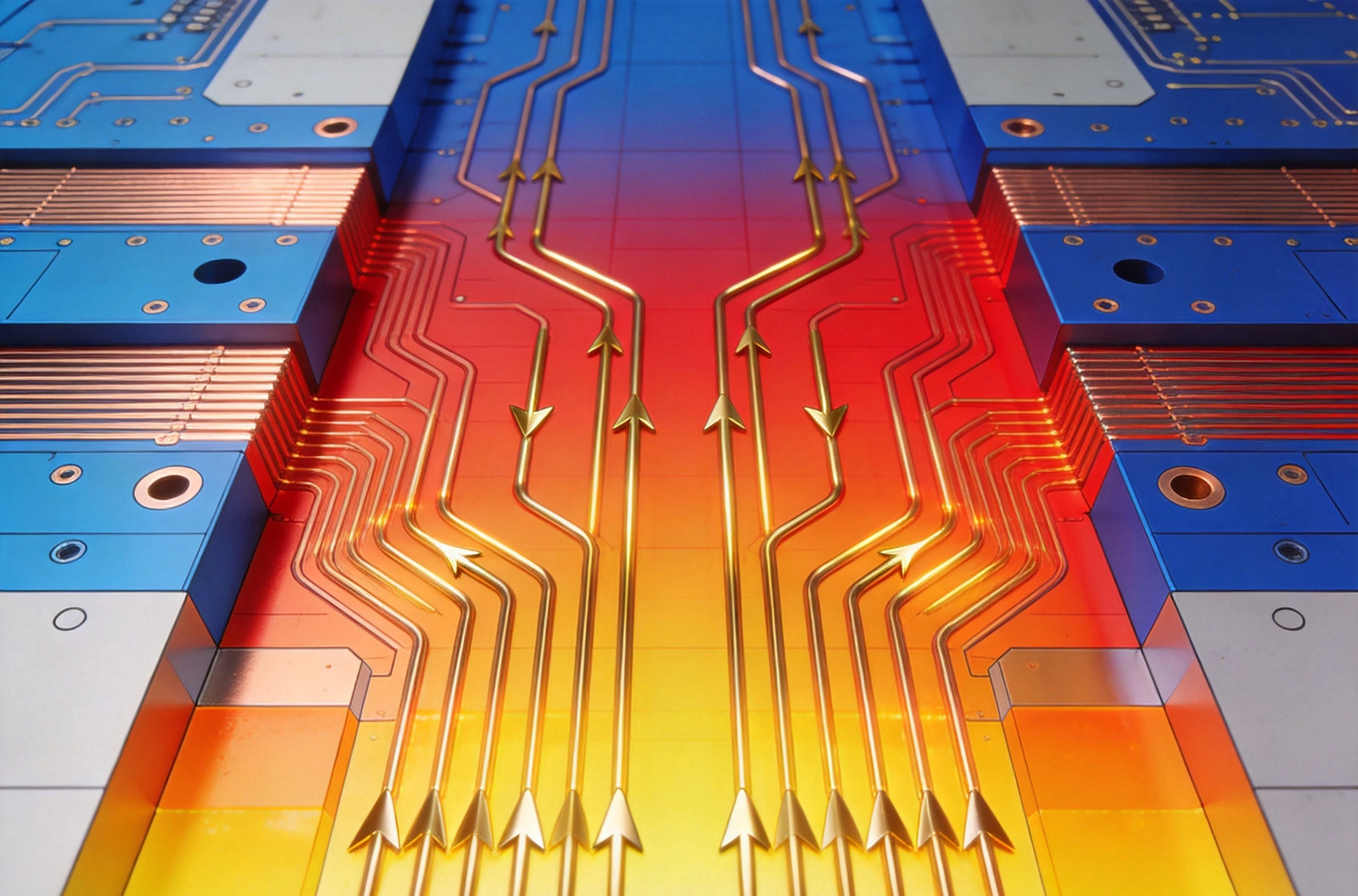
Overcoming Voltage Drop in High Current PCB Power Planes: A Case StudyJuly/13/2026Modern electronic systems demand increasingly higher currents from their power distribution networks. From AI servers consuming thousands of watts to electric vehicle motor controllers handling hundreds of amperes, the humble printed circuit board has become a critical infrastructure for power del...
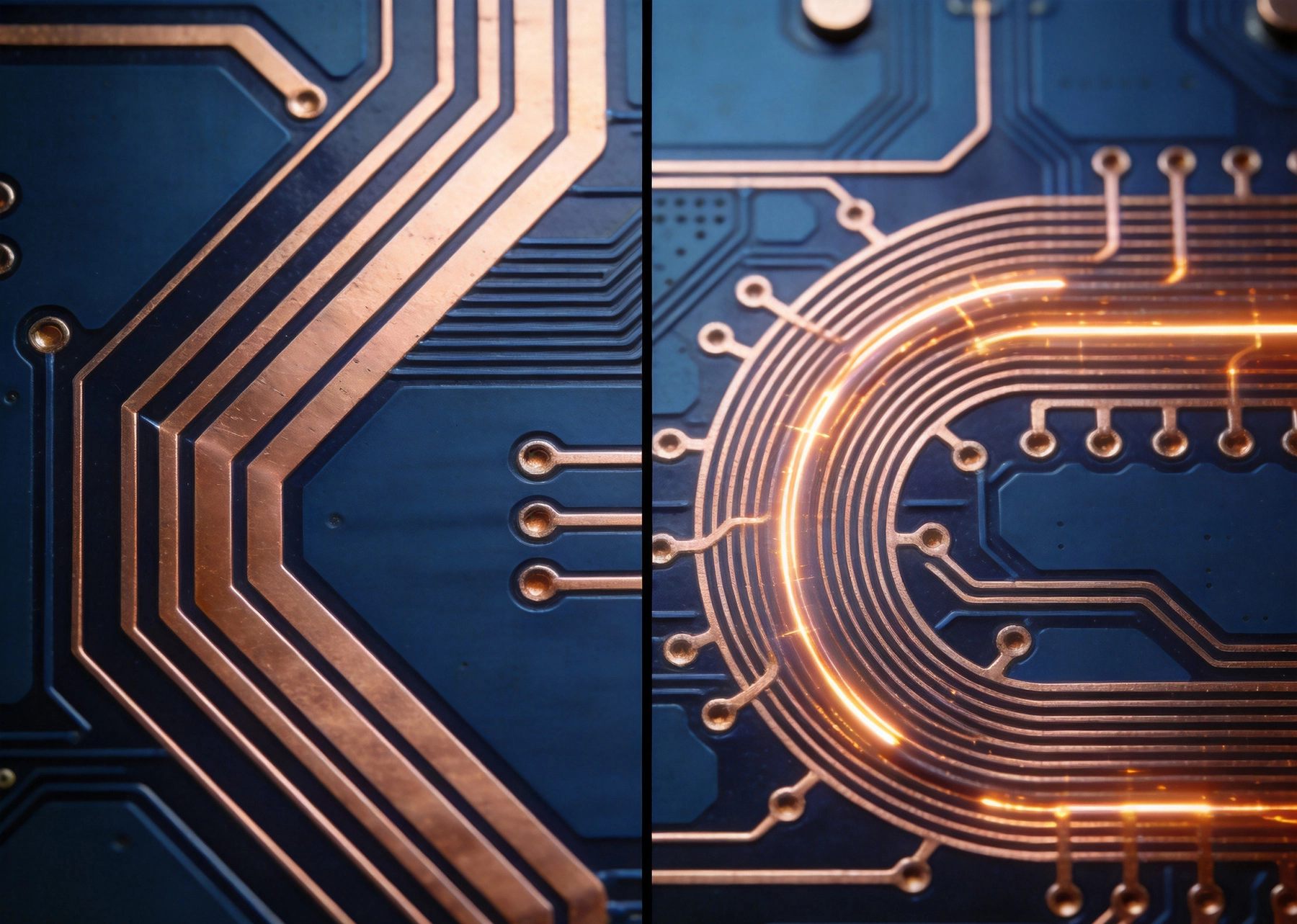
High Current PCB Routing: 45-Degree Angles vs. Curved Traces in PracticeJuly/12/2026High current PCB routing requires careful attention to trace geometry, thermal management, and electromagnetic compatibility. Among the many decisions designers face, the choice between 45-degree angled traces and curved traces often sparks debate. While both approaches can deliver functional desi...
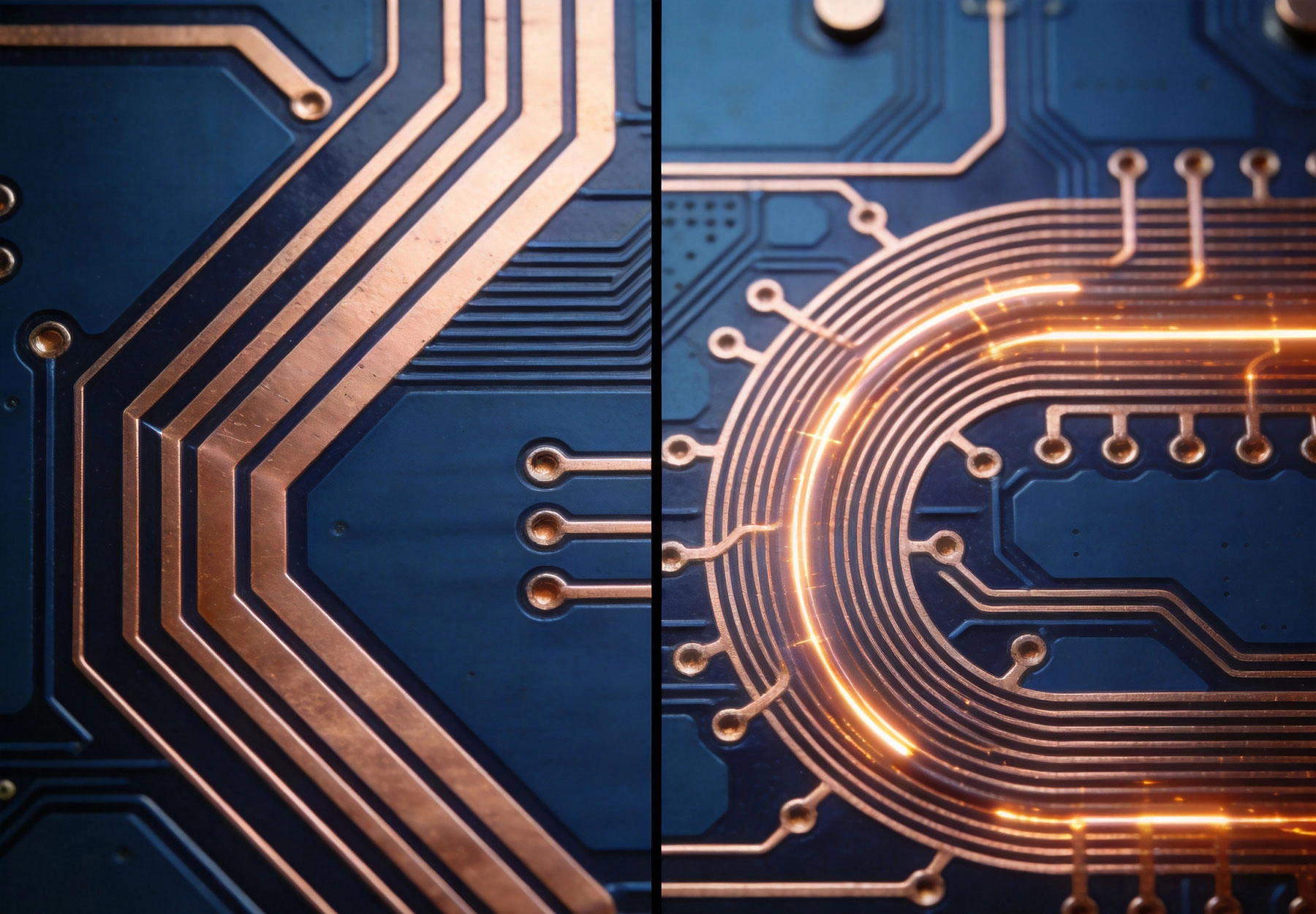
High Current PCB Routing: 45-Degree Angles vs. Curved Traces in PracticeJuly/10/2026High current PCB routing requires careful attention to trace geometry, thermal management, and electromagnetic compatibility. Among the many decisions designers face, the choice between 45-degree angled traces and curved traces often sparks debate. While both approaches can deliver functional desi...
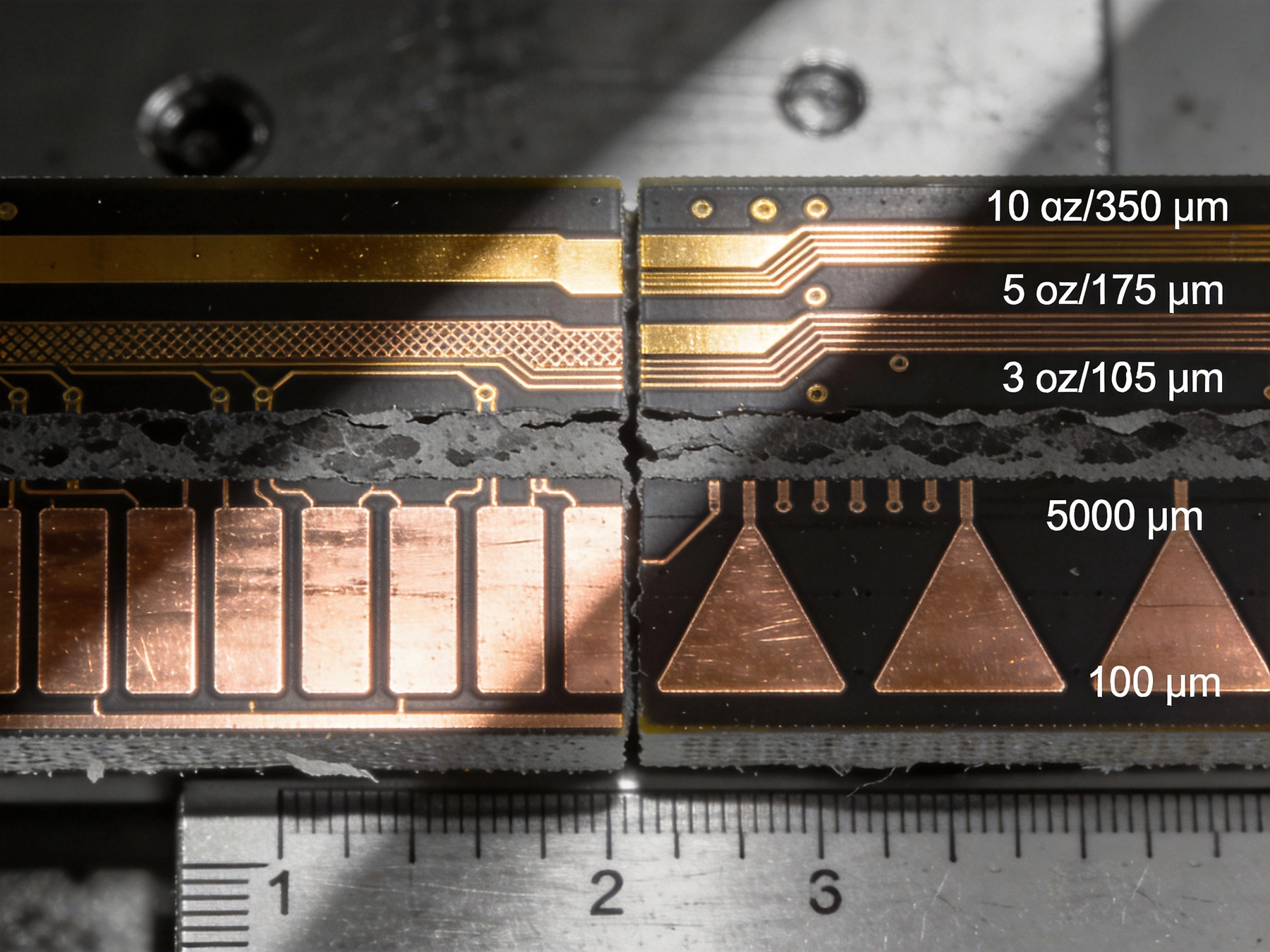
Cost Comparison: 2oz vs 4oz Copper PCB — What You Need to KnowJune/26/2026Copper weight selection stands among the most consequential decisions in power electronics PCB design. The choice between 2oz and 4oz copper affects everything from current-carrying capacity and thermal performance to manufacturing cost and fabrication complexity. Yet many engineers and product ma...
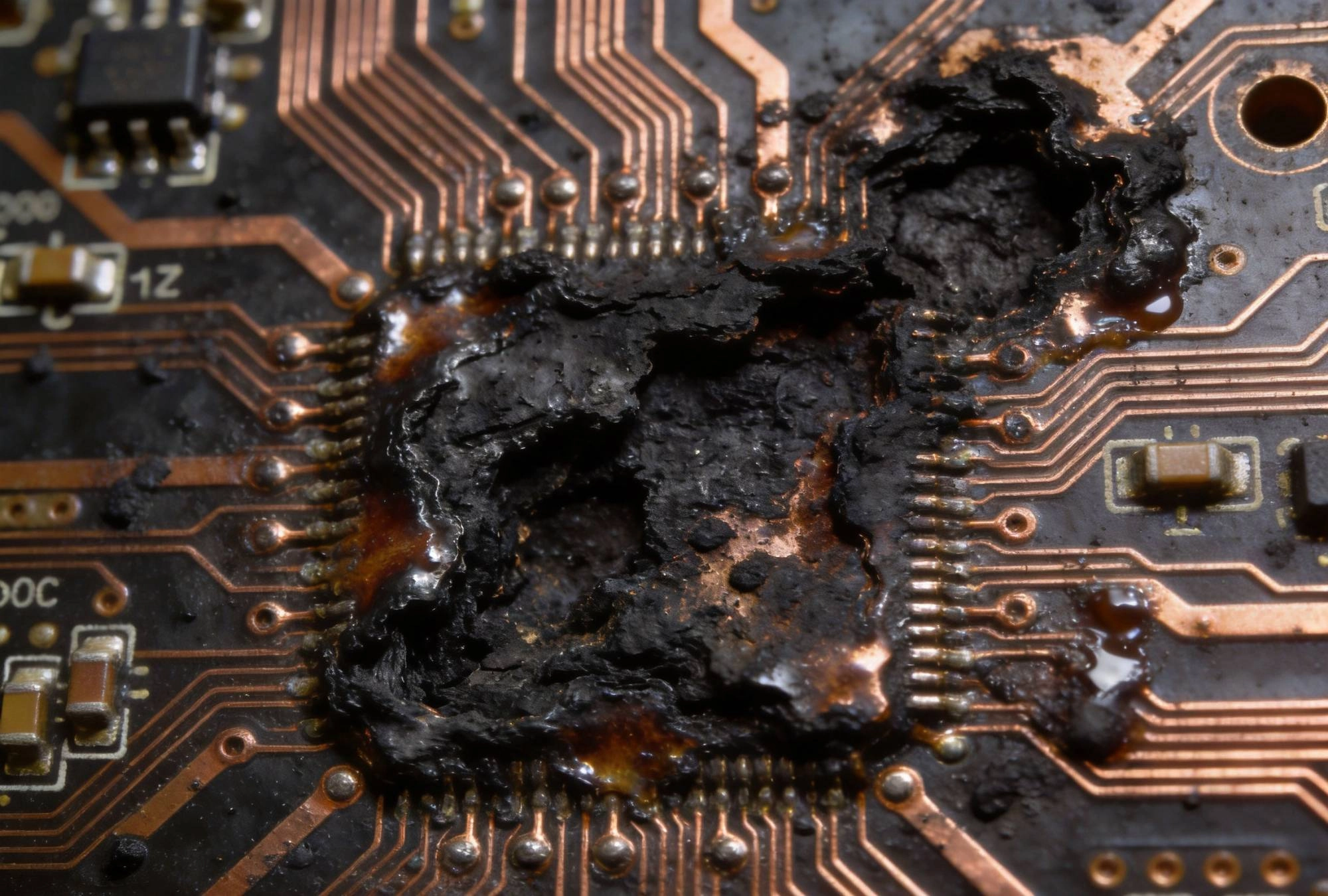
High Current PCB Failure Modes and PreventionJune/18/2026Power electronics push PCB technology to its limits. When currents climb into the tens or hundreds of amps, design flaws that would be invisible in low-power circuits become catastrophic failures. High current PCBs fail in ways that standard PCB design intuition fails to predict—traces open unexpe...

High Current PCB Connector Selection Guide: Choosing the Right Power Connectors for Your Electronics ProjectsJune/12/2026Electrical connections form the backbone of every electronic system, and when your projects involve significant power delivery, the stakes rise considerably. A poorly selected high current PCB connector can undermine even the most carefully designed power circuitry, leading to excessive voltage dr...