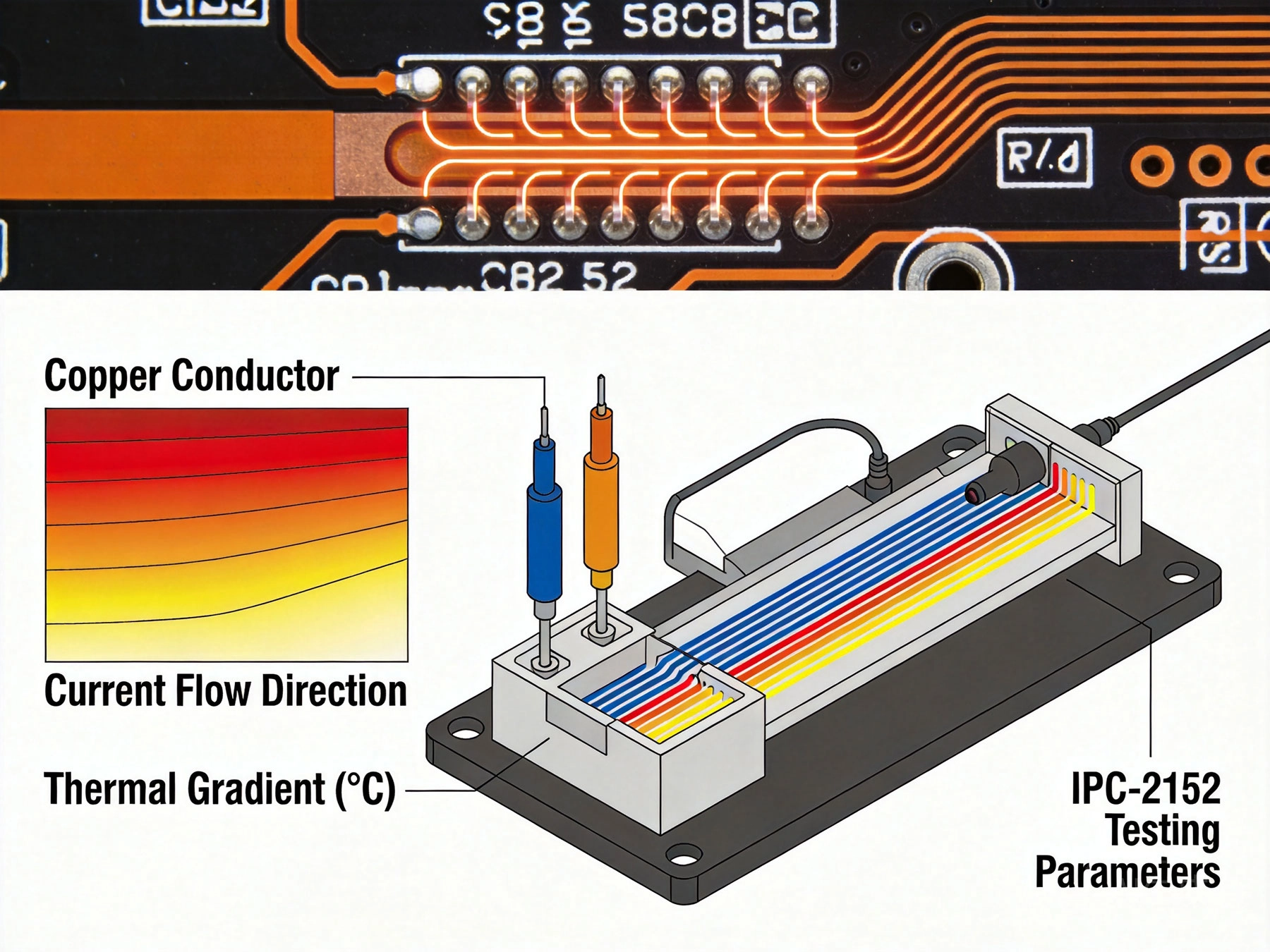
Designing printed circuit boards that safely handle high currents while maintaining reliability requires more than guesswork and rule-of-thumb estimates. The IPC-2152 standard provides the definitive methodology for determining current-carrying cap...
https://www.high-current-pcb.com/high-current-pcb-thermal-design/ipc-2152-current-carrying-capacity-calculation-guide/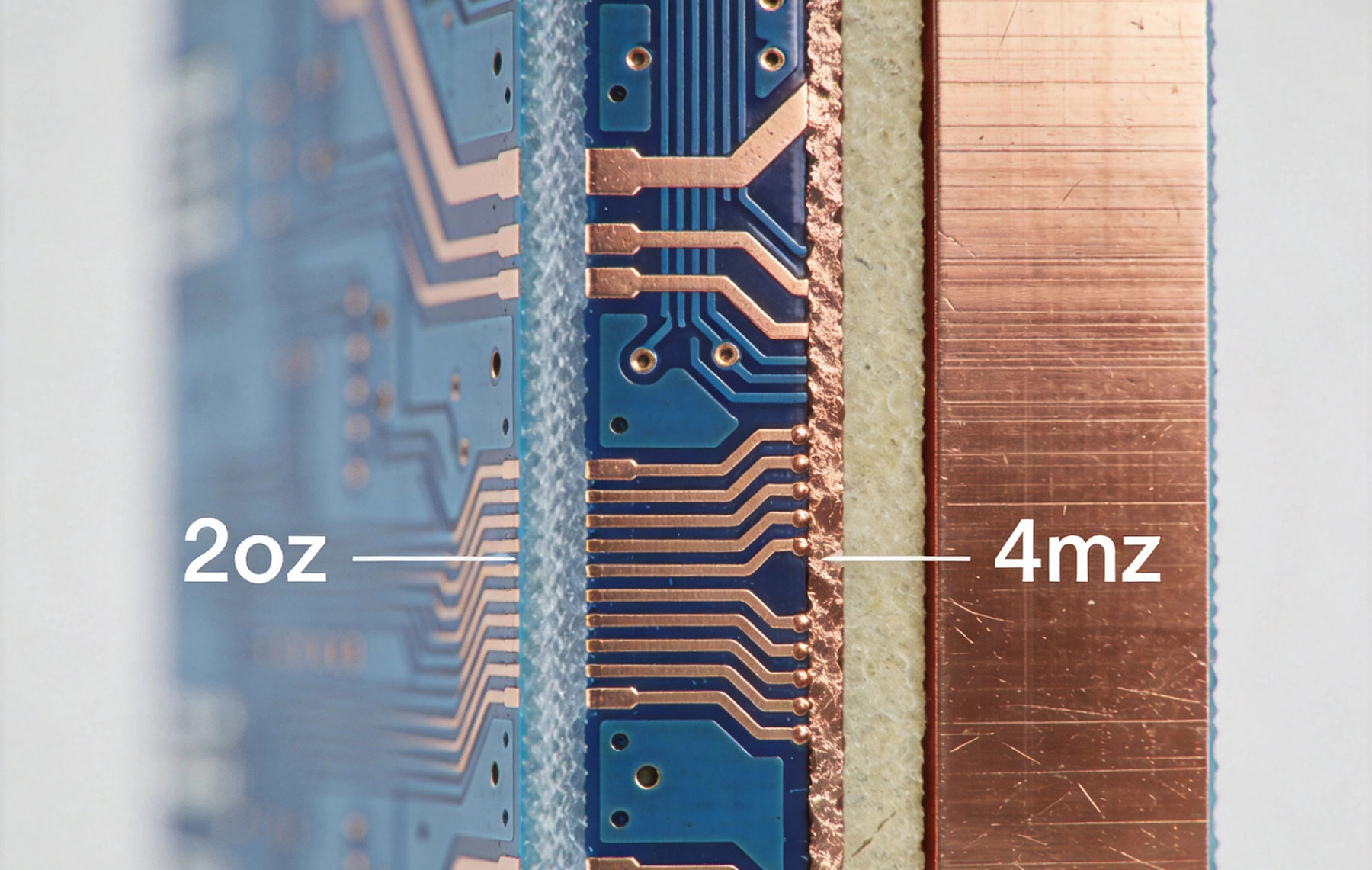
When designing printed circuit boards for high current applications, copper thickness becomes a critical decision that impacts everything from electrical performance to thermal management and manufacturing cost. The choice between 2oz and 4oz coppe...
https://www.high-current-pcb.com/high-current-pcb-thermal-design/2oz-vs-4oz-copper-which-is-best-for-your-high-current-pcb/
Power electronics place unique demands on printed circuit board design. When currents exceed a few amperes, thermal management becomes as critical as electrical performance. Thermal relief pads—the connections between component pads and copper plan...
https://www.high-current-pcb.com/high-current-pcb-thermal-design/high-current-pcb-thermal-relief-full-connect-vs-modified-spokes/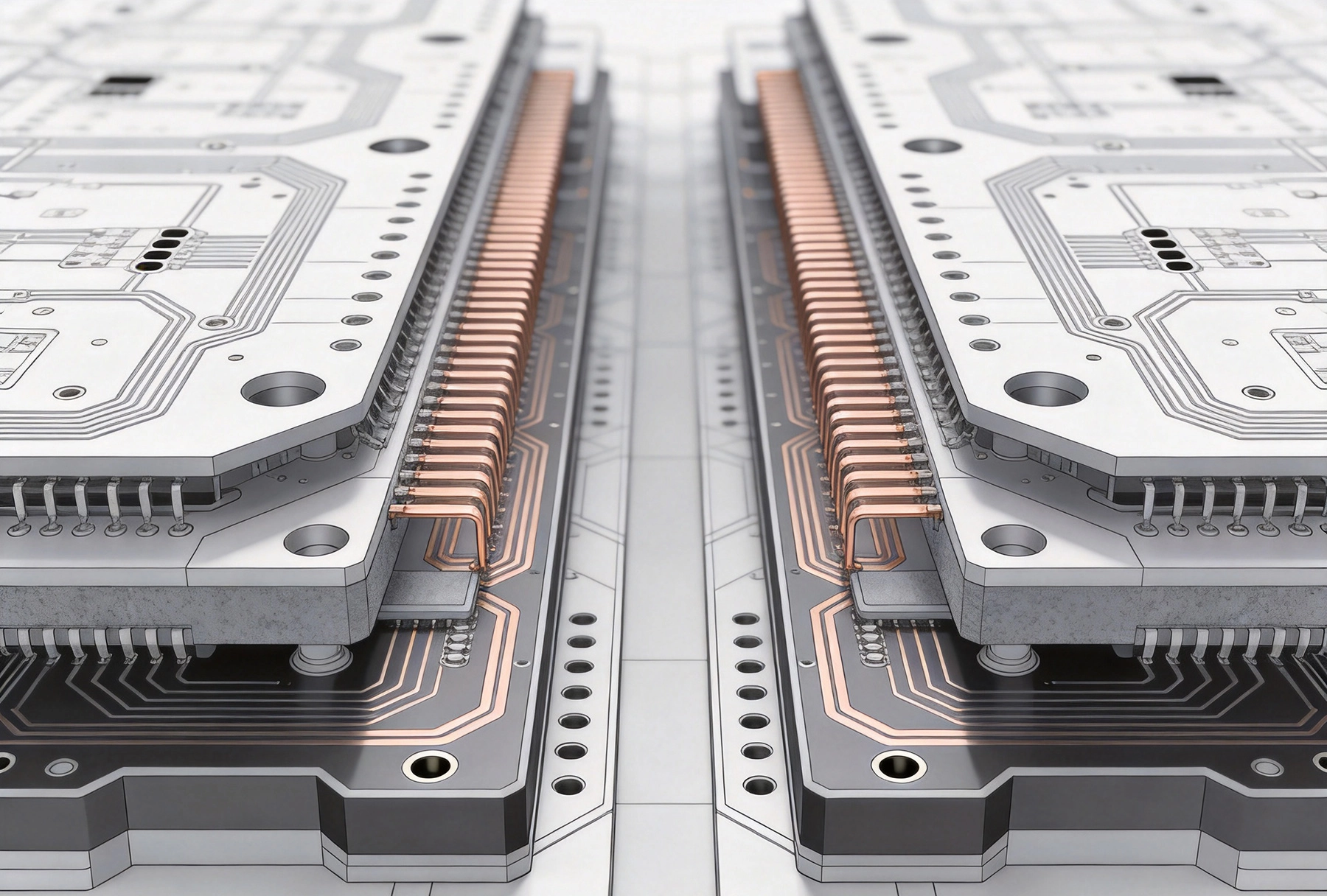
Power distribution in multilayer PCBs presents design challenges that differ fundamentally from signal-integrity-focused boards. When your design must carry significant current—tens of amps or more—the choices you make about layer arrangement, plan...
https://www.high-current-pcb.com/automotive-ev-systems/high-current-pcb-layer-stackup-symmetrical-vs-asymmetrical-power-planes/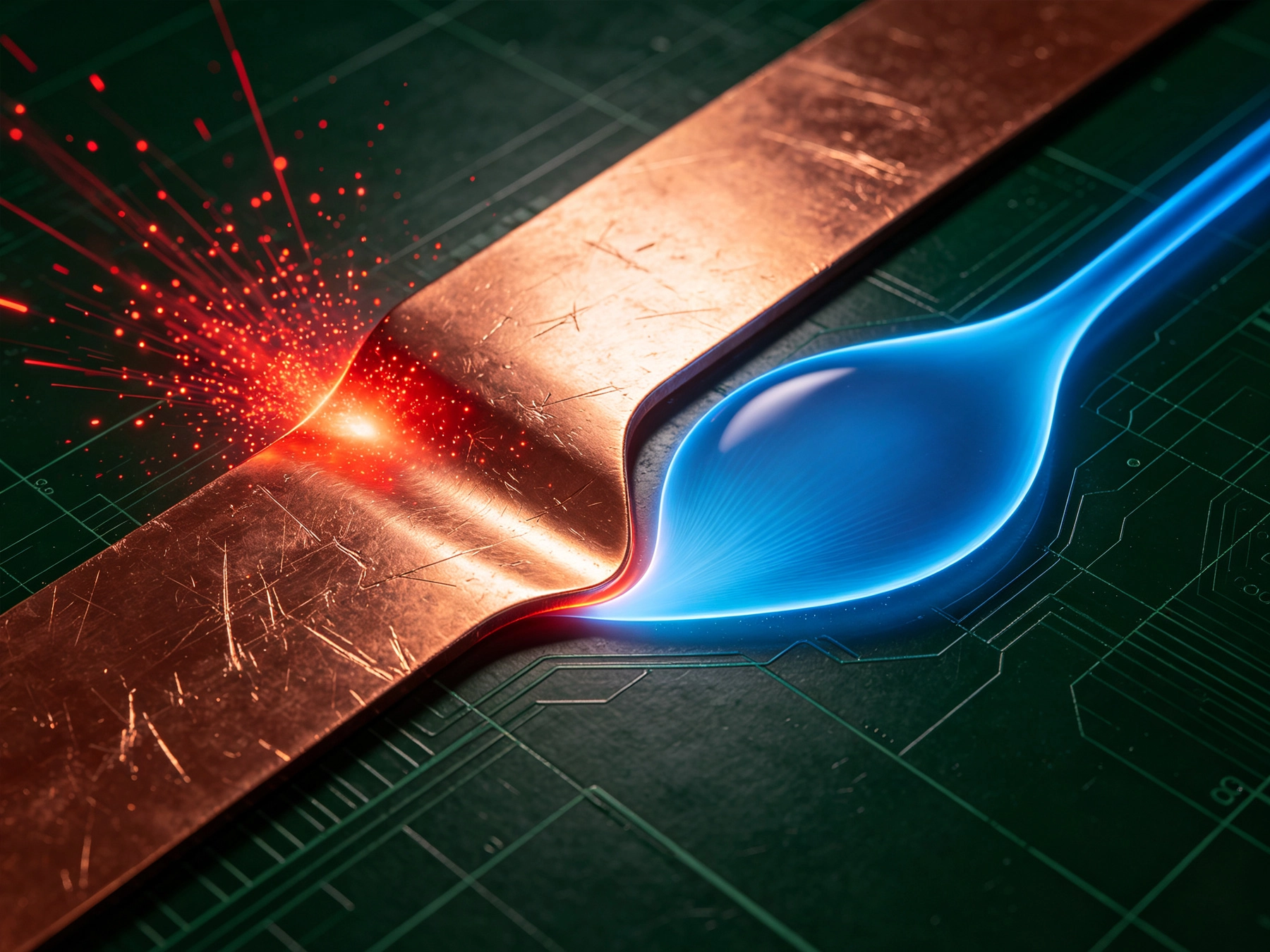
High current printed circuit board design presents unique challenges that go far beyond simple width calculations based on current requirements. One of the most critical yet often overlooked aspects involves current crowding effects at trace transi...
https://www.high-current-pcb.com/telecom-5g-high-speed-computing/high-current-pcb-current-crowding-sharp-corners-vs-teardrop-transitions/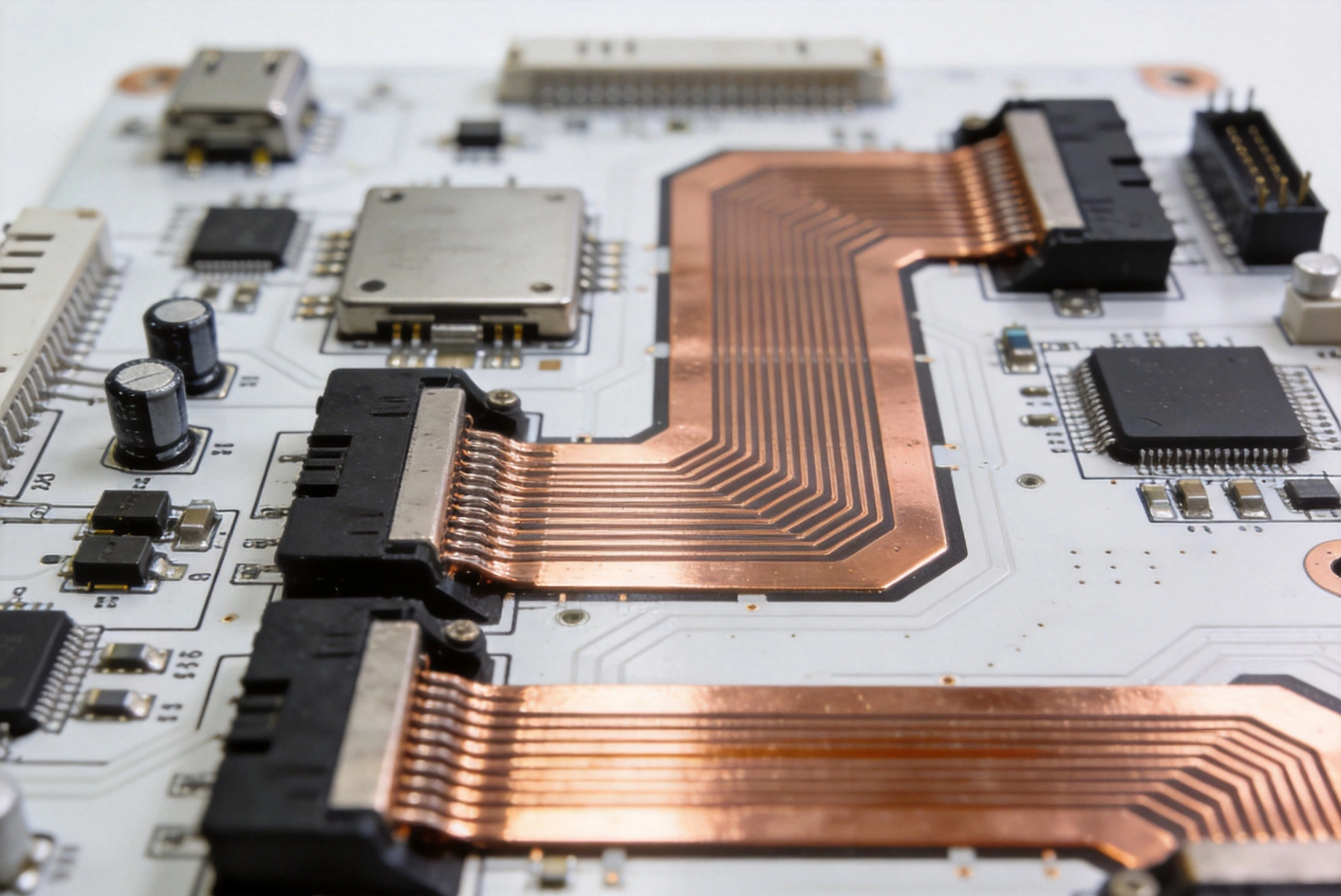
Aerospace power distribution systems place demands on PCB design that are fundamentally different from those of commercial electronics. A single board in an aircraft or spacecraft may need to carry hundreds of amps across bus bars, distribute power...
https://www.high-current-pcb.com/high-current-pcb-thermal-design/high-current-pcb-design-for-aerospace-power-distribution/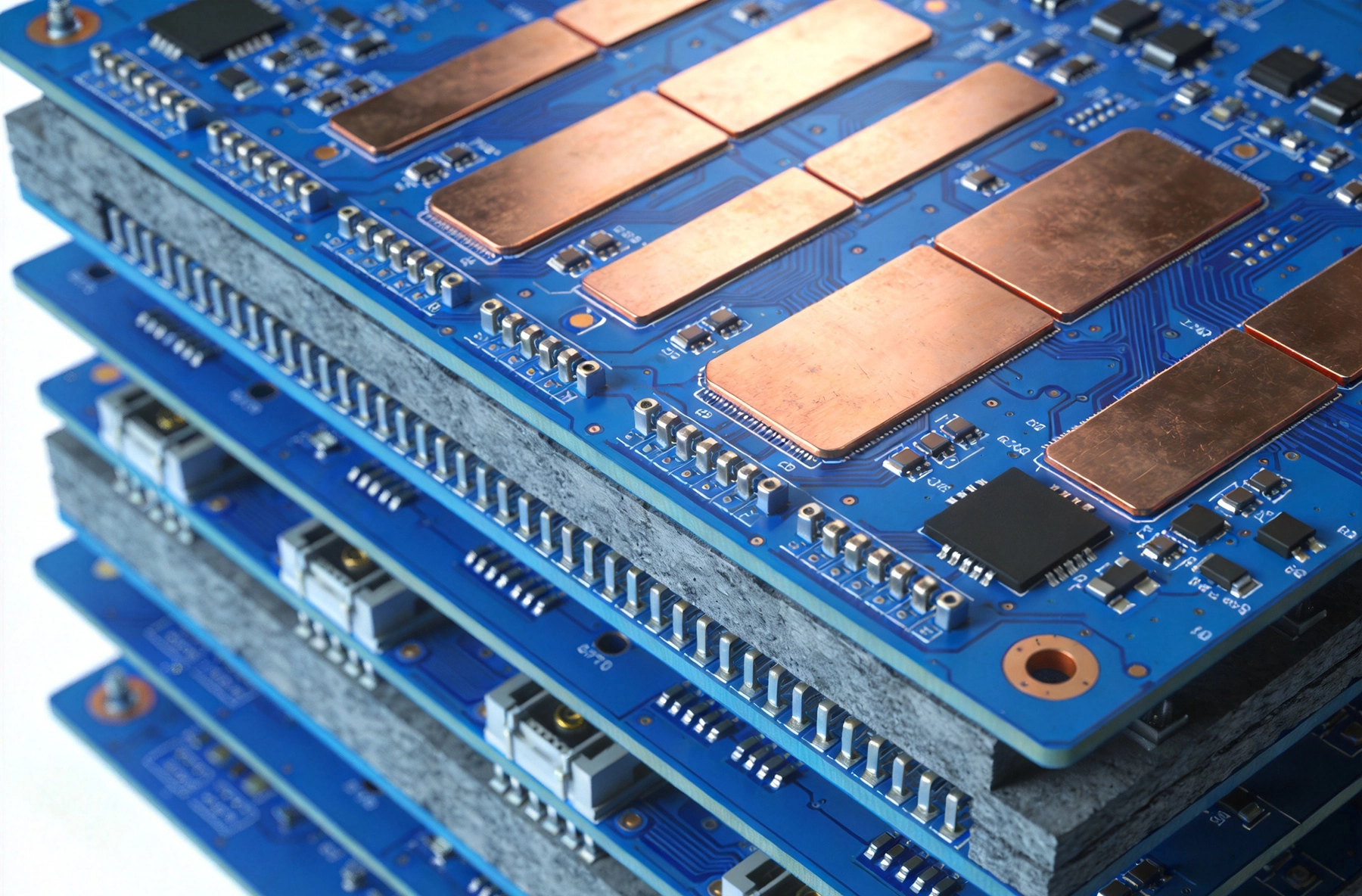
Telecommunications base stations are among the most demanding environments for printed circuit board design. A single macro cell site houses power amplifiers, radio transceivers, filters, and baseband processing units — all running simultaneously, ...
https://www.high-current-pcb.com/high-current-pcb-thermal-design/high-current-pcb-design-for-telecommunications-base-stations/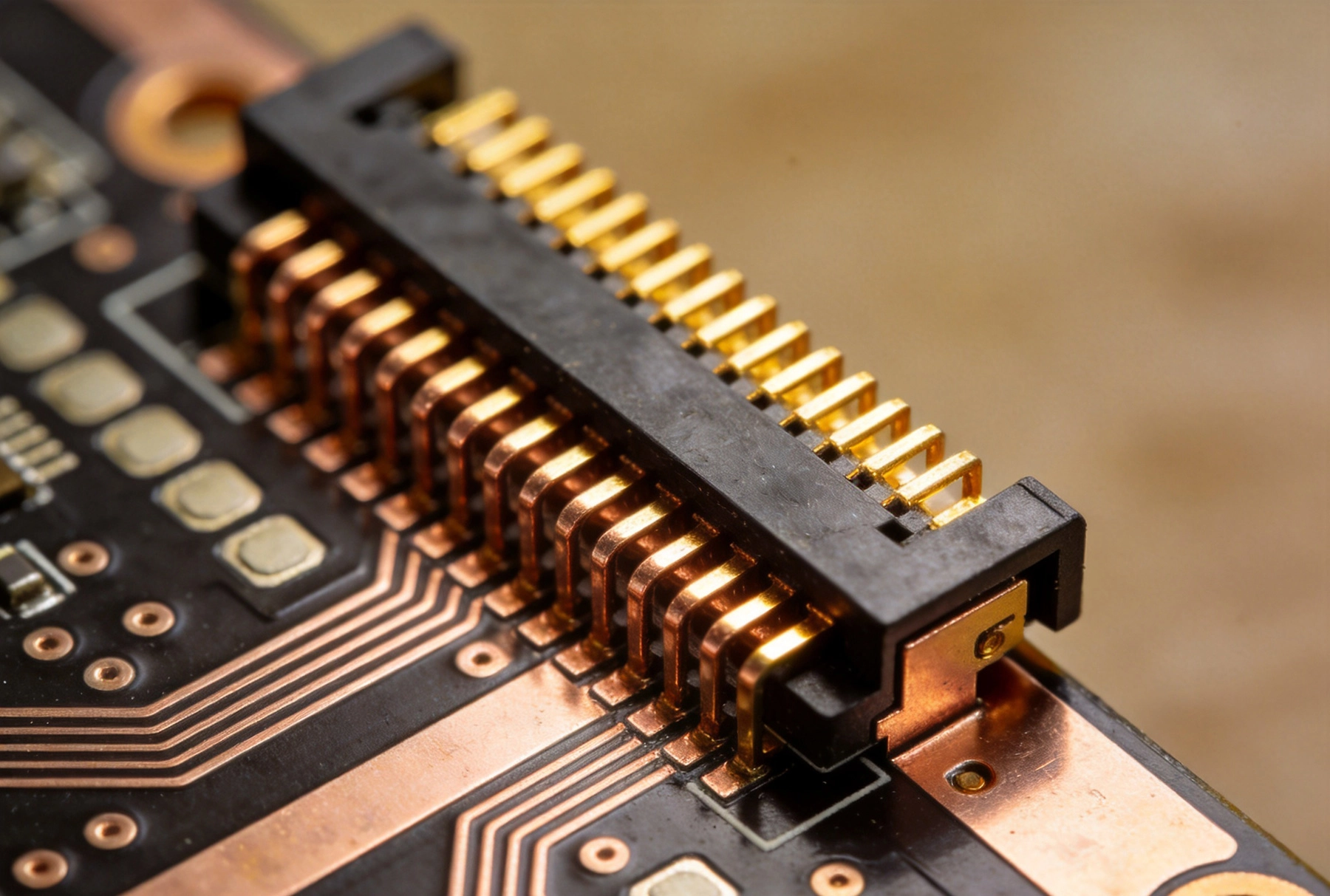
Power delivery is the unsung backbone of every electronic system. While signal integrity and high-speed routing get the spotlight, the connectors that carry tens or hundreds of amperes into and out of a PCB determine whether a design runs cool and ...
https://www.high-current-pcb.com/industrial-automation/high-current-pcb-edge-connectors-current-rating-and-thermal-limits/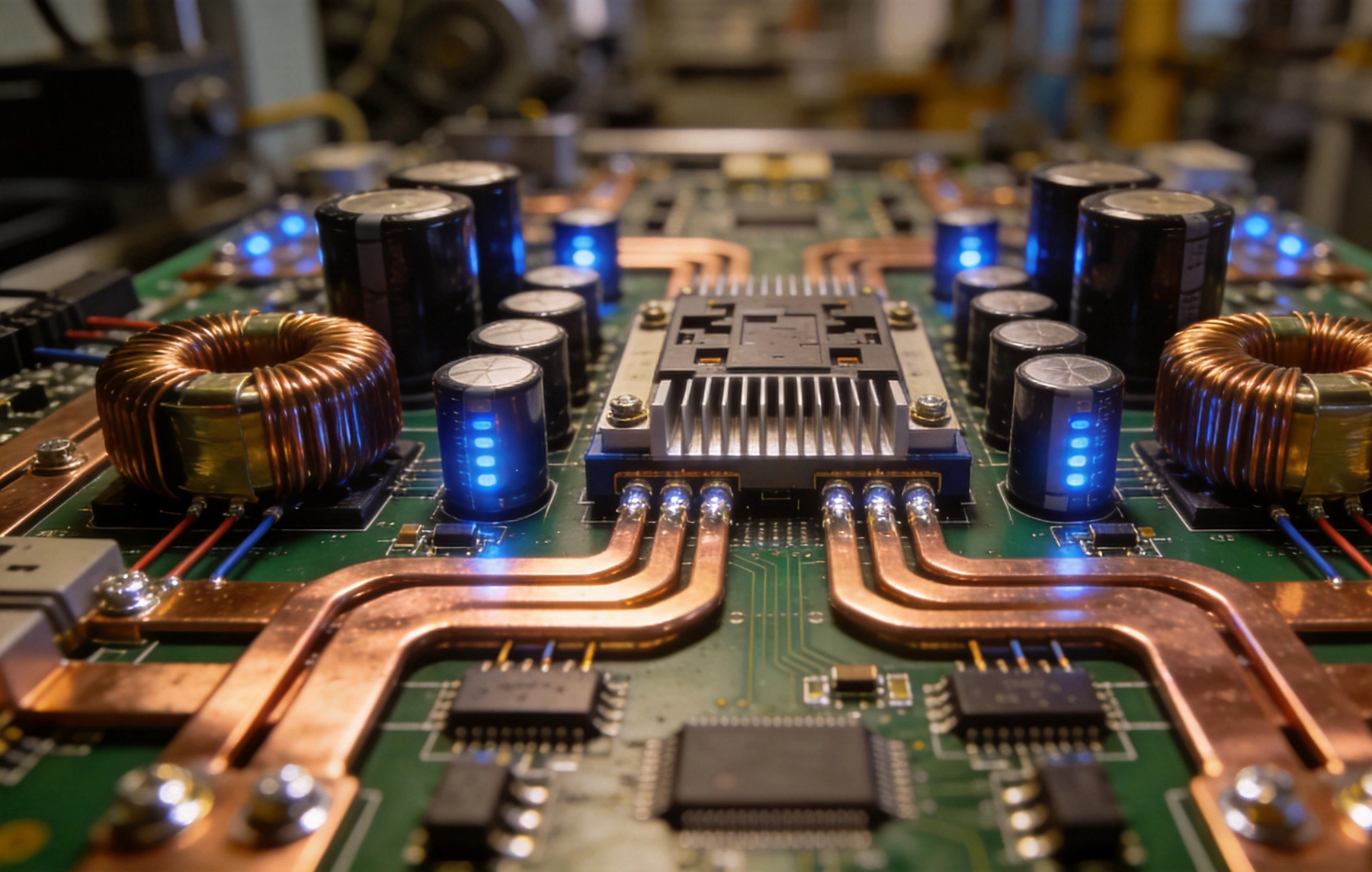
Industrial motor drives are among the most demanding applications in power electronics. A variable frequency drive (VFD) controlling a 30kW motor might switch hundreds of amps at bus voltages of 400V to 690V, generating heat inIGBT modules, DC link...
https://www.high-current-pcb.com/high-current-pcb-thermal-design/high-current-pcb-design-for-industrial-motor-drives/