

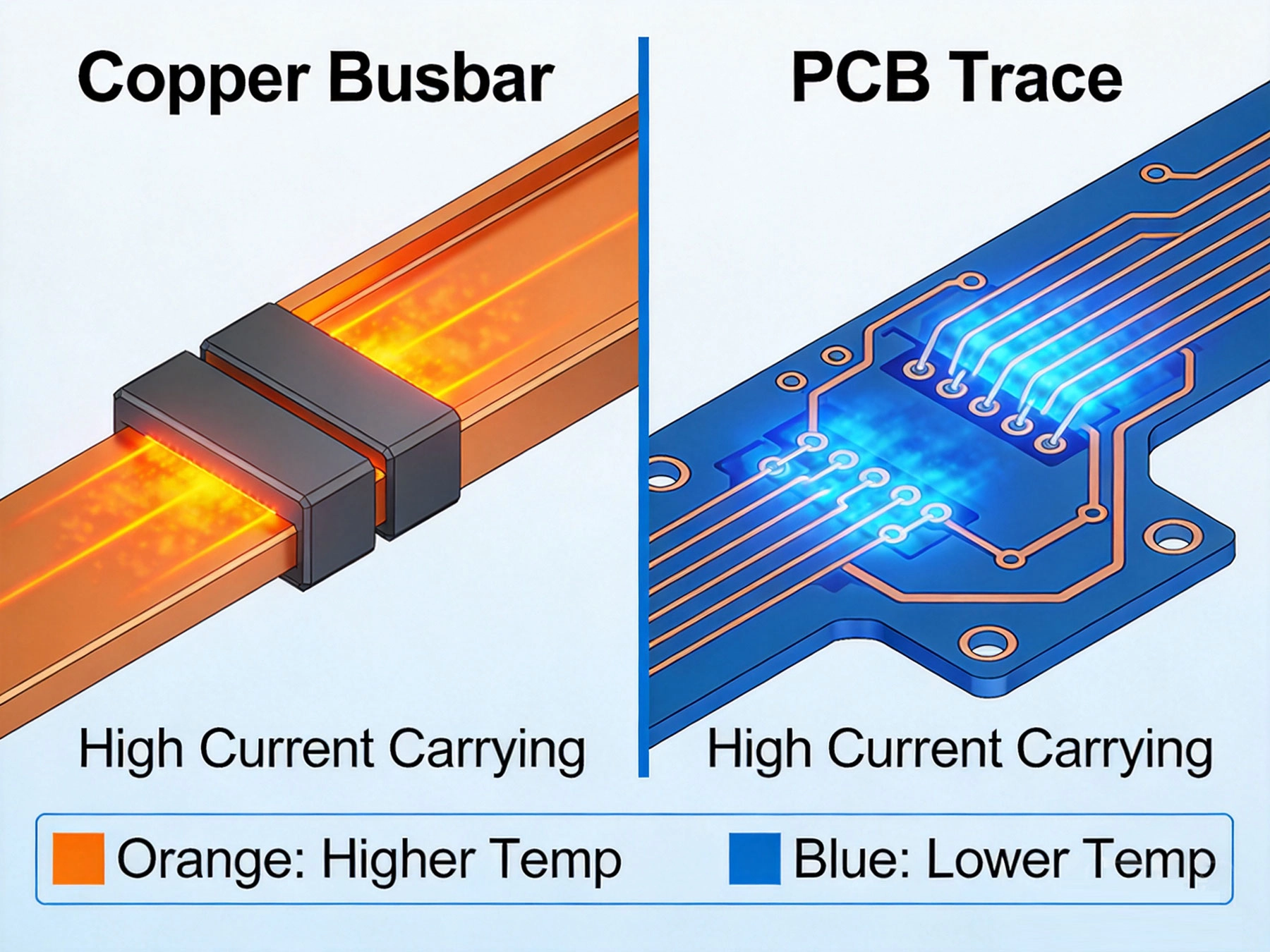
A manufacturing engineer's reality check on when to use each approach The Phone Call That Changed Our Approach Three years ago, a client called me at 11 PM, stressed about production costs. They had designed a 200A power distribution b...
https://www.high-current-pcb.com/high-current-pcb-dfm-tips/bus-bar-vs-pcb-trace-for-high-current/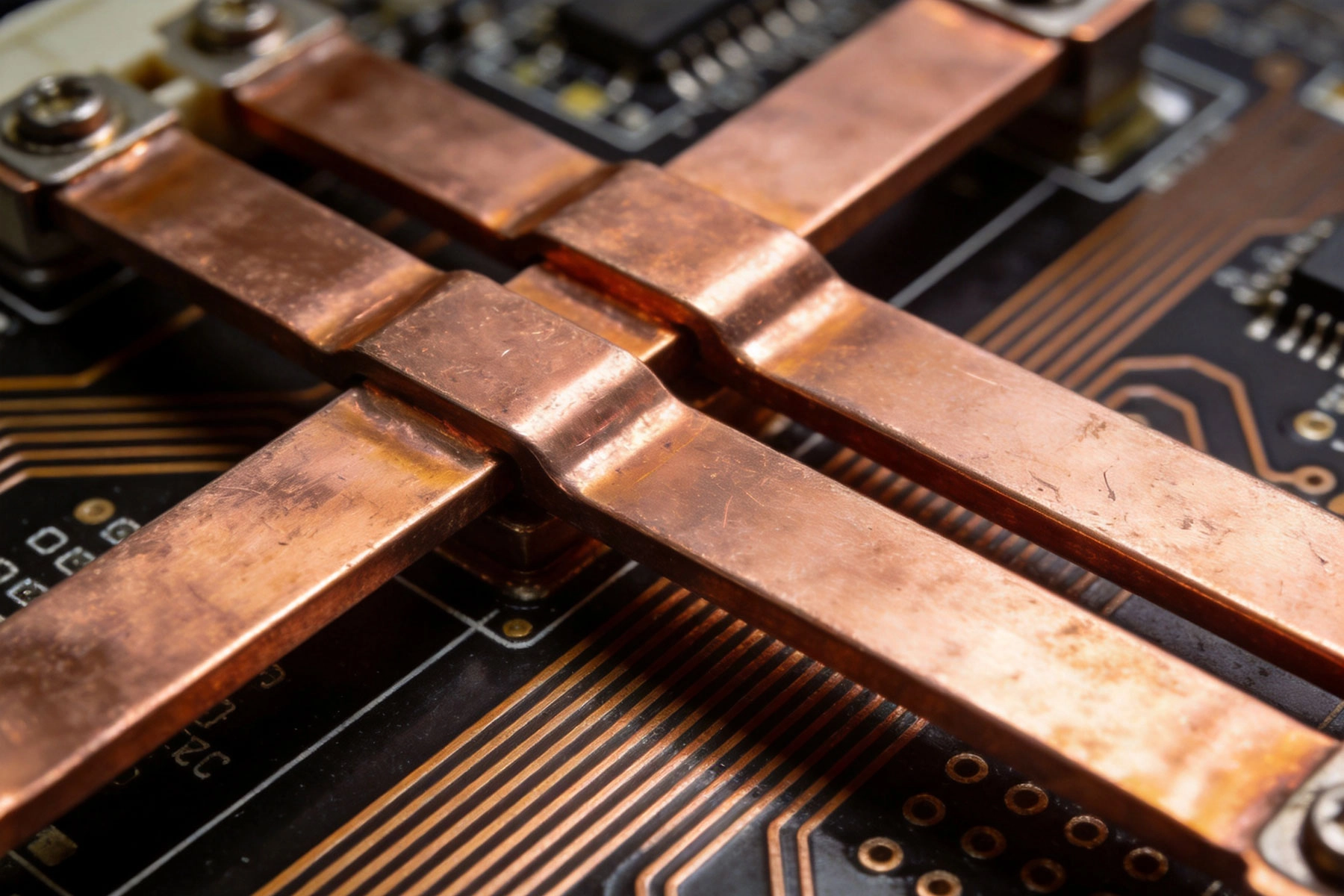
Introduction: The High Current Challenge Every electronics engineer faces this moment: your power-hungry application needs to move serious current—tens or even hundreds of amps—but your PCB traces just aren't cutting it. You start doing the mat...
https://www.high-current-pcb.com/high-current-pcb-faq/bus-bar-vs-pcb-trace-for-high-current-which-solution-wins/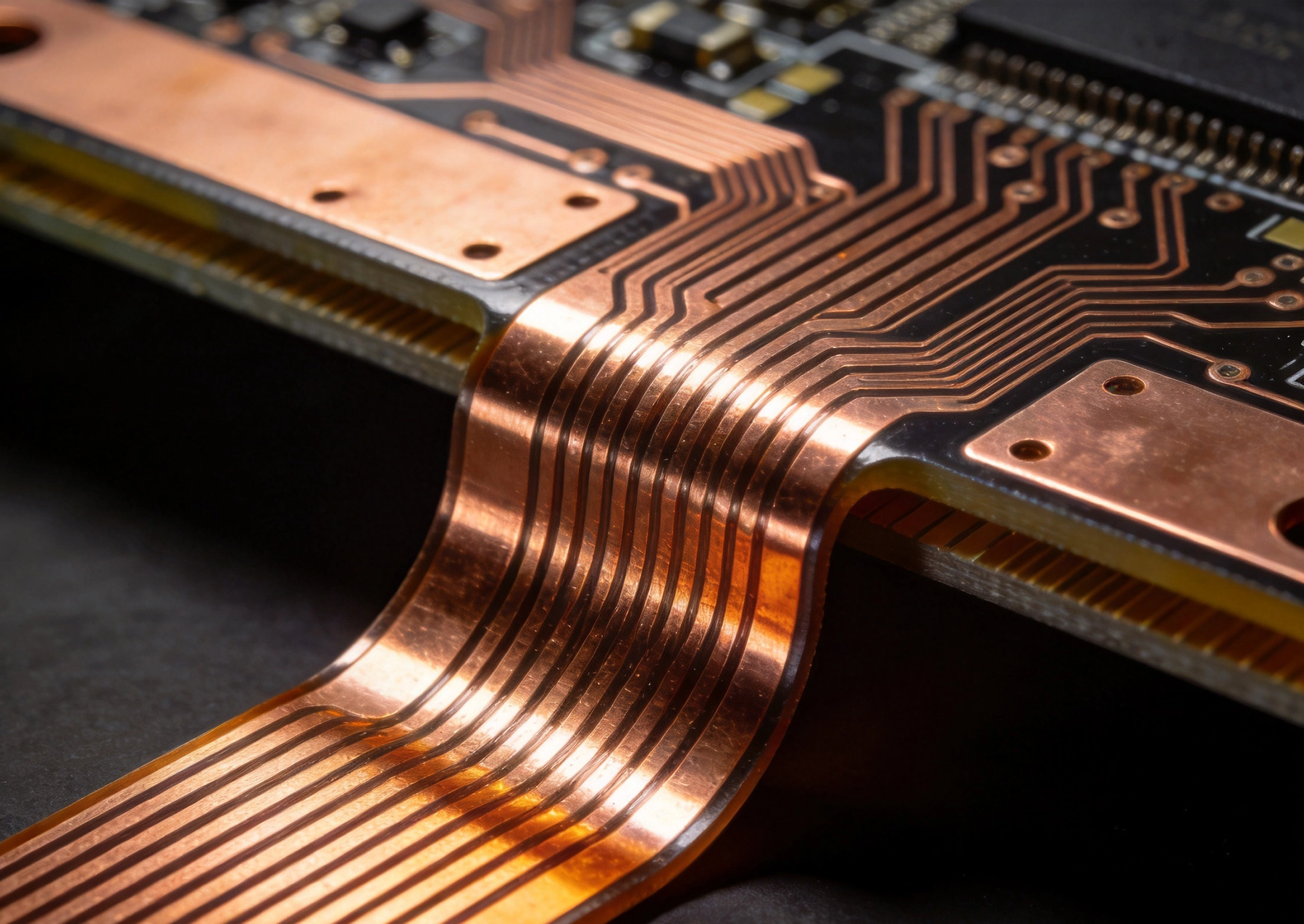
Rigid-flex PCBs solve real packaging problems. They eliminate connectors, reduce weight, and enable three-dimensional packaging that rigid boards alone can't achieve. But when you need to carry significant current—power for motors, battery systems,...
https://www.high-current-pcb.com/high-current-pcb-dfm-tips/high-current-pcb-flex-rigid-current-capacity-in-bend-areas/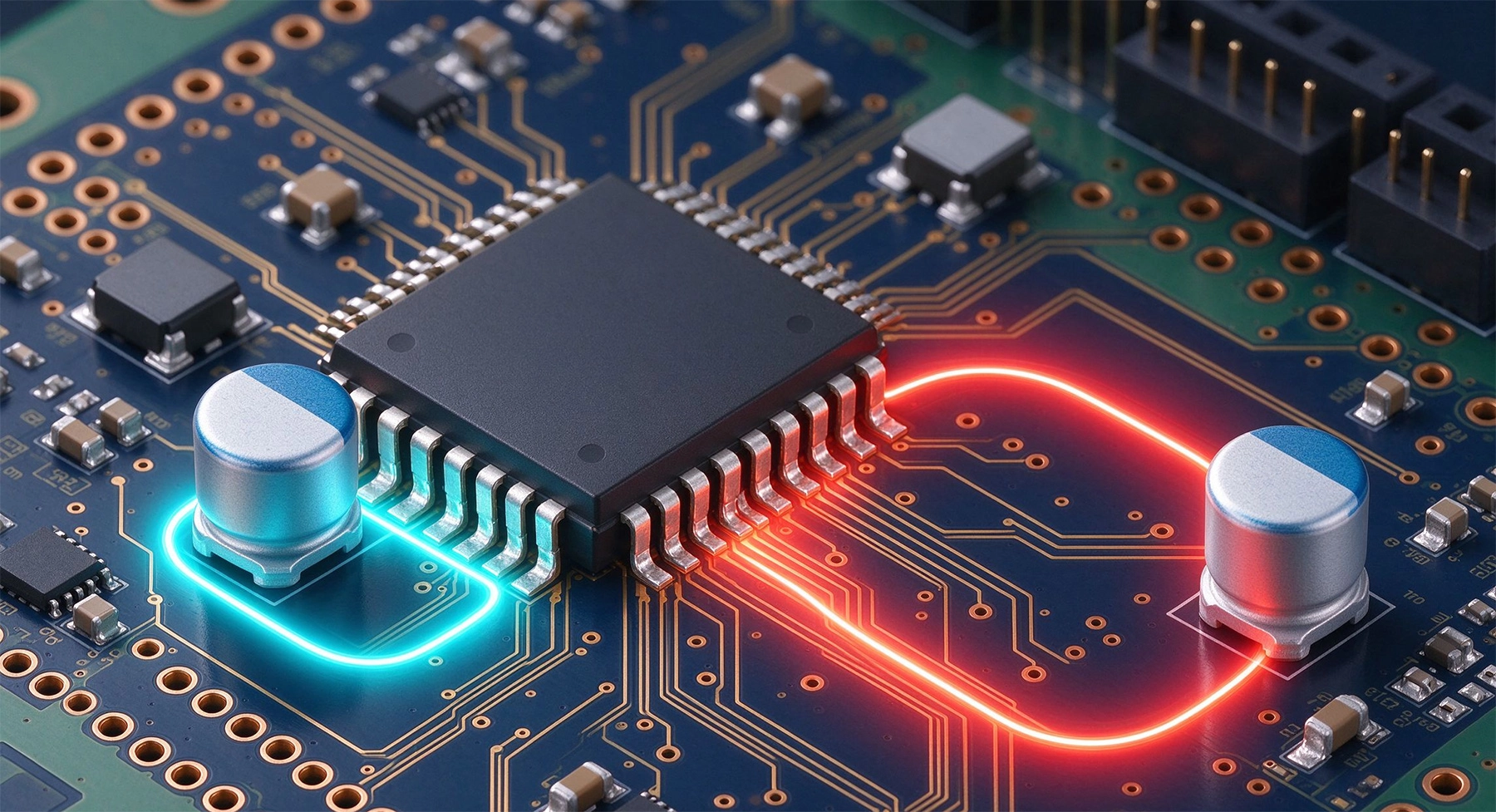
When designing high-speed or high-current digital circuits, decoupling capacitors are your first line of defense against power integrity failures. But when the currents involved reach the ampere level -- think FPGA I/O banks, high-performance micro...
https://www.high-current-pcb.com/high-current-pcb-dfm-tips/high-current-pcb-decoupling-caps-placement-distance-vs-loop-area/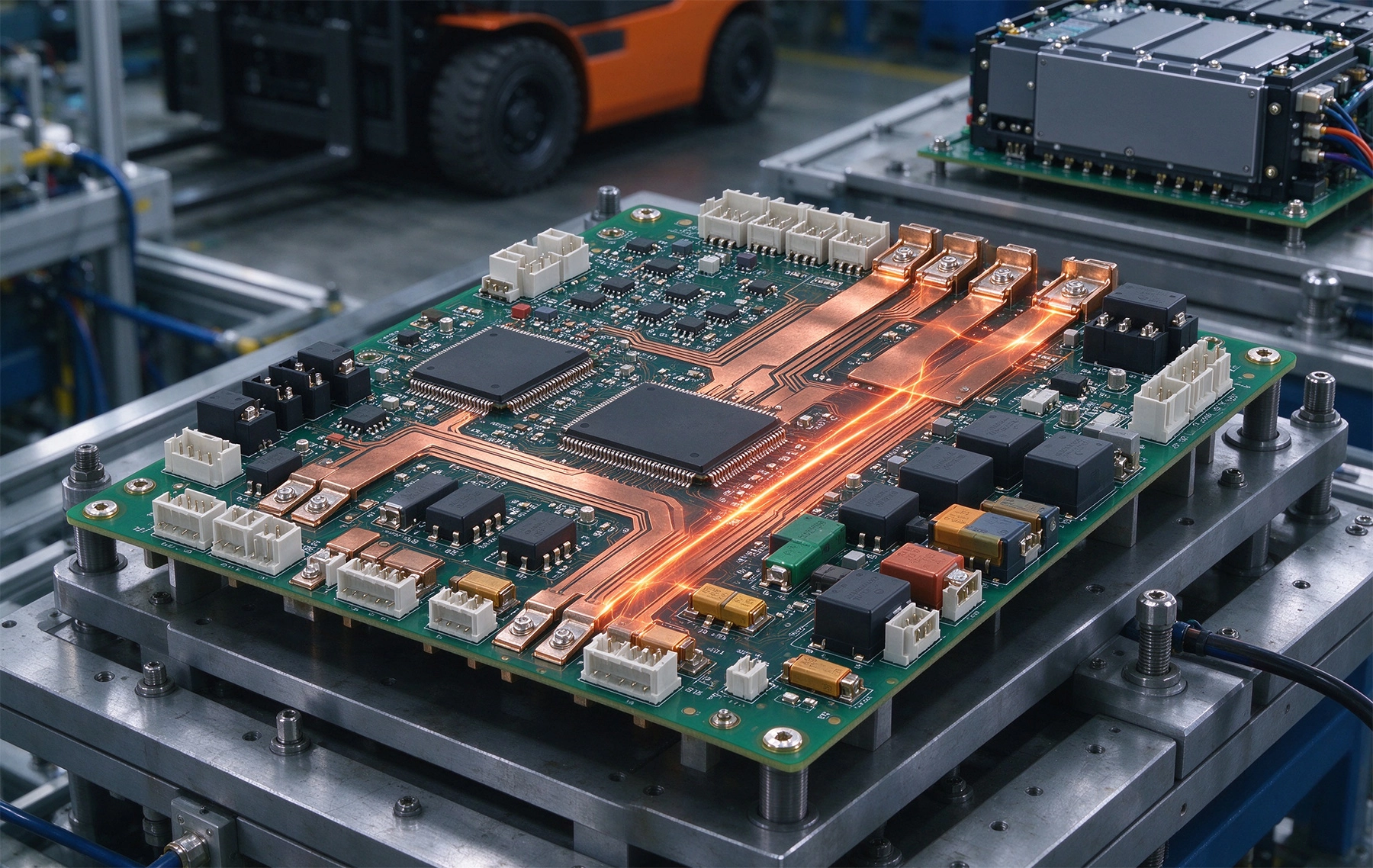
When you are working on the powertrain of an electric forklift, the stakes are high. We are talking about massive torque, heavy loads, and batteries pushing 48V to 80V systems with currents that can spike over 300A. In this environment, a standard ...
https://www.high-current-pcb.com/high-current-pcb-thermal-design/high-current-pcb-design-for-electric-forklifts-a-practical-engineering-guide/