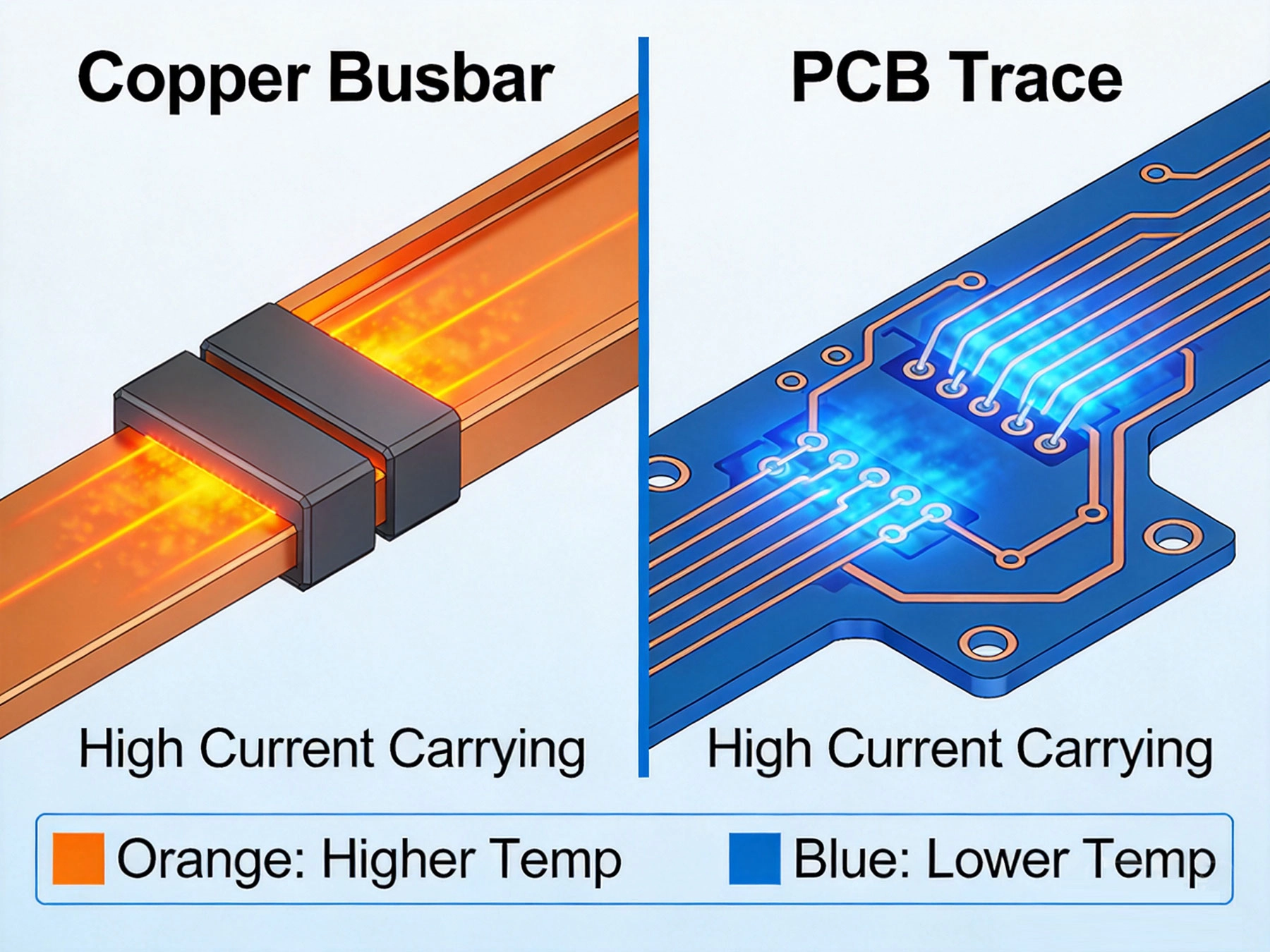
A manufacturing engineer's reality check on when to use each approachThe Phone Call That Changed Our ApproachThree years ago, a client called me at 11 PM, stressed about production costs. They had designed a 200A power distribution b...
https://www.high-current-pcb.com/high-current-pcb-dfm-tips/bus-bar-vs-pcb-trace-for-high-current/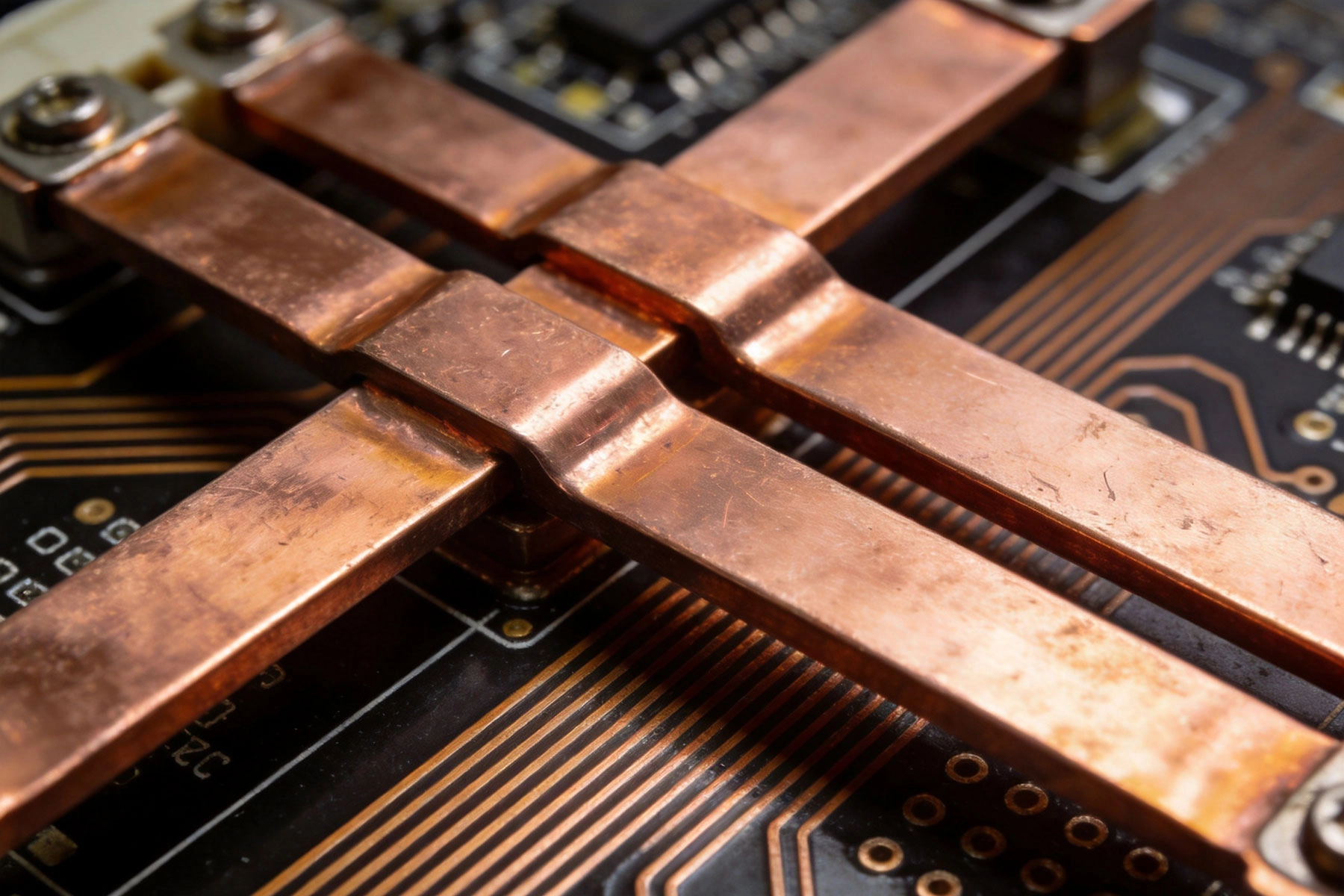
Introduction: The High Current ChallengeEvery electronics engineer faces this moment: your power-hungry application needs to move serious current—tens or even hundreds of amps—but your PCB traces just aren't cutting it. You start doing the mat...
https://www.high-current-pcb.com/high-current-pcb-faq/bus-bar-vs-pcb-trace-for-high-current-which-solution-wins/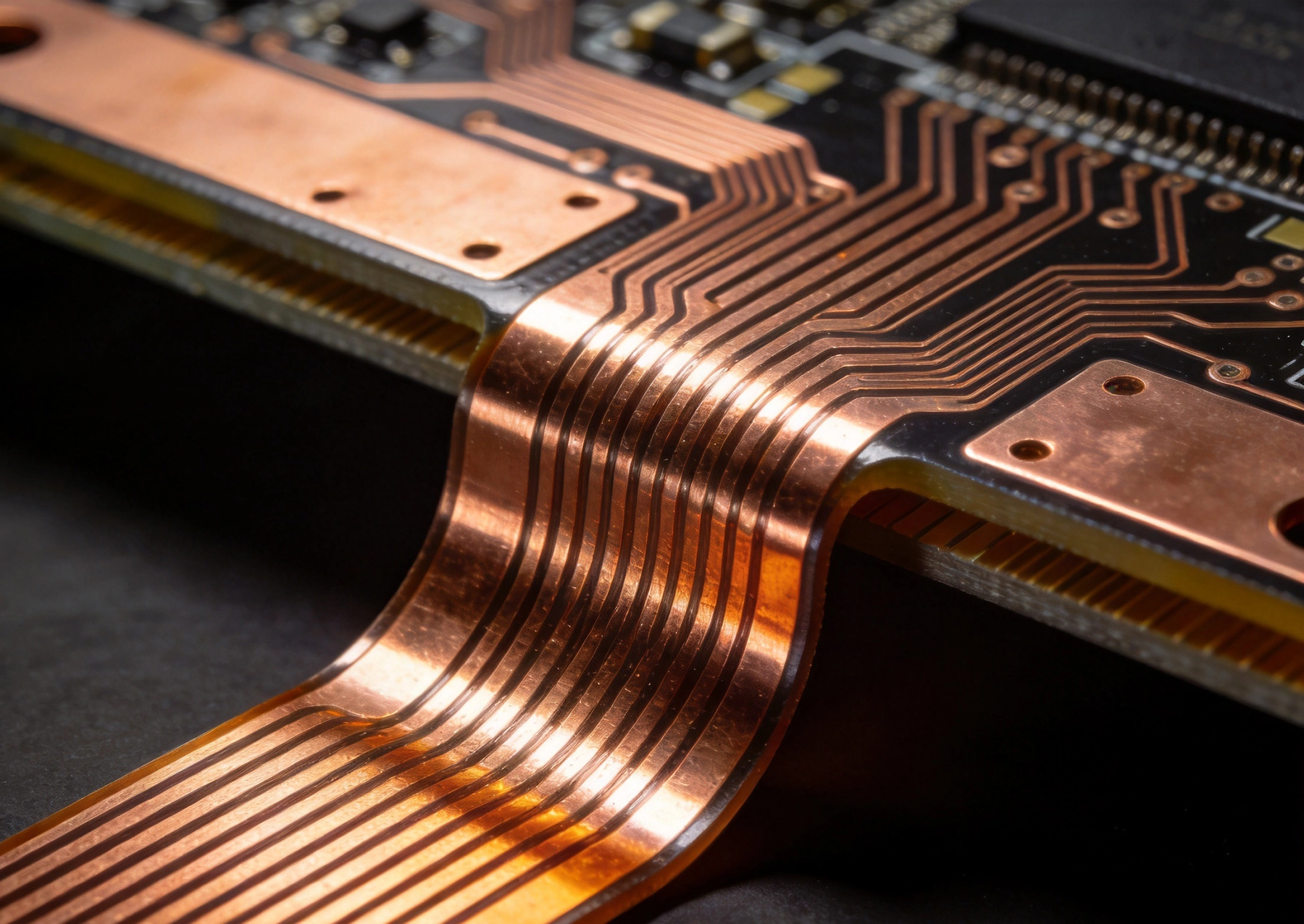
Rigid-flex PCBs solve real packaging problems. They eliminate connectors, reduce weight, and enable three-dimensional packaging that rigid boards alone can't achieve. But when you need to carry significant current—power for motors, battery systems,...
https://www.high-current-pcb.com/high-current-pcb-dfm-tips/high-current-pcb-flex-rigid-current-capacity-in-bend-areas/