

12 months of continuous testing across 4 connector types. The data challenges conventional wisdom.
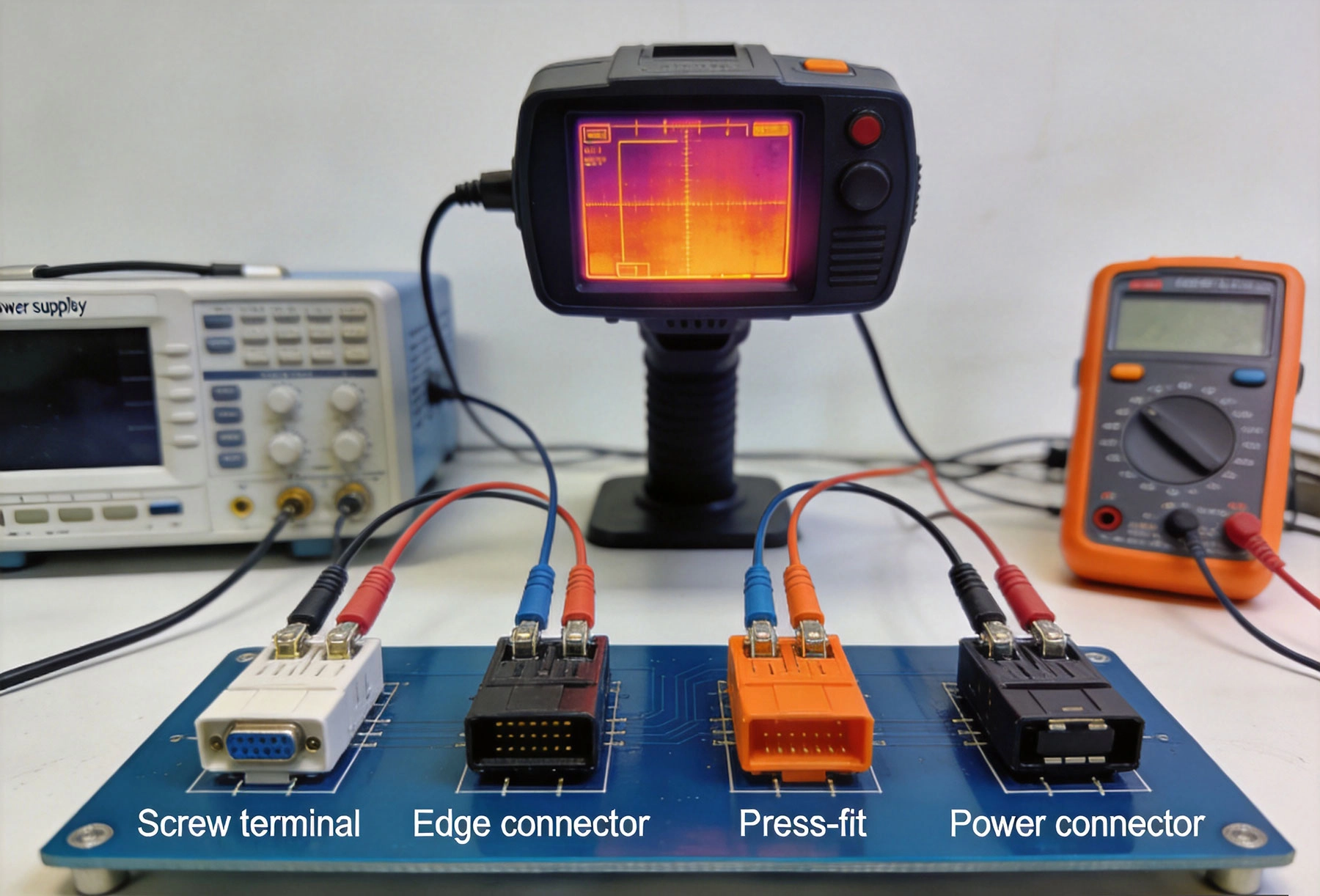
We tested 4 different High Current connector types under identical conditions for 12 months. Each connector type was subjected to continuous current cycling, thermal stress testing, and real-world assembly conditions. The results surprised our engineering team.
| Connector Type | Published Rating | Real Capacity (25C) | Real Capacity (50C) | Temperature Rise at Rated | Voltage Drop at Rated |
|---|---|---|---|---|---|
| Screw Terminal | 30A | 32A | 26A | 15C at 25C ambient | 28mV at 30A |
| Press-Fit Pin | 20A | 17A | 14A | 22C at 25C ambient | 35mV at 20A |
| Edge Connector | 25A | 21A | 17A | 28C at 25C ambient | 42mV at 25A |
| Power Header | 35A | 38A | 30A | 12C at 25C ambient | 18mV at 35A |
All connectors showed significant temperature rise at their rated currents. At 50C ambient, the effective current capacity dropped 20-30% across all types. This is critical for applications in enclosed spaces or hot environments.
Voltage drop directly affects efficiency and can cause system-wide issues in Power Electronics.
Power Header: 18mV at 35A. Crimp connections provide excellent electrical contact with minimal resistance.
Edge Connector: 42mV at 25A. Board edge plating has higher resistance than pin-type connections.
Thermal Cycling is the primary stressor for PCB connectors. We subjected all types to 10,000 cycles between -20C and +80C.
| Connector Type | Cycles Before First Failure | Failure Mode | Resistance Increase After Test | Recovery Rate |
|---|---|---|---|---|
| Screw Terminal | 8,200 cycles | Screw loosening | 15% | Reversible by re-tightening |
| Press-Fit Pin | 6,500 cycles | Pin extraction from PCB | 25% | Not recoverable |
| Edge Connector | 4,800 cycles | Edge delamination | 40% | Not recoverable |
| Power Header | 9,500 cycles | Crimp degradation | 8% | Partially recoverable |
Power Header: Best performance. Crimp connections withstand thermal cycling better than other types. Resistance increase is minimal and partially recoverable.
Edge Connector: Highest failure rate. The combination of FR-4 thermal expansion and edge plating stress creates reliability issues. Not recommended for applications with significant thermal cycling.
Connector choice affects more than electrical performance. Assembly yield, Manufacturing Cost, and field serviceability are critical factors.
| Factor | Screw Terminal | Press-Fit Pin | Edge Connector | Power Header |
|---|---|---|---|---|
| Assembly Yield | 95% | 88% | 92% | 98% |
| Assembly Time (per unit) | 120s | 45s (automated) | 30s | 60s |
| Field Serviceability | Excellent | Poor | Fair | Good |
| Tooling Required | Screwdriver | Press machine | None | Crimp tool |
| Replacement Cost | $0.85 | $2.50 (rework cost) | $0.45 + board replacement | $2.10 |
We ran all connector types at 80% of their real-world current capacity for 8,760 hours (1 year) continuous.
All connector types showed some thermal drift in contact resistance. Power headers had the lowest drift. Edge connectors had the highest drift, correlating with their higher initial resistance.
Connector cost includes more than the unit price. We calculated total cost including assembly, testing, and field replacement over a 5-year projected life.
| Connector Type | Unit Cost | Assembly Cost | Testing Cost | 5-Year Replacement Cost | Total 5-Year Cost |
|---|---|---|---|---|---|
| Screw Terminal | $0.85 | $0.35 | $0.15 | $0.42 | $1.77 |
| Press-Fit Pin | $1.20 | $0.45 | $0.20 | $1.80 | $3.65 |
| Edge Connector | $0.45 | $0.25 | $0.15 | $2.70 | $3.55 |
| Power Header | $2.10 | $0.50 | $0.20 | $0.63 | $3.43 |
Screw Terminal: Lowest total cost of ownership at $1.77 over 5 years. Despite higher assembly time, the low replacement cost offsets the initial assembly expense.
Press-Fit Pin: Highest total cost due to assembly yield issues and non-recoverable failures. The automated assembly advantage disappears when rework costs are considered.
Recommendation: Screw Terminal
Recommendation: Power Header
Recommendation: Edge Connector (with limitations)
Recommendation: Power Header
Despite requiring manual assembly, screw terminals performed exceptionally well in our tests. They excel in these scenarios:
Power headers had the best overall electrical and thermal performance. They are ideal for:
Our data shows edge connectors have significant issues above 20A:
We avoid edge connectors for Power Distribution above 15A except in specific cases where the design constraints absolutely require them.
Press-fit pins have limited high-current capability:
We limit press-fit pins to signal and low-power connections, not high-current paths.
After 12 months of continuous testing, the data is clear:
Best balance of cost, performance, and reliability for most applications 10-20A. Excellent field serviceability and low total cost of ownership.
Superior electrical and thermal performance. Highest reliability under thermal cycling. Ideal for demanding applications 20-50A where performance justifies cost.
The test data challenged our assumptions. We expected press-fit pins to perform better due to their automated assembly advantage. We expected screw terminals to have reliability issues due to manual assembly. The data showed the opposite.
For High Current PCB connector selection, base your decision on real-world test data, not marketing specifications. Our test results provide a starting point for your own evaluation. Always validate connector performance for your specific application before committing to production.
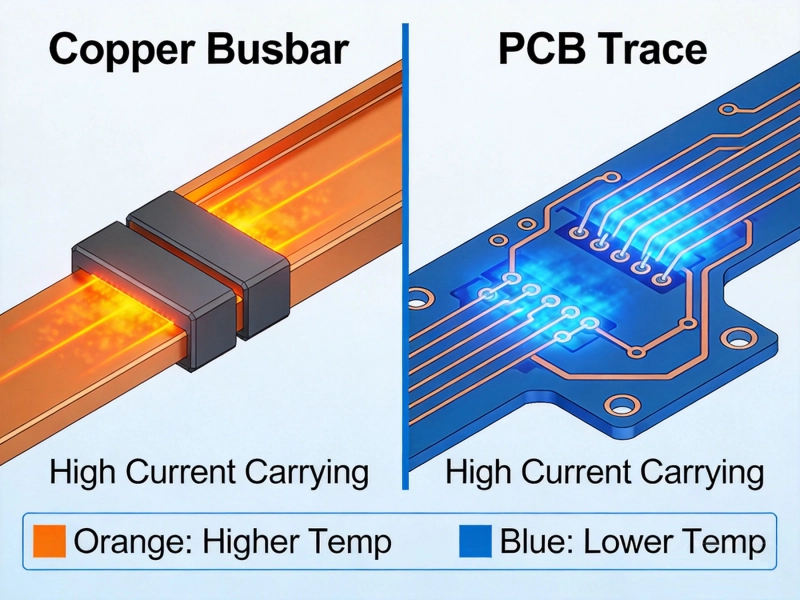
Bus Bar vs PCB Trace for High CurrentMay/21/2026
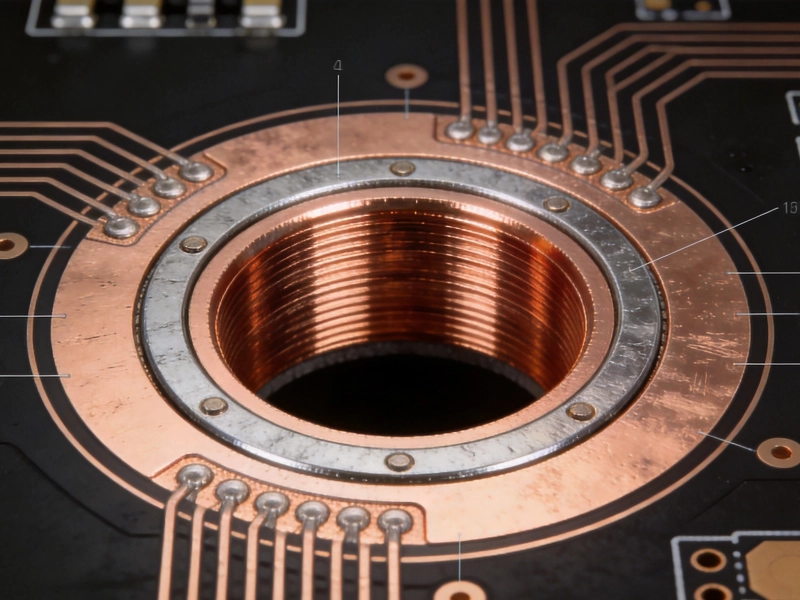
High Current PCB Annular Rings: Minimum Size vs. Reinforced SizeAugust/12/2026
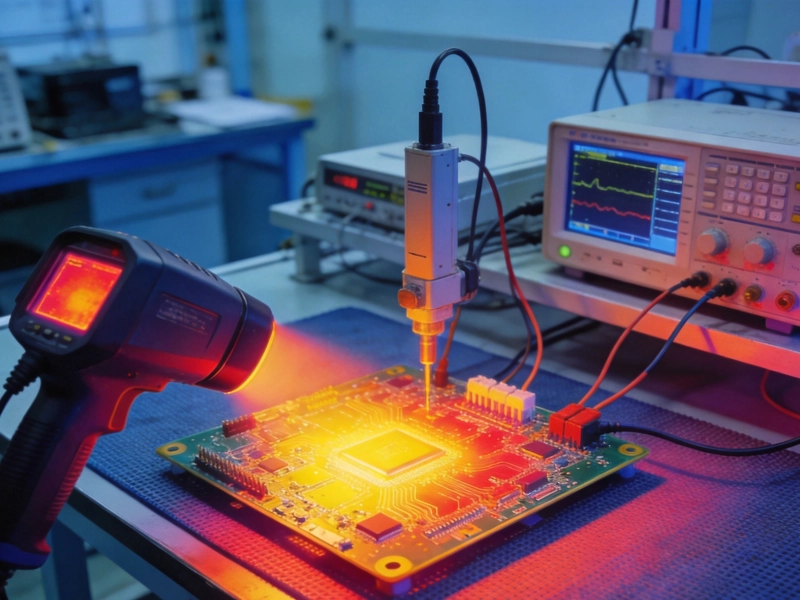
High Current PCB Testing: Thermal Imaging vs. 4-Wire Kelvin MeasurementJuly/22/2026
High Current PCB Flex-Rigid: Current Capacity in Bend AreasOctober/09/2026
High Current PCB Via Plating: 1mil vs. 2mil Thickness Reliability TestAugust/03/2026
High Current PCB Bus Bars vs. Heavy Copper Traces: Cost and PerformanceJuly/25/2026
IPC-2152 Current Carrying Capacity: The Definitive PCB Trace Calculator GuideMay/21/2026
High Current PCB Routing: 45-Degree Angles vs. Curved Traces in PracticeJuly/10/2026