

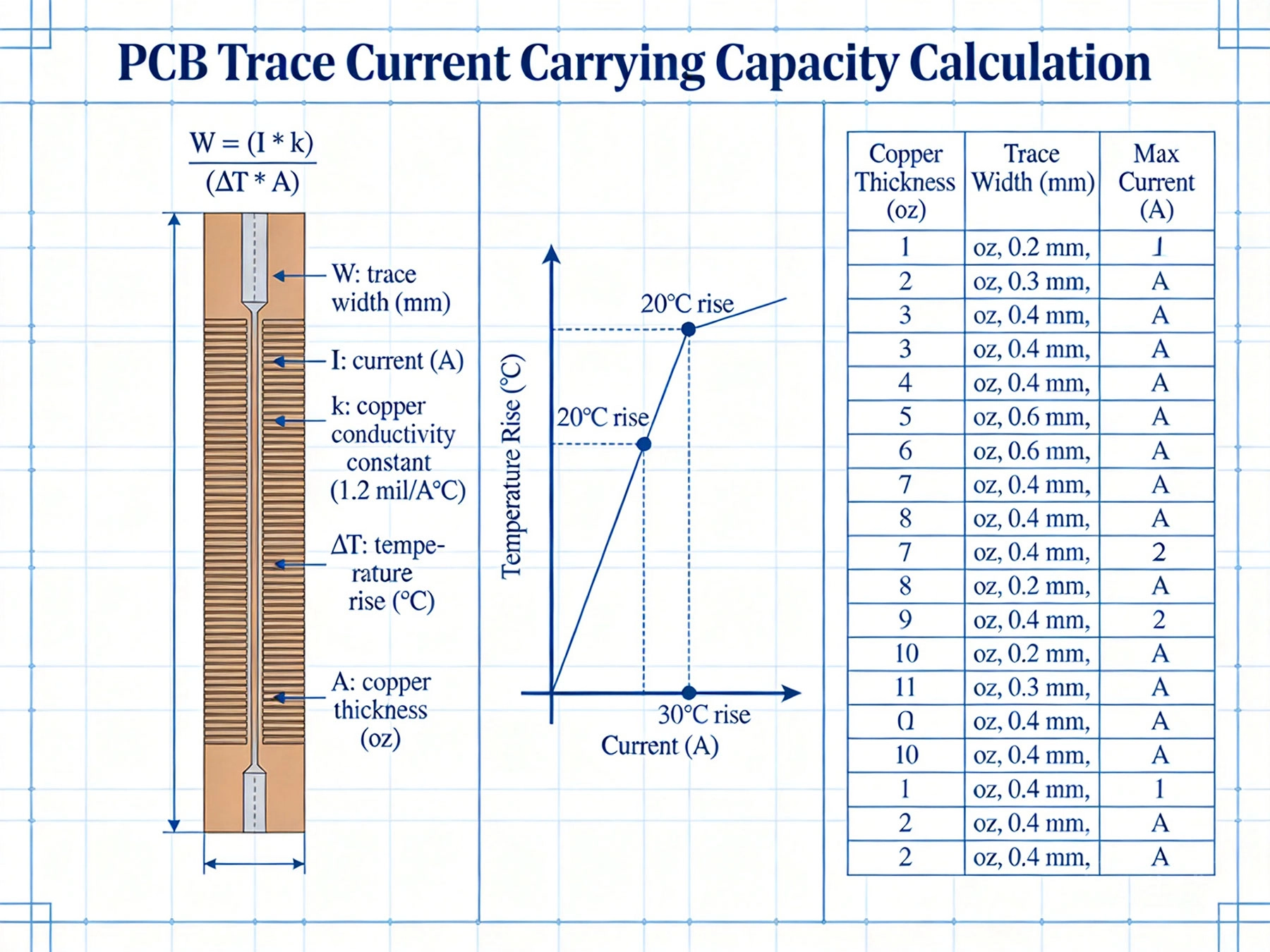
Why smart engineers stopped using trace width calculators—and started understanding the physics Why IPC-2152 Changes Everything For decades, PCB designers relied on IPC-2221 (formerly MIL-STD-275) trace width charts. The problem? ...
https://www.high-current-pcb.com/high-current-pcb-dfm-tips/ipc-2152-current-carrying-capacity-the-definitive-pcb-trace-calculator-guide/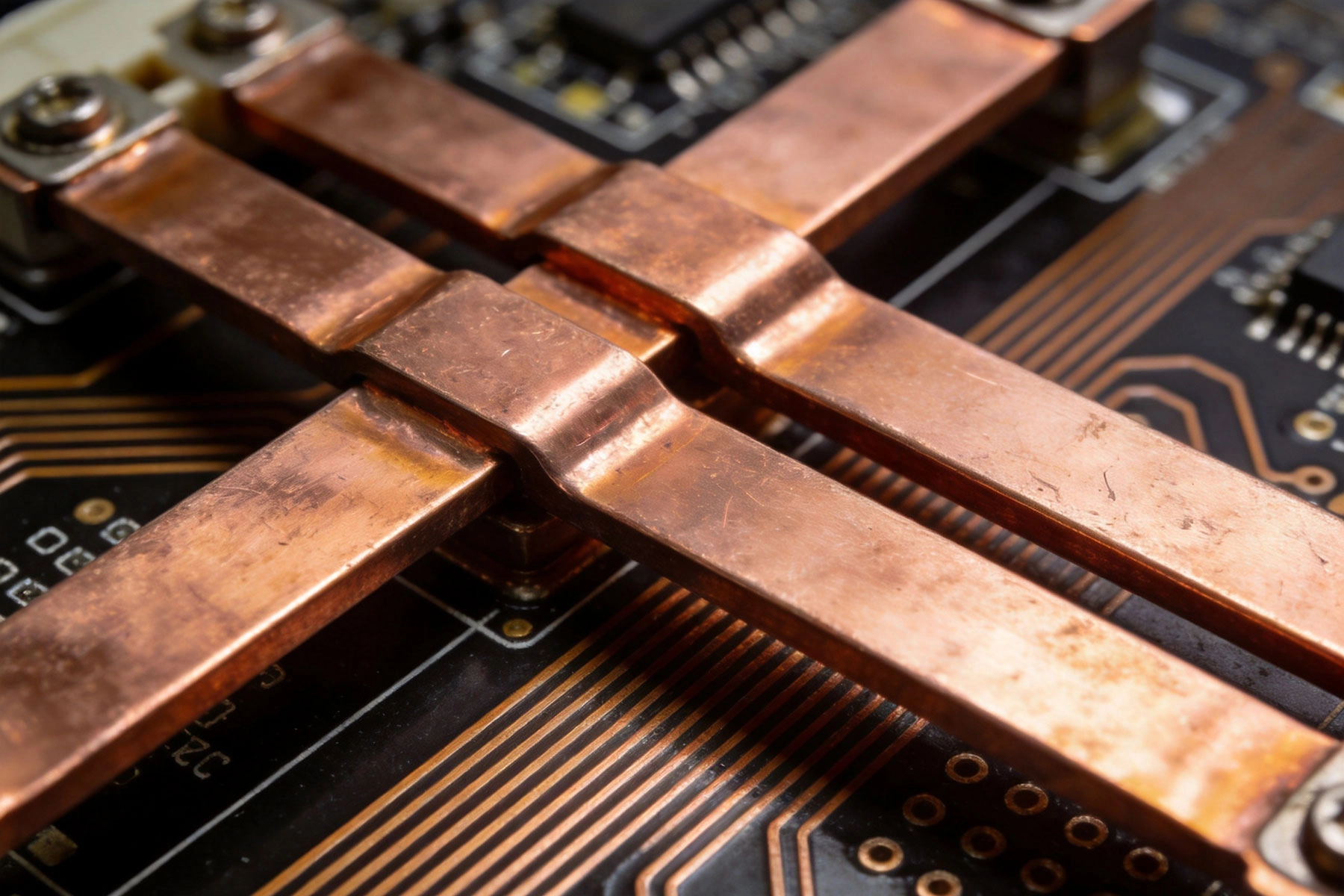
Introduction: The High Current Challenge Every electronics engineer faces this moment: your power-hungry application needs to move serious current—tens or even hundreds of amps—but your PCB traces just aren't cutting it. You start doing the mat...
https://www.high-current-pcb.com/high-current-pcb-faq/bus-bar-vs-pcb-trace-for-high-current-which-solution-wins/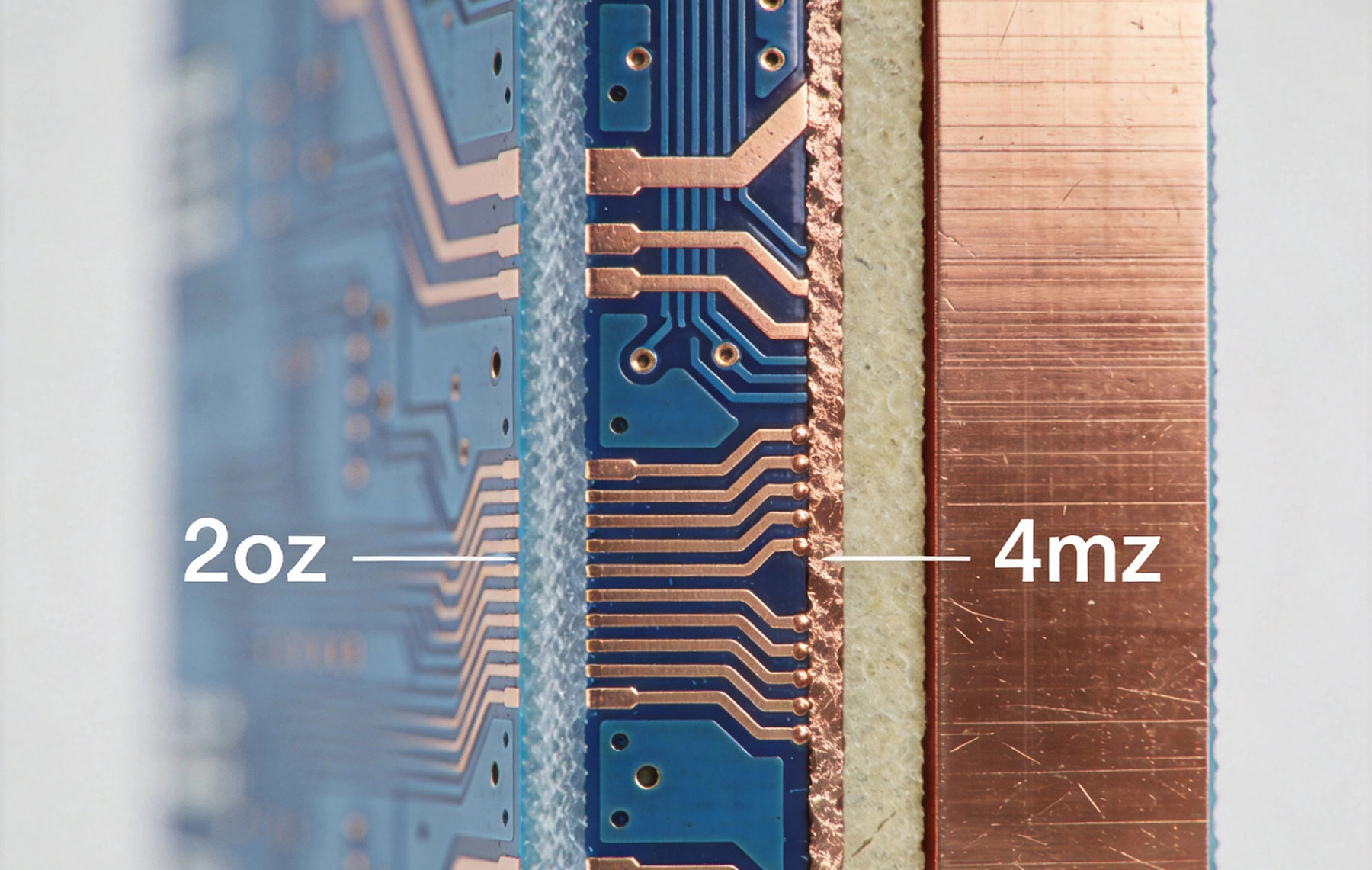
When designing printed circuit boards for high current applications, copper thickness becomes a critical decision that impacts everything from electrical performance to thermal management and manufacturing cost. The choice between 2oz and 4oz coppe...
https://www.high-current-pcb.com/high-current-pcb-thermal-design/2oz-vs-4oz-copper-which-is-best-for-your-high-current-pcb/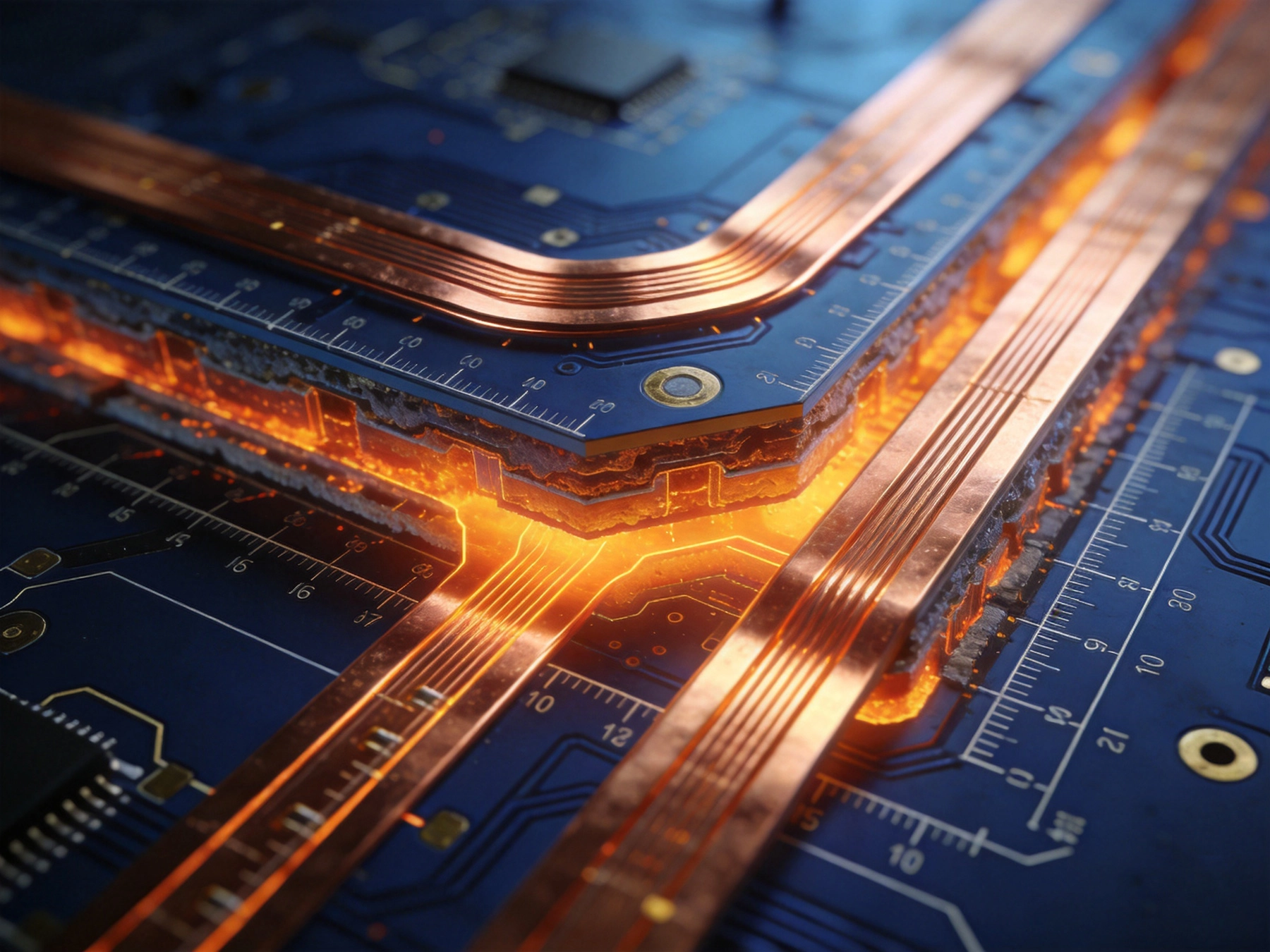
Designing printed circuit boards for high current applications demands precision in trace width calculations. The copper conductors that carry power through your PCB must dissipate heat while maintaining structural integrity and avoiding voltage dr...
https://www.high-current-pcb.com/industrial-automation/high-current-pcb-trace-width-ipc-2152-calculator-vs-empirical-formulas/
When your PCB design needs to handle tens or hundreds of amps, ordinary copper traces quickly reach their limits. Standard PCB fabrication processes were designed for signals, not power. The copper weight, trace width, and thermal management techni...
https://www.high-current-pcb.com/energy-power-electronics/high-current-pcb-placed-slots-vs-standard-traces-for-extreme-currents/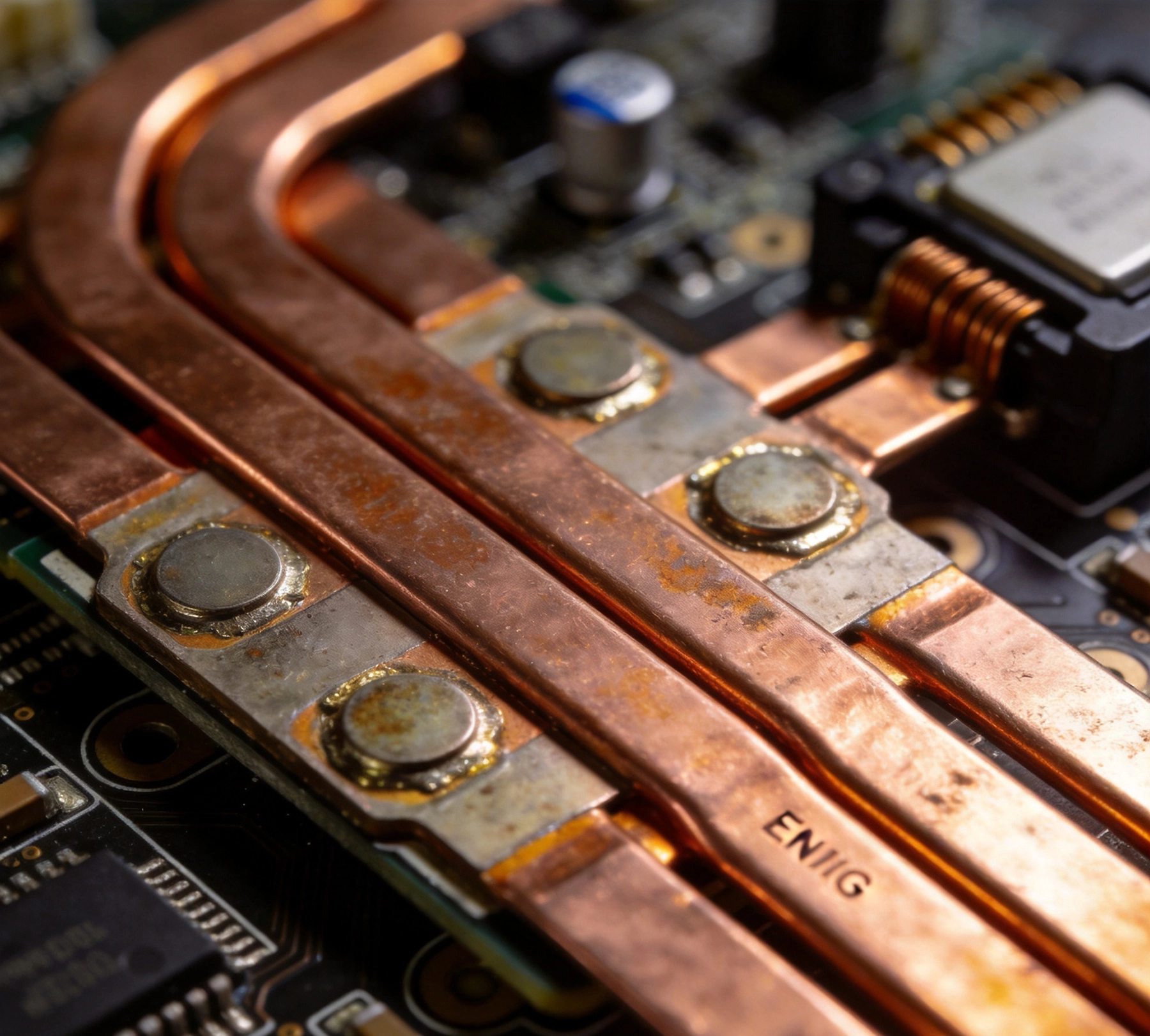
High current PCB design presents unique challenges that standard surface finish selections may not address. When your board needs to carry tens or hundreds of amperes through power traces and pads, surface finish choice affects current carrying cap...
https://www.high-current-pcb.com/telecom-5g-high-speed-computing/high-current-pcb-surface-finish-enig-vs-hasl-for-high-current-pads/