

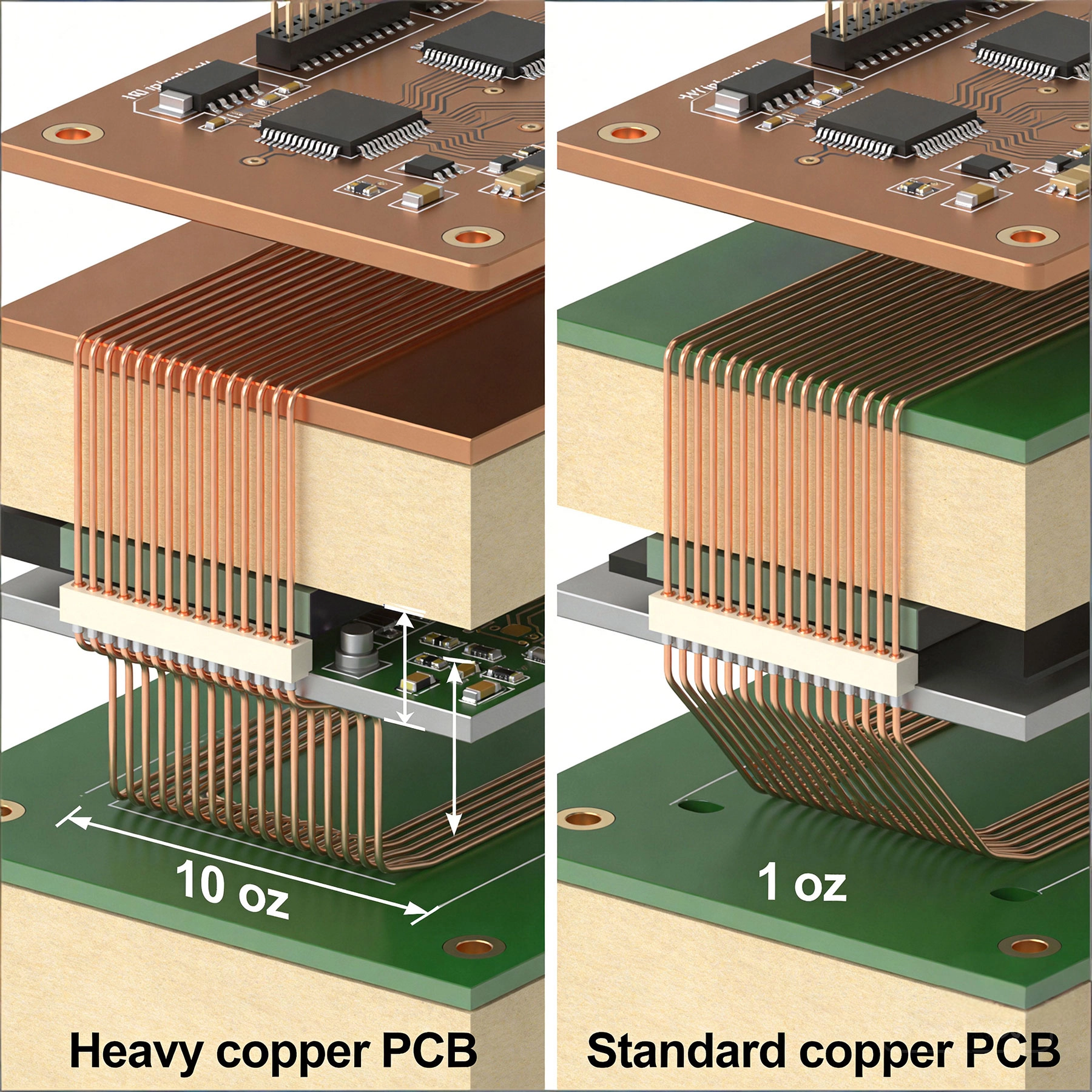
Heavy copper PCBs offer significantly more copper thickness for high-power applications compared to standard PCBs Introduction: Understanding Copper Weight in PCB Design When designing printed circuit boards, one of the most critical decisio...
https://www.high-current-pcb.com/high-current-pcb-manufacturing-tech/heavy-copper-vs-standard-copper-pcb-complete-comparison-guide-for-engineers/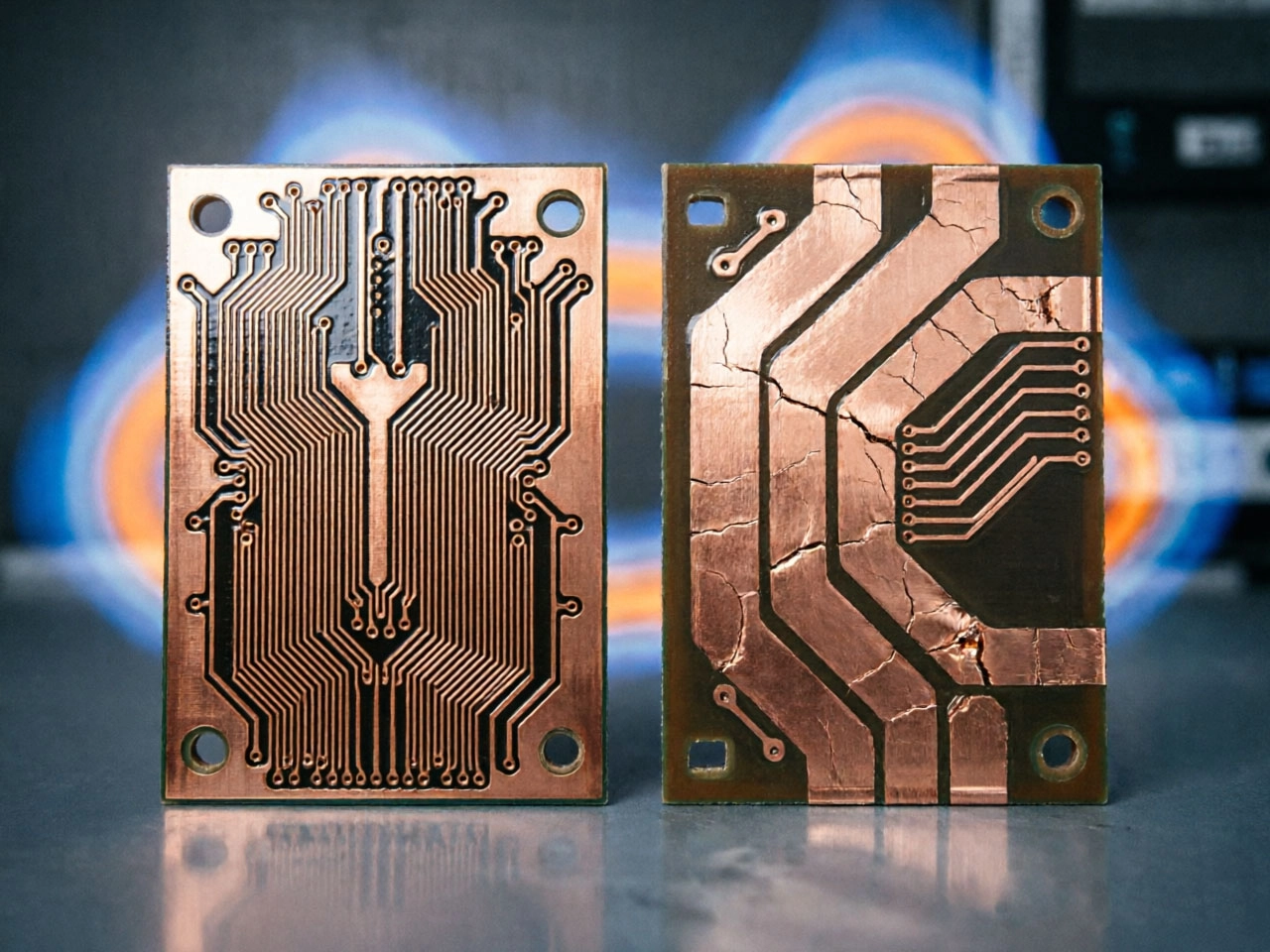
Every PCB generates heat when current flows through its traces. At low current levels—tens or hundreds of milliamps—the heat is negligible, dissipated quickly by the surrounding material, and rarely a concern. But when current climbs into the amper...
https://www.high-current-pcb.com/high-current-pcb-manufacturing-tech/high-current-pcb-vs-standard-pcb-a-real-world-thermal-stress-test/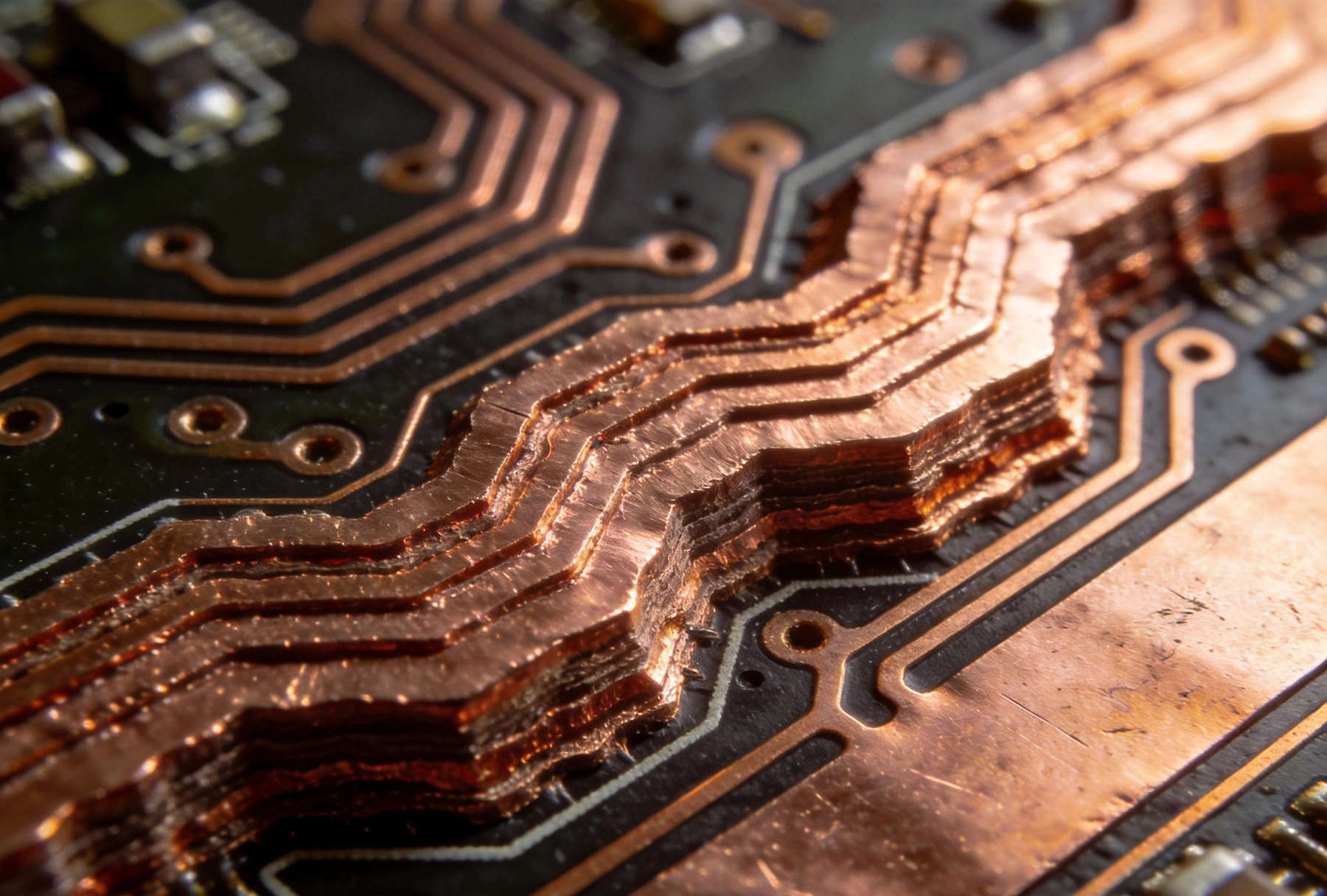
Power electronics design presents unique challenges that differ fundamentally from signal-level circuit design. When current requirements climb above 10 or 20 amps, the humble copper trace that works perfectly for data signals becomes a liability. ...
https://www.high-current-pcb.com/high-current-pcb-dfm-tips/high-current-pcb-bus-bars-vs-heavy-copper-traces-cost-and-performance/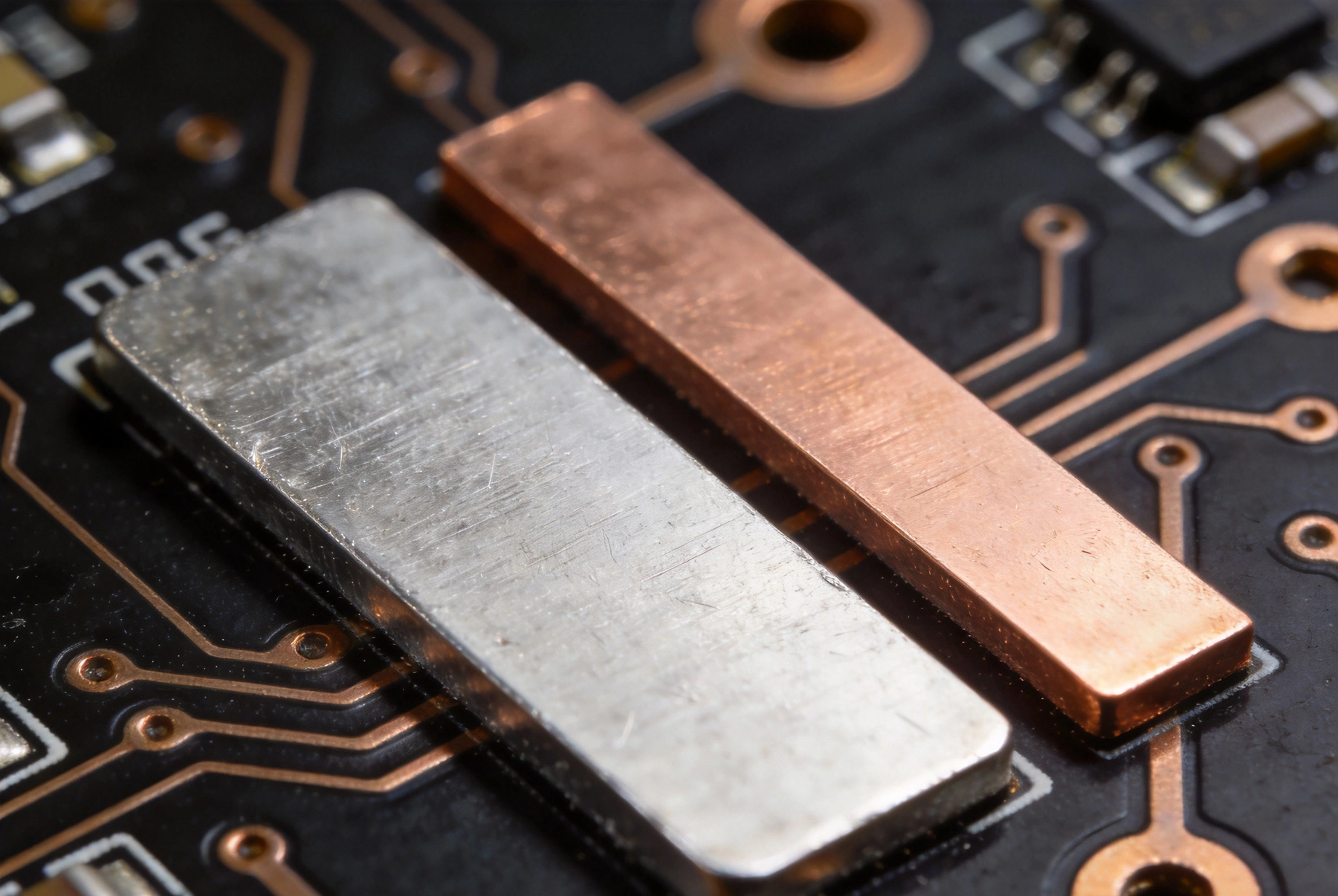
Every power electronics design eventually runs into the same problem: a trace that carries 10 amps without complaint at room temperature becomes a reliability liability when the ambient climbs to 60°C or the board sits in a poorly ventilated enclos...
https://www.high-current-pcb.com/high-current-pcb-thermal-design/high-current-pcb-pad-design-reinforced-plating-vs-standard-pads/