

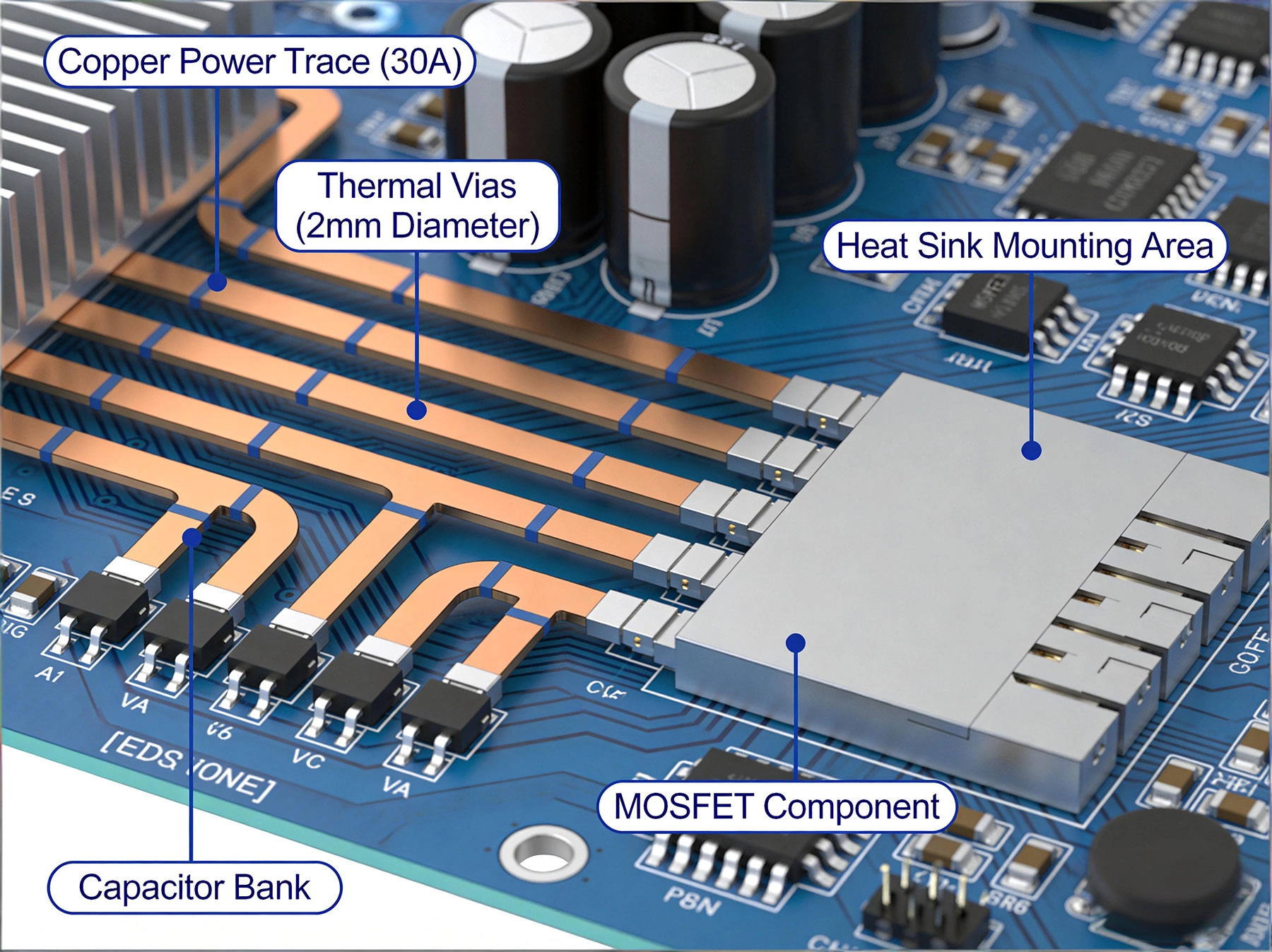
Properly designed high current PCB traces ensure reliable power delivery in demanding applications Understanding the Challenges of High Current PCB Design When your designing PCBs for power electronics, motor drivers, or high-current applica...
https://www.high-current-pcb.com/high-current-pcb-basics/how-to-design-high-current-pcb-traces-a-complete-guide/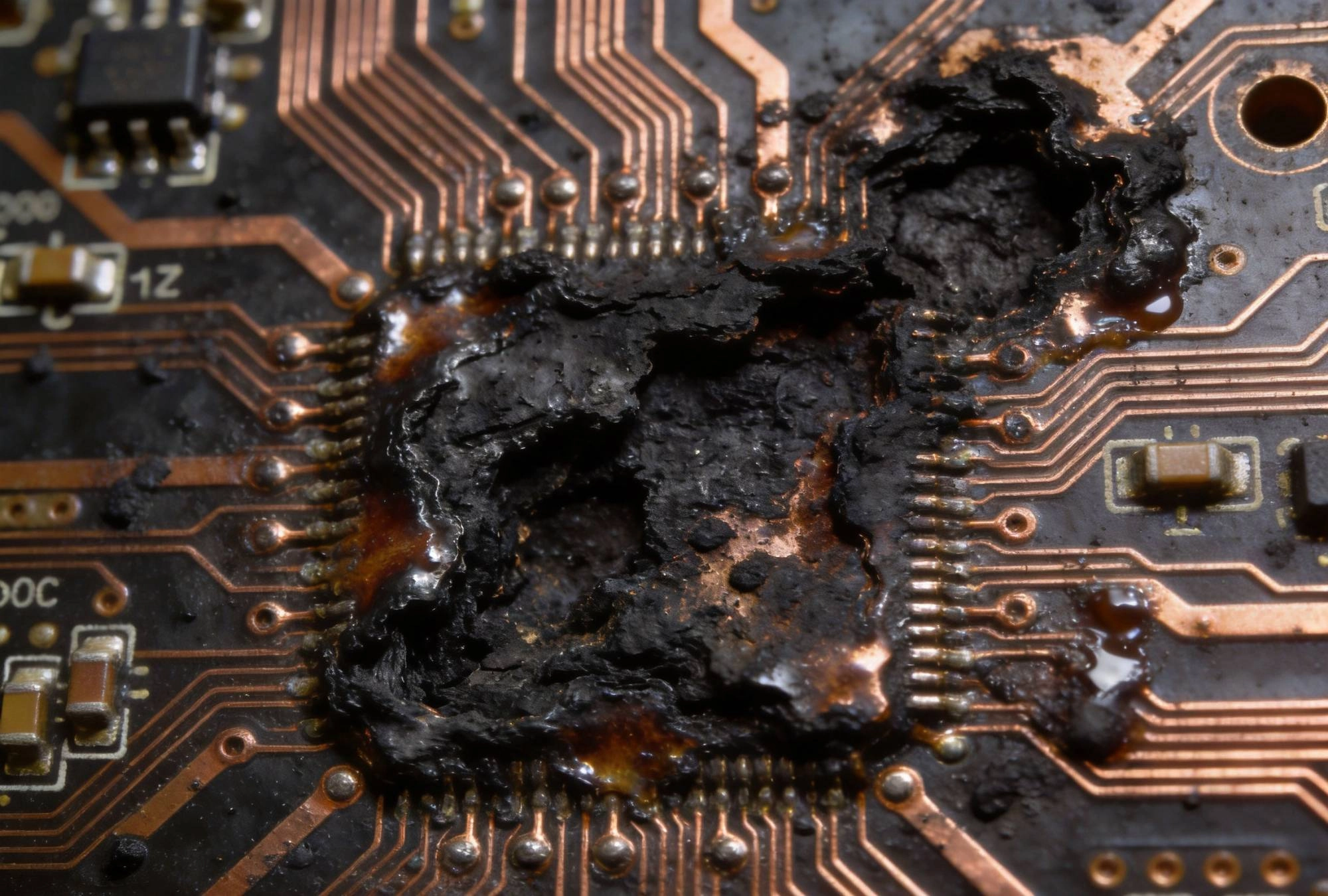
Power electronics push PCB technology to its limits. When currents climb into the tens or hundreds of amps, design flaws that would be invisible in low-power circuits become catastrophic failures. High current PCBs fail in ways that standard PCB de...
https://www.high-current-pcb.com/medical-healthcare-devices/high-current-pcb-failure-modes-and-prevention/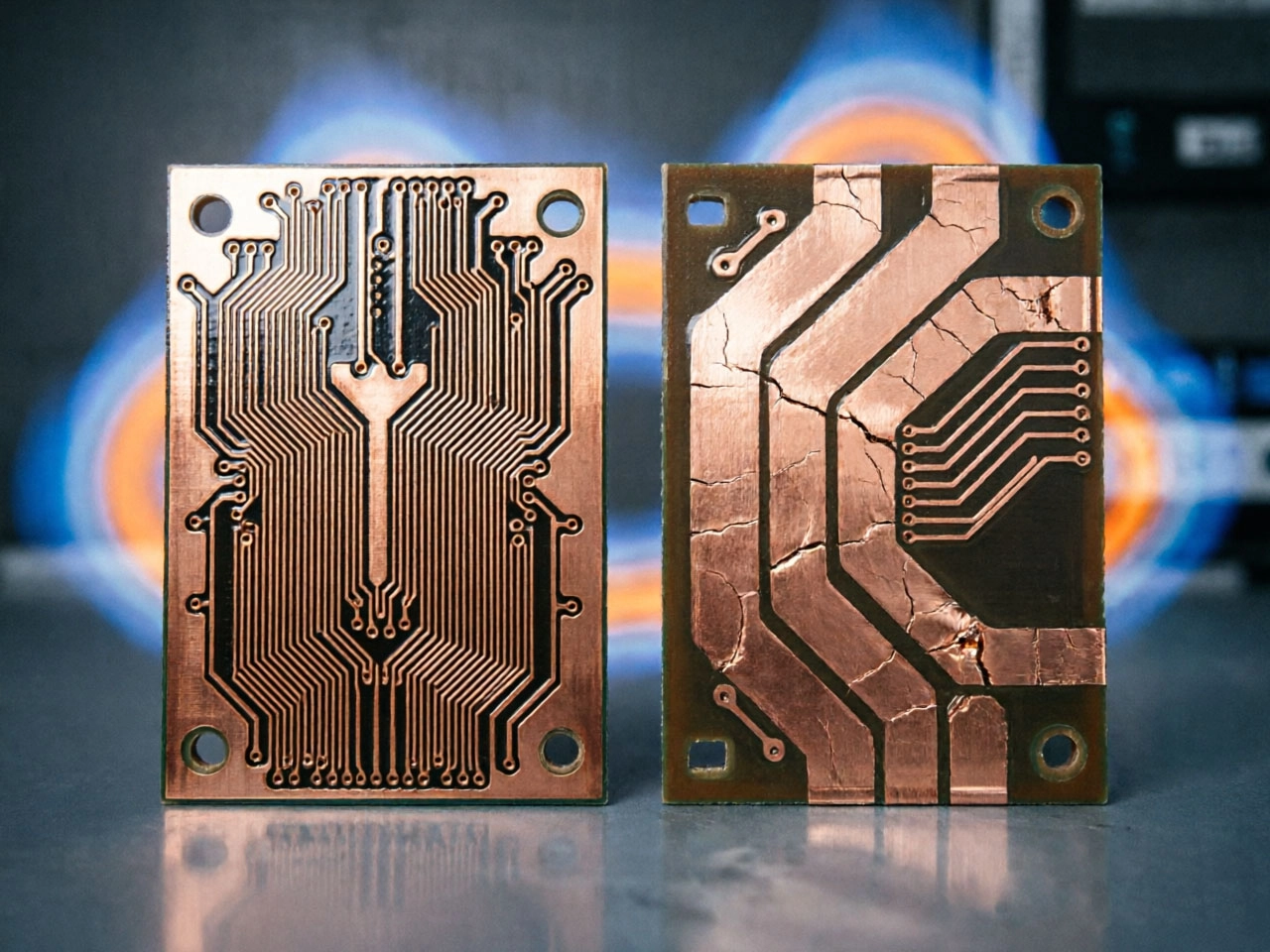
Every PCB generates heat when current flows through its traces. At low current levels—tens or hundreds of milliamps—the heat is negligible, dissipated quickly by the surrounding material, and rarely a concern. But when current climbs into the amper...
https://www.high-current-pcb.com/high-current-pcb-manufacturing-tech/high-current-pcb-vs-standard-pcb-a-real-world-thermal-stress-test/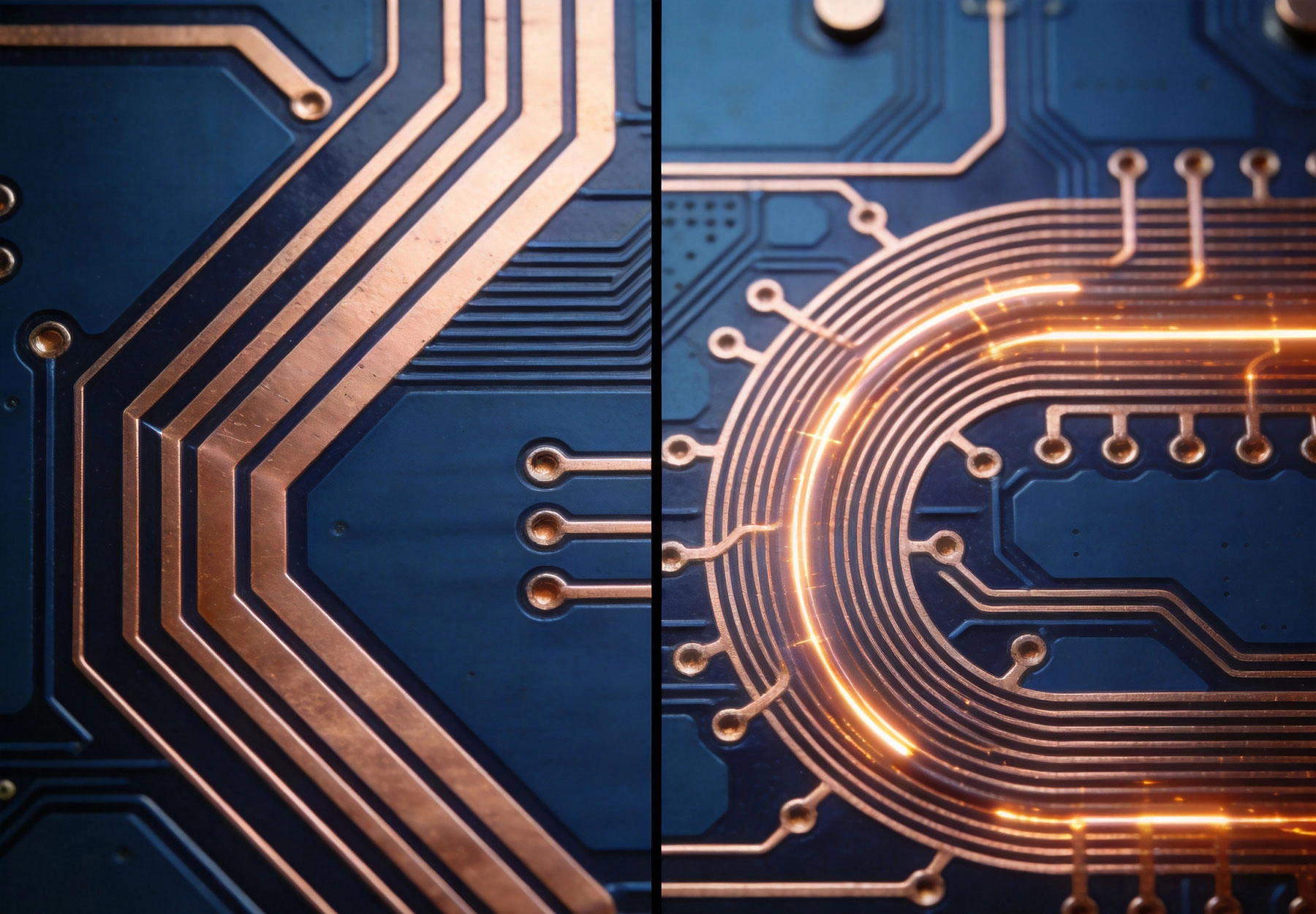
High current PCB routing requires careful attention to trace geometry, thermal management, and electromagnetic compatibility. Among the many decisions designers face, the choice between 45-degree angled traces and curved traces often sparks debate....
https://www.high-current-pcb.com/aerospace-defense-avionics/high-current-pcb-routing-45-degree-angles-vs-curved-traces-in-practice/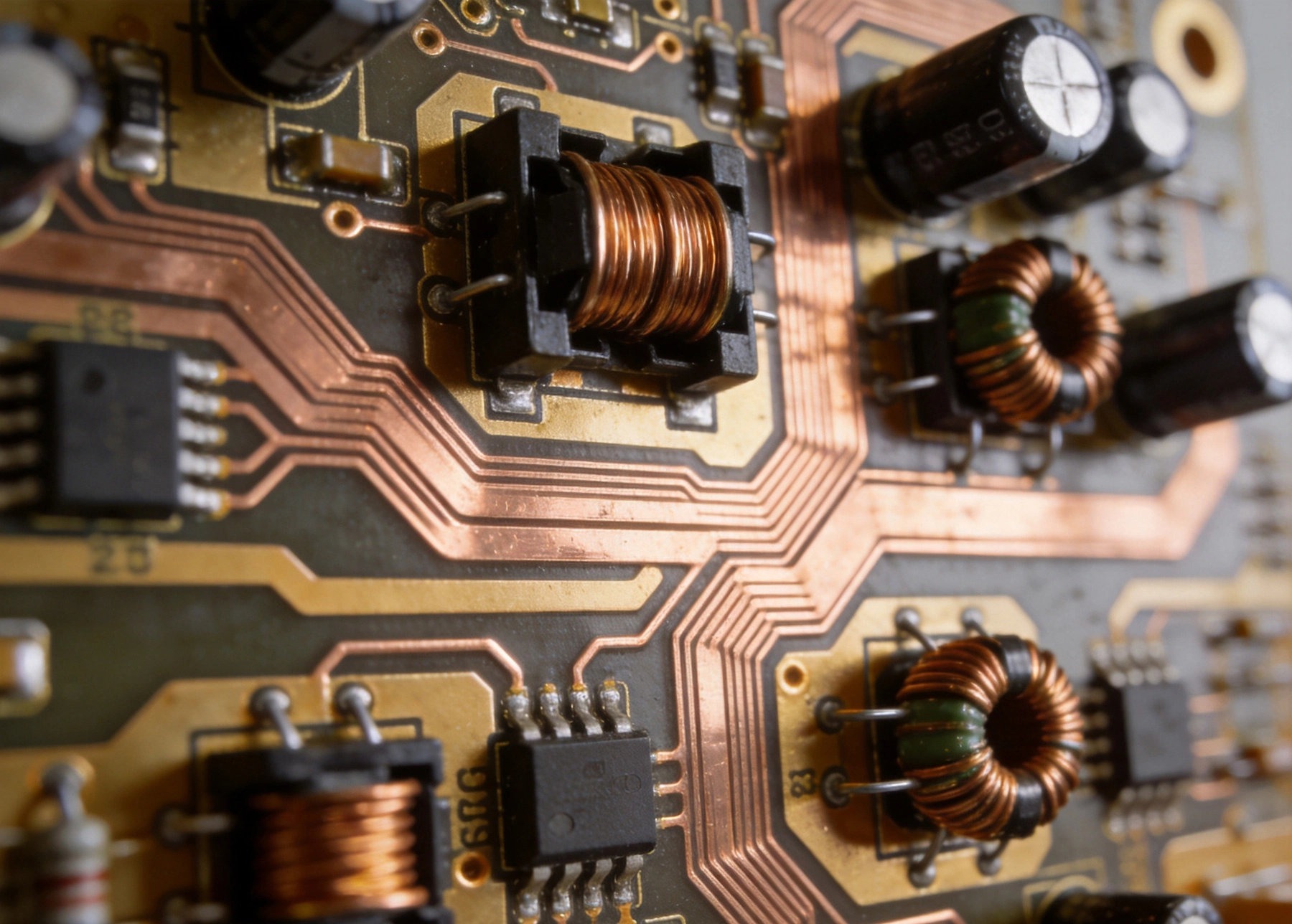
Designing a DC-DC converter capable of delivering 50 amperes isn't just about selecting the right IC or MOSFETs. The PCB layout often determines whether your design will perform reliably or become a thermal disaster waiting to happen. After buildin...
https://www.high-current-pcb.com/high-current-pcb-manufacturing-tech/building-a-50a-dc-dc-converter-high-current-pcb-layout-lessons-learned/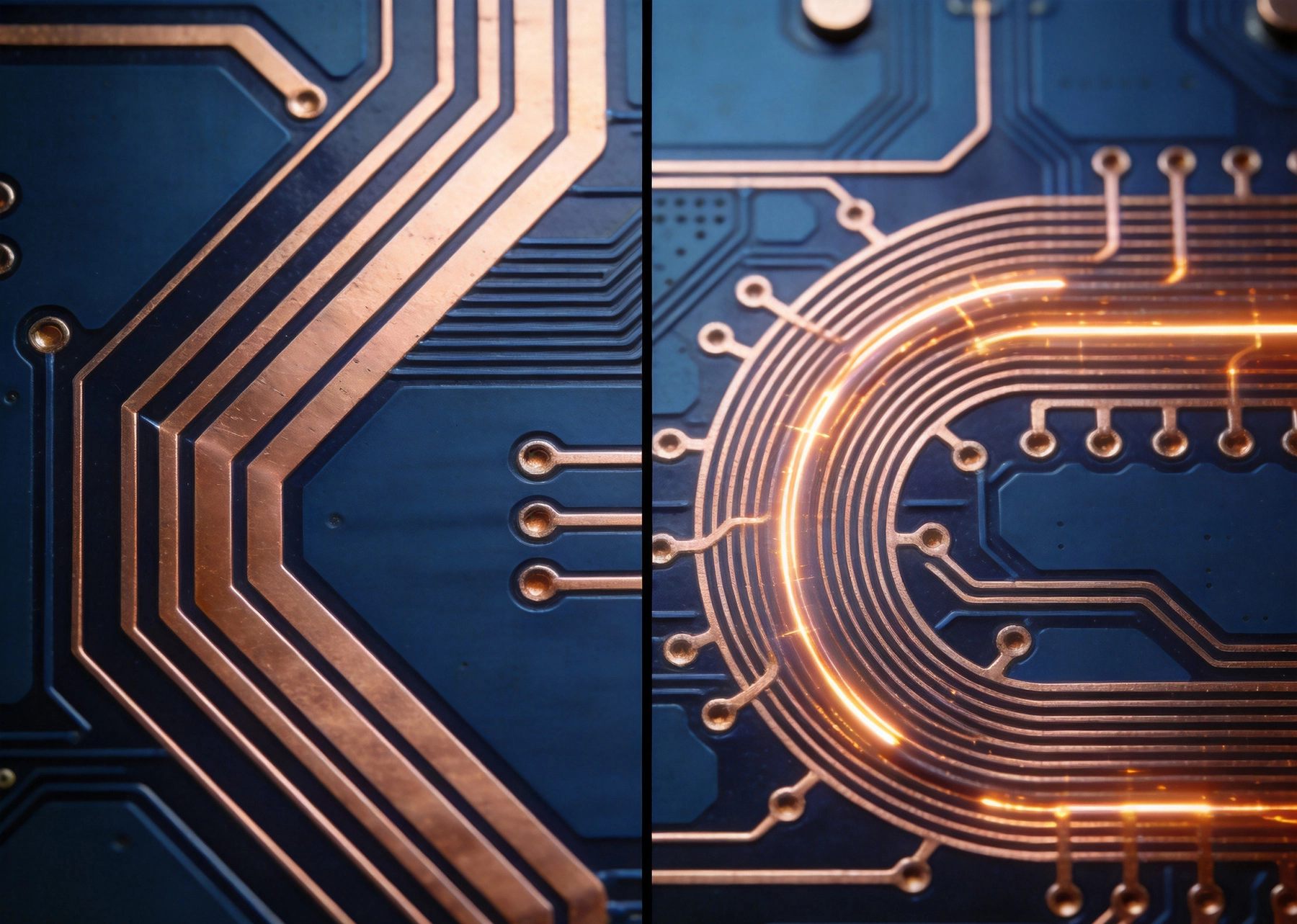
High current PCB routing requires careful attention to trace geometry, thermal management, and electromagnetic compatibility. Among the many decisions designers face, the choice between 45-degree angled traces and curved traces often sparks debate....
https://www.high-current-pcb.com/telecom-5g-high-speed-computing/high-current-pcb-routing-45-degree-angles-vs-curved-traces-in-practice-48/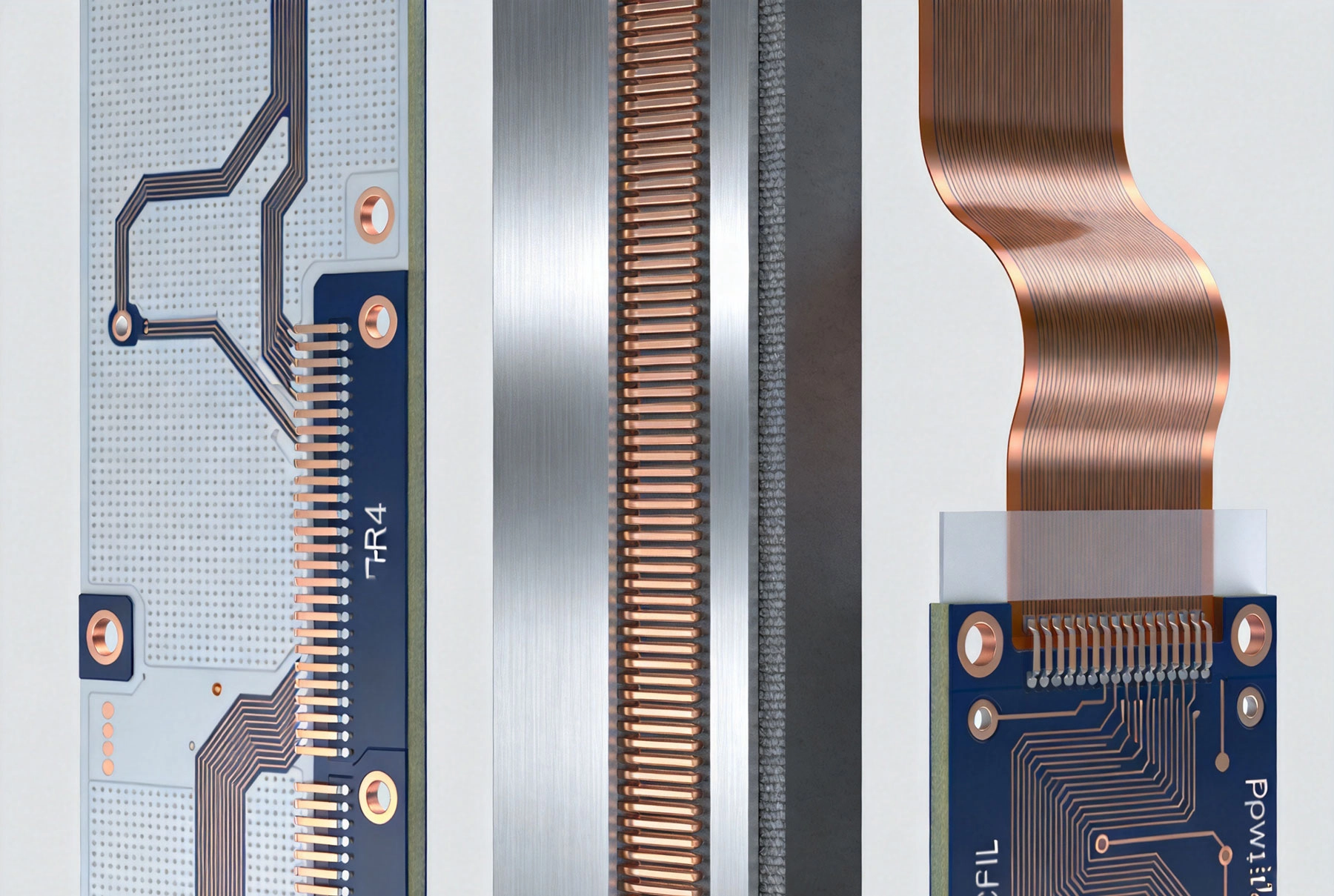
Choosing the wrong PCB material for high current applications can lead to thermal failures, delamination, and catastrophic board damage. When your PCB design carries more than 2-3 amps per trace, material selection becomes critical. Standard FR4...
https://www.high-current-pcb.com/high-current-pcb-materials-standards/high-current-pcb-material-showdown-fr4-vs-metal-core-vs-polyimide/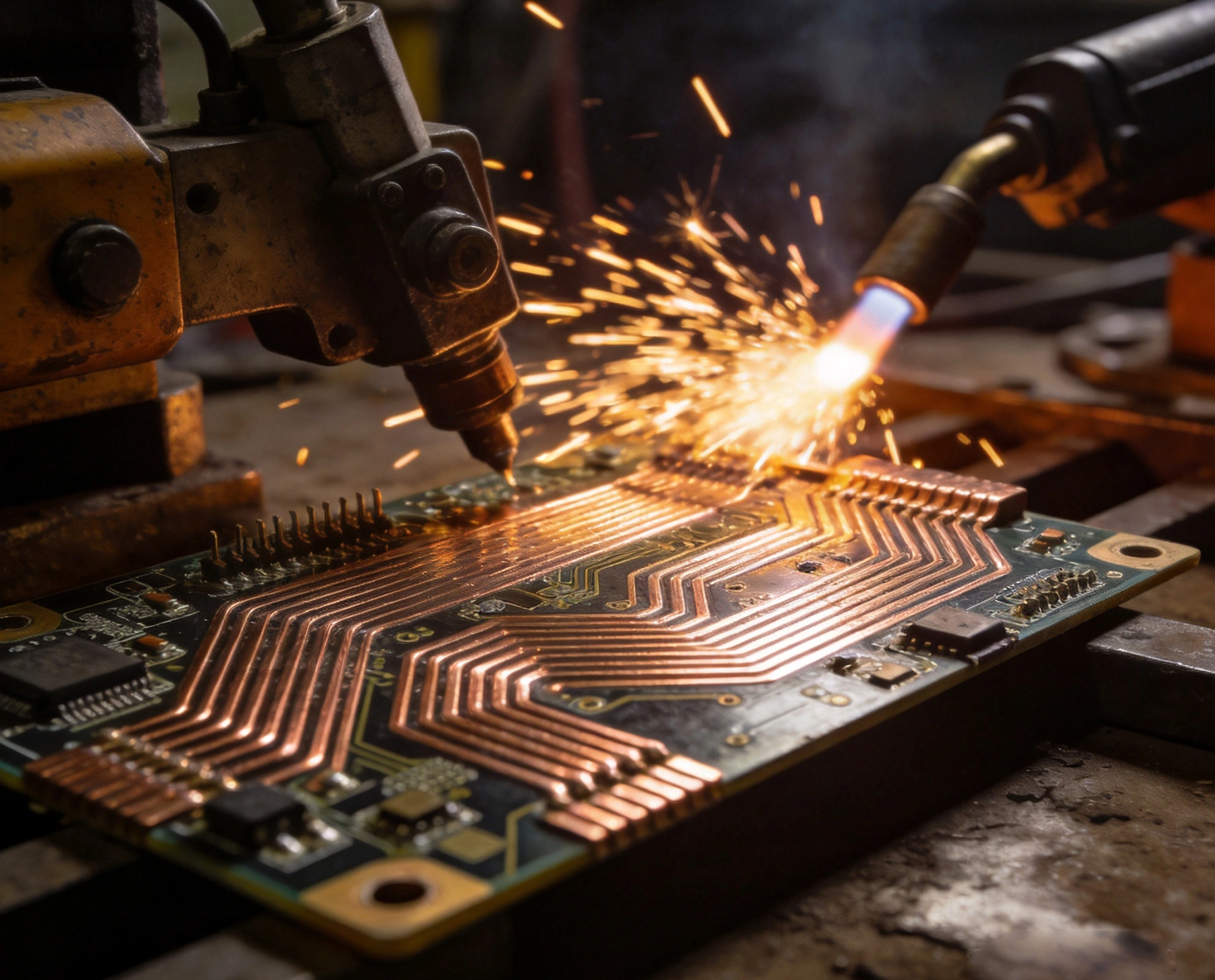
Industrial welding equipment pushes the boundaries of what a printed circuit board is expected to do. Unlike consumer electronics, where currents are measured in milliamps and thermal margins are generous, welding machines demand PCB designs that c...
https://www.high-current-pcb.com/high-current-pcb-thermal-design/designing-a-high-current-pcb-for-industrial-welding-equipment/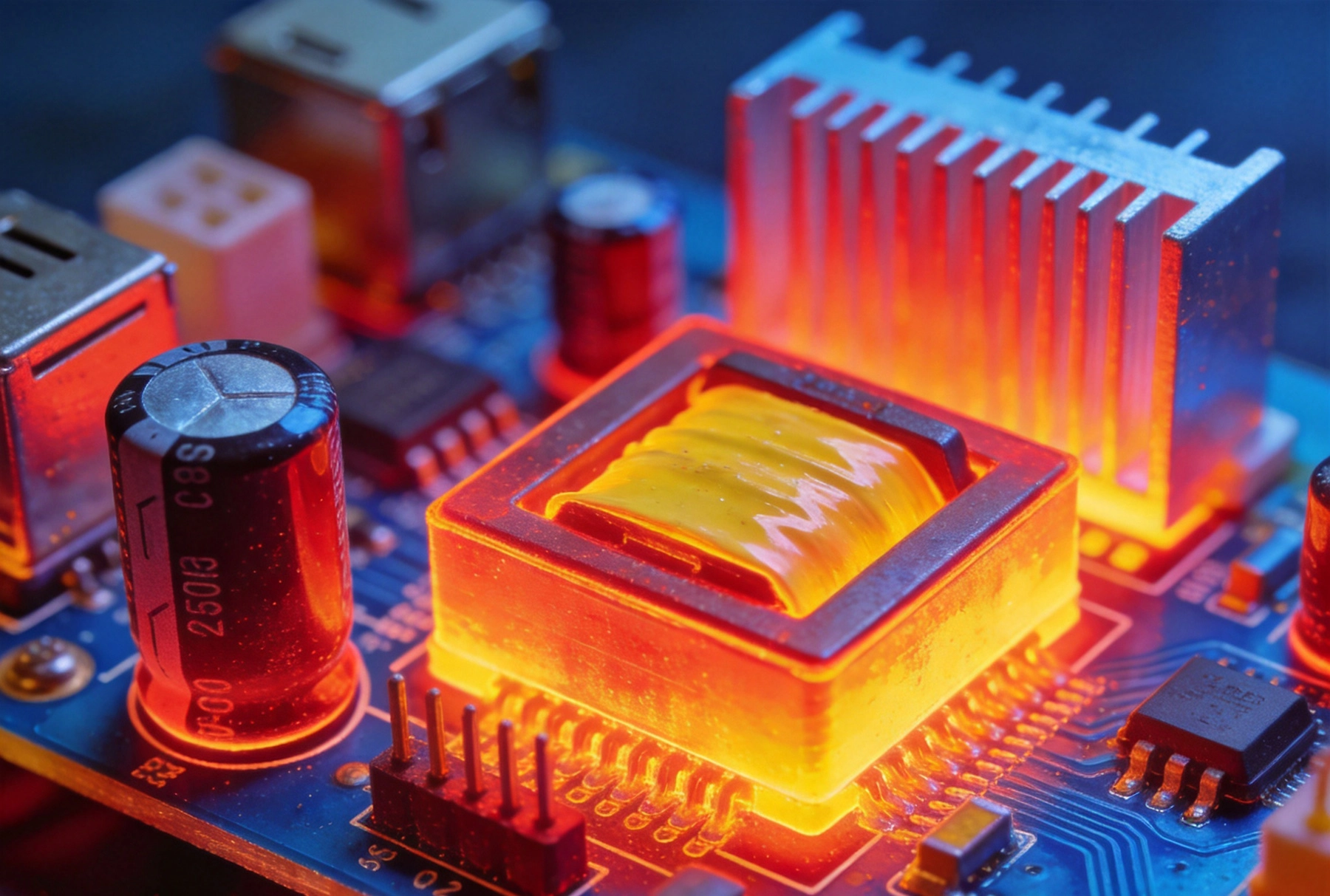
High-frequency switching regulators power everything from server motherboards to automotive electronics. At frequencies above 500 kHz—and increasingly pushing past 1 MHz—these power conversion circuits demand PCB layouts that would make an aerospac...
https://www.high-current-pcb.com/high-current-pcb-thermal-design/high-current-pcb-design-for-high-frequency-switching-regulators/
When your PCB design needs to handle tens or hundreds of amps, ordinary copper traces quickly reach their limits. Standard PCB fabrication processes were designed for signals, not power. The copper weight, trace width, and thermal management techni...
https://www.high-current-pcb.com/energy-power-electronics/high-current-pcb-placed-slots-vs-standard-traces-for-extreme-currents/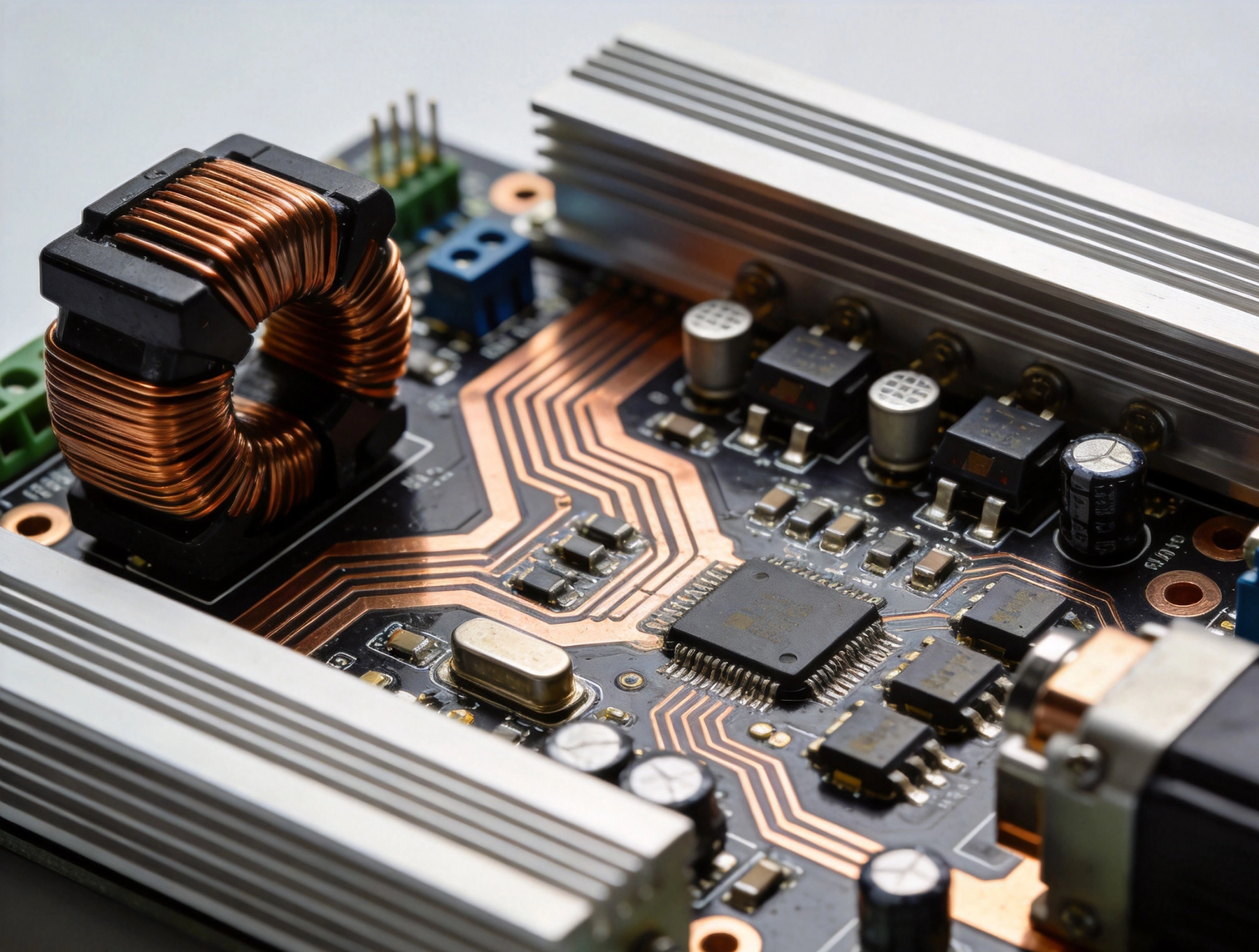
Robotics motor controllers operate in one of the most demanding environments in power electronics. These systems must deliver high currents with precision timing, manage thermal loads from tens to hundreds of watts, and maintain reliability despite...
https://www.high-current-pcb.com/high-current-pcb-thermal-design/high-current-pcb-design-for-robotics-motor-controllers/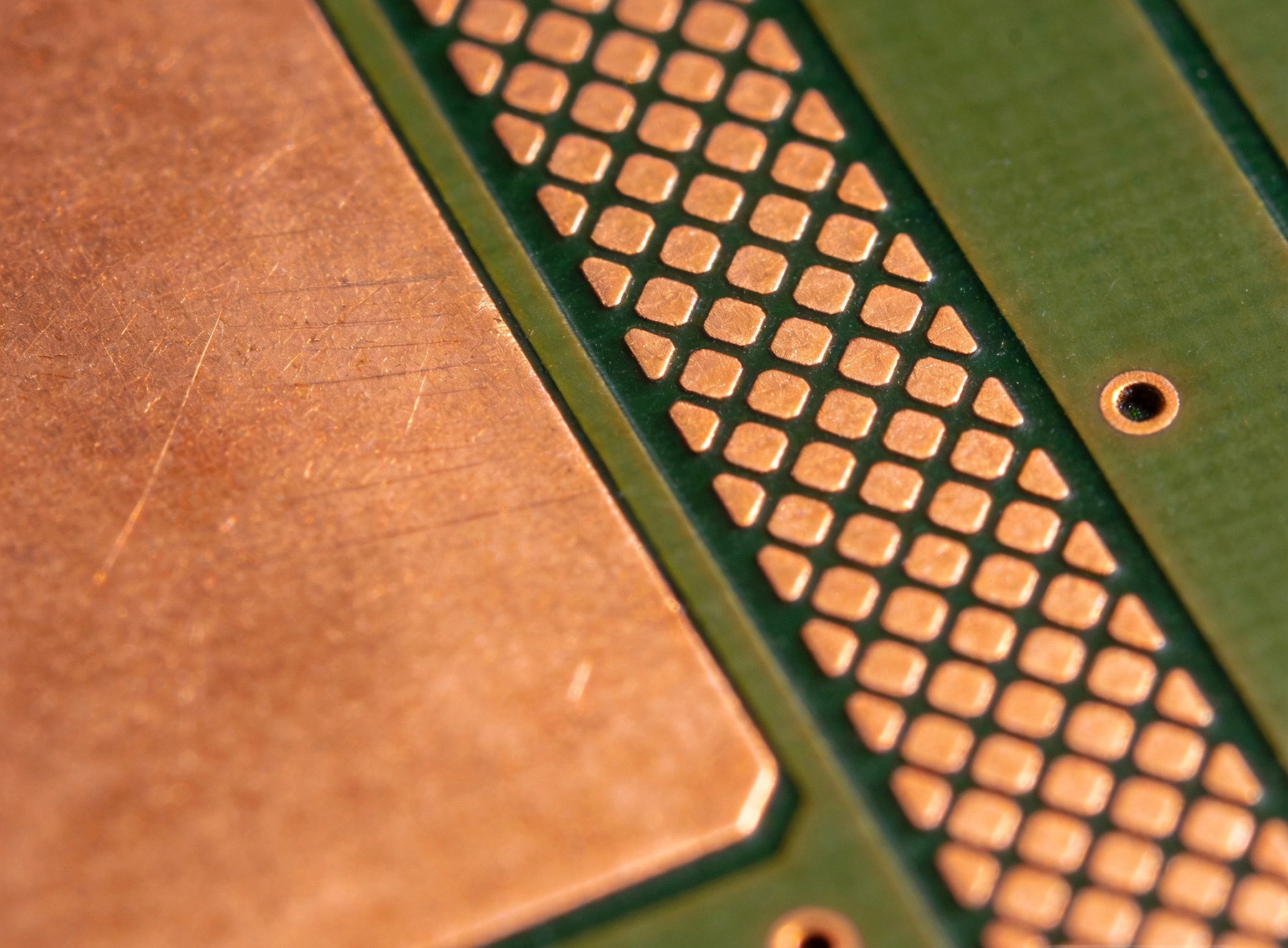
In power electronics PCB design, how you fill unused board area with copper matters more than most engineers realize. The choice between a solid copper pour and a hatched (crosshatch) copper pattern is not purely aesthetic—it directly impacts curre...
https://www.high-current-pcb.com/high-current-pcb-basics/high-current-pcb-copper-fill-solid-pour-vs-hatched-pattern-performance/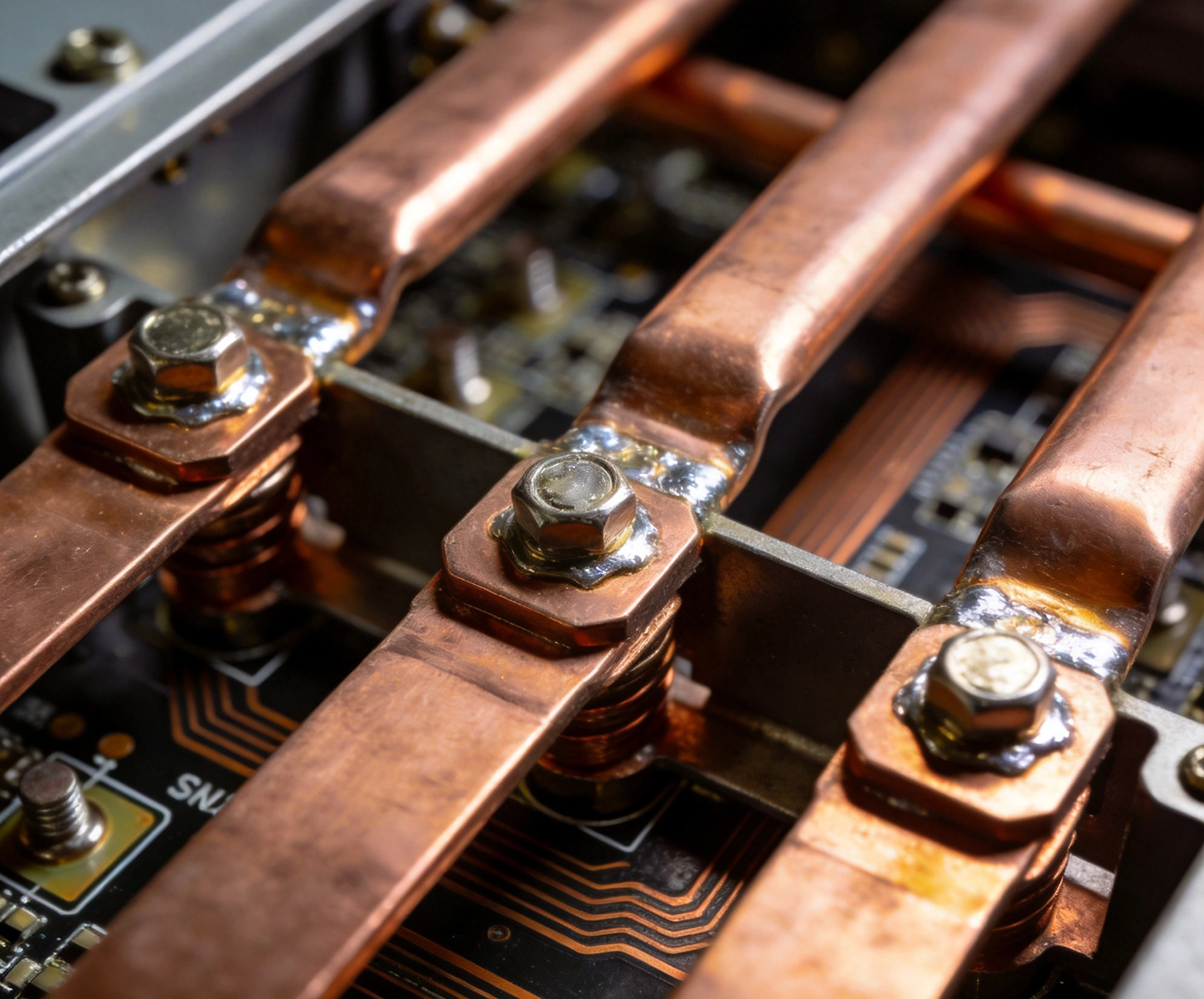
Renewable energy microgrids are among the most demanding environments for power electronics. They must handle bidirectional power flow, operate reliably across wide temperature ranges, and do so while maintaining high conversion efficiency in syste...
https://www.high-current-pcb.com/high-current-pcb-thermal-design/high-current-pcb-design-for-renewable-energy-microgrids/