

These practices ensure the board's reliability, efficiency, and longevity in demanding high-power applications.
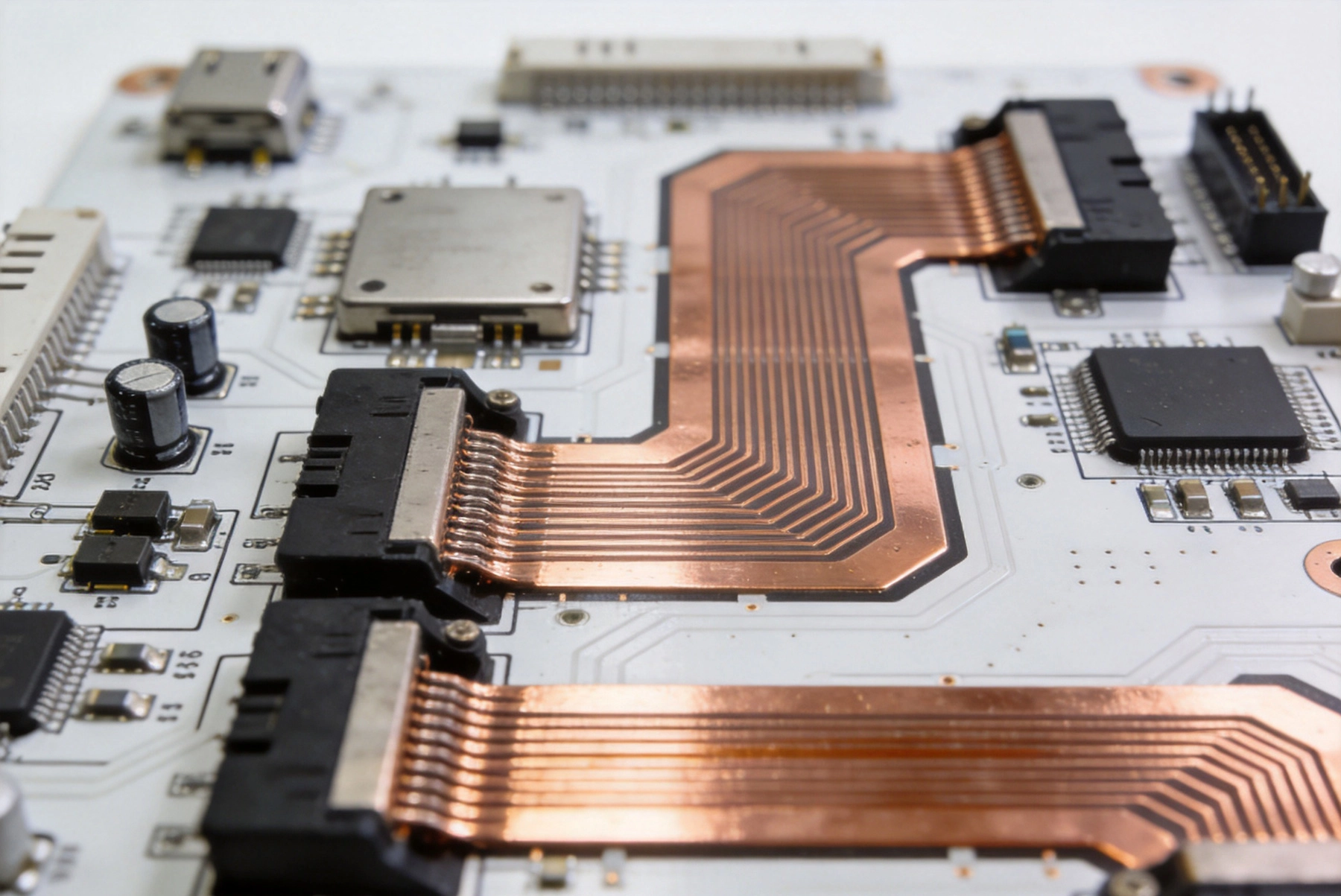
High Current PCB Design for Aerospace Power Distribution September/08/2026 Aerospace power distribution systems place demands on PCB design that are fundamentally different from those of commercial electronics. A single board in an aircraft or spacecraft may need to carry hundreds of amps across bus bars, distribute power to avionics modules, motor controllers, lighting ...
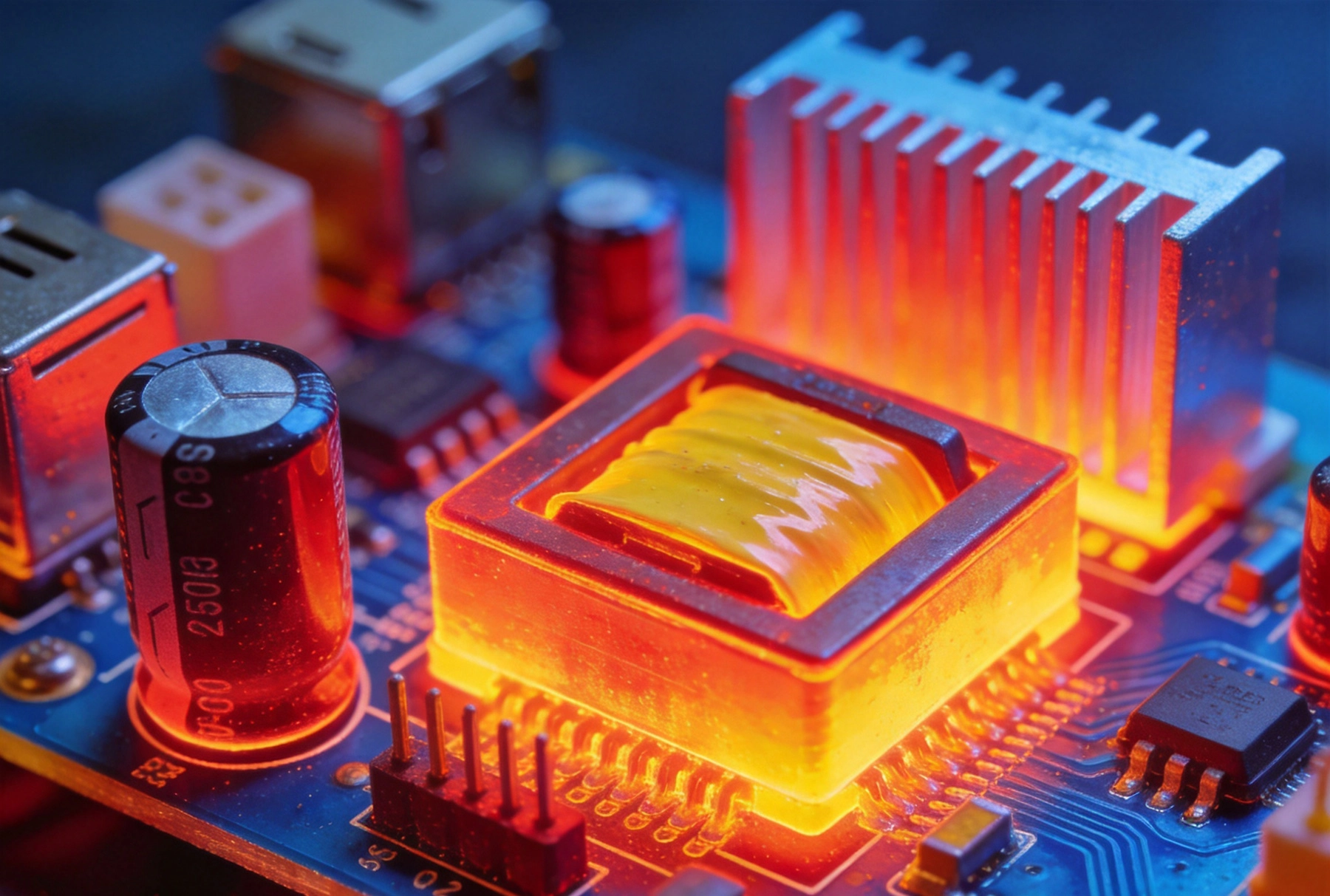
High Current PCB Design for High-Frequency Switching Regulators September/04/2026 High-frequency switching regulators power everything from server motherboards to automotive electronics. At frequencies above 500 kHz—and increasingly pushing past 1 MHz—these power conversion circuits demand PCB layouts that would make an aerospace engineer nervous. The difference between a relia...
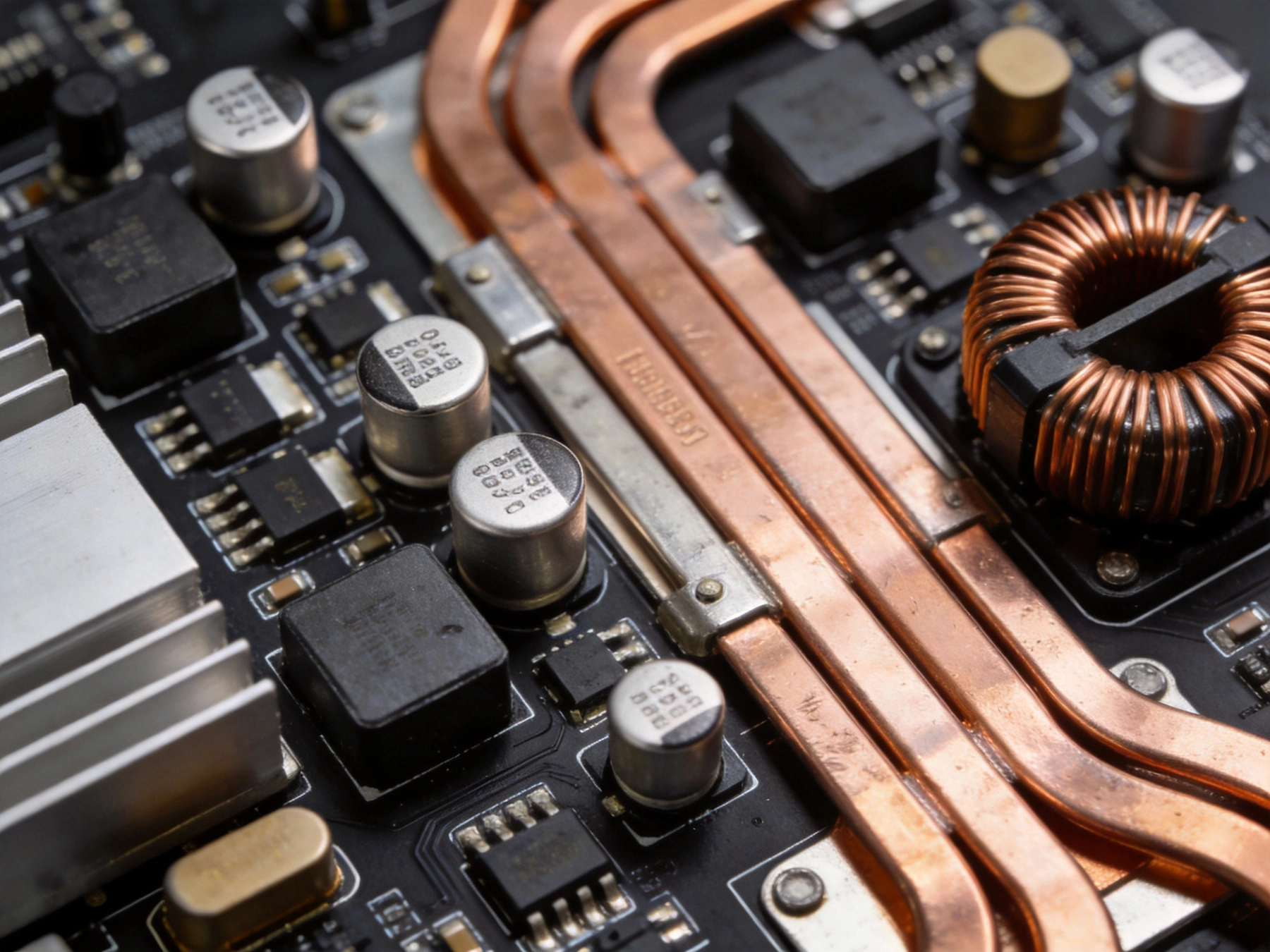
High Current PCB Design for Uninterruptible Power Supplies (UPS) September/02/2026 Uninterruptible Power Supplies (UPS) are critical for protecting sensitive electronic equipment from power outages, voltage fluctuations, and surges. From small desktop units protecting home computers to industrial-scale UPS systems protecting data centers, hospitals, and manufacturing facilities,...
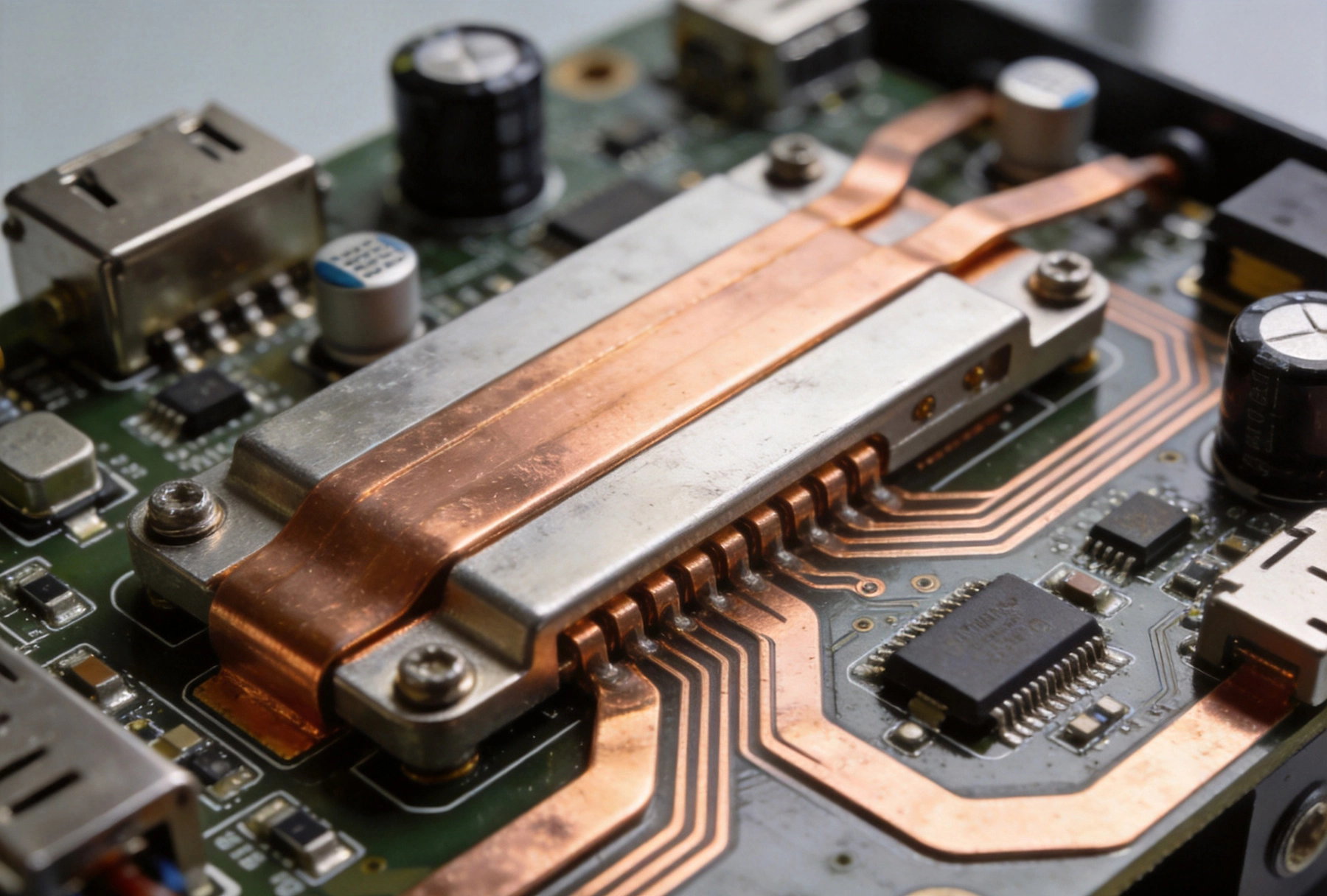
High Current PCB Design for Electric Vehicle Charging Stations August/15/2026 The rapid growth of electric vehicle adoption has created unprecedented demand for reliable, high-power charging infrastructure. At the heart of every EV charging station lies a sophisticated power electronics system, with printed circuit boards serving as the critical foundation for power convers...
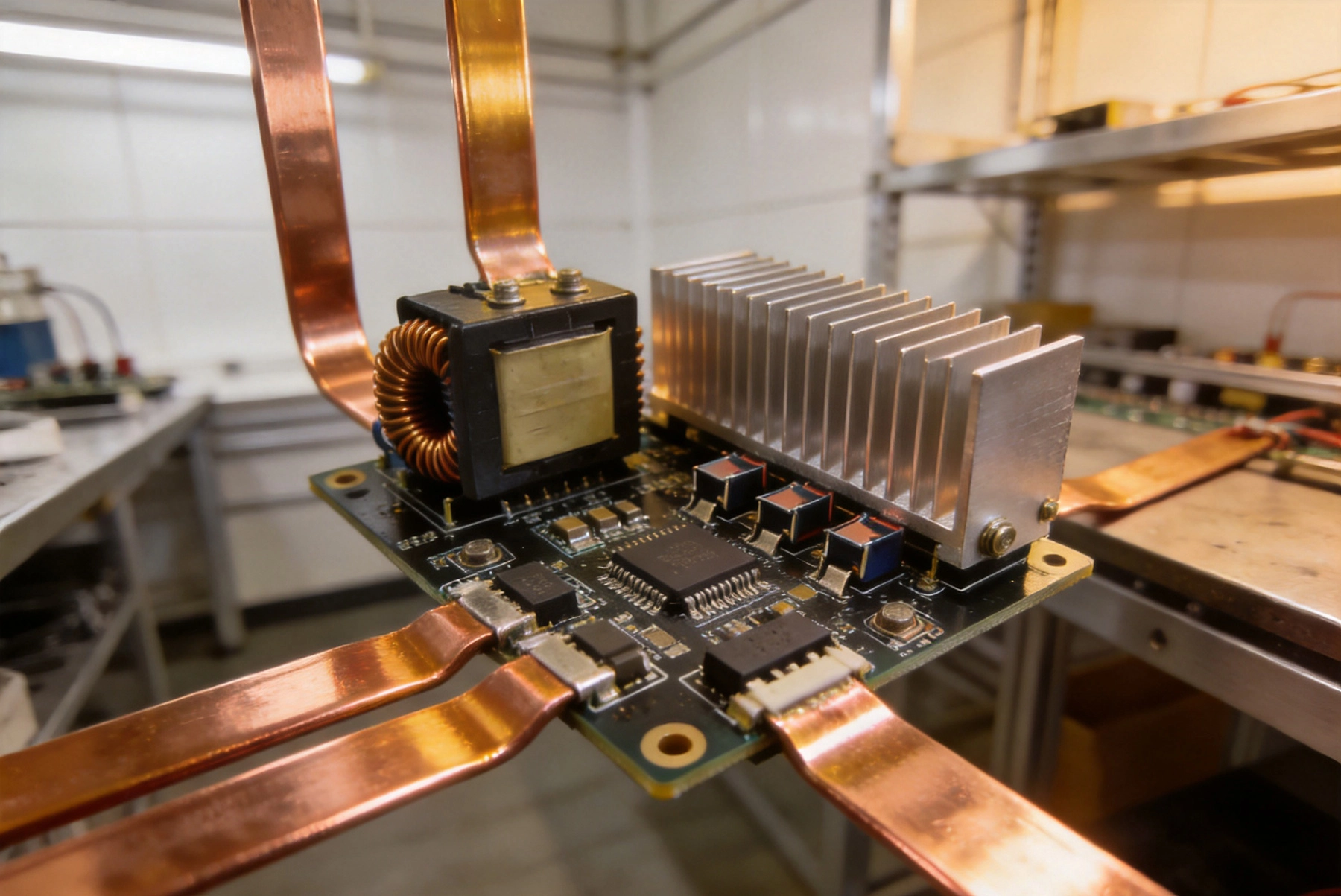
High Current PCB Design for High-Power LED Drivers August/12/2026 High-power LED applications demand robust PCB design strategies that can handle substantial current loads while maintaining thermal efficiency and electrical reliability. As LED technology continues to advance, drivers must deliver increasingly higher currents to achieve greater light output, push...

High Current PCB Design for Railway Traction Systems August/07/2026 Railway traction systems represent some of the most demanding applications for power electronics. These systems control massive electric motors that propel trains, trams, and high-speed rail vehicles, requiring PCB designs capable of handling hundreds to thousands of amperes while maintaining reli...
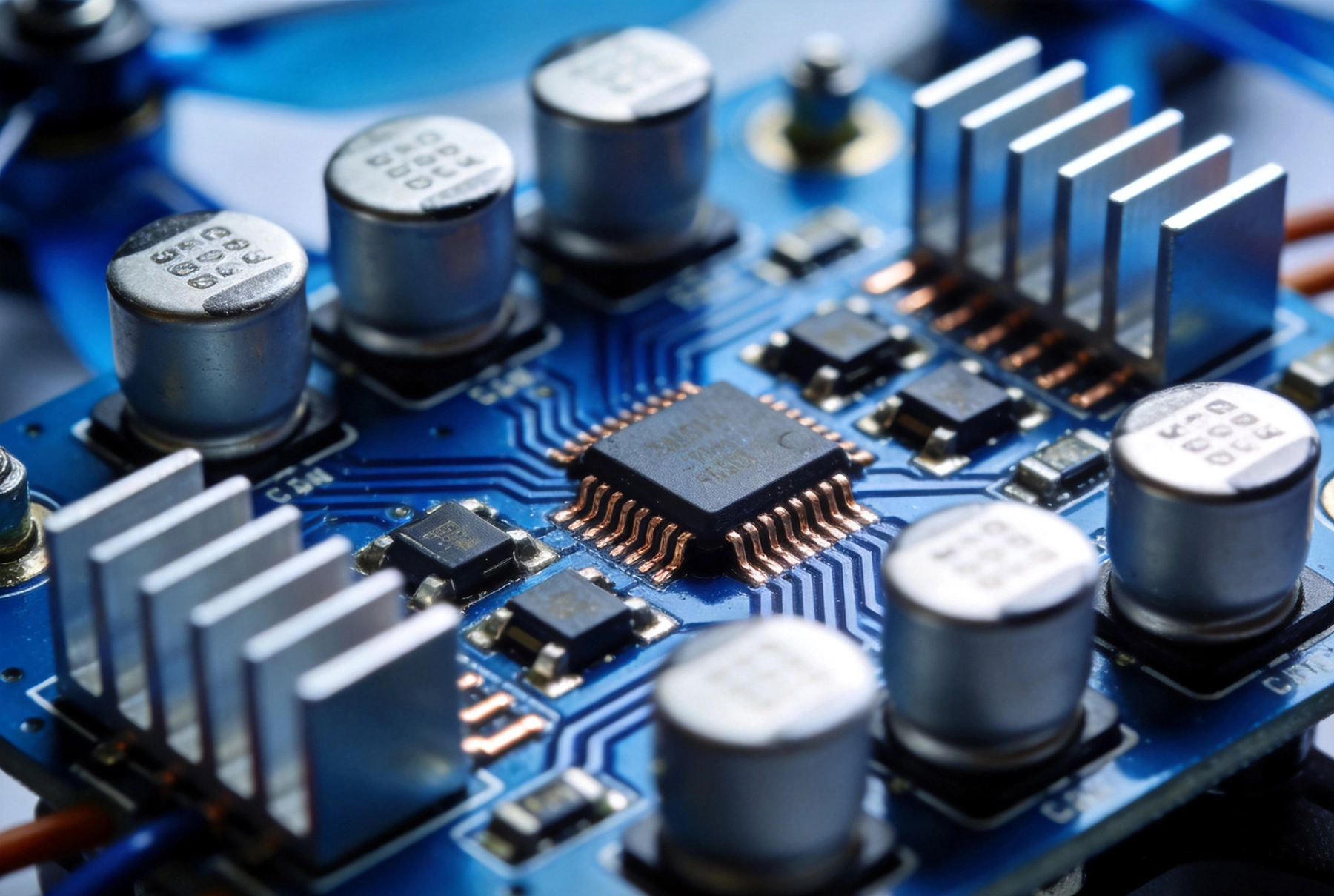
High Current PCB Design for Drone ESCs: Minimizing Loop Inductance August/03/2026 Electronic Speed Controllers governing drone motors face some of the most demanding PCB design challenges in consumer electronics. These compact controllers must switch hundreds of amperes at tens of kilohertz while maintaining efficiency above 95 percent and fitting within the strict size constra...
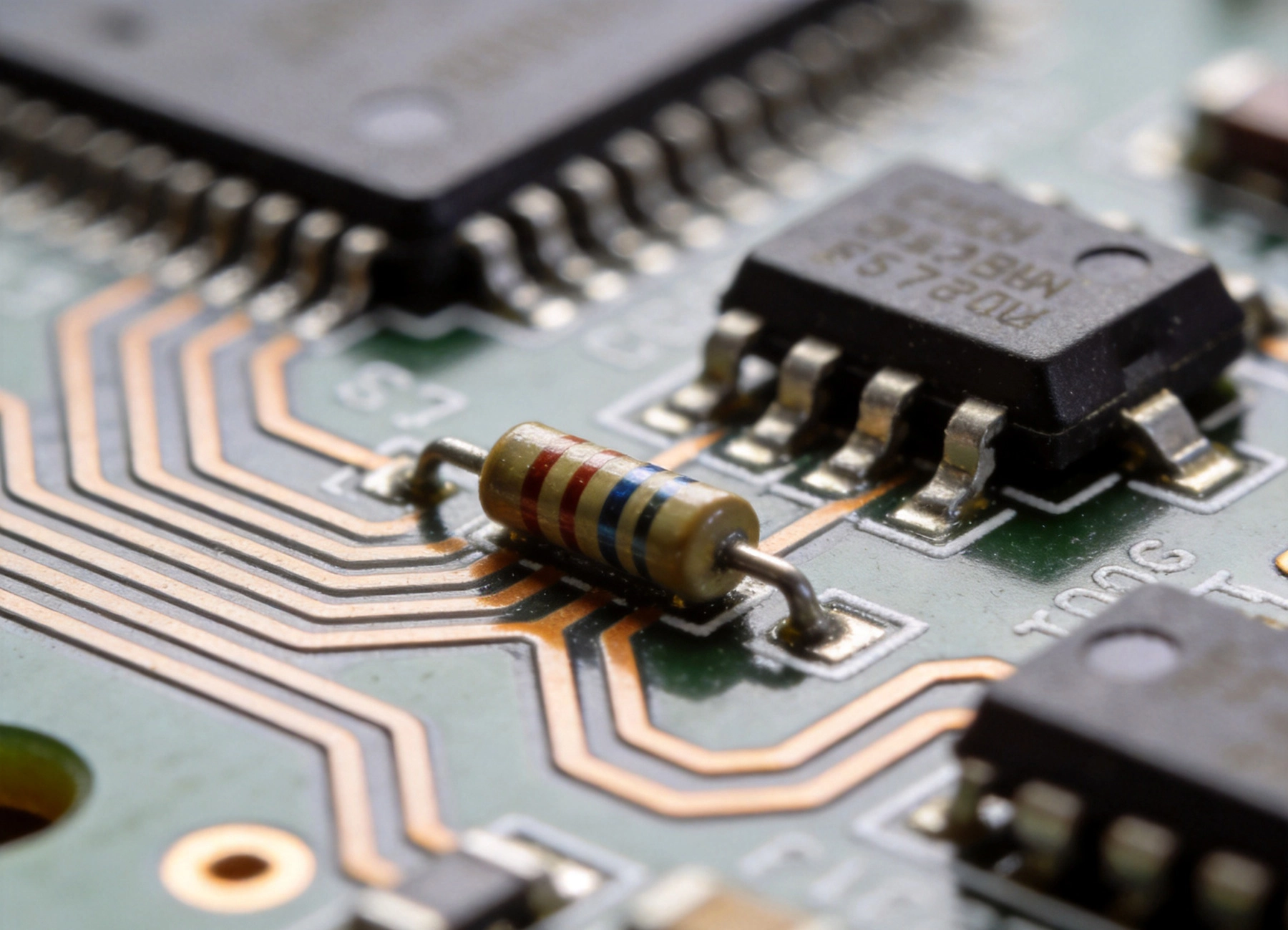
High Current PCB Current Sensing: Shunt Resistor vs. Hall Effect Layout July/29/2026 Accurate current measurement sits at the heart of virtually every power electronics system. Whether you are designing a battery management system for an electric vehicle, a motor drive controller for an industrial robot, or a power supply monitoring circuit for data center equipment, the way you s...
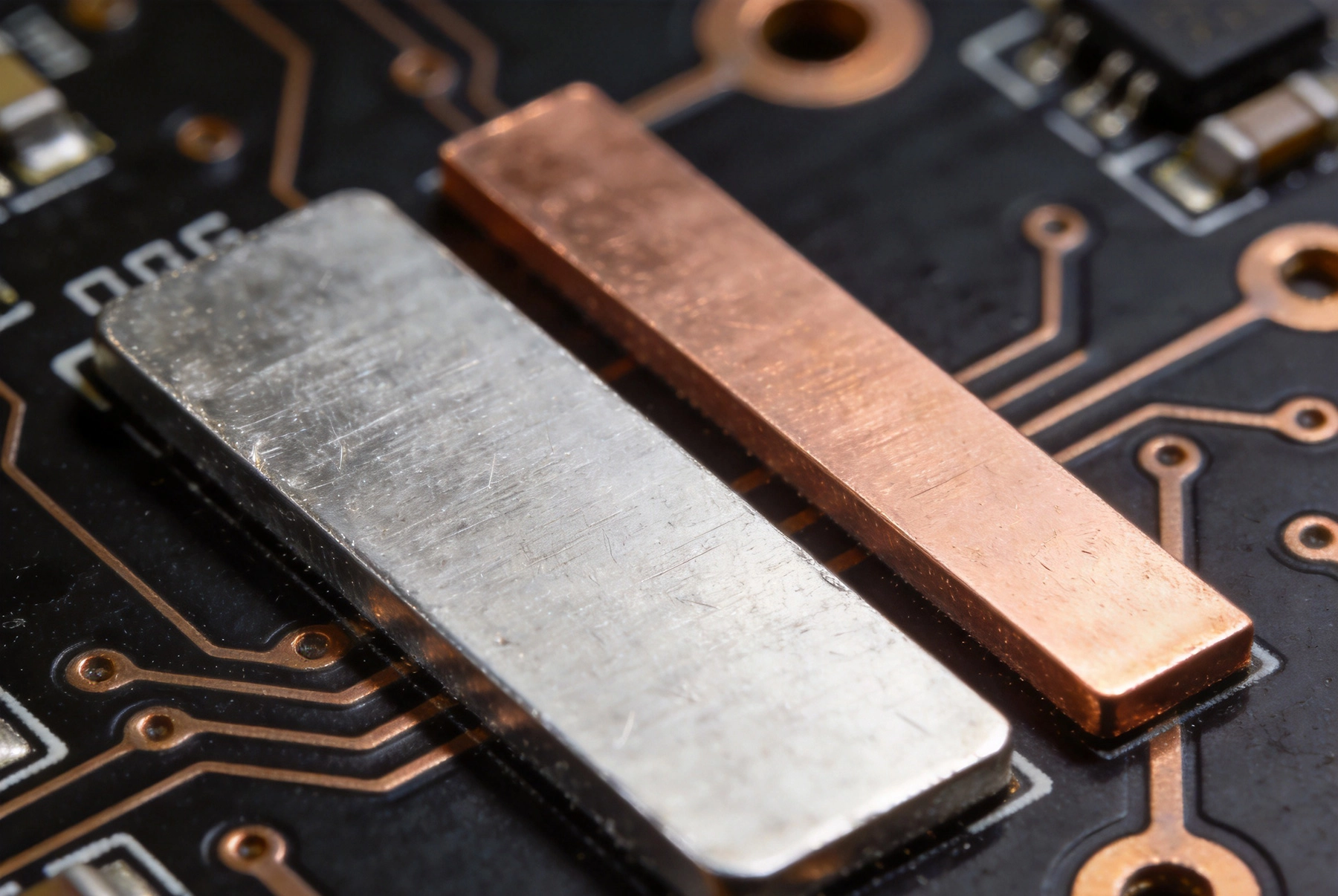
High Current PCB Pad Design: Reinforced Plating vs. Standard Pads July/28/2026 Every power electronics design eventually runs into the same problem: a trace that carries 10 amps without complaint at room temperature becomes a reliability liability when the ambient climbs to 60°C or the board sits in a poorly ventilated enclosure. The culprit is almost never the copper weight...
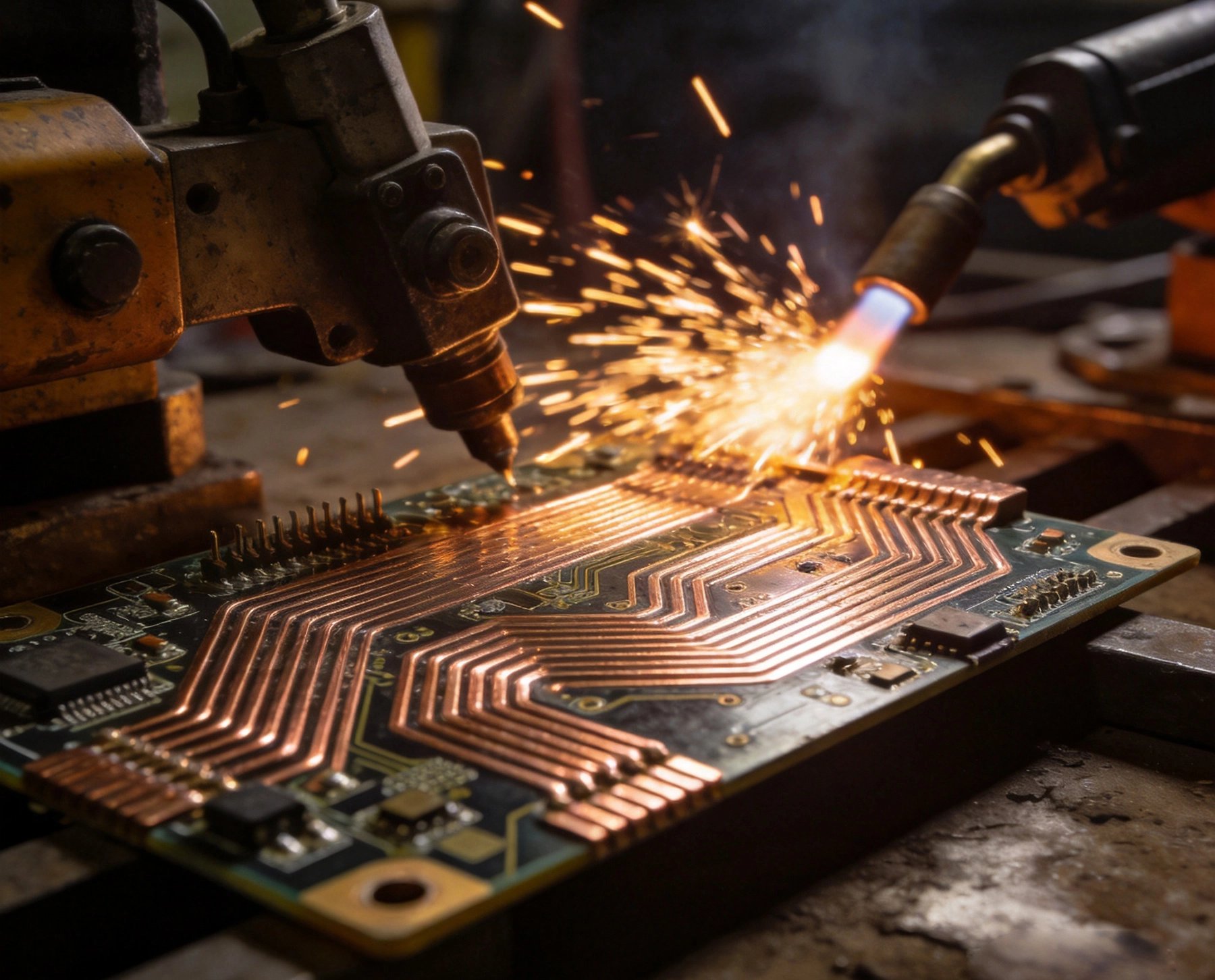
Designing a High Current PCB for Industrial Welding Equipment July/23/2026 Industrial welding equipment pushes the boundaries of what a printed circuit board is expected to do. Unlike consumer electronics, where currents are measured in milliamps and thermal margins are generous, welding machines demand PCB designs that carry tens to hundreds of amps without overheating,...
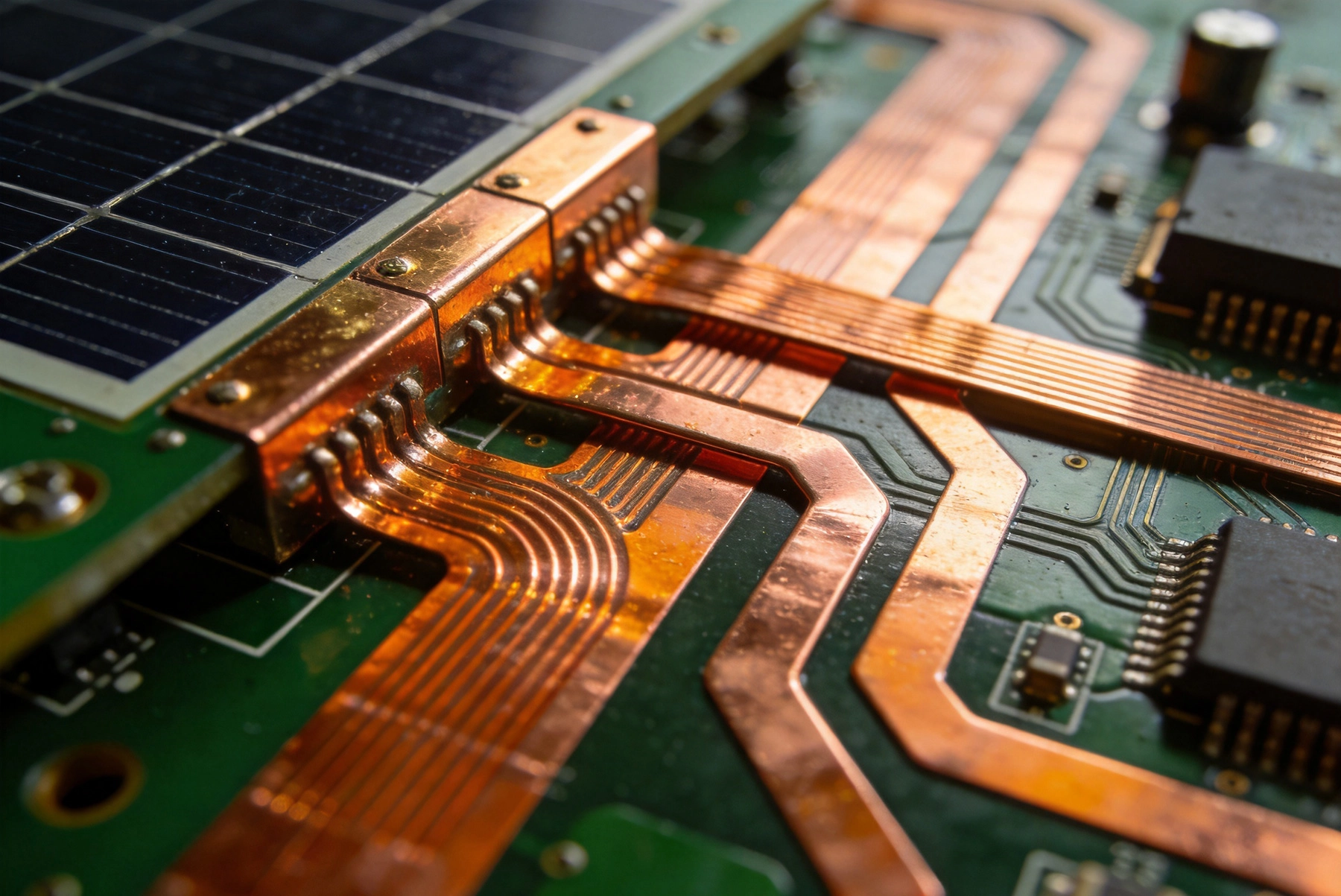
A Deep Dive into High Current PCB Design for Solar Inverters July/17/2026 Solar inverters operate at the heart of photovoltaic systems, converting DC power from panels into AC power for homes and grids. This conversion process demands PCB designs that can handle substantial current flows — sometimes exceeding 50 or even 100 amps — without overheating, voltage drop, or p...
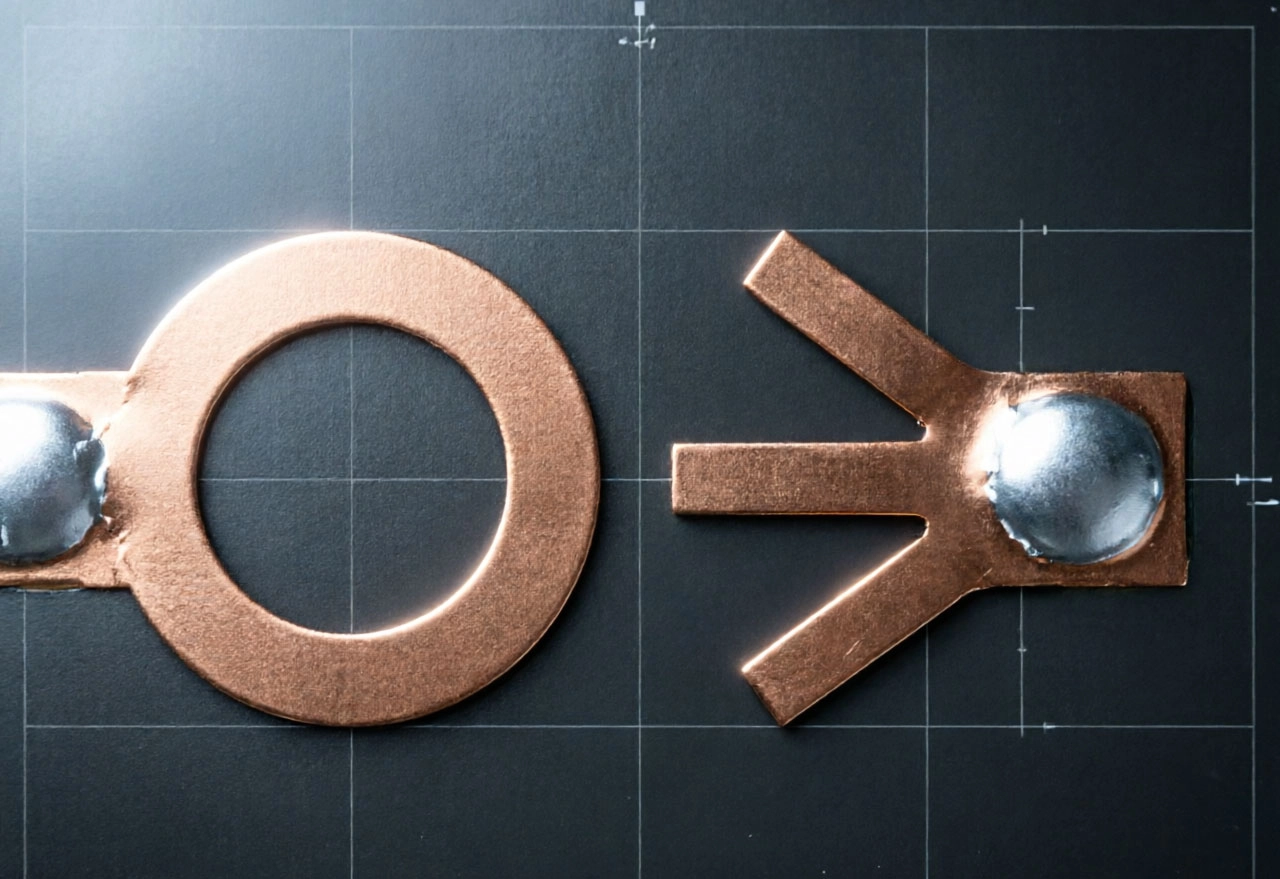
High Current PCB Thermal Relief: Full Connect vs. Modified Spokes July/16/2026 Power electronics place unique demands on printed circuit board design. When currents exceed a few amperes, thermal management becomes as critical as electrical performance. Thermal relief pads—the connections between component pads and copper planes—serve double duty: they must conduct heat effec...
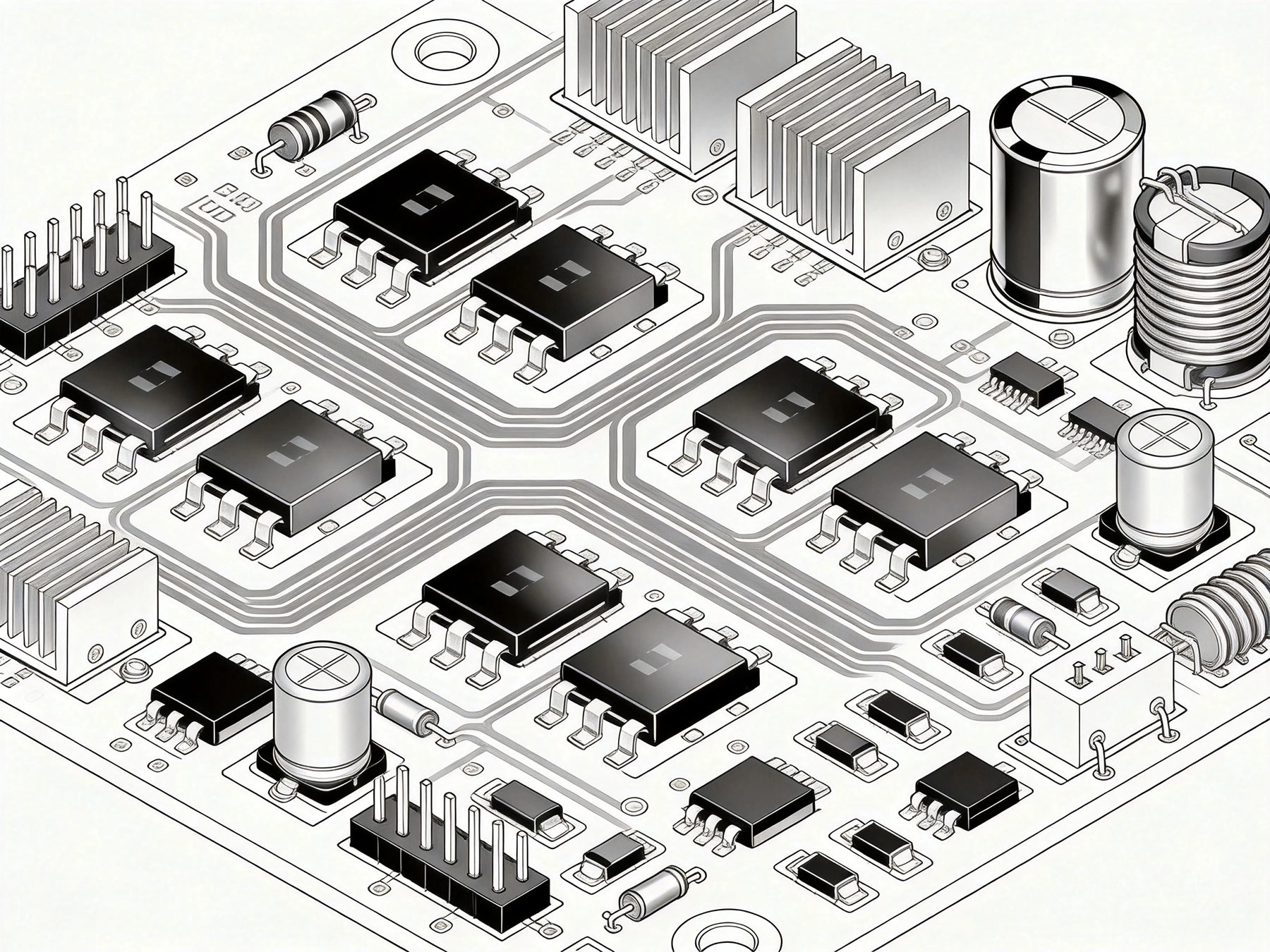
Designing a High Current PCB Motor Driver: Avoiding EMI Pitfalls July/14/2026 EMI problems in motor driver designs can cause system failures, regulatory rejections, and weeks of expensive debugging. Motor drivers are among the most EMI-challenging circuits you'll ever design. High currents switching at tens of kilohertz create perfect conditions for electromagnetic inter...
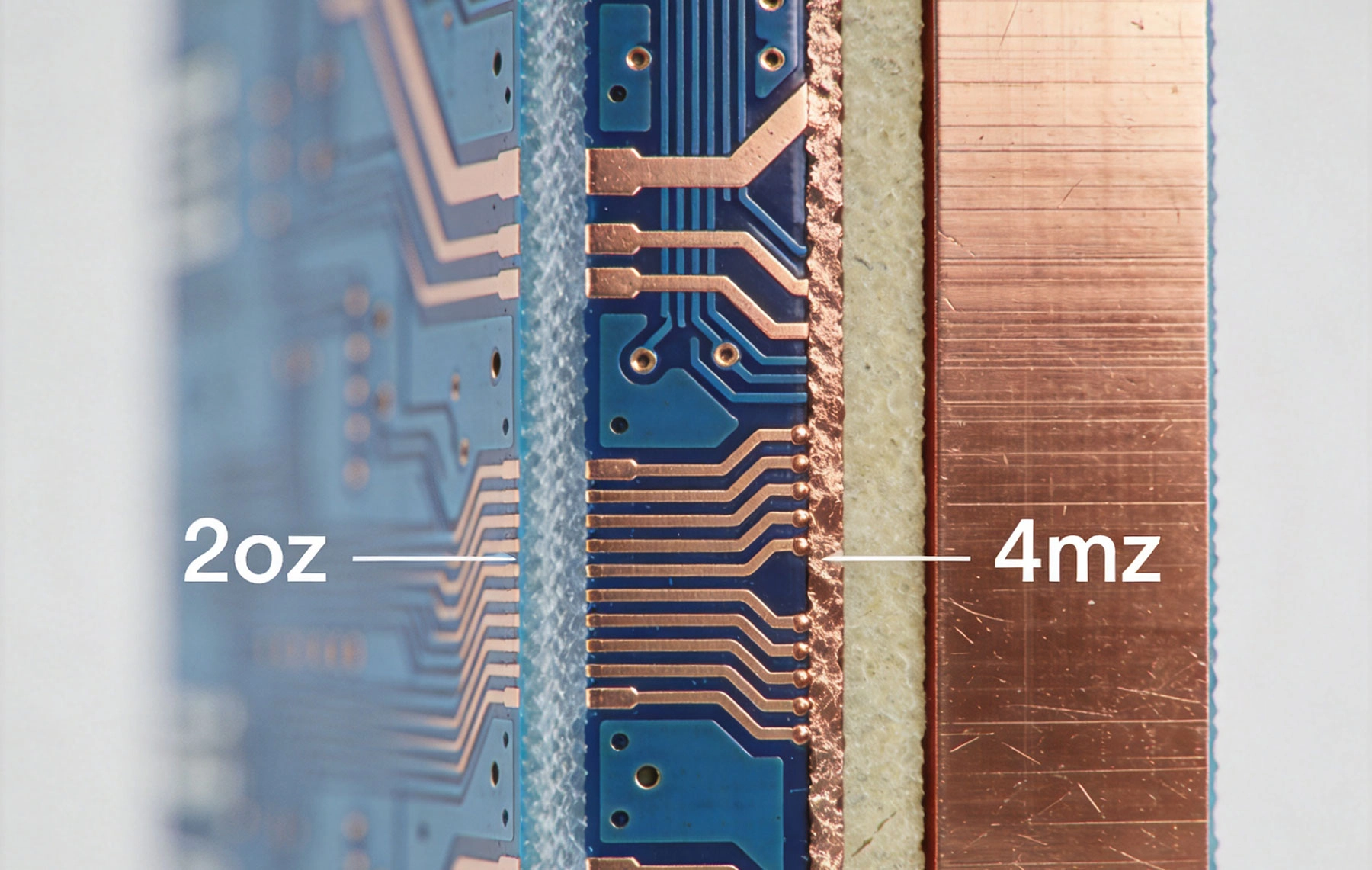
2oz vs. 4oz Copper: Which is Best for Your High Current PCB? July/10/2026 When designing printed circuit boards for high current applications, copper thickness becomes a critical decision that impacts everything from electrical performance to thermal management and manufacturing cost. The choice between 2oz and 4oz copper thickness can determine whether your power elect...
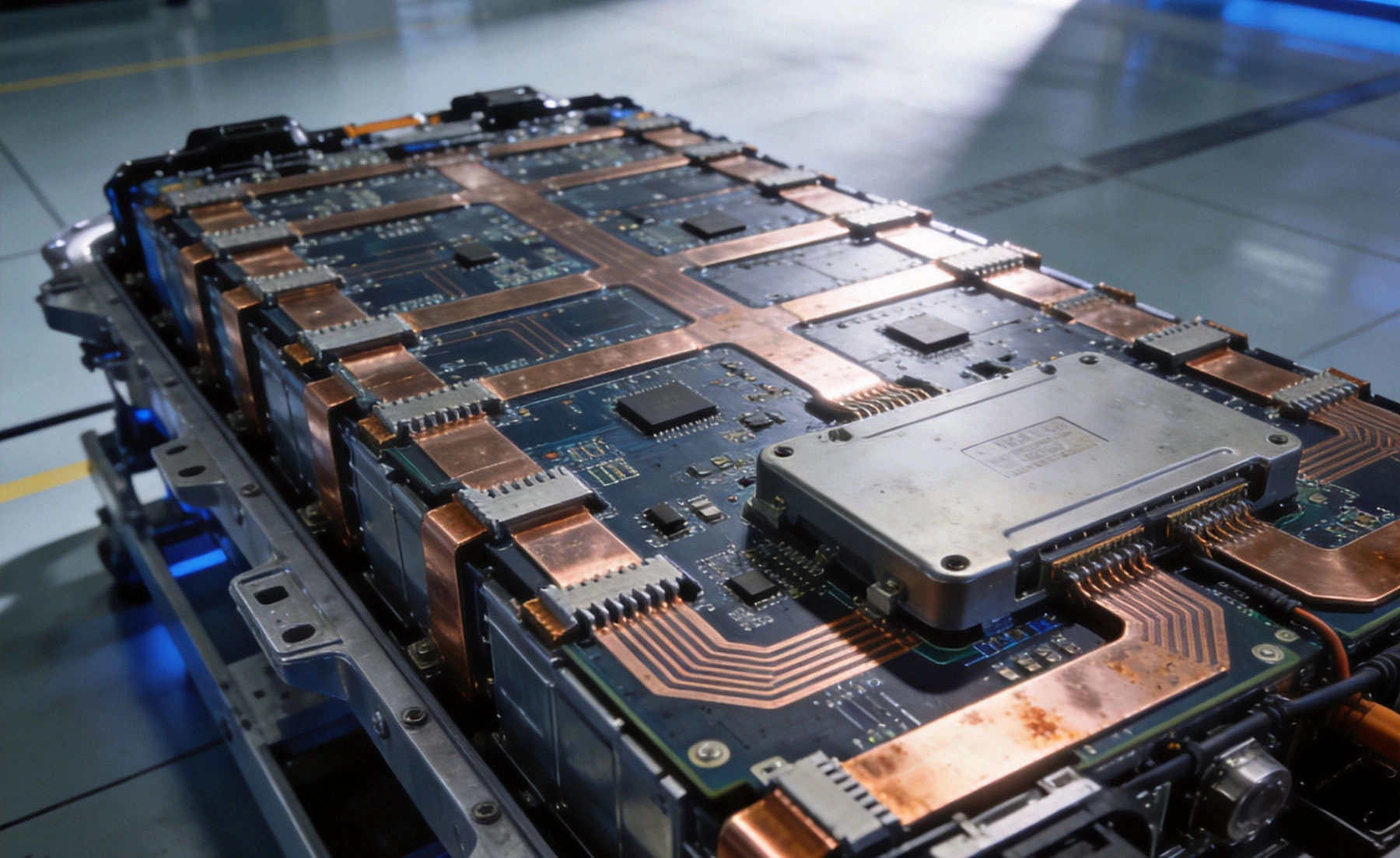
Designing a 100A High Current PCB for EV Battery Management Systems July/09/2026 Designing a PCB that handles 100 amperes of continuous current is not a straightforward scaling exercise from a 10-ampere board. At 100 amperes, the physics of electrical resistance, thermal management, and electromagnetic interference all become simultaneously critical in ways that reshape every ...
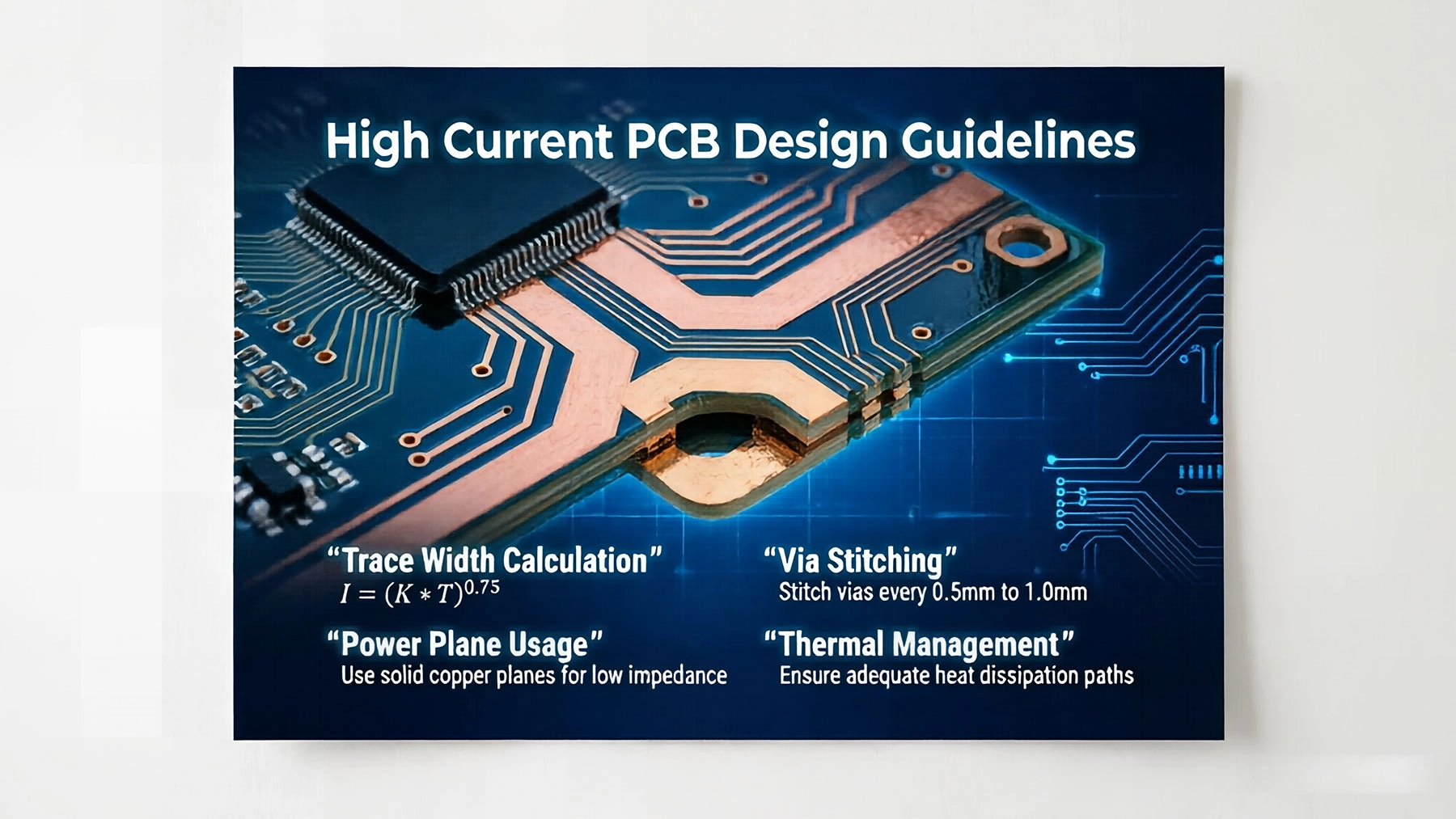
High Current PCB Design Guidelines: Ensuring Reliability and Safety June/08/2026 Designing Printed Circuit Boards (PCBs) for high-current applications requires a distinct approach compared to standard signal-level designs. Whether you are building power supplies, motor controllers, or battery management systems, managing heat and preventing voltage drops are paramount. Failure...
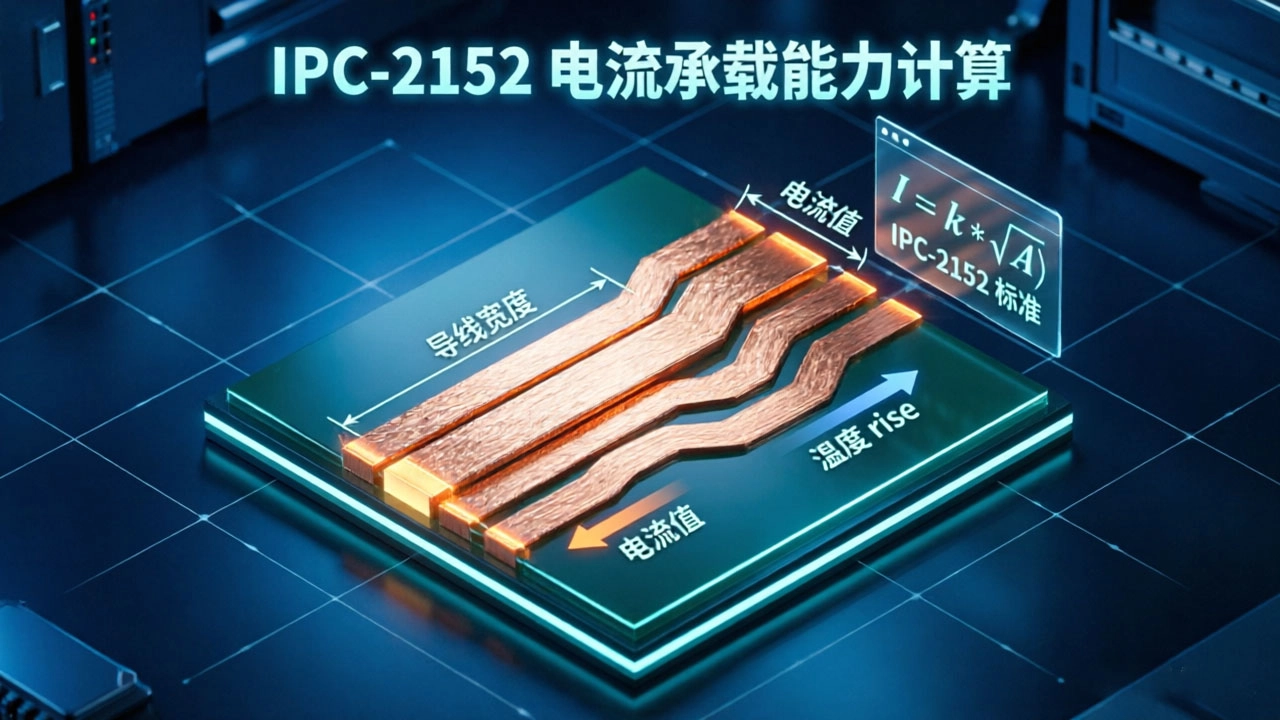
Mastering IPC-2152 Current Carrying Capacity Calculation for Reliable PCB Design June/04/2026 In the world of Printed Circuit Board (PCB) design, thermal management is often the silent killer of reliability. While signal integrity and component placement get a lot of attention, ensuring your copper traces can handle the required current without melting or causing excessive voltage drop is ...
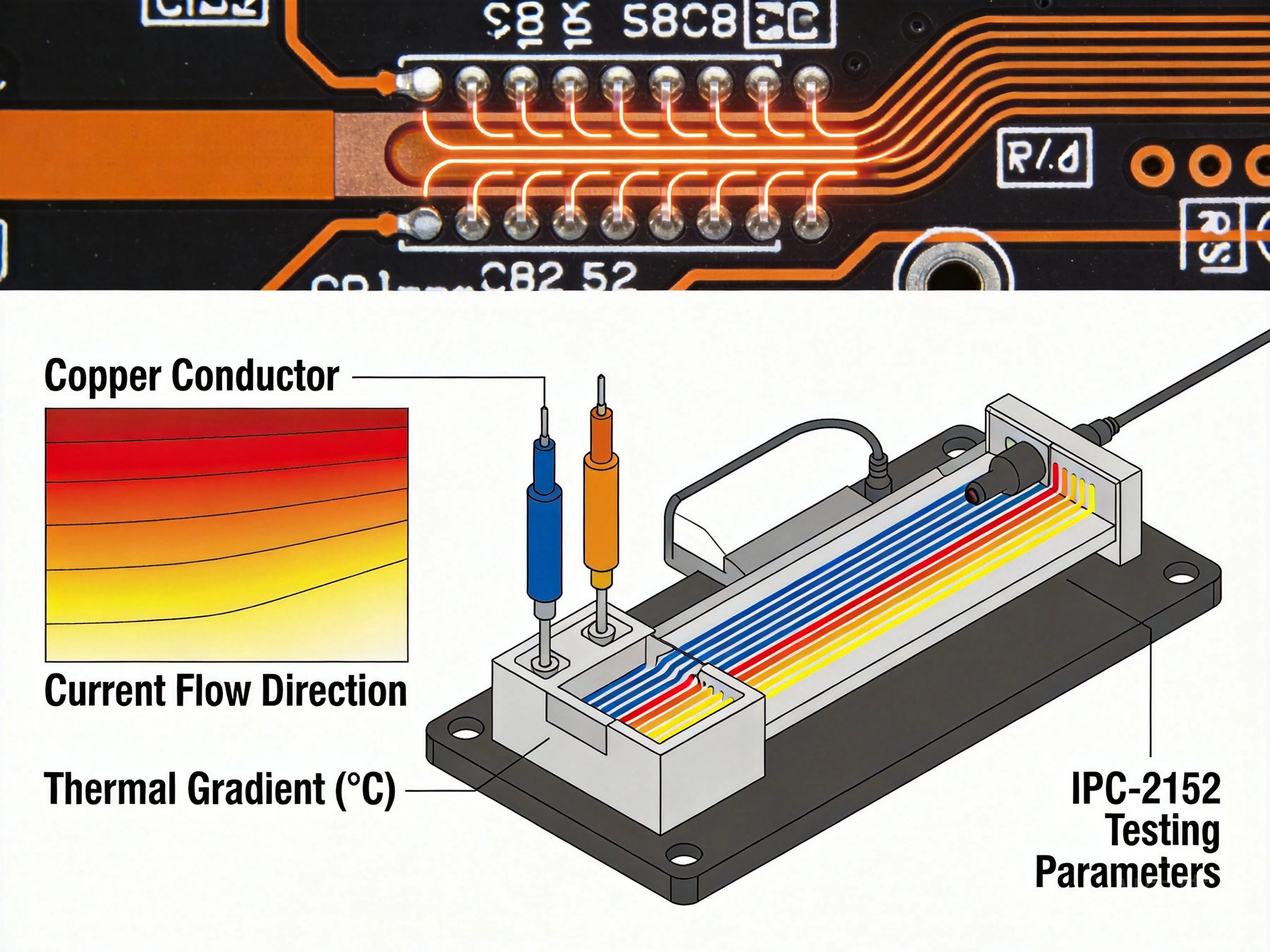
IPC-2152 Current Carrying Capacity Calculation Guide June/03/2026 Designing printed circuit boards that safely handle high currents while maintaining reliability requires more than guesswork and rule-of-thumb estimates. The IPC-2152 standard provides the definitive methodology for determining current-carrying capacity in PCB design, replacing outdated approaches...
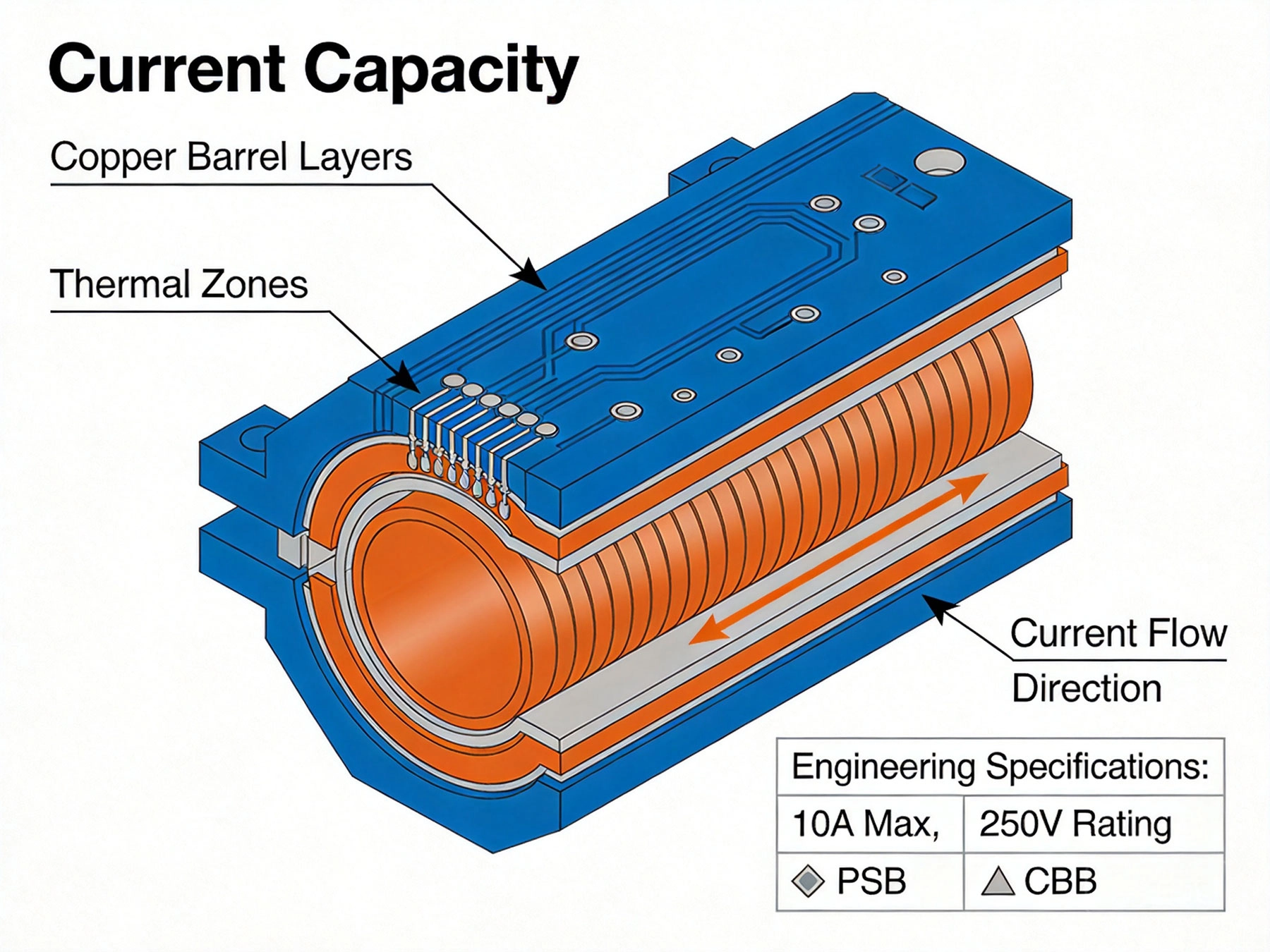
Plated Through Hole Current Rating: Complete Guide for PCB Designers May/21/2026 Everything you need to know about PCB via current capacity, thermal limits, and design optimization What You Will Learn How plated through hole vias actually carry current Current rating formulas based on thermal and electrical limits Practical current capacity t...
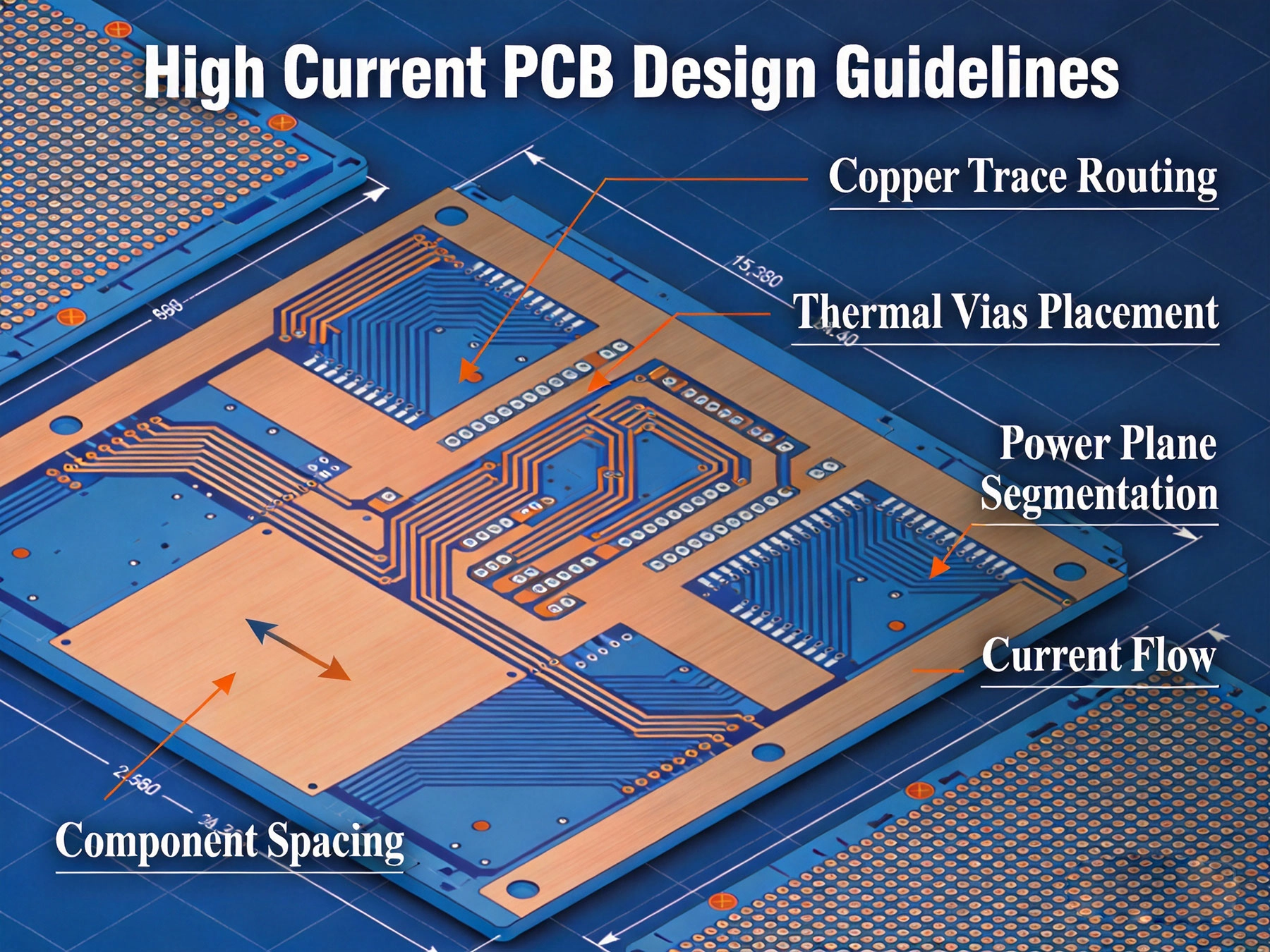
High Current PCB Design Guidelines May/21/2026 Everything you need to design reliable power electronics—from trace widths to thermal management What You'll Learn in This Guide Calculate trace widths for any current requirement Master thermal vias and heat dissipation techniques Design power distribution netwo...
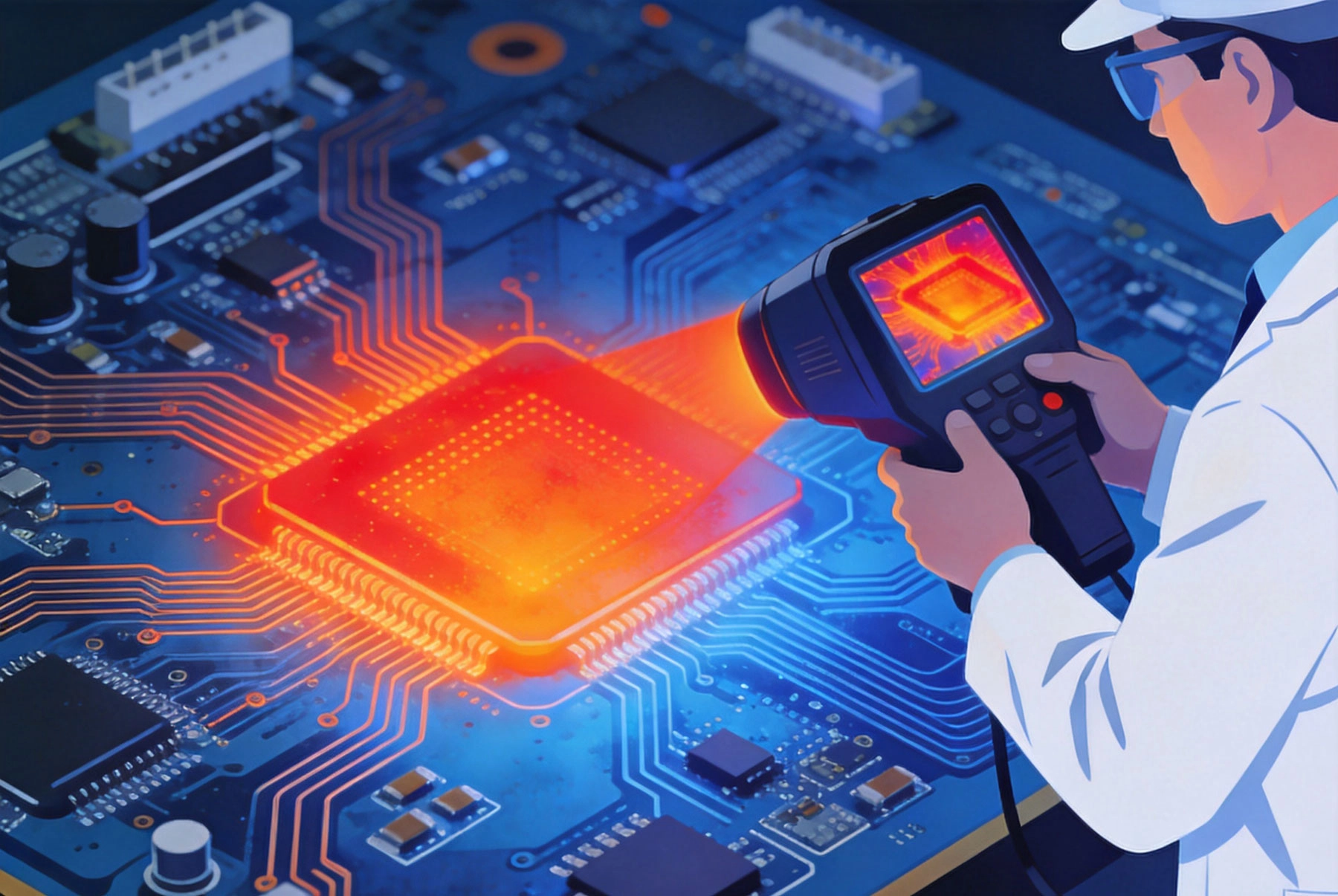
5 Critical Thermal Management Problems in High Power PCBs May/21/2026 Real failures from 50+ design projects—and the fixes that actually work in production The $200,000 Lesson: Three years ago, a client's industrial motor drive failed thermal testing—repeatedly. We tried bigger heatsinks. We tried fans. We even tried liquid cooling prototypes. The real problem? A s...
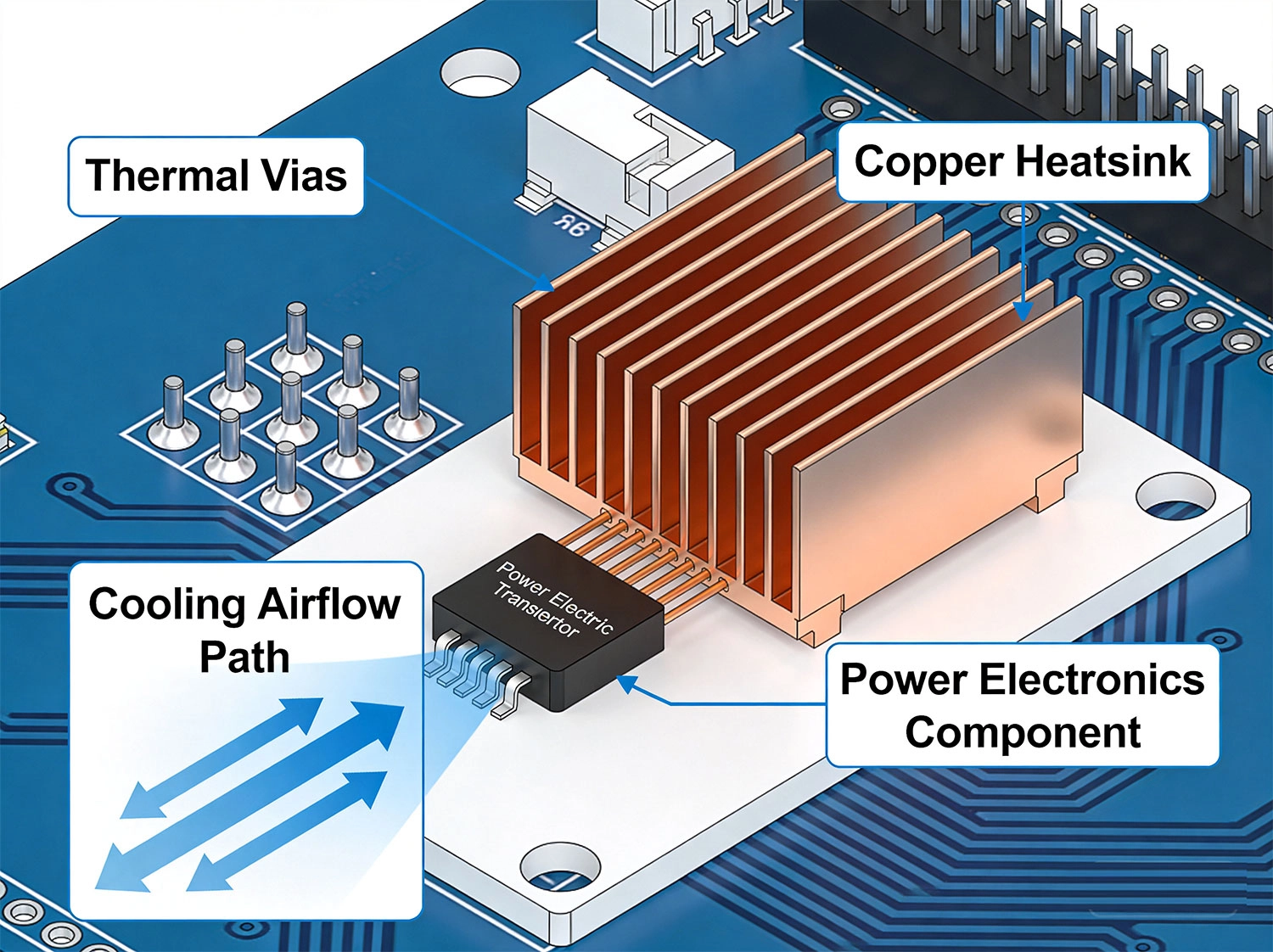
Why Your High-Power PCBs Overheat (And the 5 Methods That Actually Fix It) May/20/2026 Practical thermal management solutions that work, explained by engineers who've been there The $10,000 Mistake Most Engineers Make Picture this: You've designed what looks like a solid power supply. Clean layout, proper component selection, everything by the book. Then during testing, you n...
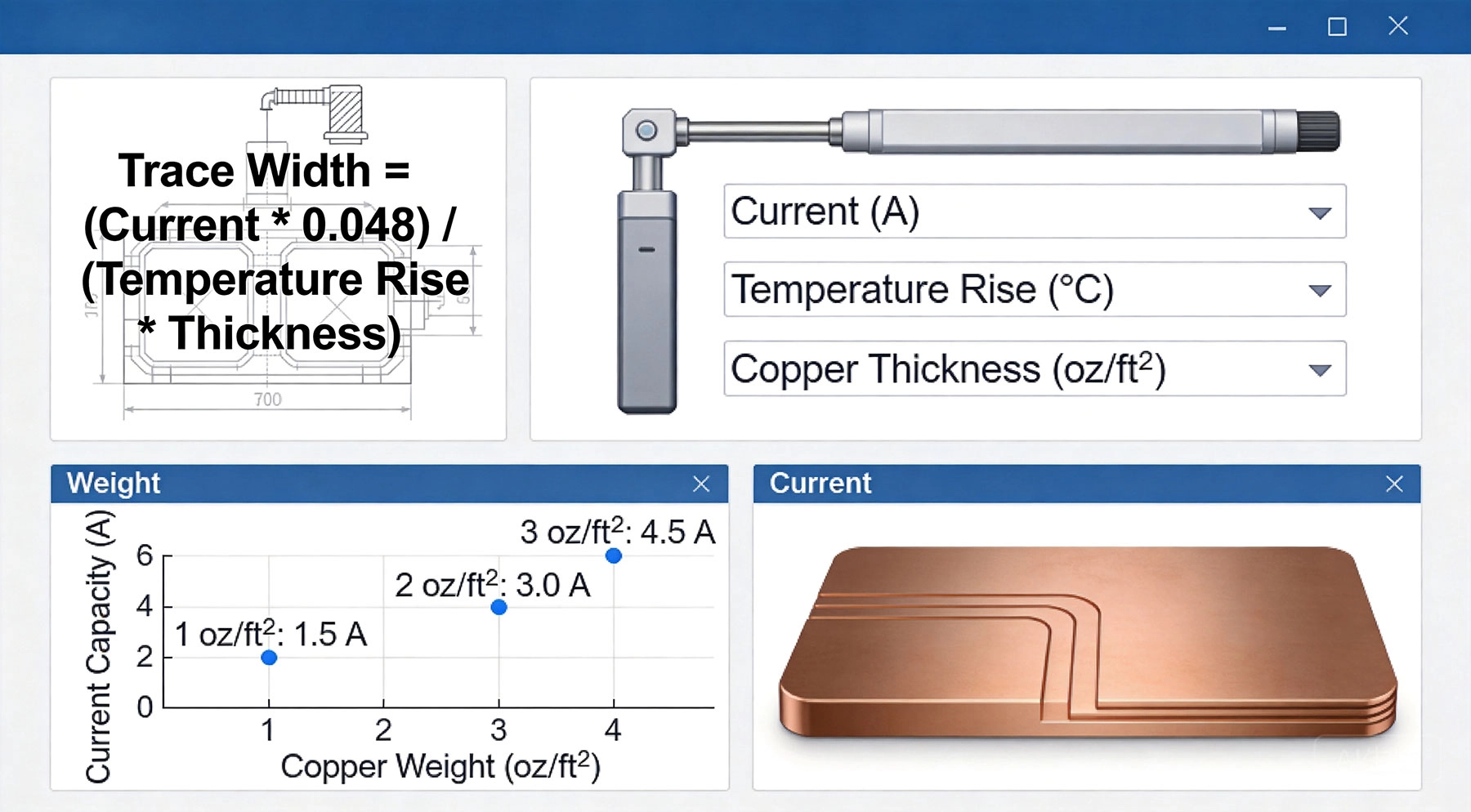
High Current PCB Trace Width Calculator: The Ultimate Engineering Guide May/20/2026 A trace width calculator helps engineers determine the right copper dimensions for safe current carrying capacity Introduction to PCB Trace Width Calculators Every electronics engineer faces the same challenge when designing power circuits: how wide should the traces be to safely carry the ...