

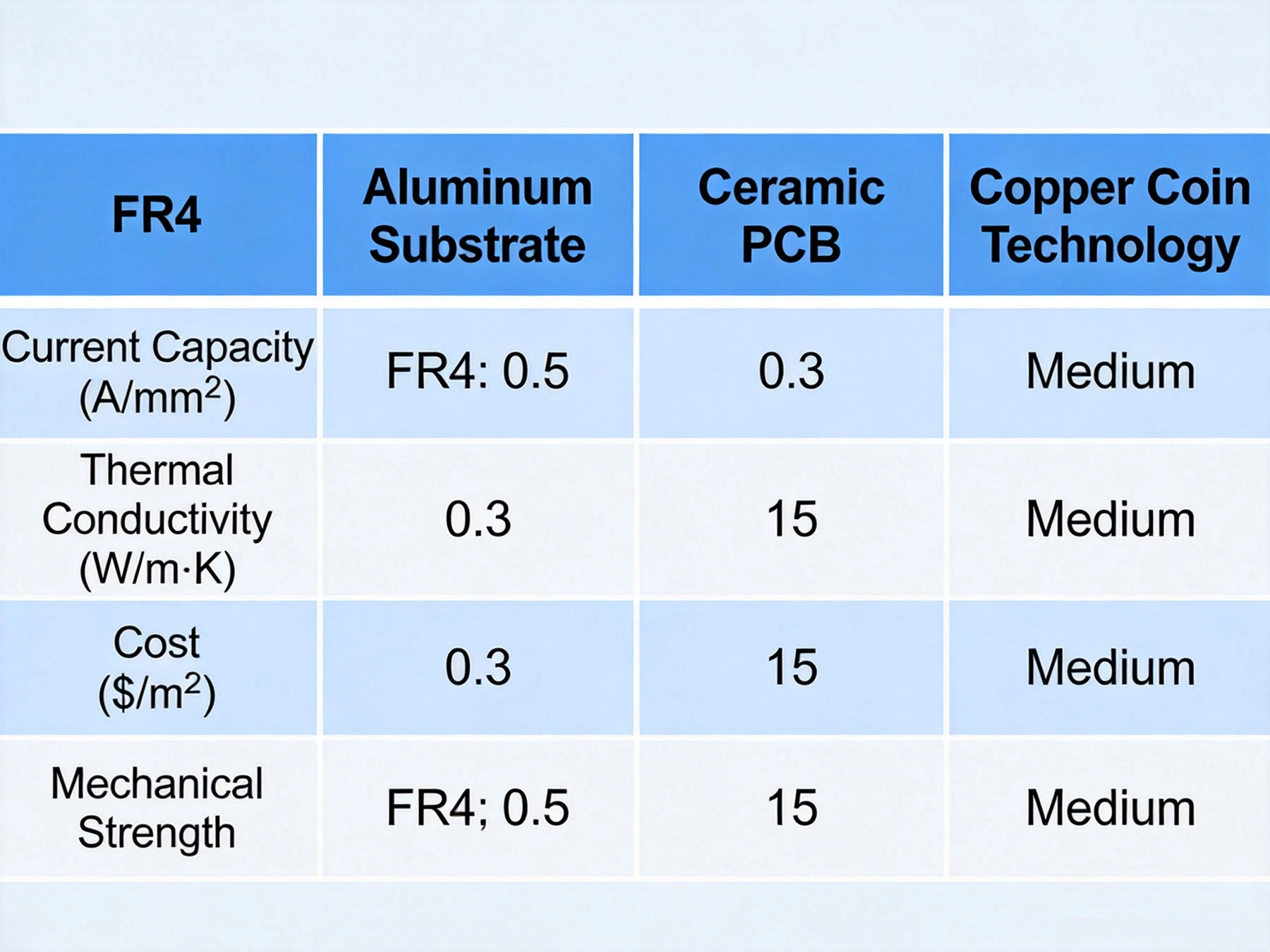
A practical selection guide based on current capacity, thermal needs, and budget constraints The Material Choice Dilemma I once spent three weeks redesigning a 100A motor controller because I chose the wrong PCB material. Standard FR-4...
https://www.high-current-pcb.com/high-current-pcb-materials-standards/best-material-for-high-current-pcb-design/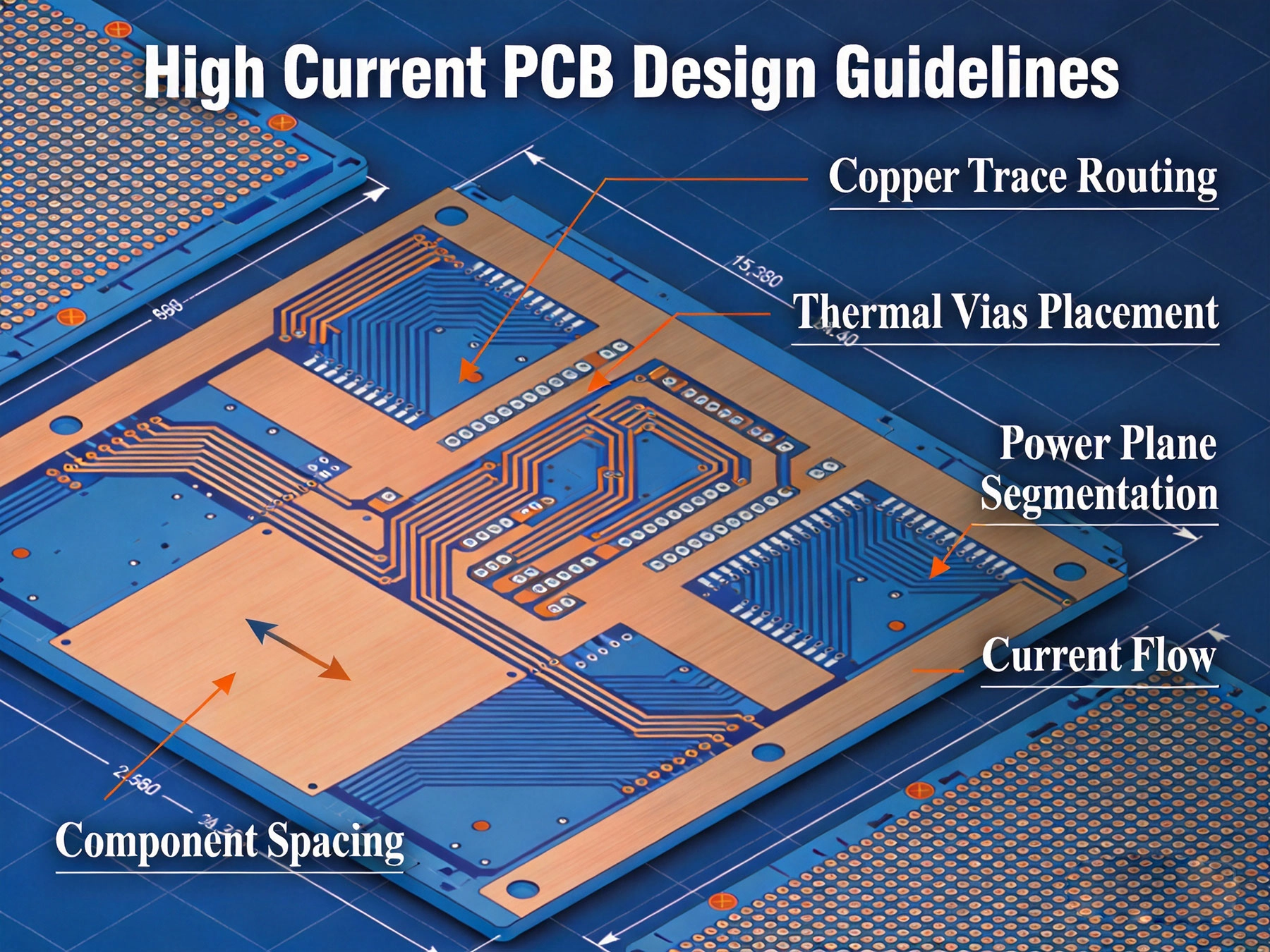
Everything you need to design reliable power electronics—from trace widths to thermal management What You'll Learn in This Guide Calculate trace widths for any current requirement Master thermal vias and heat dissipation t...
https://www.high-current-pcb.com/high-current-pcb-thermal-design/high-current-pcb-design-guidelines/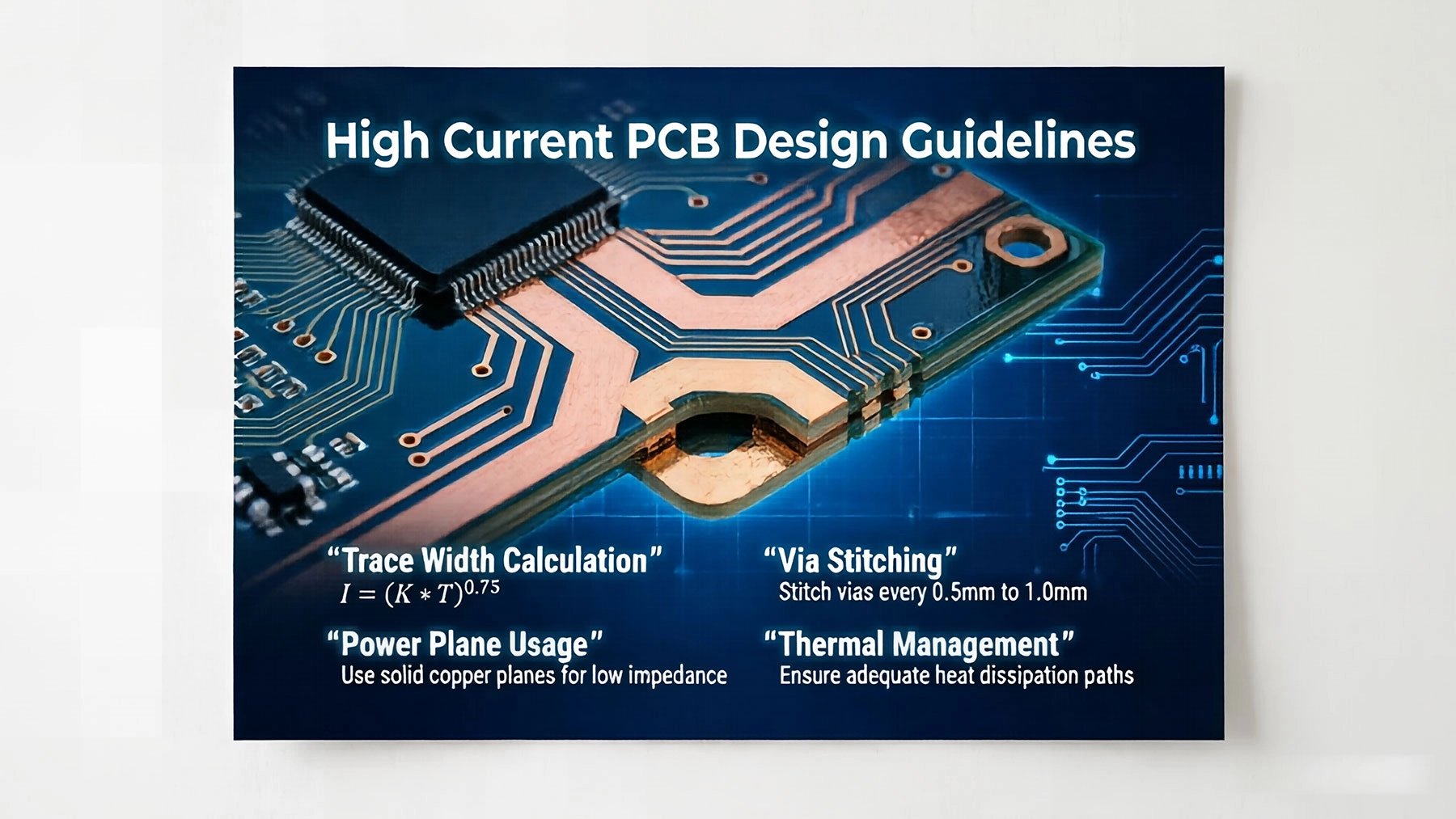
Designing Printed Circuit Boards (PCBs) for high-current applications requires a distinct approach compared to standard signal-level designs. Whether you are building power supplies, motor controllers, or battery management systems, managing heat a...
https://www.high-current-pcb.com/high-current-pcb-thermal-design/high-current-pcb-design-guidelines-ensuring-reliability-and-safety/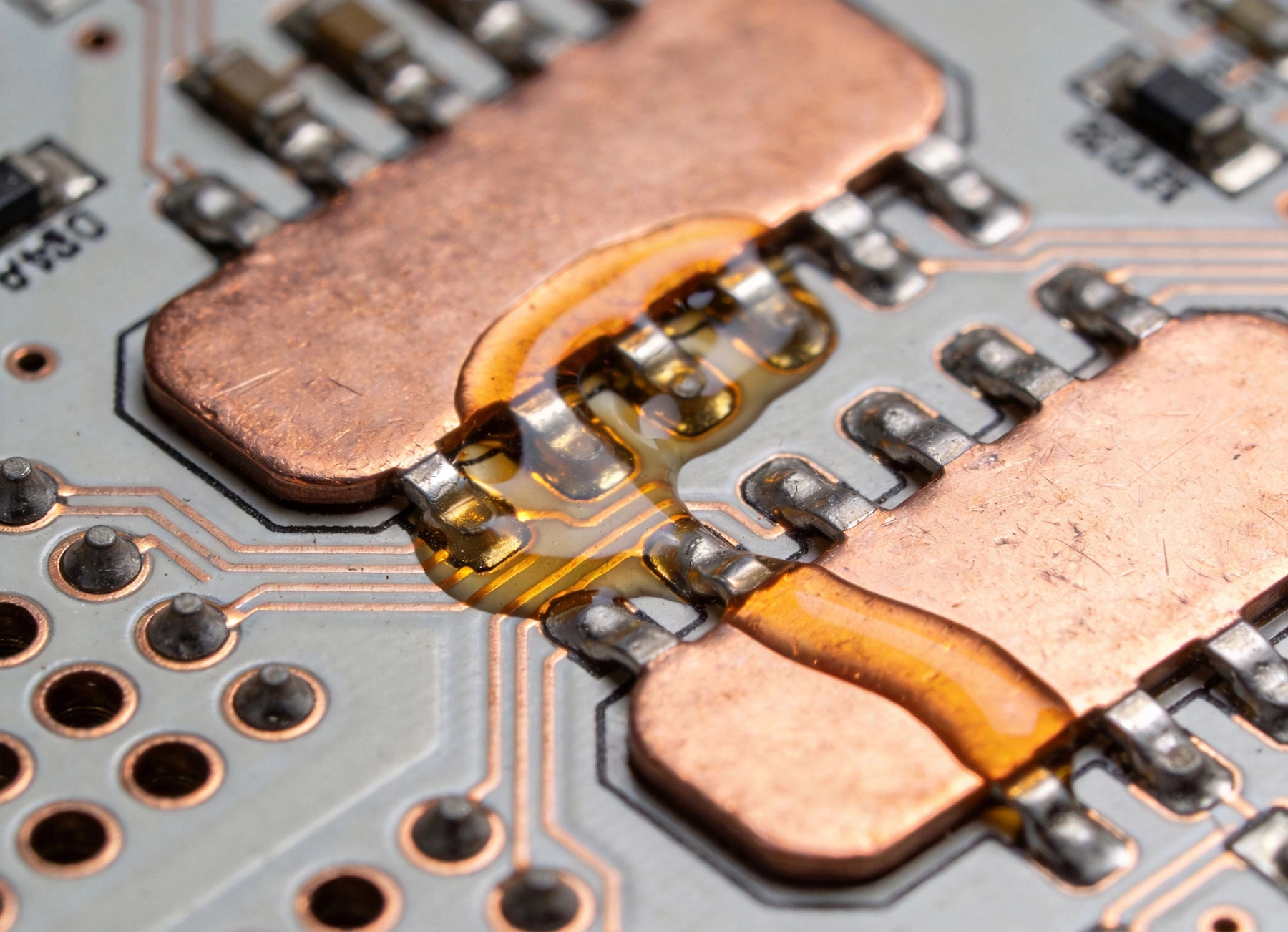
Power electronics push current levels that consumer gadgets never encounter. When amperage climbs past 5A, 10A, or even 100A, the humble solder joint becomes a critical design element. Get it wrong, and you face field failures, thermal runaway, or ...
https://www.high-current-pcb.com/high-current-pcb-materials-standards/high-current-pcb-solder-joints-wave-soldering-vs-selective-soldering/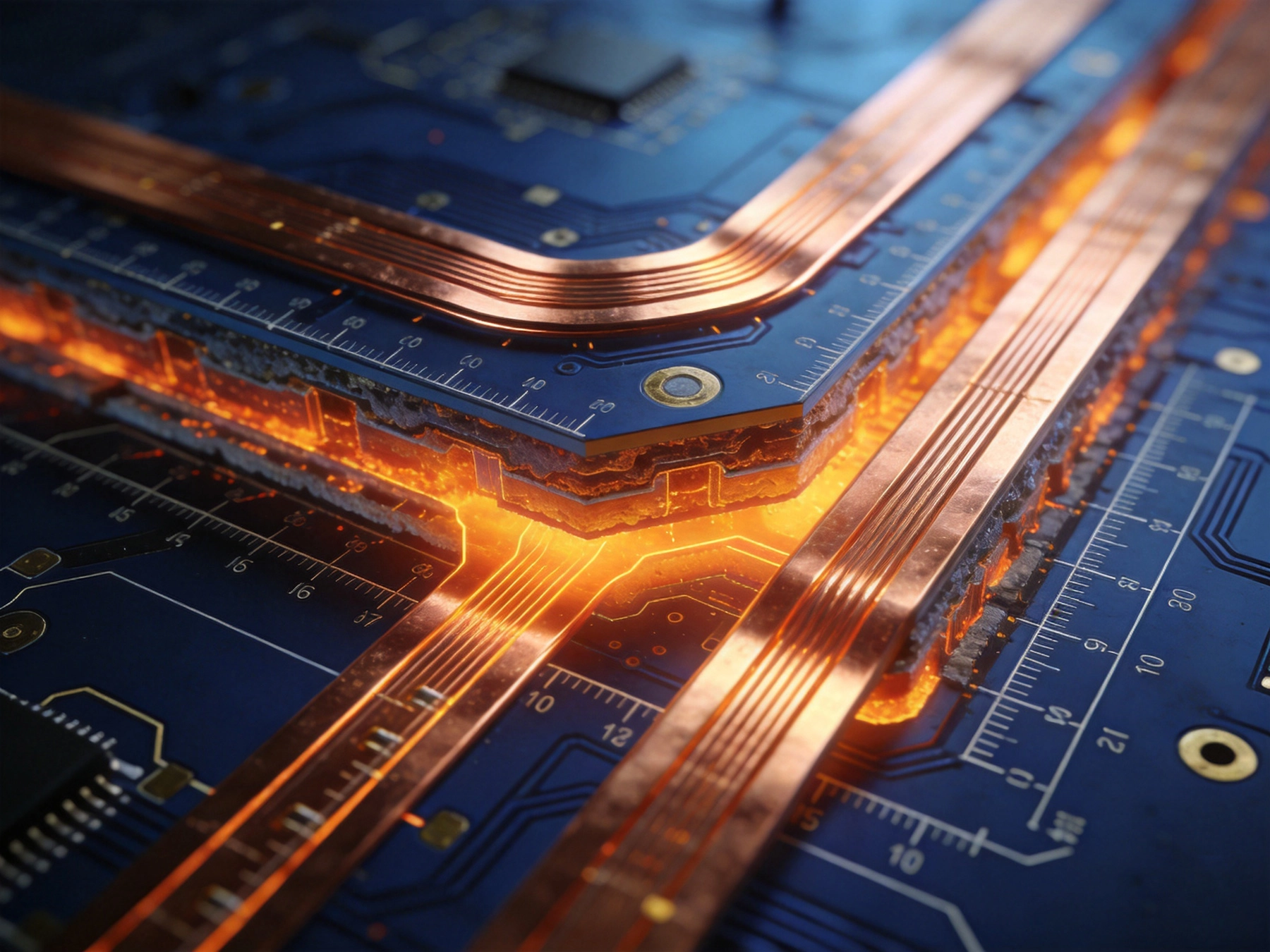
Designing printed circuit boards for high current applications demands precision in trace width calculations. The copper conductors that carry power through your PCB must dissipate heat while maintaining structural integrity and avoiding voltage dr...
https://www.high-current-pcb.com/industrial-automation/high-current-pcb-trace-width-ipc-2152-calculator-vs-empirical-formulas/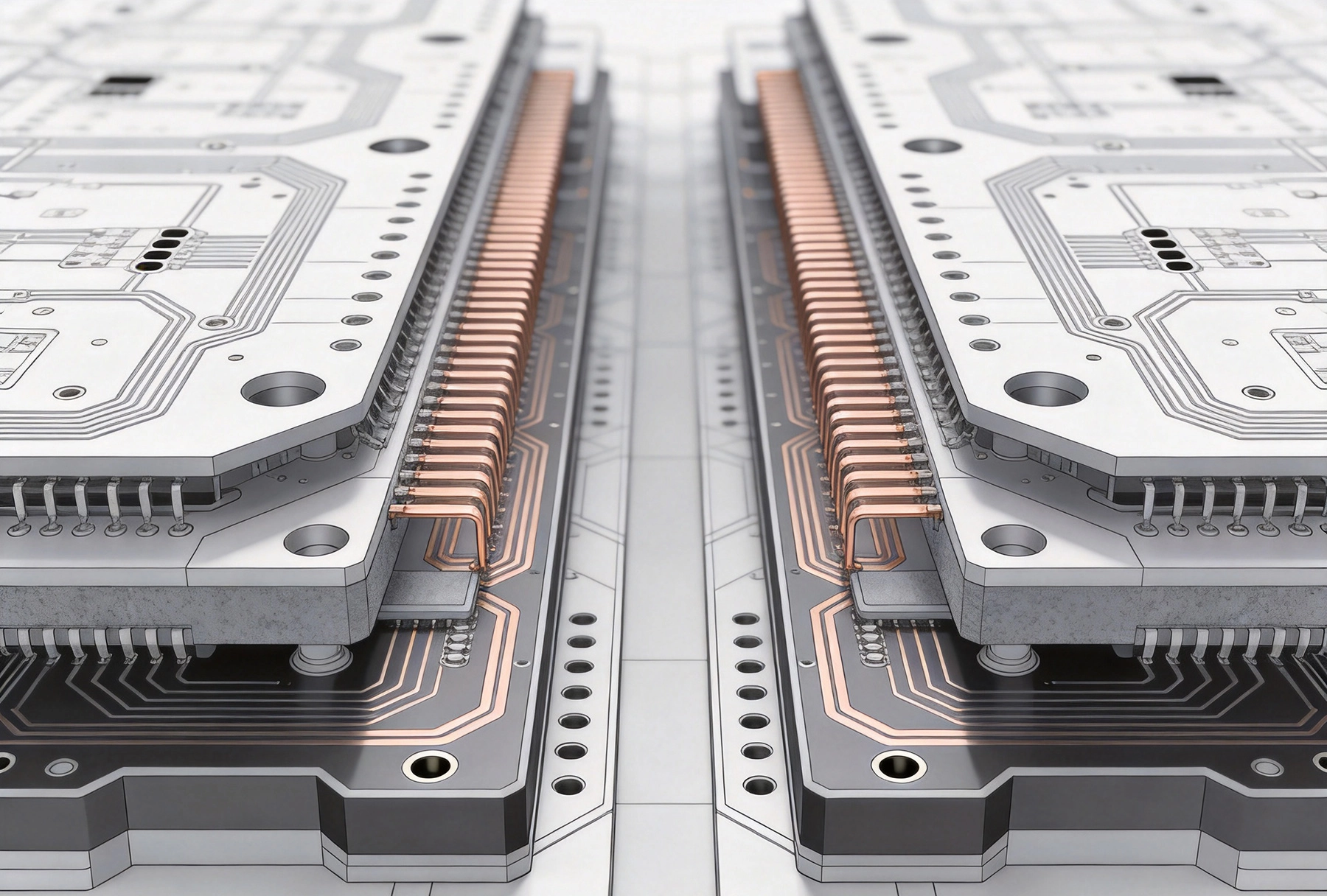
Power distribution in multilayer PCBs presents design challenges that differ fundamentally from signal-integrity-focused boards. When your design must carry significant current—tens of amps or more—the choices you make about layer arrangement, plan...
https://www.high-current-pcb.com/automotive-ev-systems/high-current-pcb-layer-stackup-symmetrical-vs-asymmetrical-power-planes/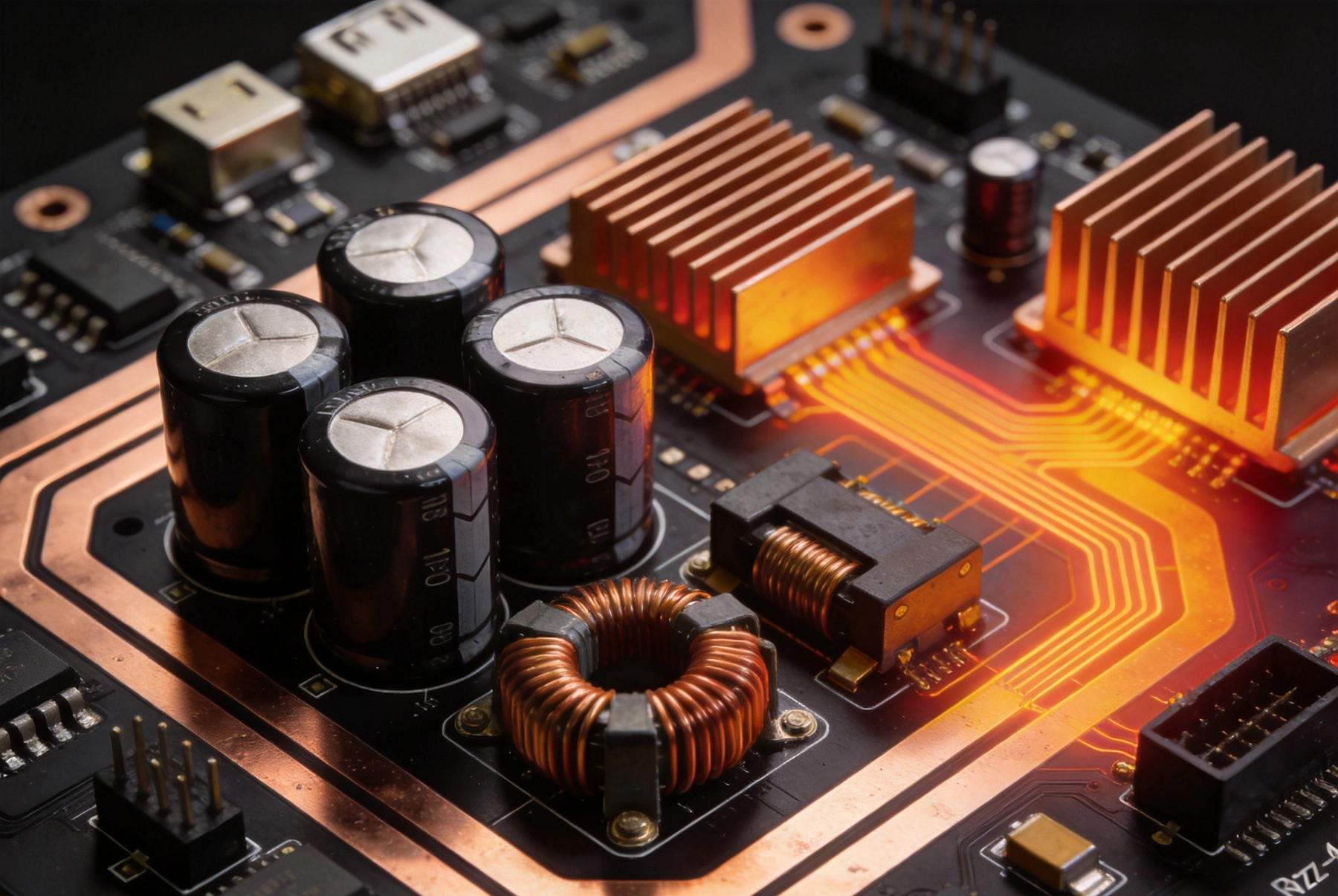
Designing high-current PCBs presents challenges that go far beyond standard digital electronics. When your board must handle tens or hundreds of amperes, every placement decision impacts thermal performance, electromagnetic interference, and system...
https://www.high-current-pcb.com/industrial-automation/high-current-pcb-component-placement-grouping-vs-distributed-layout/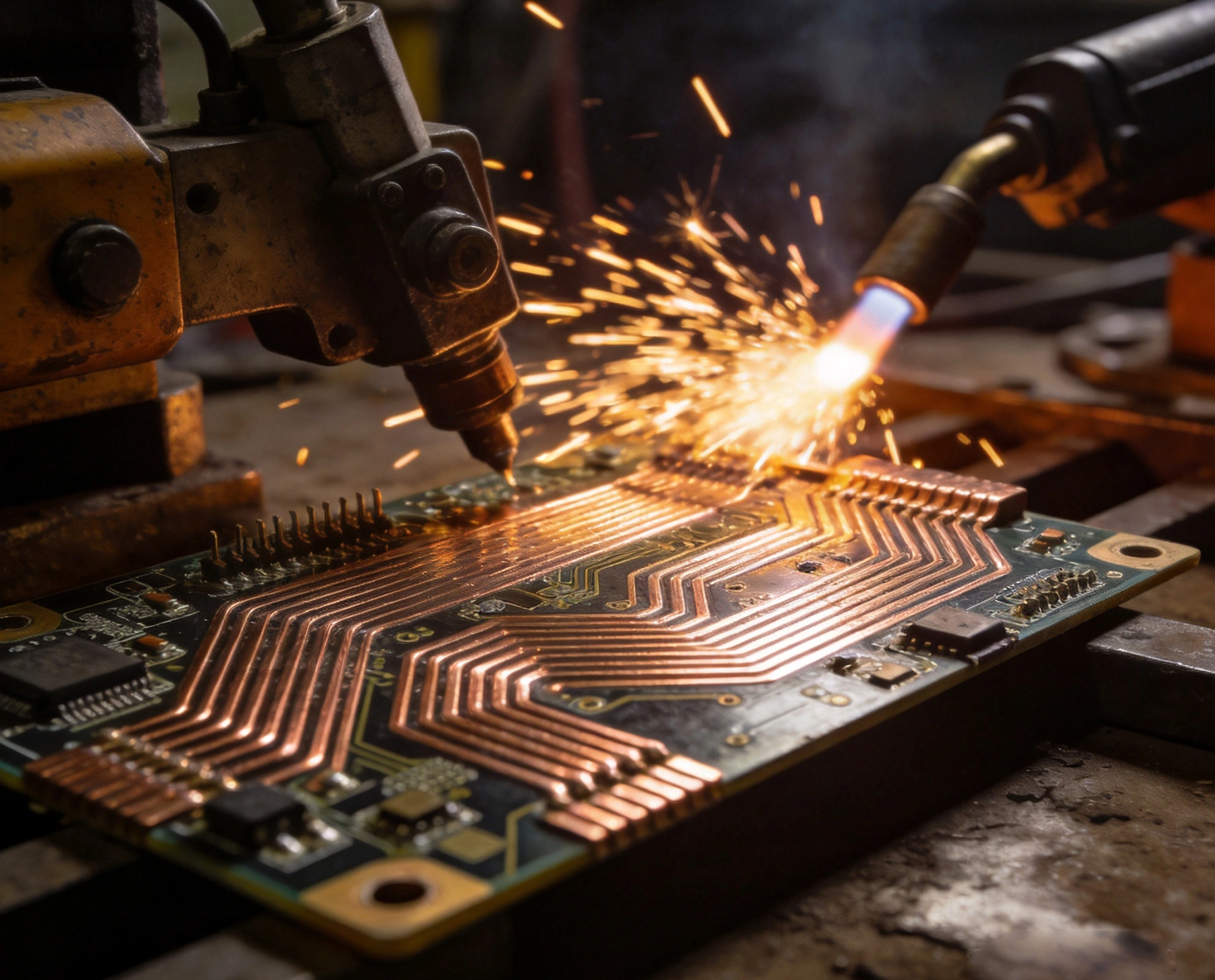
Industrial welding equipment pushes the boundaries of what a printed circuit board is expected to do. Unlike consumer electronics, where currents are measured in milliamps and thermal margins are generous, welding machines demand PCB designs that c...
https://www.high-current-pcb.com/high-current-pcb-thermal-design/designing-a-high-current-pcb-for-industrial-welding-equipment/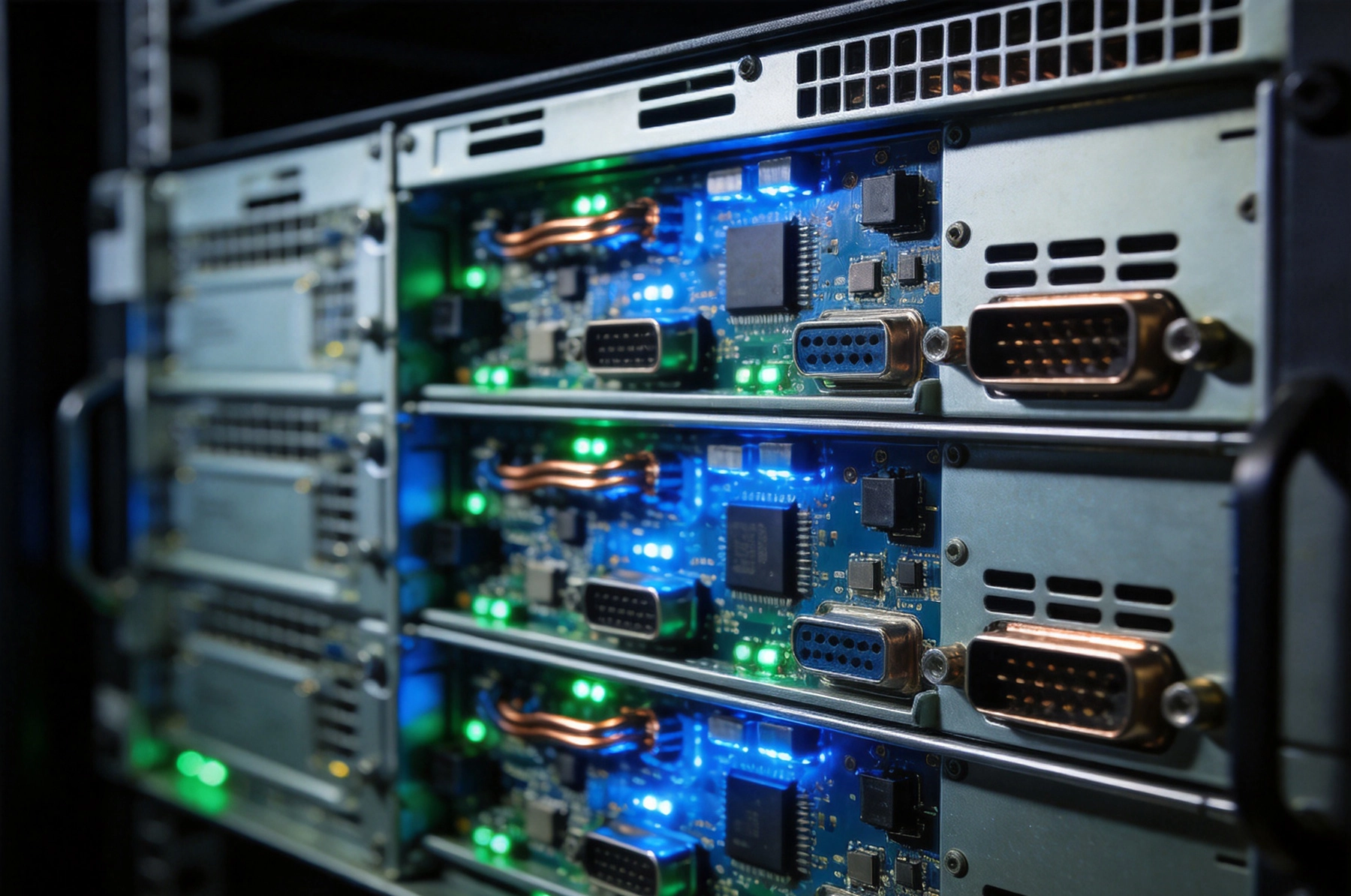
Server racks today demand more power than ever before. A single high-density rack can house hundreds of blade servers, storage arrays, network switches, and power distribution units that collectively draw tens of kilowatts. At the heart of deliveri...
https://www.high-current-pcb.com/high-current-pcb-manufacturing-tech/building-a-high-current-pcb-power-supply-for-server-racks/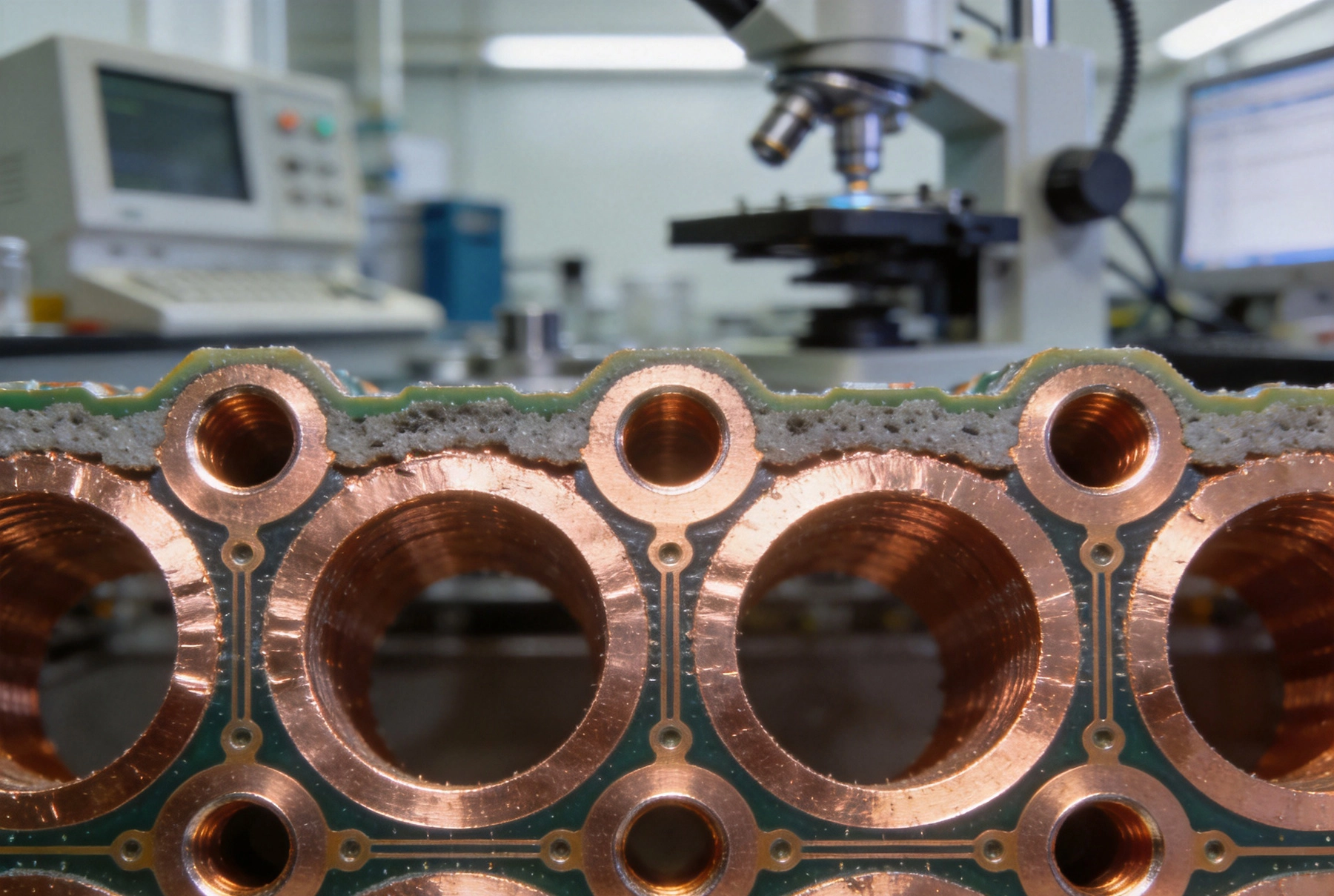
Via plating thickness represents one of the most consequential specifications in high current PCB design. When engineers design power distribution networks for automotive motor drives, industrial motor controllers, or server power supplies, the cop...
https://www.high-current-pcb.com/high-current-pcb-dfm-tips/high-current-pcb-via-plating-1mil-vs-2mil-thickness-reliability-test/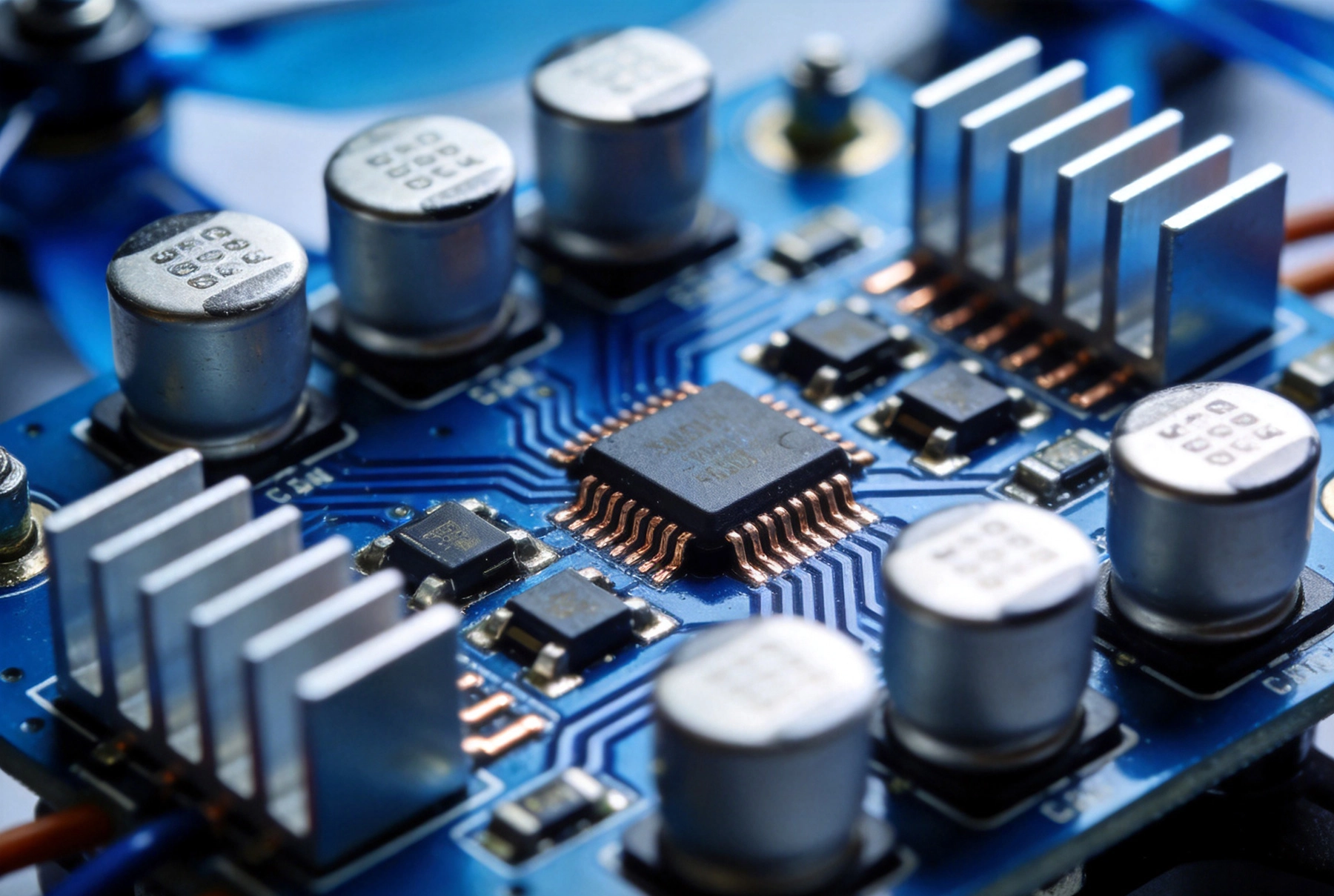
Electronic Speed Controllers governing drone motors face some of the most demanding PCB design challenges in consumer electronics. These compact controllers must switch hundreds of amperes at tens of kilohertz while maintaining efficiency above 95 ...
https://www.high-current-pcb.com/high-current-pcb-thermal-design/high-current-pcb-design-for-drone-escs-minimizing-loop-inductance/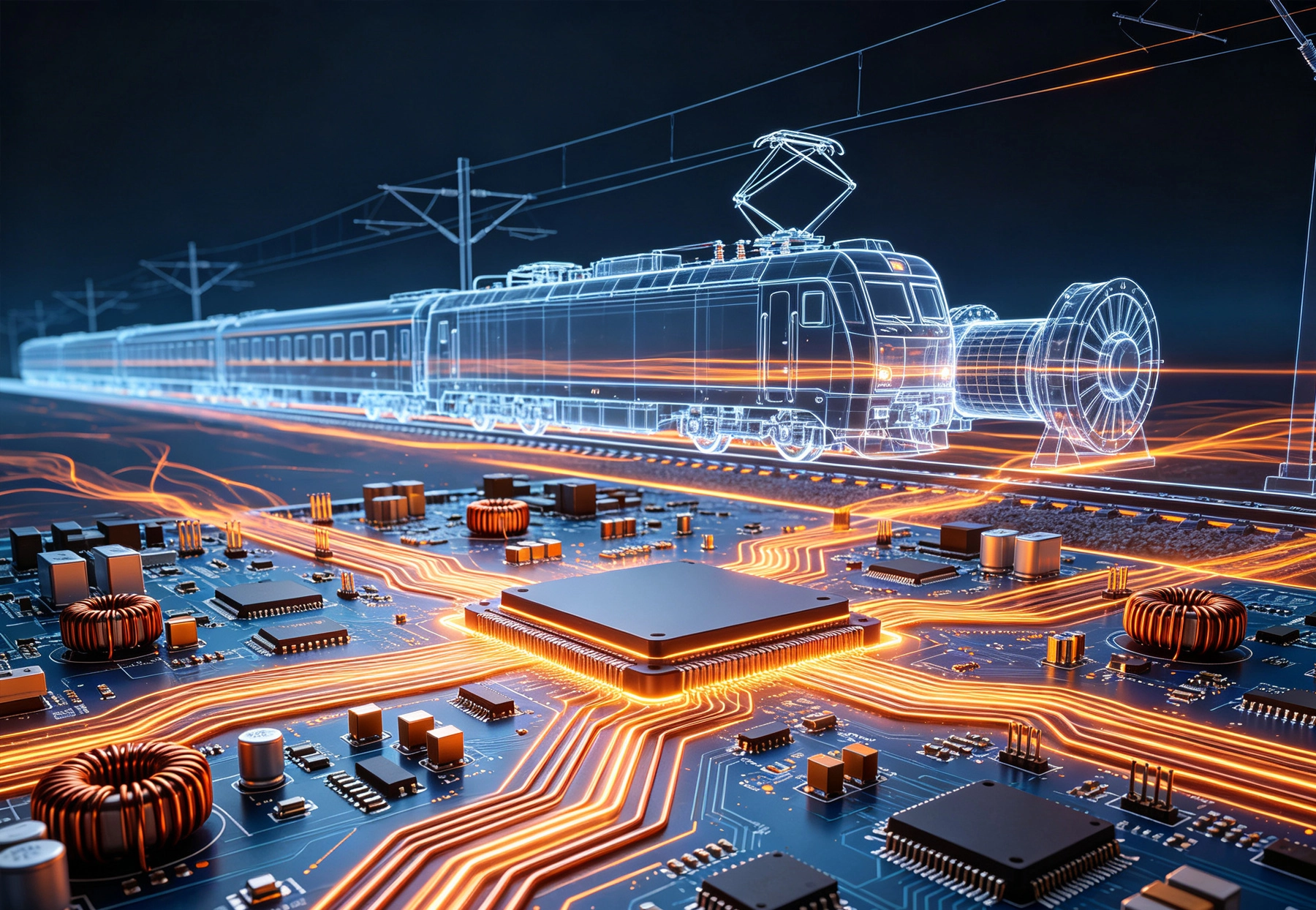
Railway traction systems represent some of the most demanding applications for power electronics. These systems control massive electric motors that propel trains, trams, and high-speed rail vehicles, requiring PCB designs capable of handling hundr...
https://www.high-current-pcb.com/high-current-pcb-thermal-design/high-current-pcb-design-for-railway-traction-systems/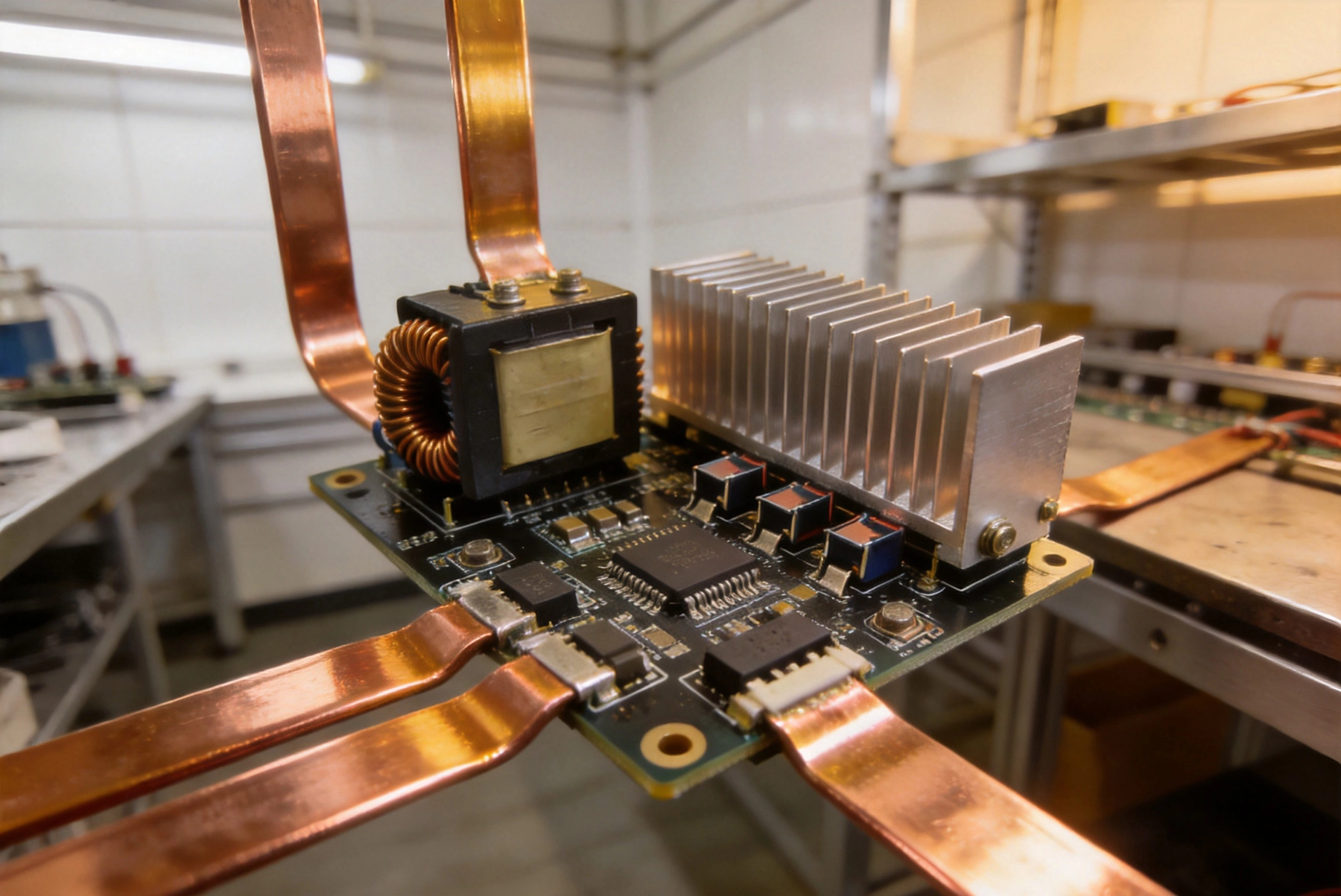
High-power LED applications demand robust PCB design strategies that can handle substantial current loads while maintaining thermal efficiency and electrical reliability. As LED technology continues to advance, drivers must deliver increasingly hig...
https://www.high-current-pcb.com/high-current-pcb-thermal-design/high-current-pcb-design-for-high-power-led-drivers/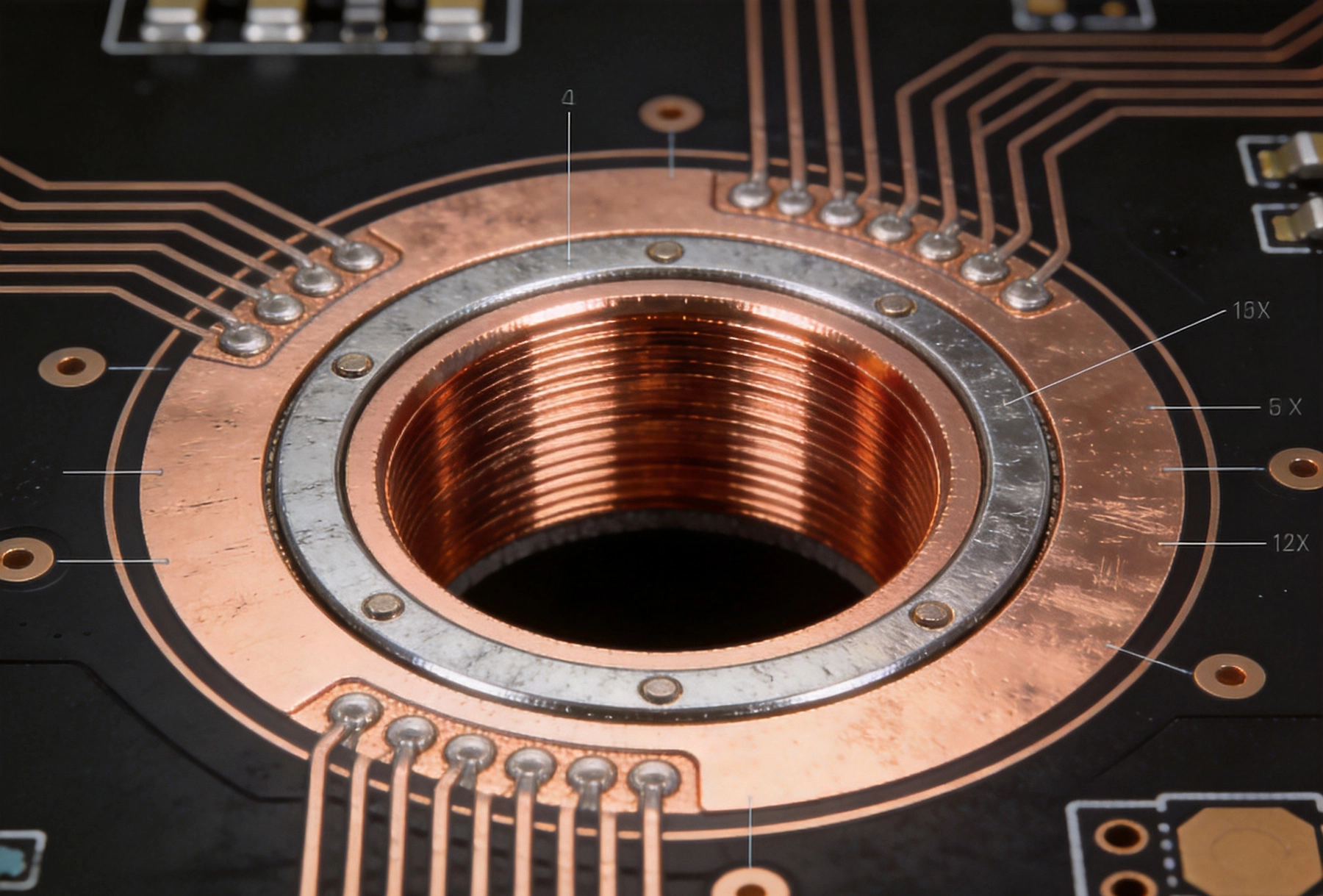
In high-current PCB design, every detail matters when it comes to ensuring reliability and performance. The annular ring, the copper pad surrounding a plated through-hole, plays a critical role in both electrical connectivity and mechanical integri...
https://www.high-current-pcb.com/high-current-pcb-dfm-tips/high-current-pcb-annular-rings-minimum-size-vs-reinforced-size/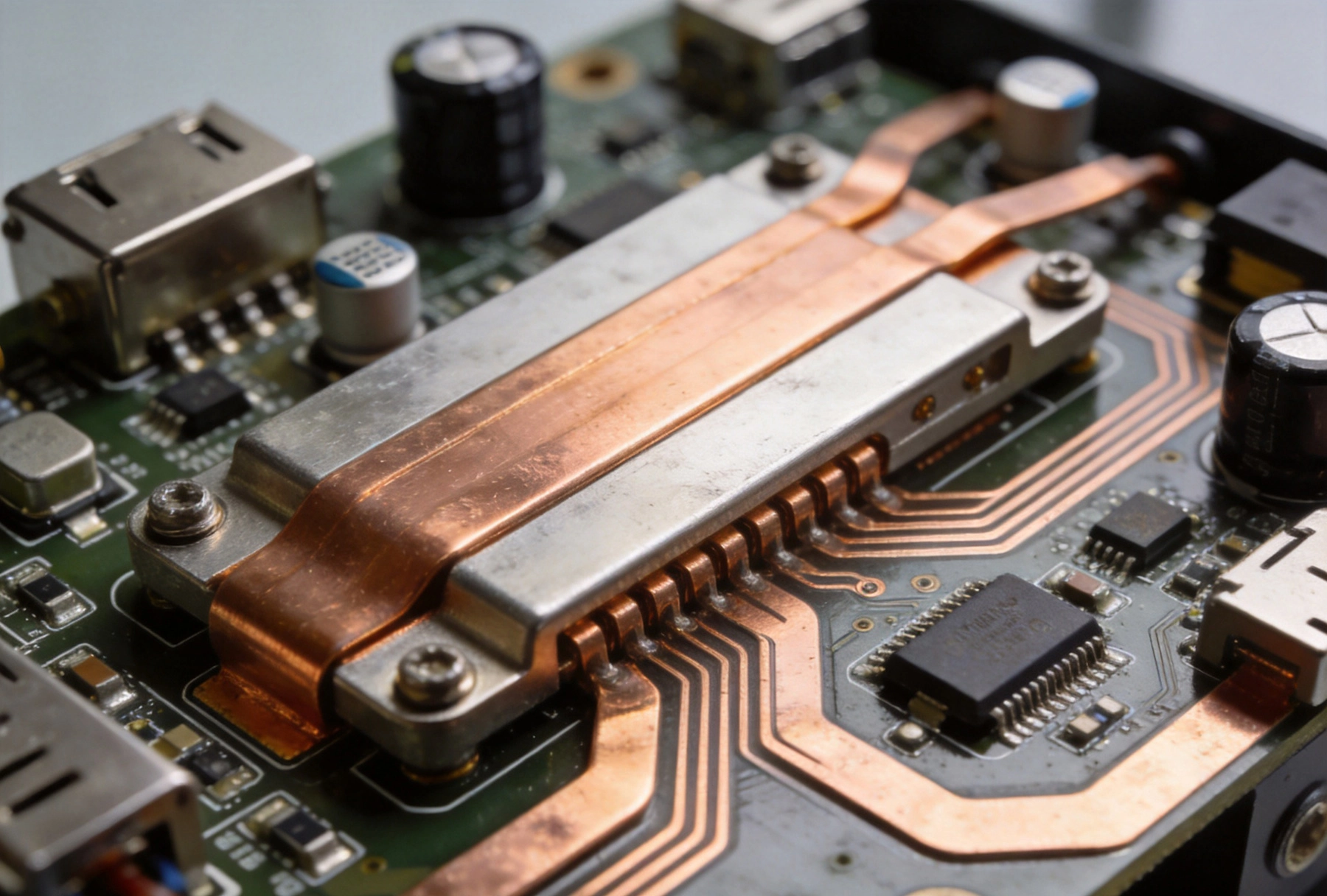
The rapid growth of electric vehicle adoption has created unprecedented demand for reliable, high-power charging infrastructure. At the heart of every EV charging station lies a sophisticated power electronics system, with printed circuit boards se...
https://www.high-current-pcb.com/high-current-pcb-thermal-design/high-current-pcb-design-for-electric-vehicle-charging-stations/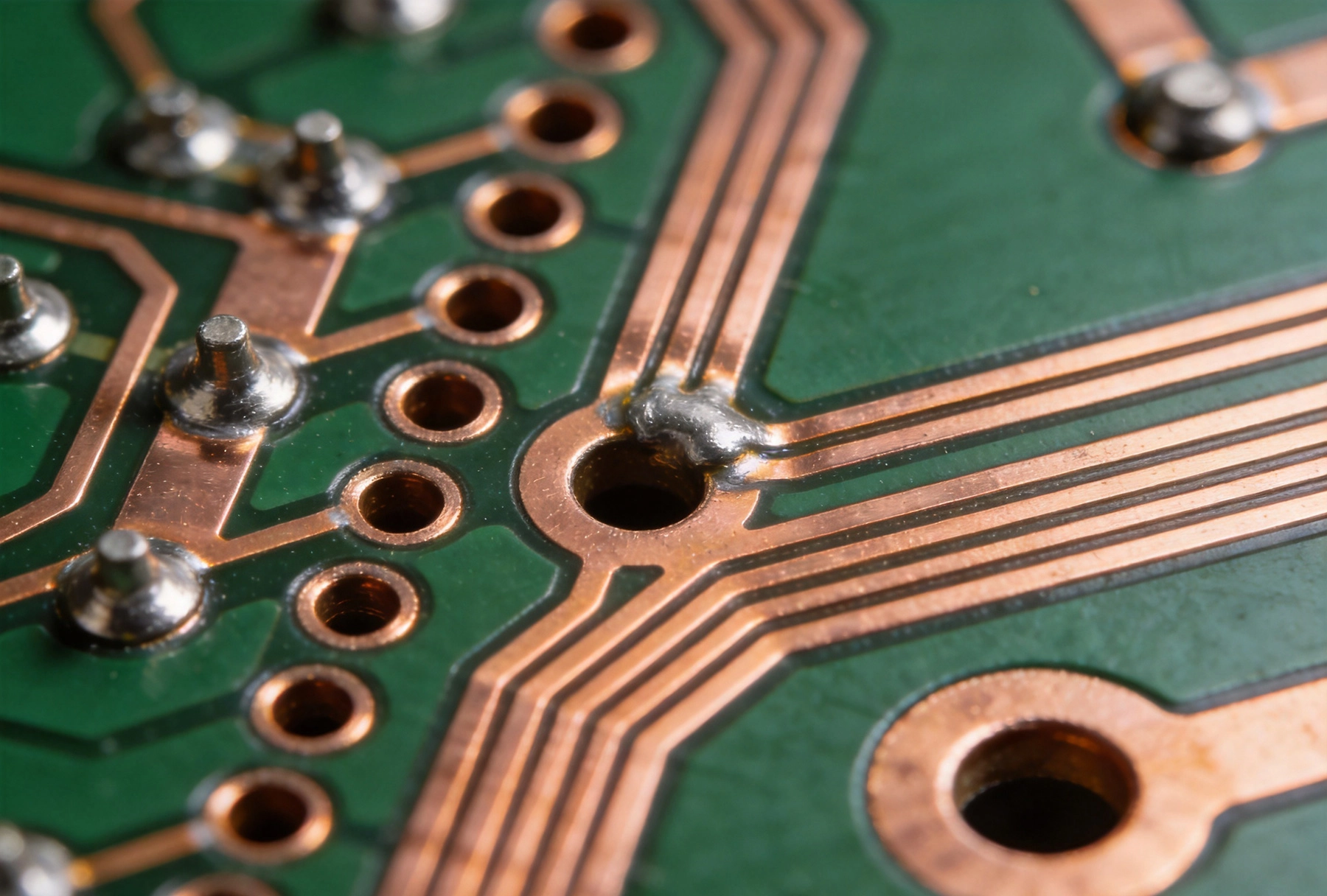
High current PCB design presents unique challenges, with solder wicking into vias being a critical concern during assembly. When solder melts and flows away from component pads into via holes, it creates insufficient solder joints that compromise e...
https://www.high-current-pcb.com/telecom-5g-high-speed-computing/high-current-pcb-solder-wicking-tented-vias-vs-untented-vias/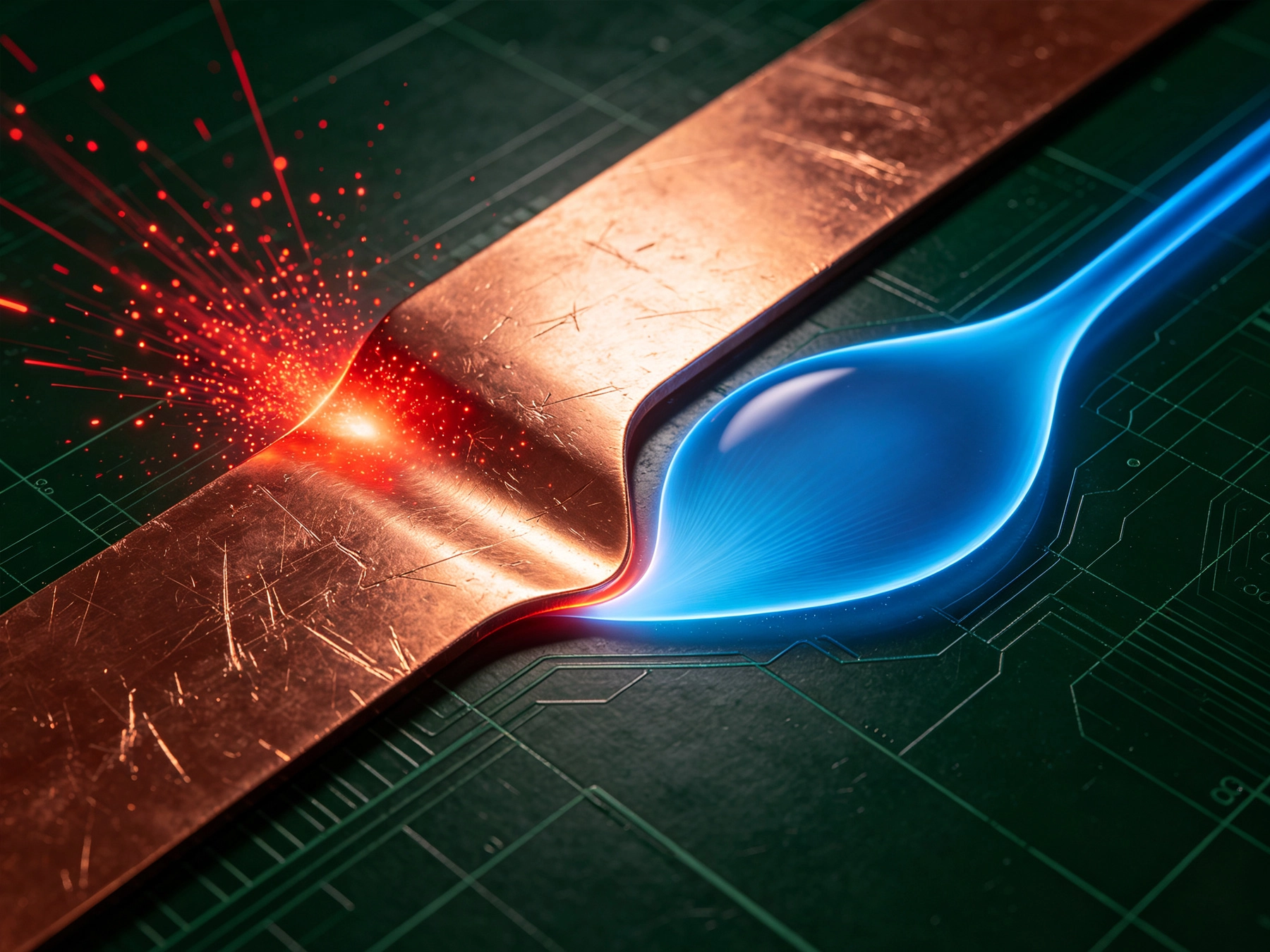
High current printed circuit board design presents unique challenges that go far beyond simple width calculations based on current requirements. One of the most critical yet often overlooked aspects involves current crowding effects at trace transi...
https://www.high-current-pcb.com/telecom-5g-high-speed-computing/high-current-pcb-current-crowding-sharp-corners-vs-teardrop-transitions/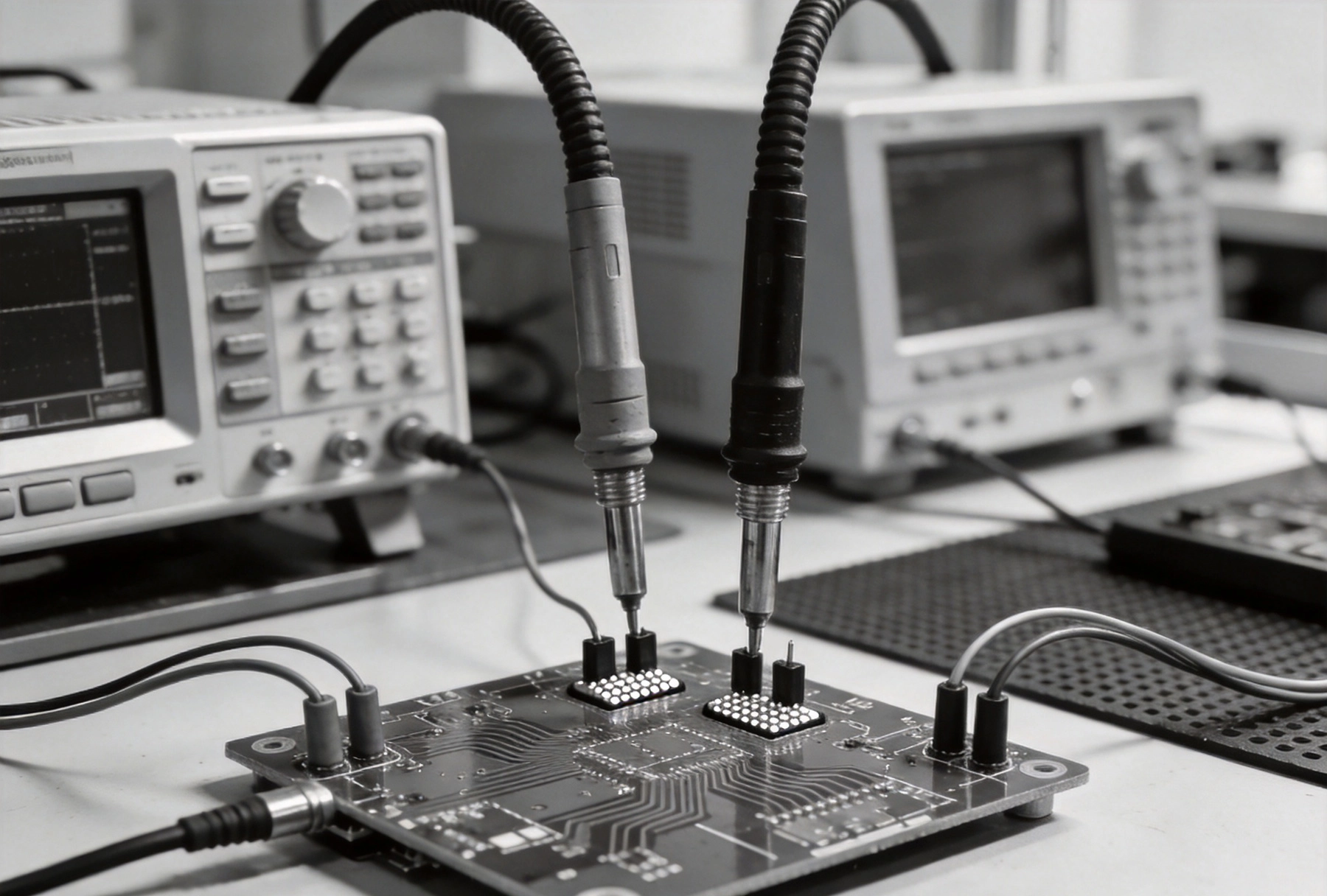
Accurate current measurement stands as a cornerstone in power electronics design. Whether you are developing battery management systems, motor drives, or power supplies, the ability to measure current precisely determines system efficiency, safety,...
https://www.high-current-pcb.com/medical-healthcare-devices/high-current-pcb-kelvin-connections-routing-best-practices-for-accuracy/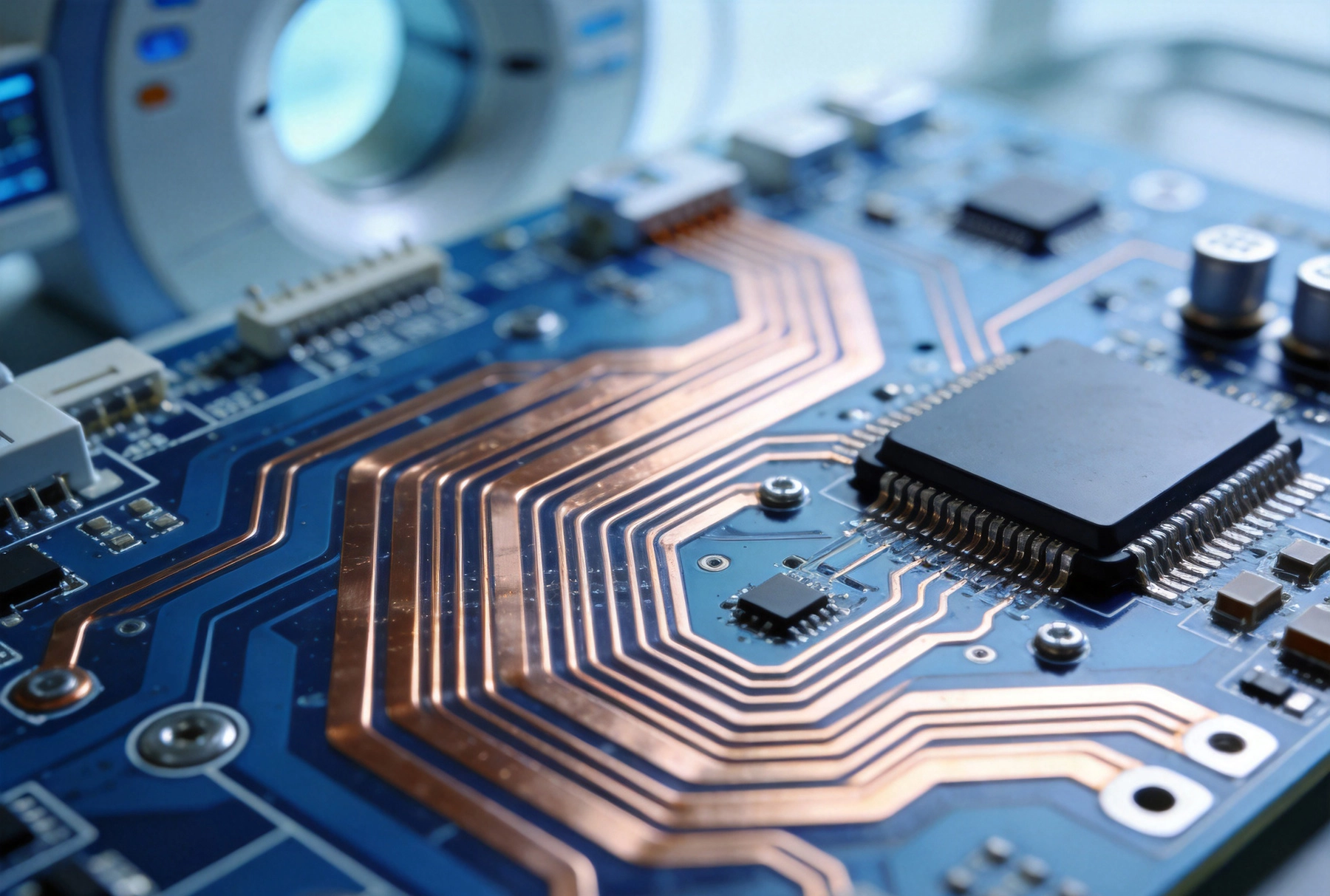
Medical imaging equipment represents one of the most demanding applications for high current printed circuit board (PCB) design, requiring exceptional reliability, precision, and safety in environments where component failure can have life-critical...
https://www.high-current-pcb.com/high-current-pcb-thermal-design/high-current-pcb-design-for-medical-imaging-equipment/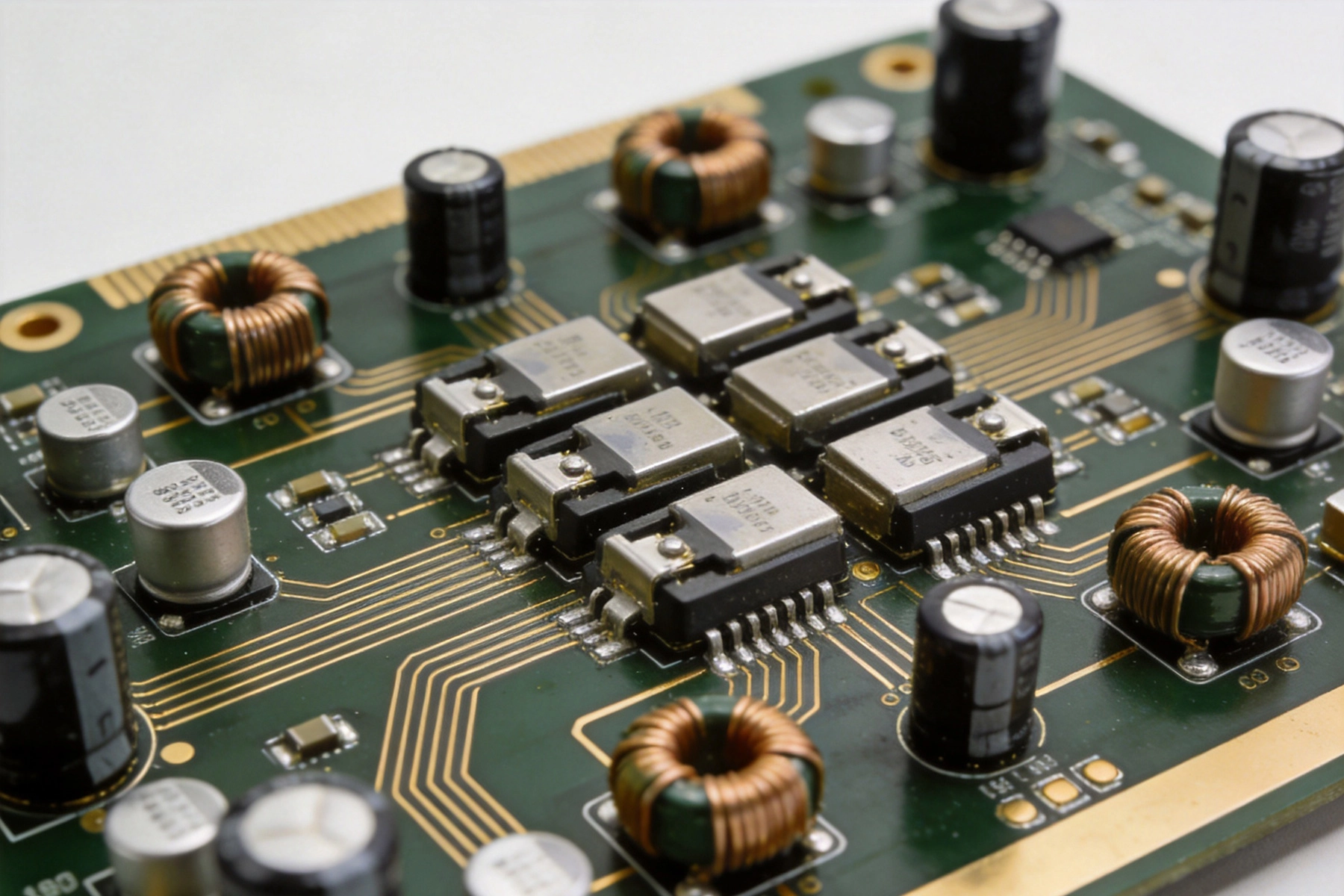
Designing a PCB for a high-current audio amplifier presents unique challenges that go beyond standard PCB layout practices. Audio amplifiers demand both precise low-level signal handling and robust power delivery, all while maintaining absolute sil...
https://www.high-current-pcb.com/high-current-pcb-thermal-design/high-current-pcb-design-for-audio-amplifiers-avoiding-ground-loops/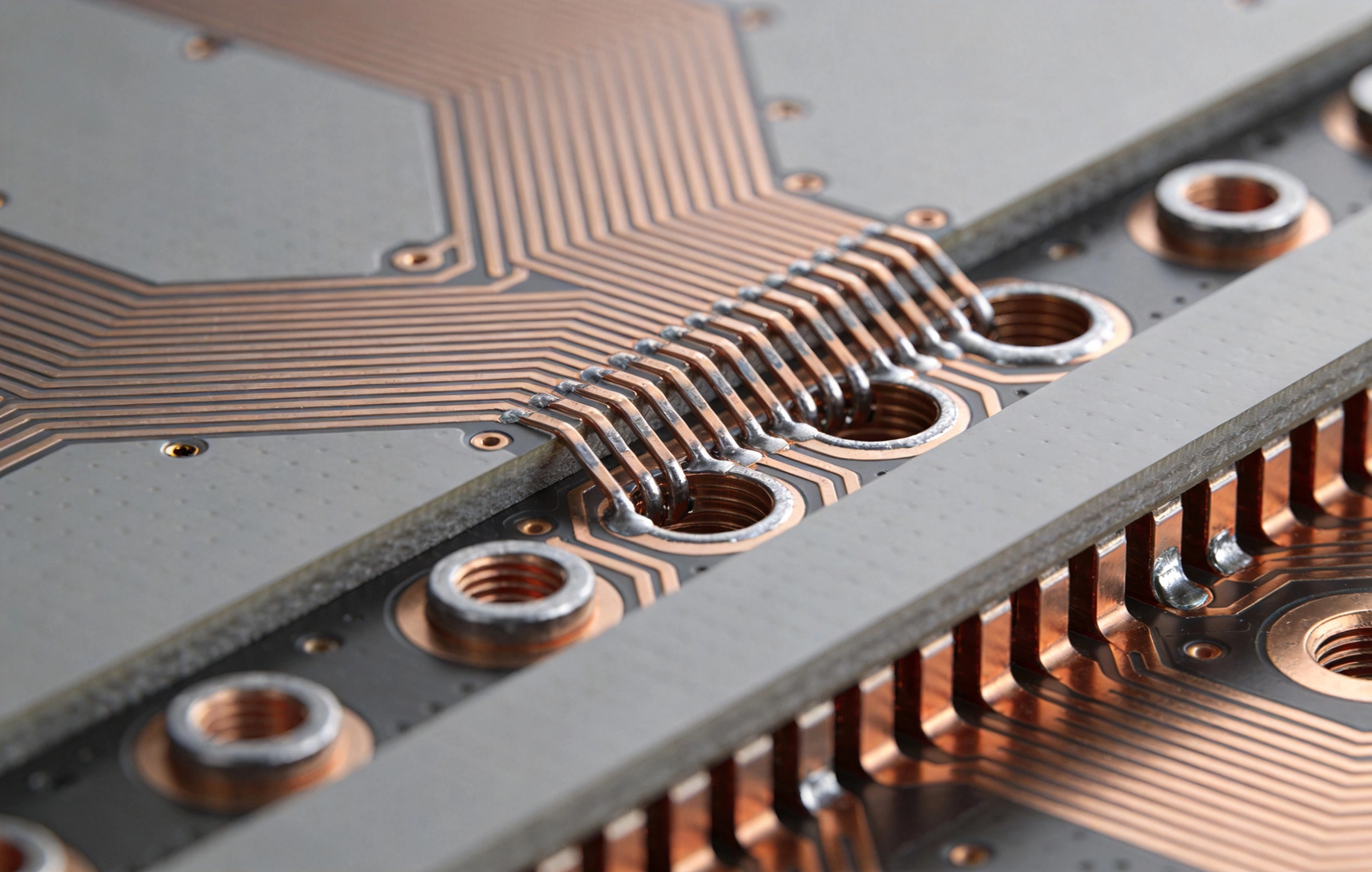
Heat has always been the enemy of electronics. In high current applications, this enemy grows stronger. Components that dissipate significant power generate thermal gradients across circuit boards, and if that heat isn't managed effectively, reliab...
https://www.high-current-pcb.com/high-current-pcb-thermal-design/high-current-pcb-thermal-vias-array-spacing-and-heat-transfer-efficiency/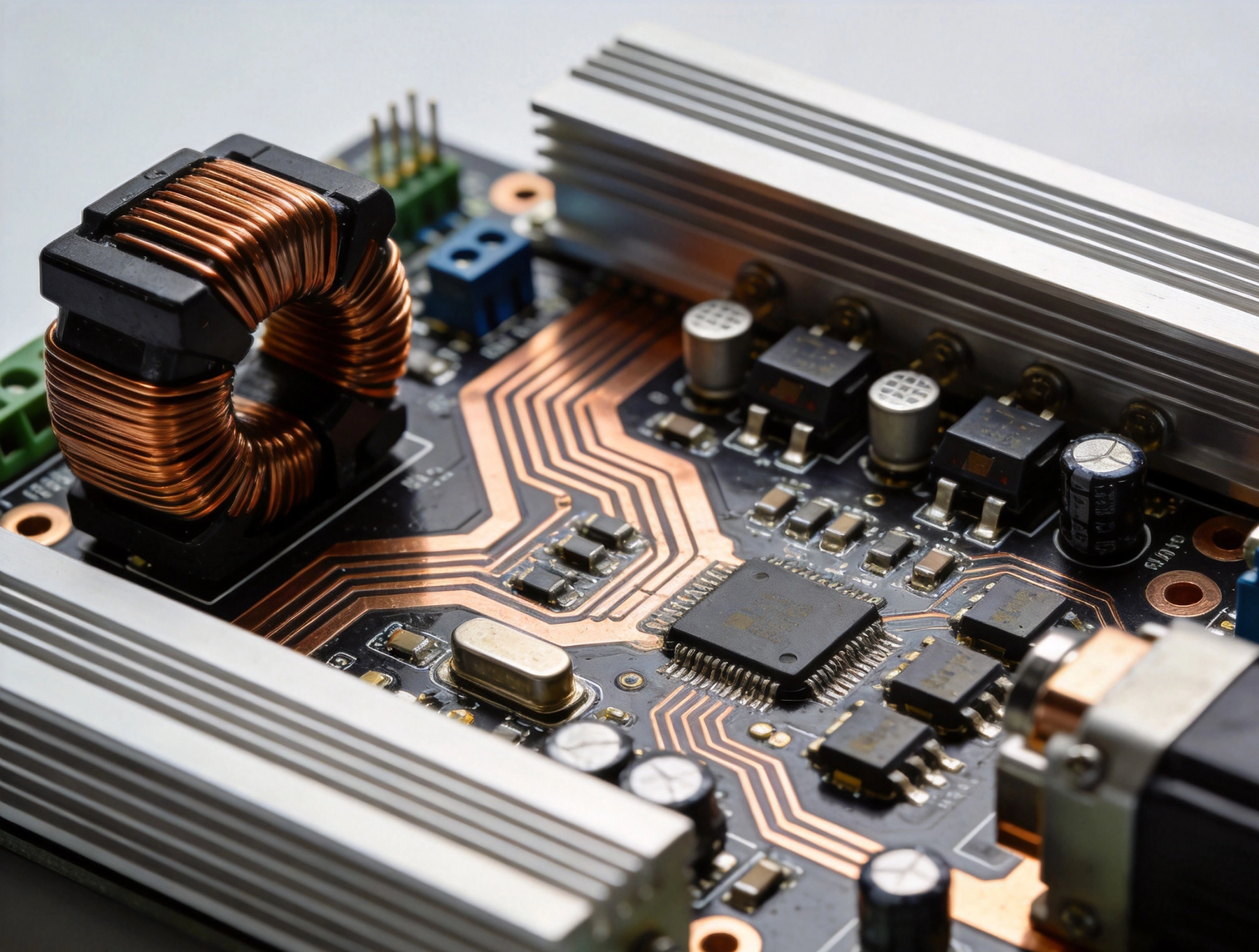
Robotics motor controllers operate in one of the most demanding environments in power electronics. These systems must deliver high currents with precision timing, manage thermal loads from tens to hundreds of watts, and maintain reliability despite...
https://www.high-current-pcb.com/high-current-pcb-thermal-design/high-current-pcb-design-for-robotics-motor-controllers/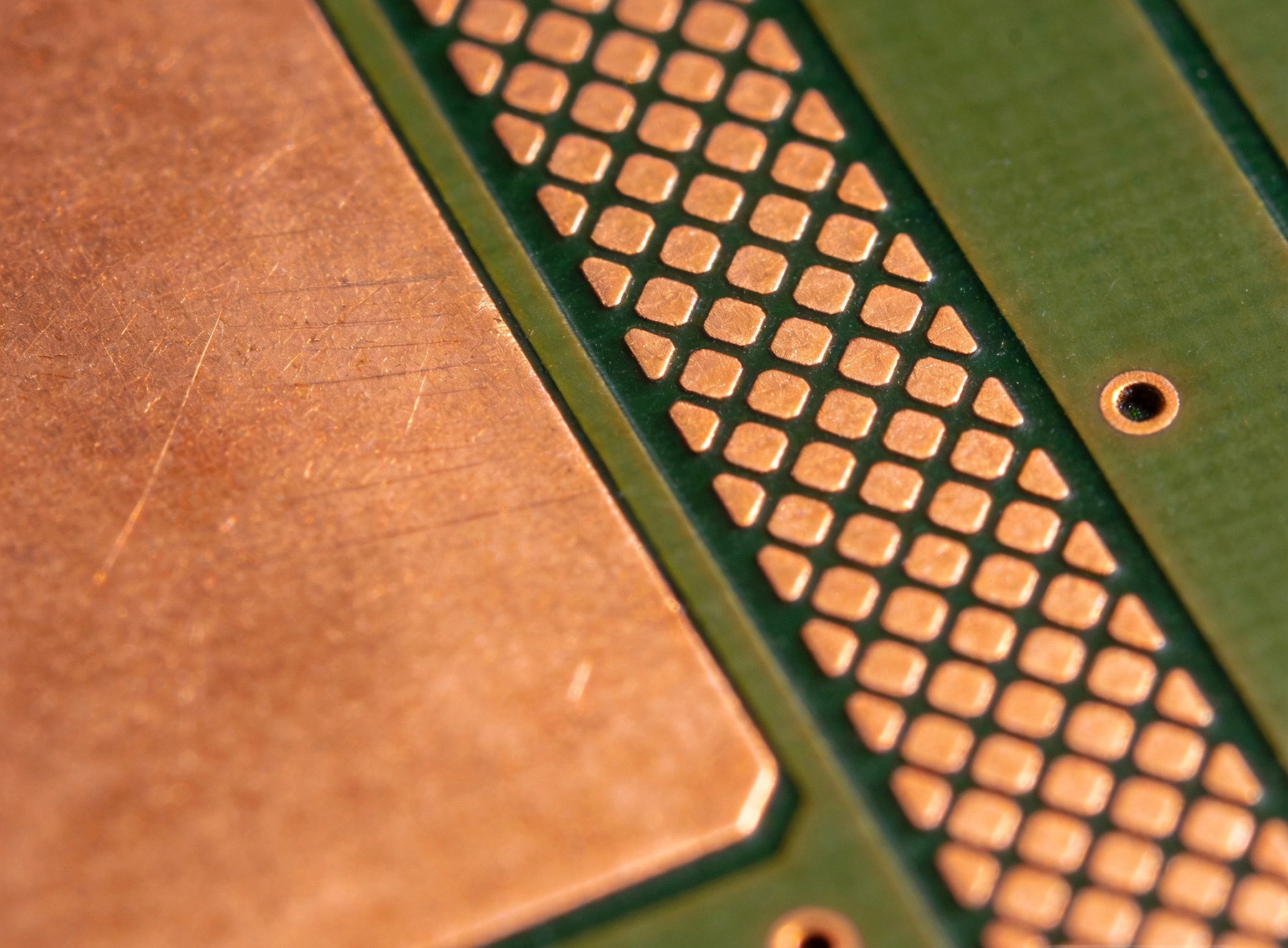
In power electronics PCB design, how you fill unused board area with copper matters more than most engineers realize. The choice between a solid copper pour and a hatched (crosshatch) copper pattern is not purely aesthetic—it directly impacts curre...
https://www.high-current-pcb.com/high-current-pcb-basics/high-current-pcb-copper-fill-solid-pour-vs-hatched-pattern-performance/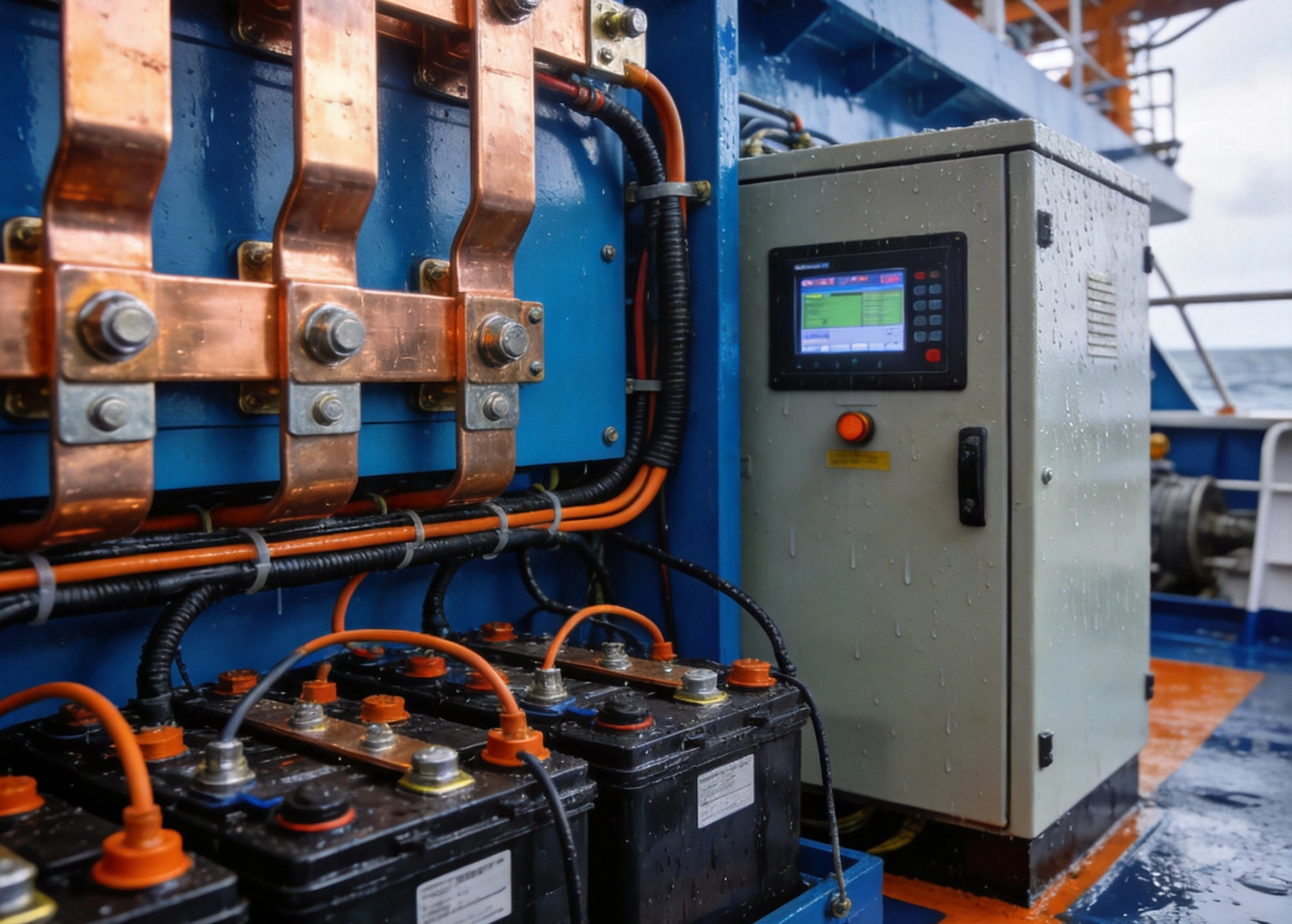
Marine battery systems operate in some of the most demanding environments in electronics. Whether powering electric ferries, offshore supply vessels, or recreational boats with advanced navigation systems, these battery banks must deliver high curr...
https://www.high-current-pcb.com/high-current-pcb-thermal-design/high-current-pcb-design-for-marine-battery-systems/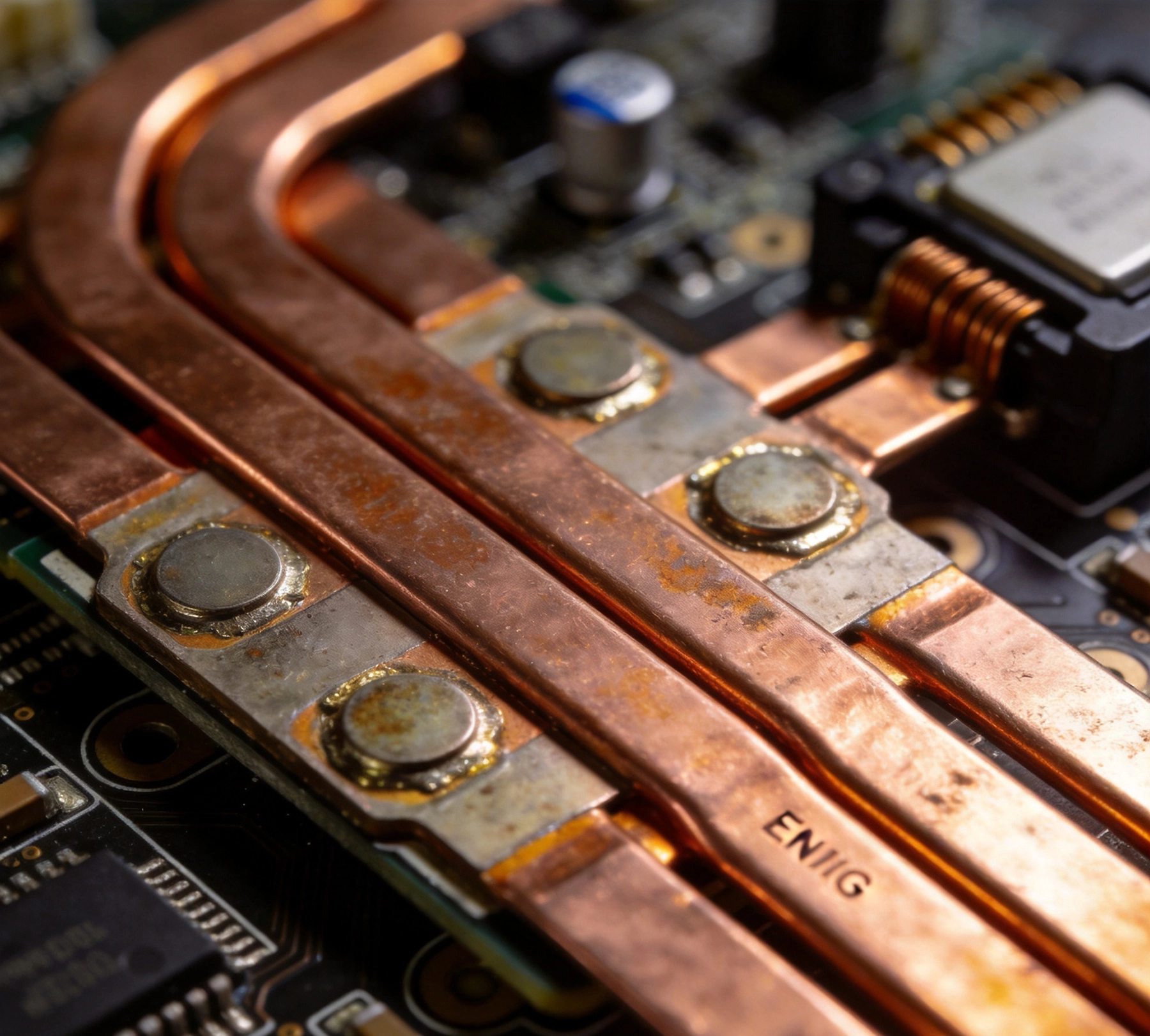
High current PCB design presents unique challenges that standard surface finish selections may not address. When your board needs to carry tens or hundreds of amperes through power traces and pads, surface finish choice affects current carrying cap...
https://www.high-current-pcb.com/telecom-5g-high-speed-computing/high-current-pcb-surface-finish-enig-vs-hasl-for-high-current-pads/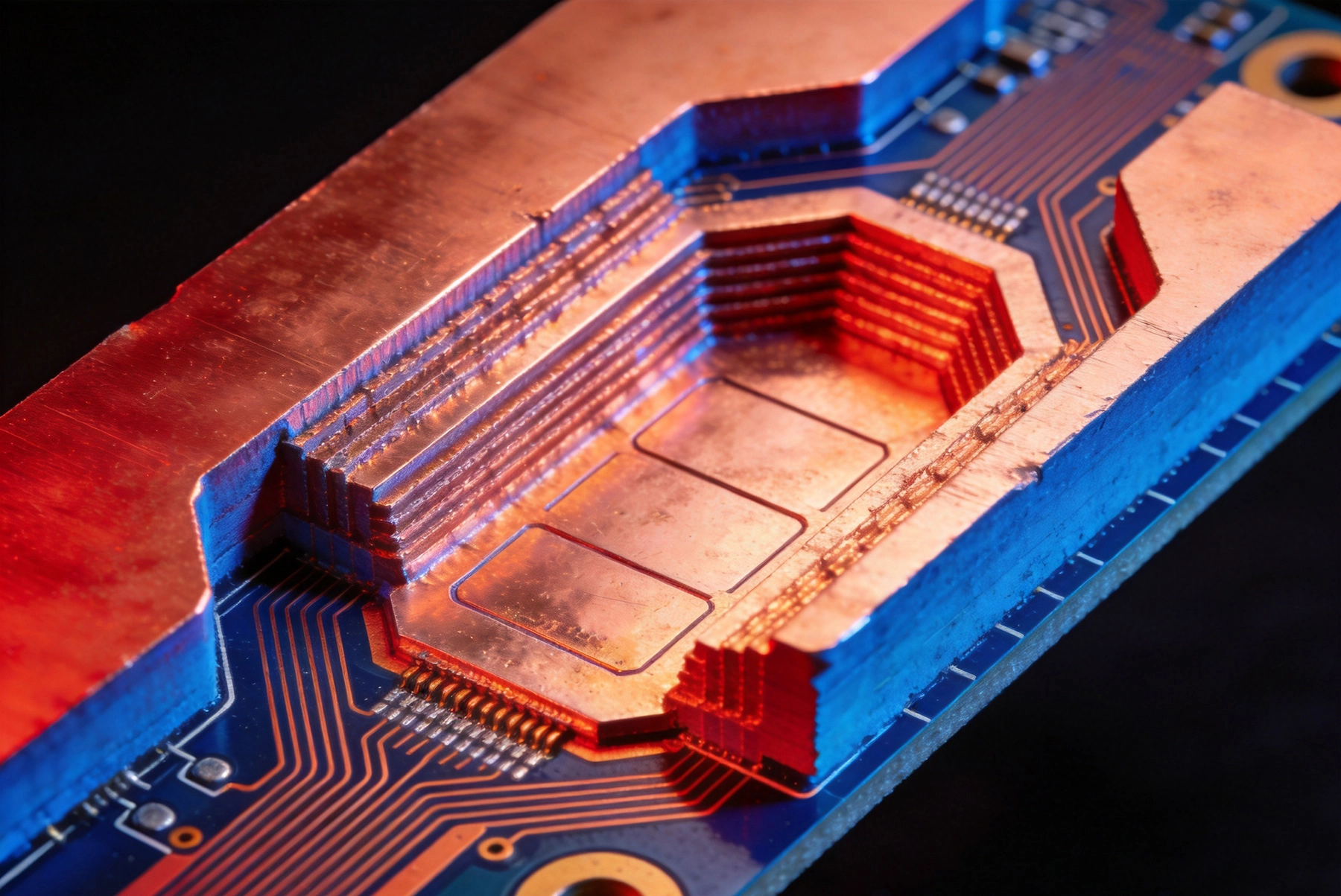
In power electronics, managing heat is as important as managing current. A trace that can carry 20 amps on paper may fail in practice if the heat generated by I²R losses cannot escape the board fast enough. This is where the choice between internal...
https://www.high-current-pcb.com/automotive-ev-systems/high-current-pcb-embedded-copper-internal-vs-external-heat-dissipation/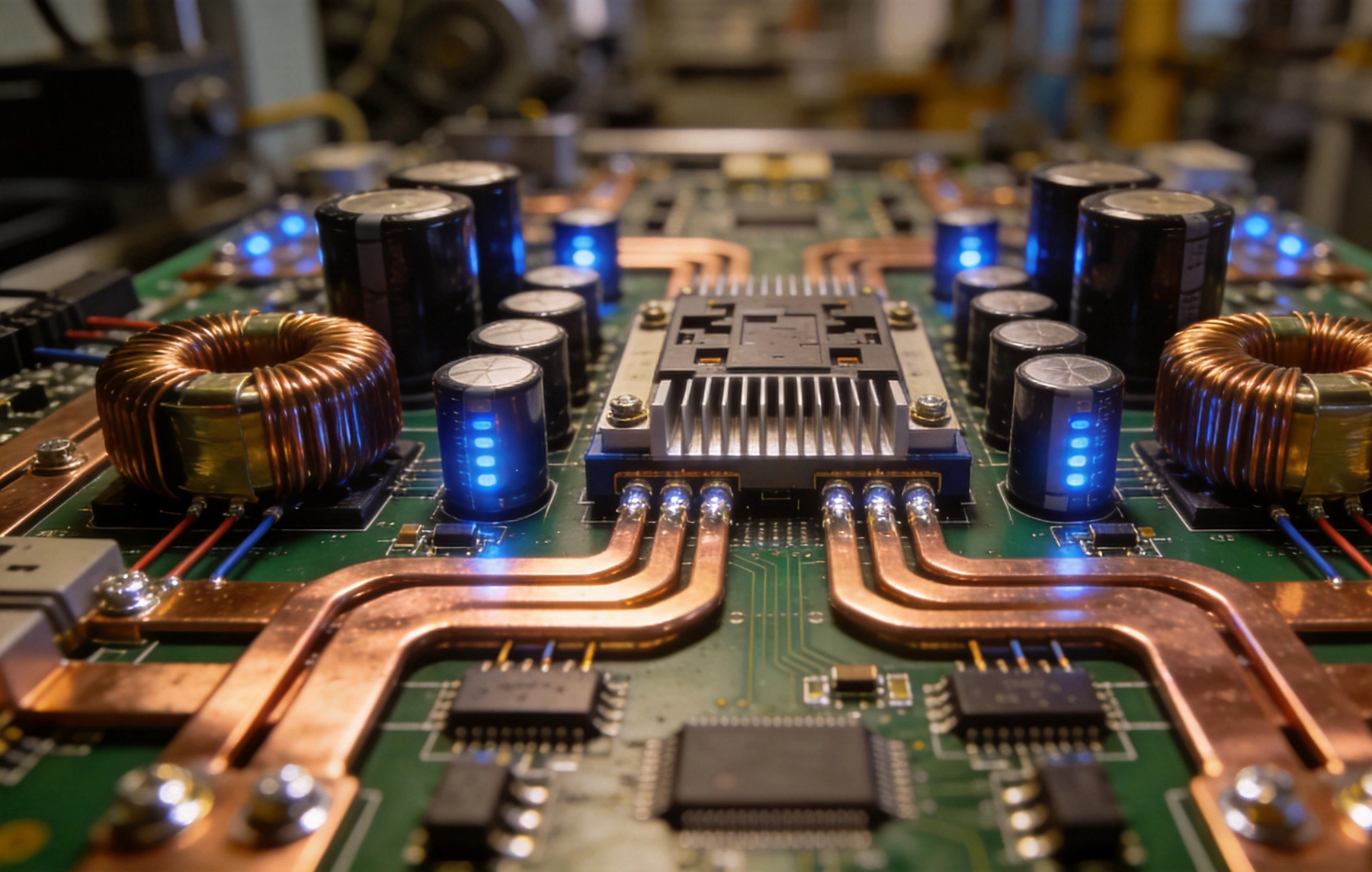
Industrial motor drives are among the most demanding applications in power electronics. A variable frequency drive (VFD) controlling a 30kW motor might switch hundreds of amps at bus voltages of 400V to 690V, generating heat inIGBT modules, DC link...
https://www.high-current-pcb.com/high-current-pcb-thermal-design/high-current-pcb-design-for-industrial-motor-drives/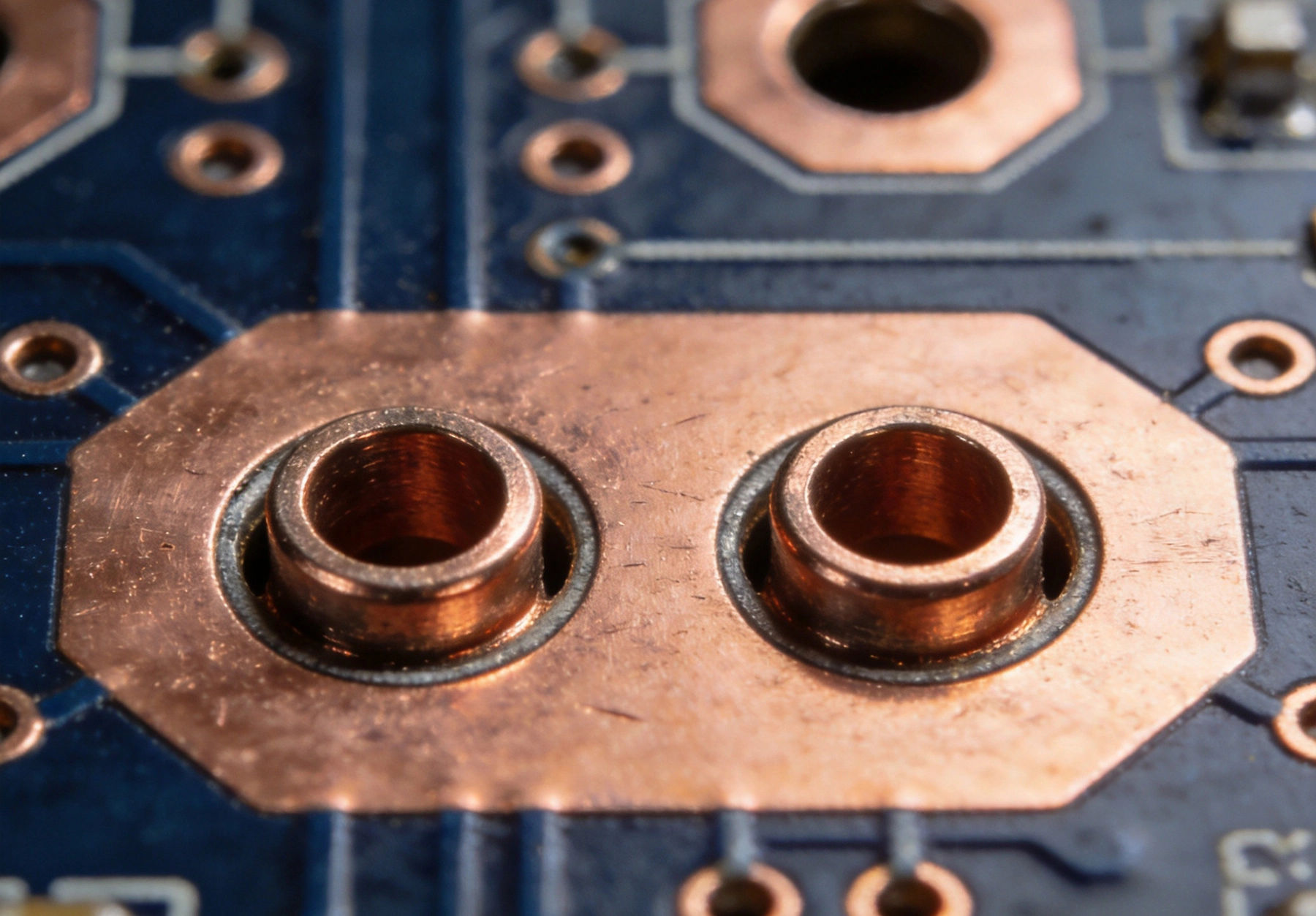
Mounting holes on printed circuit boards serve a dual purpose that many designers overlook: they secure the board to its chassis or enclosure, and when properly designed, they can also serve as critical current return paths between the PCB ground p...
https://www.high-current-pcb.com/automotive-ev-systems/high-current-pcb-mounting-holes-plated-vs-non-plated-for-current-return/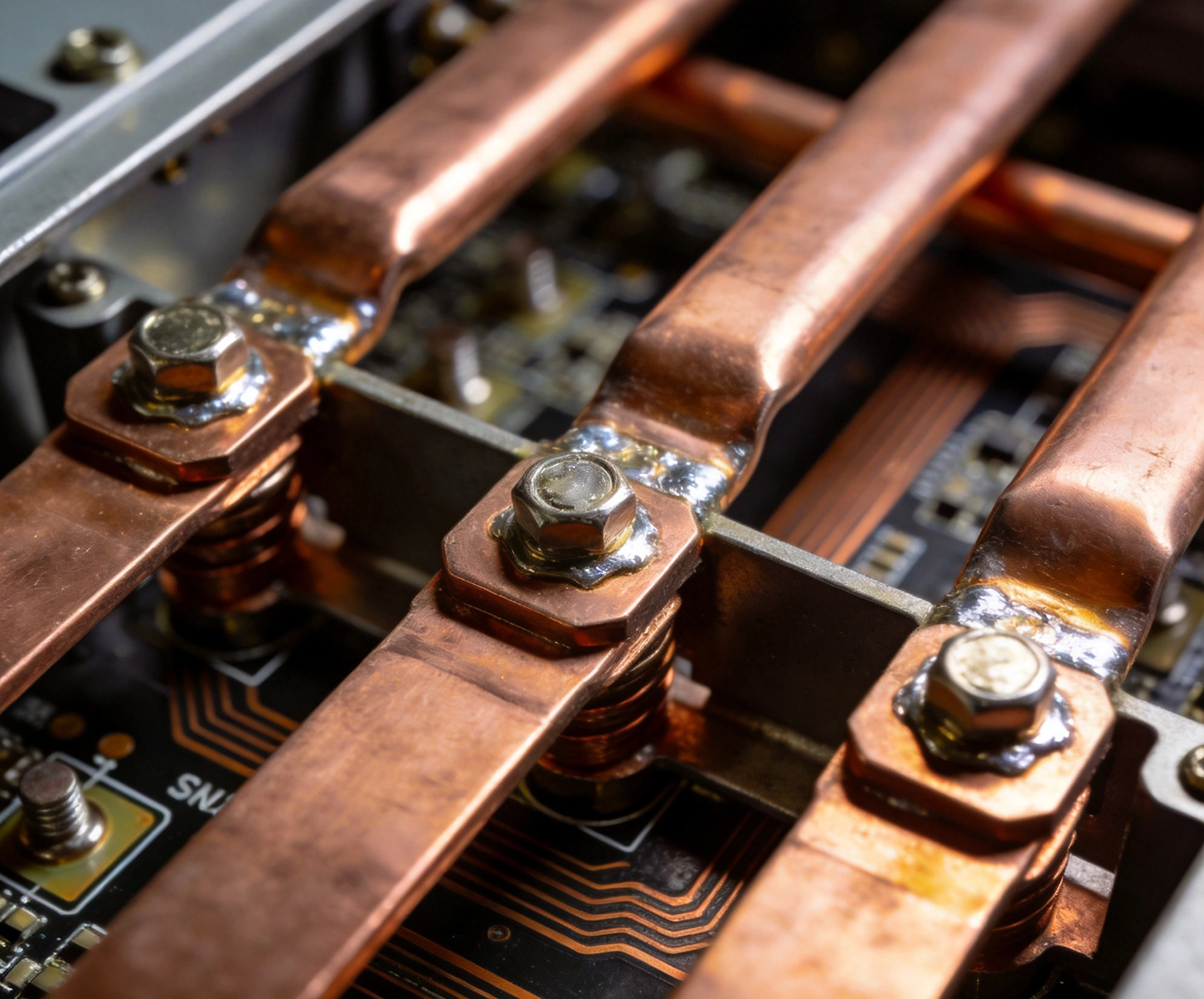
Renewable energy microgrids are among the most demanding environments for power electronics. They must handle bidirectional power flow, operate reliably across wide temperature ranges, and do so while maintaining high conversion efficiency in syste...
https://www.high-current-pcb.com/high-current-pcb-thermal-design/high-current-pcb-design-for-renewable-energy-microgrids/